
 Lifestyle
 Food & Nutrition
 Fitness

Building the right evening habits to reduce menopause hot flashes is one of the most effective things you can do without medication. Women who consistently follow evening habits to reduce menopause hot flashes report fewer night sweats and better sleep within weeks. Hot flashes affect roughly 75% of women during the menopause transition, with many experiencing five or more per day and three night sweats per night. The evenings are often the worst, when estrogen levels dip with your body’s natural circadian rhythm and core temperature becomes harder to regulate. A few targeted changes to your evening routine can make a measurable difference, starting within two to four weeks.
Research from The Menopause Society shows that hormone therapy reduces hot flashes by up to 80%, but many women prefer natural approaches first. Studies published in 2024 identify specific evening behaviors, from bedroom temperature to what you eat for dinner, that directly influence vasomotor symptoms. Whether you’re dealing with mild or severe symptoms, evening habits to reduce menopause hot flashes give you real tools to work with. This article breaks down five habits you can start tonight.
- 1 Why Evening Habits to Reduce Menopause Hot Flashes Work
- 2 Habit 1: Cool Your Bedroom Before You Sleep
- 3 Habit 2: Cut Caffeine and Alcohol After 2 PM
- 4 Habit 3: Eat a Light, Early Dinner
- 5 Habit 4: Take a Gentle Walk After Dinner
- 6 Habit 5: Build a 15-Minute Calming Pre-Sleep Routine
- 7 How to Know If Your Evening Habits Are Working
- 8 Frequently Asked Questions
- 8.1 What triggers hot flashes at night during menopause?
- 8.2 Does avoiding alcohol in the evening actually help with hot flashes?
- 8.3 What bedroom temperature is best for reducing hot flashes?
- 8.4 Is evening exercise good or bad for menopause hot flashes?
- 8.5 How long does it take for evening habits to reduce menopause hot flashes?
- 9 Conclusion
Why Evening Habits to Reduce Menopause Hot Flashes Work
Your body temperature naturally begins to drop in the evening to prepare for sleep. During menopause, this process becomes unpredictable. Estrogen fluctuations narrow the thermoregulatory zone in your brain’s hypothalamus, meaning even small temperature changes trigger a hot flash response. A 2024 study found that 59% of nighttime hot flashes occur during REM sleep in the second half of the night, when cardiovascular strain is highest. Managing your evening environment directly targets this window.
Sedentary behavior also plays a role. Research from PubMed (2024) found that menopausal women spend a median of seven hours per day sitting, and this correlates with higher hot flash frequency. Small changes to your evening routine, including reducing sitting time, can shift these numbers meaningfully. Many women also notice their symptoms connect to daily habits that increase inflammation and anxiety, both of which worsen vasomotor instability at night. That’s why using specific evening habits to reduce menopause hot flashes is more targeted than general advice alone.
If you are building a broader lifestyle approach, pairing these evening strategies with anti-inflammatory daytime habits creates a compounding effect.
Habit 1: Cool Your Bedroom Before You Sleep
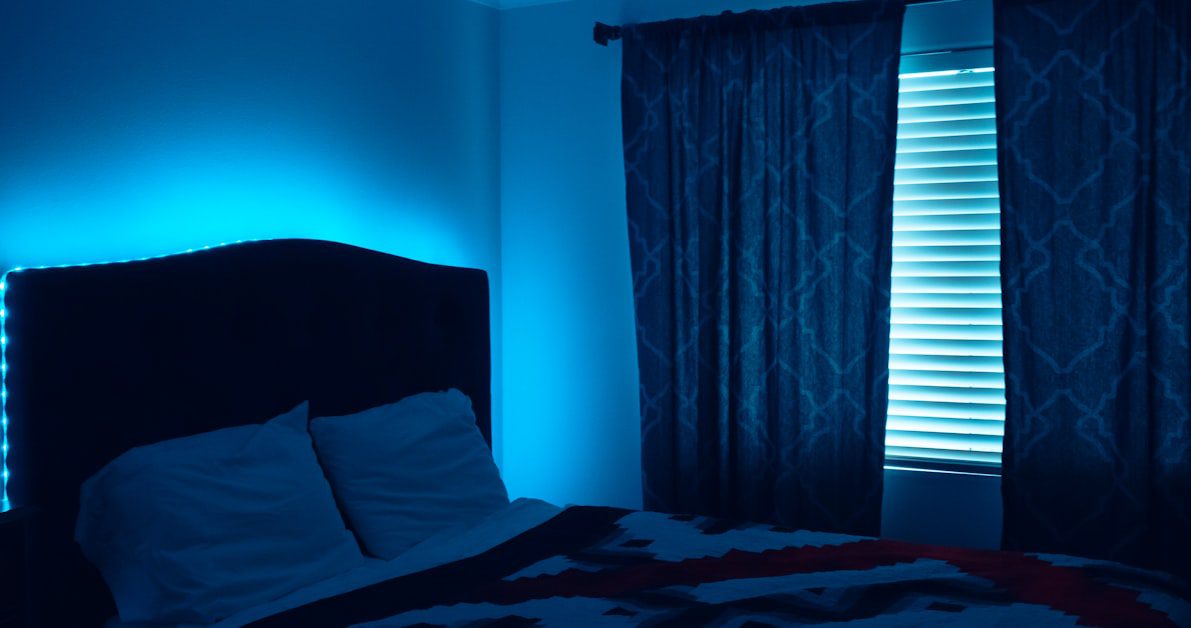
This is the single most evidence-backed evening habit to reduce menopause hot flashes you can adopt right away. The Cleveland Clinic and Menopause Society both recommend setting your bedroom to 60 to 67 degrees Fahrenheit (16 to 19 degrees Celsius). Even a one or two degree drop in sleep microclimate temperature measurably reduces hot flash frequency during the night.
Start cooling the room about an hour before bed. A bedside fan helps circulate air and creates a cooling airflow across your skin. Swap heavy blankets for lightweight, moisture-wicking layers you can push off easily. Cotton and bamboo fabrics release heat better than synthetic materials. If your partner prefers a warmer bed, separate lightweight covers let you adjust independently.
Hot showers right before bed are a common mistake. They raise your core temperature at exactly the wrong time. Switch to a lukewarm shower, under 100 degrees Fahrenheit, at least an hour before sleep. Your body will cool down faster afterward, reducing the likelihood of a flash as you drift off.
Habit 2: Cut Caffeine and Alcohol After 2 PM
Both caffeine and alcohol are well-established hot flash triggers, and their timing matters as much as the amount. Caffeine stimulates your sympathetic nervous system and raises core body temperature. Alcohol disrupts sleep architecture and causes blood vessels to dilate, the same mechanism behind a hot flash. The combination of both in the evening is particularly disruptive.
The practical rule: no caffeine after 2 PM, and limit alcohol to one drink maximum, consumed with dinner rather than after. If you typically have herbal tea in the evening, make sure it is genuinely caffeine-free. Green tea still contains 25 to 45 mg of caffeine per cup. Chamomile, peppermint, or valerian root are better alternatives.
Research from the Menopause Society lists alcohol and caffeine among the top modifiable triggers for vasomotor symptoms. Many women notice significant reduction in night sweats within two weeks of cutting both after midday. This one habit alone can be enough to reclaim restful sleep if these are regular parts of your evenings.
Habit 3: Eat a Light, Early Dinner
Large meals generate significant digestive heat as your body breaks down food. Eating a heavy dinner, especially late in the evening, raises your core temperature at exactly the wrong time. This is a trigger many women do not connect to their symptoms until they track it carefully.
Menopause specialists recommend keeping meals after 6 PM under 300 calories and aiming for smaller, more frequent eating across the day rather than one large evening meal. This approach also stabilizes blood sugar, which matters because blood sugar dips are another hot flash trigger during the night.
Foods to avoid in the evening include spicy dishes, processed foods high in refined carbohydrates, and anything with a strong warming effect. Focus instead on cooling foods: leafy greens, cucumber, lean protein, and complex carbohydrates like oats or sweet potato that digest slowly without generating a heat spike. The Mayo Clinic notes that dietary adjustments work best as part of a broader lifestyle approach. You can also explore how daytime habits ease perimenopause hot flashes to complement your evening routine.
Habit 4: Take a Gentle Walk After Dinner
Exercise is generally good for menopause symptoms, but the timing and intensity matter enormously in the evening. A 2024 study tracking 200 women across menopause stages found that vigorous physical activity in the evening, more than nine minutes of intense effort, actually preceded more hot flashes rather than fewer. In contrast, moderate activity like a 10 to 20 minute walk after dinner was associated with fewer waking flashes and better sleep.
The mechanism is straightforward. Intense exercise raises core body temperature sharply, triggering the hypothalamic response. Moderate walking stimulates circulation and reduces sedentary time without the temperature spike. Replacing just 30 minutes of evening sitting with a gentle walk produces measurable benefit.
You do not need a structured workout. A walk around the block, light stretching, or gentle yoga for 15 minutes after dinner is sufficient. The goal is to break up prolonged sitting while keeping intensity low enough not to trigger vasomotor responses. For women who want a low-impact option, chair-based movement routines are a good starting point that avoids raising core temperature.
Habit 5: Build a 15-Minute Calming Pre-Sleep Routine
Stress and anxiety are major hot flash amplifiers. When cortisol rises in the evening, it disrupts your autonomic nervous system and narrows your thermoregulatory zone further. A simple calming routine before bed lowers cortisol, stabilizes your nervous system, and reduces both the frequency and severity of flashes during the night.
The most evidence-backed technique is paced breathing: inhale slowly for four counts, hold for two, exhale for six. The extended exhale activates your parasympathetic nervous system. Do this for 10 minutes before bed. Cognitive behavioral therapy, even in a self-guided format, has been shown to significantly reduce hot flash bother with as few as four to six sessions.
Other effective wind-down habits include reading a physical book rather than a screen (blue light raises cortisol), journaling to offload anxious thoughts, and listening to calm music. Avoid checking work emails or social media within an hour of bed. The goal is a steady downward slope in nervous system activation from dinner through sleep.
How to Know If Your Evening Habits Are Working
Most women notice a difference within two to four weeks of consistently applying evening habits to reduce menopause hot flashes. The key is consistency, not perfection. Keep a simple symptom diary: note the time, severity on a scale of one to ten, and what you did in the hours before. Patterns emerge quickly. You may find that alcohol on one evening wipes out the progress of a good week, or that skipping your walk correlates with a worse night.
Apps like Clue or MenoPro let you log symptoms alongside sleep data. Combining tracking with the evening habits to reduce menopause hot flashes covered here gives you the fastest feedback loop. If your symptoms are severe or significantly affecting quality of life, speak with your doctor. The NIH notes that hormone therapy combined with lifestyle changes produces the best outcomes for moderate to severe vasomotor symptoms. These five evening habits work best as a foundation, not a ceiling.
Frequently Asked Questions
What triggers hot flashes at night during menopause?
Nighttime hot flashes are triggered by falling estrogen levels and your brain’s narrowed thermoregulatory zone. Small temperature increases, digestive heat from a large dinner, alcohol, caffeine, and stress can all push your hypothalamus past its threshold and activate the vasomotor response. A 2024 study found that 59% of nighttime flashes occur during REM sleep in the second half of the night, making evening habits especially impactful for reducing them. Tracking your own patterns with a symptom diary is the fastest way to identify your personal triggers.
Does avoiding alcohol in the evening actually help with hot flashes?
Yes, and the evidence is consistent. Alcohol causes blood vessel dilation, raises skin temperature, and disrupts sleep architecture. All three effects worsen hot flash frequency and night sweats. Most women who cut evening alcohol report noticeable improvement within one to two weeks. The effect is strongest when alcohol is eliminated in the evening rather than simply reduced, as even one glass close to bedtime can disrupt your sleep cycle and trigger night sweats.
What bedroom temperature is best for reducing hot flashes?
Both the Cleveland Clinic and The Menopause Society recommend 60 to 67 degrees Fahrenheit (16 to 19 degrees Celsius). This range supports your body’s natural core temperature drop during sleep and reduces the microclimate warmth that triggers vasomotor responses. A bedside fan, moisture-wicking bedding, and lightweight layers further optimize your environment. Begin cooling the room about an hour before bed, not when you get in, for the best effect.
Is evening exercise good or bad for menopause hot flashes?
It depends on the intensity. A 2024 study following 200 women found that vigorous exercise in the evening preceded more hot flashes, not fewer. However, moderate activity like a 15 to 20 minute walk after dinner reduced waking hot flashes and improved sleep quality. The rule is to keep evening movement gentle, stop at least two hours before bed, and focus on replacing sedentary time rather than adding an intense workout to your schedule.
How long does it take for evening habits to reduce menopause hot flashes?
Most women notice improvement within two to four weeks of consistently applying these strategies. Individual results vary based on symptom severity, hormone levels, and how many habits you change at once. Tracking symptoms in a diary helps identify which specific changes make the biggest difference. If symptoms remain severe after six weeks of lifestyle changes, speak with a healthcare provider about combining natural approaches with medical options.
Conclusion
The right evening habits to reduce menopause hot flashes do not require expensive supplements or prescriptions. These five strategies are free, evidence-backed, and something you can start tonight. Women who commit to these evening habits to reduce menopause hot flashes consistently report fewer night sweats, better sleep, and more manageable days within the first month. Cooling your bedroom to 60 to 67 degrees, cutting caffeine and alcohol after 2 PM, eating a lighter dinner, taking a gentle post-dinner walk, and building a calming pre-sleep routine each target the underlying mechanisms that make evenings so difficult during the menopause transition.
Start with one or two habits rather than all five at once. Track your symptoms for two weeks, then add another. Small, consistent changes in your evening habits to reduce menopause hot flashes stack up faster than you expect, and your evenings can improve significantly within a month.
Medical Disclaimer: This content is for informational purposes only and does not constitute medical advice. Consult a qualified healthcare provider before making any health decisions.