


Histamine intolerance symptoms in women are easy to miss because they rarely arrive as a single symptom. Instead, they show up as a baffling mix: flushing after a glass of red wine, a headache an hour after a piece of aged cheese, itchy skin for no reason, a racing heart at bedtime, morning congestion that never quite resolves, and strangely, symptoms that get worse the week before bleeding. None of those signs of histamine intolerance in women looks like an allergy, which is why most women are told it is anxiety, rosacea, or stress.
It is not. It is a classic pattern of histamine building up, and once you see the signs of histamine intolerance in women as one picture, the interventions get simple faster than the body can clear it. And it is powerfully connected to estrogen, which is why women experience this condition at roughly two to three times the rate men do, and why the symptoms intensify in the luteal phase, during perimenopause, and postpartum. Once you see the pattern, the food, lifestyle, and supplement interventions fall into place.
This guide is the mechanism-level version of the conversation. The real signs of histamine intolerance in women, why standard allergy testing cannot detect it, the DAO and estrogen link, and the five interventions that actually lower the histamine load.
Histamine Intolerance Symptoms: What the Condition Actually Is

Histamine is a normal signaling molecule the body uses for allergic responses, stomach acid production, wakefulness, and inflammation. The problem is not histamine itself. The problem is the balance between how much histamine the body makes, how much it absorbs from food, and how efficiently two enzymes, diamine oxidase (DAO) in the gut and histamine N-methyltransferase (HNMT) in tissues, can clear it.
When histamine production exceeds clearance, histamine spills into circulation and triggers receptors throughout the body: H1 in skin and airways (flushing, itching, congestion), H2 in the stomach (reflux, acid production), H3 in the brain (anxiety, insomnia, migraines), and H4 in the gut (cramping, diarrhea). A single high-histamine meal or a single luteal phase with stressed-out DAO can tip a borderline system into symptoms. That tipping point is what the signs of histamine intolerance in women describe.
Why Standard Allergy Testing Misses This
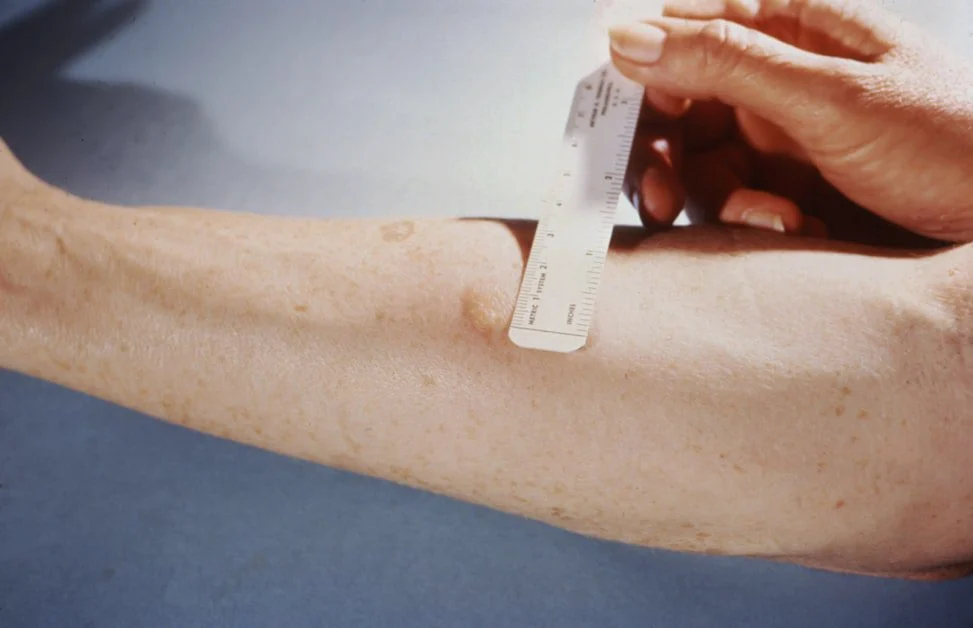
Histamine intolerance is not an IgE allergy. It does not produce the immediate, antibody-driven reaction a skin prick or RAST test looks for. Women with the signs of histamine intolerance in women almost always test negative on allergy panels, which is why so many are dismissed or told their symptoms are psychosomatic. The correct diagnostic path is symptom pattern matching combined with a low-histamine elimination diet, occasionally paired with DAO testing, histamine levels, and tryptase to rule out mast cell activation syndrome (MCAS).
Flushing After Wine, Cheese, Fermented Foods, or Leftovers
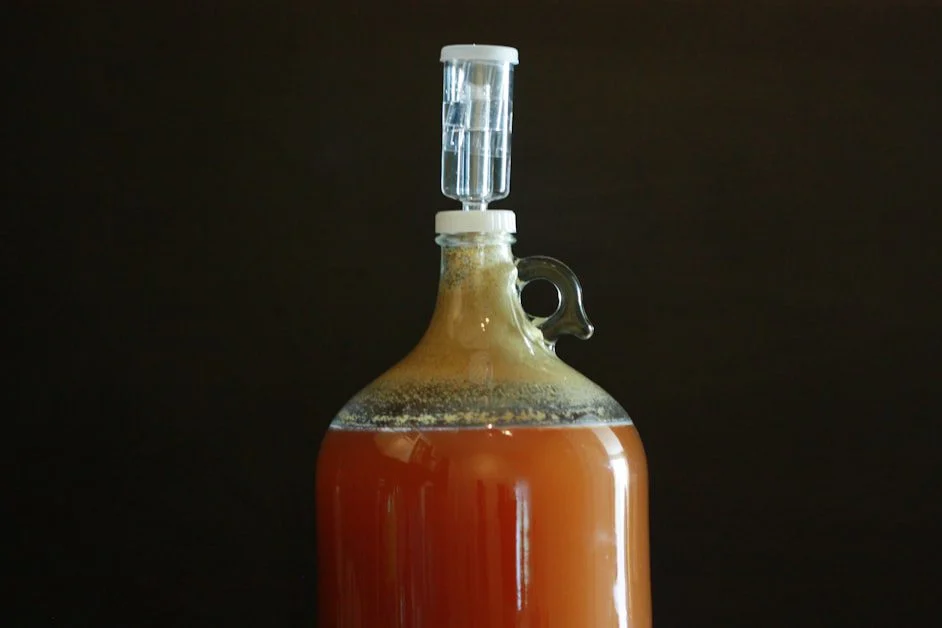
This is the single most common entry sign among the signs of histamine intolerance in women. Red wine is the classic example: it contains histamine, stimulates histamine release, and inhibits DAO at the same time. Aged cheese, cured meats, fermented foods (including kombucha, kimchi, sauerkraut, and yogurt), and leftovers that have sat in the fridge for more than 24 hours are all high-histamine. If your face flushes, your chest gets blotchy, or your heart races after any of these, DAO capacity is likely saturated.
Headaches or Migraines That Track Your Cycle

Histamine dilates blood vessels in the brain, which is one of the most direct migraine triggers. Among the signs of histamine intolerance in women, cyclical headaches are one of the most specific: symptoms worsen in the late luteal phase when estrogen is still relatively high but progesterone has dropped, and again at ovulation when estrogen surges. Women who get migraines reliably tied to their cycle should be evaluated for histamine involvement before being escalated to heavier prophylactic medication.
Itchy Skin, Hives, and Unexplained Rashes
H1 receptor activity in the skin drives itching, flushing, and urticaria. Women with histamine intolerance often describe a long history of intermittent hives, dermatographism (where writing on the skin leaves raised lines), or an itchy baseline that no cream fully resolves. Eczema flares can also ride on histamine surges, particularly around the premenstrual window.
Nasal Congestion, Postnasal Drip, and Morning Sneezing
Chronic morning congestion without an obvious allergen is a classic histamine pattern and one of the most overlooked signs of histamine intolerance in women. Histamine accumulated overnight, not fully cleared by morning, drives nasal swelling and postnasal drip. Many women are treated for years for chronic rhinitis, chronic sinusitis, or non-allergic rhinitis when the real driver is a histamine clearance problem.
Anxiety, Racing Heart at Bedtime, and Insomnia
Histamine in the brain acts as a wakefulness signal. High histamine at night drives the classic picture of being physically exhausted but mentally wired, heart racing, unable to fall asleep, or waking at 3am feeling anxious. This is one of the most under-recognized signs of histamine intolerance in women because it so closely mimics generalized anxiety or insomnia, and the response to benzodiazepines or sleep medications is often disappointing because the driver is unaddressed.
Reflux, Bloating, and Loose Stools After Certain Meals
H2 receptor activity in the stomach increases acid production, driving reflux. H4 receptor activity in the gut increases motility and fluid secretion, driving cramping and loose stools. Women often notice these signs of histamine intolerance in women after specific meals, especially those that are high-histamine (wine, cured meat, aged cheese, leftovers) or that stimulate histamine release (tomatoes, citrus, spinach, avocado in some people).
Symptoms That Worsen in the Week Before Your Period
This is the diagnostic fingerprint of the signs of histamine intolerance in women. Estrogen directly stimulates mast cells to release histamine and also suppresses DAO activity. Progesterone, by contrast, stabilizes mast cells and supports DAO. In the late luteal phase, estrogen is relatively high and progesterone is falling, which means histamine climbs and clearance falls at the same time. Women with histamine intolerance almost universally feel worse in the week before bleeding and often feel significantly better on day 2 or 3 of their period when both hormones have dropped to baseline.
Perimenopausal Symptom Explosion
Perimenopause is the window where histamine intolerance most commonly emerges or dramatically worsens. Progesterone drops first, losing its mast-cell-stabilizing effect, while estrogen stays relatively high (and more erratic) for several more years. The result is classic: new food sensitivities, new skin issues, new migraines, new insomnia, new anxiety, all at once. Many women arrive at a diagnosis of the signs of histamine intolerance in women in their 40s after twenty years of being told their symptoms were stress.
Unexplained Postpartum Worsening
The postpartum crash in progesterone (from sky-high pregnancy levels to nearly zero within days) often unmasks histamine intolerance. Women who never noticed signs of histamine intolerance in women during pregnancy suddenly react to foods they have eaten their entire lives. Histamine is a real driver of some cases of postpartum depression and postpartum anxiety, and should be considered when mood symptoms do not respond to standard treatment.
The DAO and Estrogen Connection: Why the Signs of Histamine Intolerance in Women Are Cyclical
DAO is the enzyme that breaks down histamine in the gut lining before it reaches circulation. Its activity is powerfully regulated by hormones: estrogen inhibits DAO, progesterone supports it. That single relationship explains most of the sex-specific signs of histamine intolerance in women and most of the cyclical patterning. It is also why SIBO, leaky gut, and alcohol (which all damage the gut lining where DAO is produced) can trigger histamine intolerance even without any hormone issue. Rebuilding gut integrity is therefore a histamine intervention.
The Five Levers That Actually Lower Histamine Load
First, to calm the signs of histamine intolerance in women, eat a low-histamine diet for three to four weeks to calm the system: fresh meat cooked the day you bought it, fresh vegetables (minus tomato, spinach, avocado, eggplant), gluten-free whole grains, most fresh fruit except citrus, pears, and apples, and plenty of water. Avoid all fermented foods, leftovers older than a day, cured meats, aged cheese, wine, beer, vinegar, and canned fish. This is not forever. It is a reset.
Second, support DAO directly: DAO supplements taken before high-histamine meals help in many women; quercetin (500-1000 mg/day) stabilizes mast cells and blocks histamine release; vitamin C (1000-2000 mg/day) naturally breaks down histamine; vitamin B6 as P5P is a DAO cofactor. Third, address the gut lining: treat SIBO if present, address leaky gut, and reduce alcohol drastically, since alcohol both contains histamine and inhibits DAO.
Fourth, the progesterone side of the hormone equation: protecting ovulation matters in the reproductive years, and cycle-aware progesterone in perimenopause is a prescription decision that belongs with a clinician who knows your history. Progesterone is the body’s built-in antihistamine. Fifth, lower overall estrogen recirculation through gut and liver support so the histamine-estrogen feedback loop loses momentum.
The interventions overlap with other cycle-literacy and hormone-literacy work. Clearing estrogen properly, covered in our guide to the symptoms of estrogen dominance in women, protects DAO by lowering the estrogenic drive on mast cells. Rebuilding progesterone, covered in the signs of low progesterone in women, restores the calming counter-signal histamine requires. Foundational cortisol work, laid out in our guide to the daily habits to reduce cortisol naturally, matters too, because chronic cortisol primes mast cell instability.
For a clear clinical overview of histamine intolerance and DAO, the NIH-hosted review on histamine and diamine oxidase is the most cited reference. For the mast cell side of this picture and when to think about MCAS, the Mayo Clinic overview of mastocytosis and mast cell disorders outlines when symptoms warrant further specialist testing.
Histamine and estrogen raise each other, which is why these symptoms often peak around ovulation and before a period; the menstrual cycle phases page shows when those days fall.
Frequently Asked Questions
What are the most common signs of histamine intolerance in women?
Flushing after wine or aged cheese, headaches or migraines that track the menstrual cycle, itchy skin or hives, chronic nasal congestion, anxiety with racing heart at bedtime, and symptoms that worsen in the week before bleeding. The cluster pattern is the diagnostic clue, not any single symptom.
Why is histamine intolerance more common in women?
Estrogen both stimulates histamine release from mast cells and suppresses DAO, the enzyme that clears histamine. Progesterone does the opposite. Every cycle, every pregnancy, and every perimenopausal swing changes the hormone balance in ways that tilt histamine clearance, which is why women experience histamine issues at roughly two to three times the rate men do.
What test confirms histamine intolerance?
There is no single definitive test. DAO activity in blood, plasma histamine, and tryptase can help, but the diagnostic standard is a structured low-histamine elimination diet for three to four weeks with symptom tracking, followed by reintroduction. Most women see meaningful improvement within 10 to 14 days of a proper low-histamine diet.
Can histamine intolerance cause anxiety?
Yes. Histamine in the brain acts as a wakefulness and stimulation signal, so high brain histamine produces a picture nearly indistinguishable from generalized anxiety: racing heart, inability to settle, insomnia, and a feeling of being wired but tired. Many women diagnosed with anxiety disorder respond dramatically to lowering their histamine load.
Is histamine intolerance permanent?
Usually no. Most cases are driven by gut, hormone, or lifestyle factors that are modifiable. A full reset typically involves four to twelve weeks of a low-histamine diet plus gut and hormone work, after which most women can reintroduce a much broader diet. A minority with mast cell activation syndrome (MCAS) or genetic DAO variants need longer-term strategies.
Conclusion
The signs of histamine intolerance in women are neither random nor imagined. They are a specific, mechanism-based pattern of histamine outpacing clearance, driven powerfully by the estrogen-DAO relationship and amplified at every hormonal transition. Identify the cluster. Reset with a low-histamine diet. Support DAO with quercetin, vitamin C, and B6. Rebuild gut integrity and progesterone. Within a few weeks the symptoms that looked like anxiety, migraines, allergies, and mystery rashes typically start to resolve together.
This article is for informational purposes and is not medical advice. Histamine-related symptoms can overlap with true allergies, mast cell activation syndrome, thyroid disease, and other conditions. Always consult a qualified clinician before starting any elimination diet, supplement, or new medication, particularly if you are pregnant, breastfeeding, or already taking treatment for an allergic or autoimmune condition.
Related Articles
- Early Signs of Insulin Resistance in Women: 9 Symptoms Most Doctors Miss
- Early Signs of Hashimotos in Women: 9 Symptoms Doctors Miss for Years
- Signs of Leptin Resistance in Women: 9 Symptoms Doctors Confuse With Willpower


