
 Lifestyle
 Food & Nutrition
 Fitness

Ashwagandha benefits for stress and anxiety are among the most researched claims in the supplement world – and for good reason. Unlike many herbal supplements that rely on anecdotal tradition with little modern backing, ashwagandha has been tested in multiple randomized, placebo-controlled clinical trials. The results consistently show meaningful reductions in cortisol, perceived stress, and anxiety scores in people who take it regularly.
This guide covers what the science actually shows, which form of ashwagandha delivers those benefits most reliably, the right dose for your specific goal, and the honest timeline for when you should expect to feel a difference. Most people researching ashwagandha benefits for stress and anxiety discover the biggest variable is time, not dose.
- 1 What Is Ashwagandha?
- 2 Ashwagandha Benefits for Stress: The Cortisol Connection
- 3 Ashwagandha for Anxiety: How It Calms the Nervous System
- 4 KSM-66 vs Sensoril vs Generic Root: Which Form Actually Works
- 5 Dosage Guide by Goal
- 6 How Long Before You Feel It
- 7 Who Should Avoid Ashwagandha
- 8 Frequently Asked Questions
- 9 Ashwagandha Benefits for Stress and Anxiety: Is It Worth Taking?
What Is Ashwagandha?
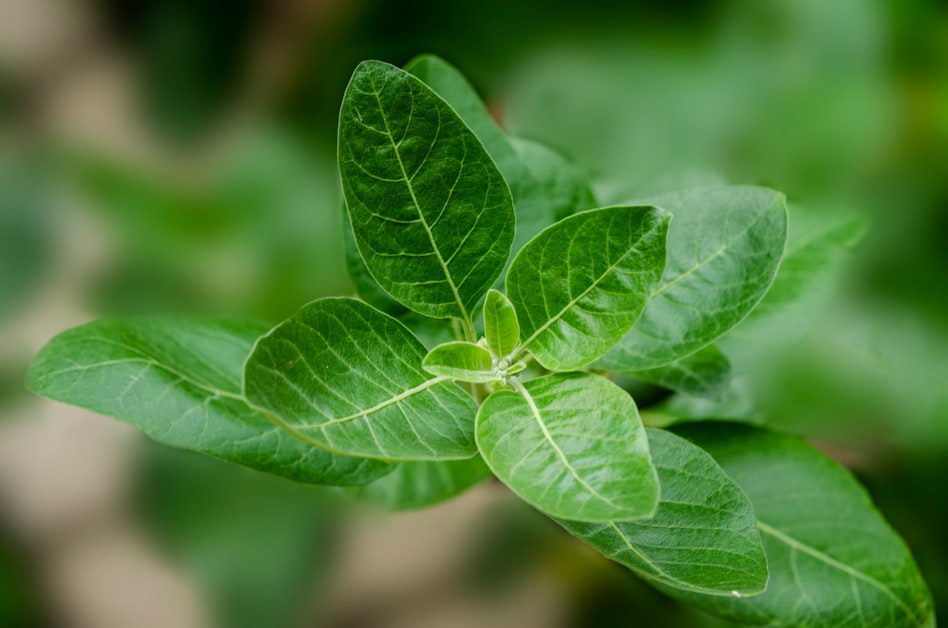
Ashwagandha (Withania somnifera) is an evergreen shrub native to India, the Middle East, and parts of Africa. It has been used in Ayurvedic medicine for over 3,000 years as an adaptogen – a compound that helps the body resist physical and psychological stress without stimulating or sedating it. The name translates loosely from Sanskrit as “smell of horse,” referring to the distinctive odor of its roots.
The active compounds responsible for most of ashwagandha’s effects are called withanolides, a group of steroidal lactones concentrated in the root. These compounds interact with the body’s stress response system at multiple levels, which is why the same supplement can reduce cortisol, improve sleep, ease anxiety, and support physical endurance without being either a stimulant or a sedative.
The National Institutes of Health Office of Dietary Supplements reviewed the clinical evidence on ashwagandha and concluded that multiple trials support its use for stress and anxiety reduction, with improvements in sleep quality as a secondary benefit. Cleveland Clinic similarly notes that the most reliable evidence for ashwagandha centers on stress, anxiety, and sleep – and that standardized extracts are necessary for reproducible results. This places ashwagandha in a relatively small category of supplements where the research matches the marketing claims.
If you are building a supplement protocol specifically for stress and sleep, magnesium glycinate for sleep and anxiety pairs well with ashwagandha – each targets different physiological pathways, so they complement rather than duplicate each other.
Ashwagandha Benefits for Stress: The Cortisol Connection
Understanding ashwagandha benefits for stress and anxiety requires looking at the hypothalamic-pituitary-adrenal (HPA) axis. The most direct mechanism behind ashwagandha benefits for stress and anxiety is its effect on this system – the hormonal system that controls cortisol release. When you encounter a stressor, the HPA axis triggers cortisol secretion. In people under chronic stress, this system becomes dysregulated: cortisol stays elevated for longer, the body becomes less sensitive to its own feedback signals, and the nervous system remains stuck in a low-grade alert state even at rest.
Ashwagandha’s withanolides help recalibrate this system. A double-blind, randomized controlled trial published in Medicine found that participants taking 240 mg of ashwagandha extract daily for 60 days experienced a 23% reduction in morning cortisol levels compared to placebo. A separate study in the Indian Journal of Psychological Medicine using 300 mg twice daily found cortisol reductions of up to 27.9%, along with a 44% reduction in perceived stress scores on validated scales.
These are not trivial improvements. A 27% cortisol reduction means the body is spending significantly less time in physiological overdrive after stressors, which has downstream effects on sleep quality, immune function, blood pressure, and mood stability. The mechanism is not sedation – people on ashwagandha do not feel dulled. The supplement appears to sharpen the HPA axis’s off-switch rather than suppressing the stress response entirely.
Research published in Nutrients also found that ashwagandha reduced scores on the Depression Anxiety Stress Scale by 62% over 8 weeks in participants with moderate stress levels, compared to 13% in the placebo group. Consistent with how adaptogens work generally, the benefit was more pronounced in people who started with higher baseline stress.
Ashwagandha for Anxiety: How It Calms the Nervous System
While the cortisol pathway explains ashwagandha’s anti-stress effects, its anti-anxiety action involves additional mechanisms – including direct effects on GABA signaling in the brain.
Withanolides have been shown to modulate GABA-A receptors, the same receptors targeted by benzodiazepines and alcohol, though through a different and far gentler mechanism. This helps explain why ashwagandha produces a calming effect without the sedation, dependency risk, or cognitive blunting associated with pharmaceutical anxiolytics. It essentially turns up the brain’s own calming signal rather than forcing it with a chemical override.
A 2019 double-blind trial published in Medicine tested 240 mg of standardized ashwagandha extract against placebo in 60 adults with mild-to-moderate anxiety. After 60 days, the ashwagandha group showed a 59% reduction in anxiety scores on the Hamilton Anxiety Rating Scale. Sleep quality improved by 72% in the same group, reflecting the overlap between anxiety reduction and better sleep onset. The placebo group showed 11% improvement – a modest but real response that confirms the high quality of the study design.
Crucially, the anxiety-reducing effects appear most consistent in people with stress-induced anxiety – the kind driven by work overload, life transitions, or ongoing low-level pressure – rather than clinical anxiety disorders with a strong genetic or neurological basis. If your anxiety is rooted in chronic overactivation of the stress response, ashwagandha addresses the root cause directly. If it involves panic disorder or OCD, the research is less clear and professional treatment remains primary.
For a complete behavioral strategy alongside supplementation, see how to reduce anxiety without medication – the combined approach consistently outperforms either alone in the research literature.
KSM-66 vs Sensoril vs Generic Root: Which Form Actually Works

Not all ashwagandha supplements are equivalent, and choosing the wrong product is why many people experience no ashwagandha benefits for stress and anxiety at all. The clinical trials showing meaningful stress and anxiety reductions used standardized root extracts – not whole root powder, not leaf extracts, and not generic proprietary blends that do not disclose withanolide content. Choosing the wrong form is the single most common reason people try ashwagandha and report no effect.
KSM-66 – the most extensively studied branded ashwagandha extract, standardized to at least 5% withanolides from root only. KSM-66 is used in the majority of positive clinical trials and is considered the gold standard for stress, anxiety, and physical performance applications. Backed by 24 clinical trials as of 2025.
Sensoril – standardized to at least 10% withanolides and 32% oligosaccharides from both root and leaf. Higher withanolide percentage on the label, but the leaf extraction changes the compound profile. Sensoril is more commonly studied for cognitive performance and sleep. For stress and anxiety specifically, KSM-66 has a stronger evidence base.
Shoden – standardized to 35% withanolides, making it the highest-potency extract available. Effective at lower doses (120 mg vs the typical 300-600 mg for KSM-66). Fewer trials than KSM-66 but the existing research shows comparable stress and anxiety reduction at smaller capsule sizes.
Generic root powder – unspecified withanolide content, often as low as 1-2%. These are the cheapest supplements and also the most likely to underperform. If a label does not specify the withanolide percentage and the branded extract type, assume it is generic root powder and treat the dosage numbers as unreliable.
Bottom line: for ashwagandha benefits for stress and anxiety, look for KSM-66 or Sensoril with the withanolide percentage clearly stated. Everything else is a gamble on potency.
If you are building a broader supplement stack for immune and stress support, the top 5 supplements for immune health covers complementary options worth considering.
Dosage Guide by Goal
Dosage is one of the most frequently misunderstood variables when pursuing ashwagandha benefits for stress and anxiety. The following ranges are based on clinical trial protocols using standardized extracts:
- Stress and cortisol reduction: 300 to 600 mg KSM-66 daily, split into two doses (morning and evening). Most cortisol trials use this range. Starting lower (300 mg) and assessing after 4 weeks is sensible for first-time users.
- Anxiety reduction: 240 to 600 mg standardized extract daily. The 2019 Medicine trial used 240 mg once daily and produced the 59% anxiety reduction. Higher doses have not consistently produced proportionally greater anxiety reduction.
- Sleep quality improvement: 300 to 600 mg Sensoril or KSM-66, taken 1 to 2 hours before bed. The glycowithanolides in ashwagandha support sleep through GABA modulation; evening dosing amplifies this effect.
- Physical recovery and endurance: 500 to 600 mg KSM-66 daily. Most athletic performance trials use this range, typically taken post-workout.
One important label note: many ashwagandha products list a large total capsule weight (e.g., 1,000 mg per serving) but only a fraction is the standardized extract – the rest may be filler or whole root powder. Always read the Supplement Facts panel for the specific extract amount and the withanolide percentage. A 300 mg KSM-66 capsule outperforms a 1,000 mg generic root capsule every time.
The Tolerable Upper Intake Level for ashwagandha has not been formally established by regulatory bodies, but most research suggests doses above 600 mg of standardized extract per day carry increasing risk of gastrointestinal side effects without proportionally greater benefit for stress or anxiety.
How Long Before You Feel It
One of the most common questions about ashwagandha benefits for stress and anxiety is how quickly the effects kick in. Ashwagandha is not a fast-acting supplement. It is not the herbal equivalent of a benzodiazepine. It works by gradually recalibrating a stress response system that took months or years to become dysregulated.
Realistic timeline based on clinical trial data:
- Week 1-2: Most people notice nothing significant. Some report marginally improved sleep quality or reduced physical tension. These early signals suggest the supplement is being absorbed correctly, but tissue-level changes have not yet accumulated.
- Week 4: The majority of trials begin measuring outcomes at 4 weeks and find meaningful improvements in stress and anxiety at this point. Cortisol-related changes – better stress recovery, less reactive to minor stressors – often become noticeable here.
- Week 8-12: Full effects. The largest reductions in anxiety scores, cortisol levels, and sleep quality improvements appear in 8 to 12 week data. Most trials run for this duration before concluding.
People who try ashwagandha for two weeks and report no effect have simply not given it enough time. Conversely, people who feel dramatically different after three days are likely experiencing a placebo response – not inherently harmful, but worth knowing so expectations are calibrated correctly. Daily consistency over 8 weeks is what the evidence supports, not intermittent use or short trials.
Who Should Avoid Ashwagandha
Ashwagandha benefits for stress and anxiety come with a favorable safety profile in healthy adults, but several populations should use caution or avoid it entirely.
Pregnant women: Ashwagandha has traditional use as a uterine stimulant and has been associated with miscarriage risk in some animal studies. Avoid during pregnancy entirely.
People with thyroid disorders: Ashwagandha can increase thyroid hormone production (T3 and T4). For people with hyperthyroidism or those taking thyroid medication, this can cause dangerous over-stimulation. Anyone with a thyroid condition should consult their doctor before starting.
Autoimmune conditions: As an immune-modulating herb, ashwagandha may amplify immune activity in ways that worsen autoimmune conditions such as lupus, rheumatoid arthritis, or multiple sclerosis. Avoid or use under medical supervision only.
Liver disease: Multiple case reports have linked high-dose ashwagandha use (particularly with non-standardized supplements) to drug-induced liver injury. People with existing liver disease, or anyone taking hepatotoxic medications, should avoid ashwagandha or use only verified low-dose standardized extracts under physician guidance.
Before surgery: Ashwagandha may potentiate sedative medications and slow the central nervous system. Stop use at least two weeks before any planned surgery or procedure involving anesthesia.
For most healthy adults at standard doses (300-600 mg of standardized extract), the most commonly reported side effects are mild gastrointestinal discomfort and drowsiness – both of which typically resolve by taking it with food or shifting the dose to the evening.
Frequently Asked Questions
How long does ashwagandha take to work for anxiety?
Ashwagandha benefits for stress and anxiety build gradually. Most people begin noticing reduced anxiety and stress reactivity around 4 weeks of daily use, with full effects appearing at 8 to 12 weeks. Clinical trials consistently show the largest anxiety score reductions at the 8-week mark. Single-dose effects do exist – some people notice calmer sleep quality earlier – but the sustained anti-anxiety benefit builds through consistent daily use over weeks, not days.
Can you take ashwagandha every day long-term?
Daily use is safe for most people experiencing ashwagandha benefits for stress and anxiety, with clinical trials up to 3 months showing no evidence of dependency or tolerance development. Long-term safety data beyond 3 months is limited, which is why many practitioners recommend cycling – taking it for 2 to 3 months, then taking a 2 to 4 week break before resuming. This is precautionary rather than evidence-based necessity, but it is a reasonable approach given the limited long-term data.
Is ashwagandha better in the morning or at night?
To maximize ashwagandha benefits for stress and anxiety, timing matters. For stress and cortisol reduction, splitting the dose between morning and evening mirrors the HPA axis’s natural cortisol rhythm and covers both daytime stress reactivity and overnight recovery. For sleep specifically, a single dose 1 to 2 hours before bed is more effective. If you find ashwagandha makes you drowsy, move the full dose to evening. If it causes any stimulating effect (uncommon but reported), shift to a morning-only dose.
Is KSM-66 or Sensoril better for anxiety?
KSM-66 has more clinical trials specifically on anxiety and stress and is the form used in the studies showing 59% anxiety reduction. Sensoril has a higher withanolide percentage and stronger evidence for cognitive support and sleep. For anxiety as the primary goal, KSM-66 is the evidence-backed choice. If sleep is equally important alongside anxiety, Sensoril taken in the evening is worth considering – or take KSM-66 morning and Sensoril evening if your supplement budget allows both.
Can ashwagandha cause anxiety in some people?
Paradoxically, yes – though this is uncommon. For most users ashwagandha benefits for stress and anxiety are clear within 4-8 weeks. A small subset report increased anxiety, heart palpitations, or restlessness, particularly when starting at higher doses. This is most common with non-standardized supplements that have inconsistent potency, or when taking ashwagandha on an empty stomach. Starting at 150 to 300 mg with food and gradually increasing after 2 weeks minimizes this risk. If anxiety worsens after two weeks of consistent low-dose use, discontinue and consult a healthcare provider.
Ashwagandha Benefits for Stress and Anxiety: Is It Worth Taking?
The evidence for ashwagandha benefits for stress and anxiety is among the strongest available for any non-prescription supplement. Multiple well-designed trials consistently show 23 to 62% reductions in cortisol, stress scores, and anxiety measures with standardized extract doses between 240 and 600 mg daily. These are meaningful numbers – not statistical noise from underpowered studies.
The caveats matter equally. Form selection is critical – KSM-66 or Sensoril with disclosed withanolide content is what the research used, not generic root powder. The timeline is slow by pharmaceutical standards – commit to 8 weeks of daily use before evaluating results. And certain populations (pregnant, thyroid conditions, autoimmune disease, liver disease) should not use it without medical clearance.
For healthy adults dealing with stress-driven anxiety, poor sleep, and a nervous system that cannot seem to downregulate after daily demands, ashwagandha is one of the most evidence-supported natural tools available. It works best as part of a broader approach – consistent sleep, stress management practices, and where appropriate, additional nutritional support such as magnesium glycinate for sleep alongside the adaptogen.
Start at 300 mg of KSM-66 daily with food. Give it 8 weeks. Track your sleep quality and stress reactivity – not just your subjective anxiety level, which can fluctuate with life events. Most people who complete that protocol notice a meaningful difference. Most people who give up after two weeks do not – and never know what they would have found.
Medical disclaimer: This article is for informational purposes only and does not constitute medical advice. Always consult a qualified healthcare professional before starting any new supplement, especially if you have a thyroid condition, autoimmune disease, liver disease, or take prescription medications. Do not use this information to diagnose or treat any health condition.