
 Lifestyle
 Food & Nutrition
 Fitness

Finding the best probiotics for gut health means looking beyond the marketing and understanding which strains are actually backed by clinical research. Not all probiotics are created equal – a product with 50 billion CFU of ineffective strains will outperform one with 5 billion CFU of the wrong organisms for your specific issue.
This guide breaks down the best probiotics for gut health by strain, condition, and what to actually look for on a label, so you stop wasting money on supplements that do nothing for your microbiome.
- 1 What Are Probiotics and How Do They Support Gut Health?
- 2 The Best Probiotic Strains for Gut Health by Condition
- 3 How to Read a Probiotic Label: What Actually Matters
- 4 Probiotic Foods vs Supplements: Which Is Better?
- 5 When and How to Take Probiotics for Maximum Gut Benefit
- 6 Why Women Have Unique Probiotic Needs for Gut Health
- 7 Frequently Asked Questions About the Best Probiotics for Gut Health
- 8 The Bottom Line: Best Probiotics for Gut Health
What Are Probiotics and How Do They Support Gut Health?

Probiotics are live microorganisms that, when consumed in adequate amounts, confer a health benefit on the host. Your gut houses roughly 38 trillion bacteria across hundreds of species, a community collectively called the gut microbiome. When this ecosystem is balanced, it supports digestion, nutrient absorption, immune response, and even mood regulation through the gut – brain axis.
When the microbiome is disrupted, whether by antibiotics, stress, poor diet, or illness, the balance tips toward harmful bacteria. This dysbiosis drives bloating, irregular bowel movements, lowered immunity, and systemic inflammation. The best probiotics for gut health work by reinforcing beneficial bacterial populations and suppressing pathogenic ones, restoring equilibrium rather than simply adding more bacteria to an already crowded ecosystem.
A 2025 review published by researchers citing Healthline found that probiotics may help treat IBS, lactose intolerance, gastrointestinal infections, ulcerative colitis, and Crohn’s disease, while also managing bloating, diarrhea, and abdominal pain. The key variable in every successful study is strain specificity – not total CFU count.
The Best Probiotic Strains for Gut Health by Condition
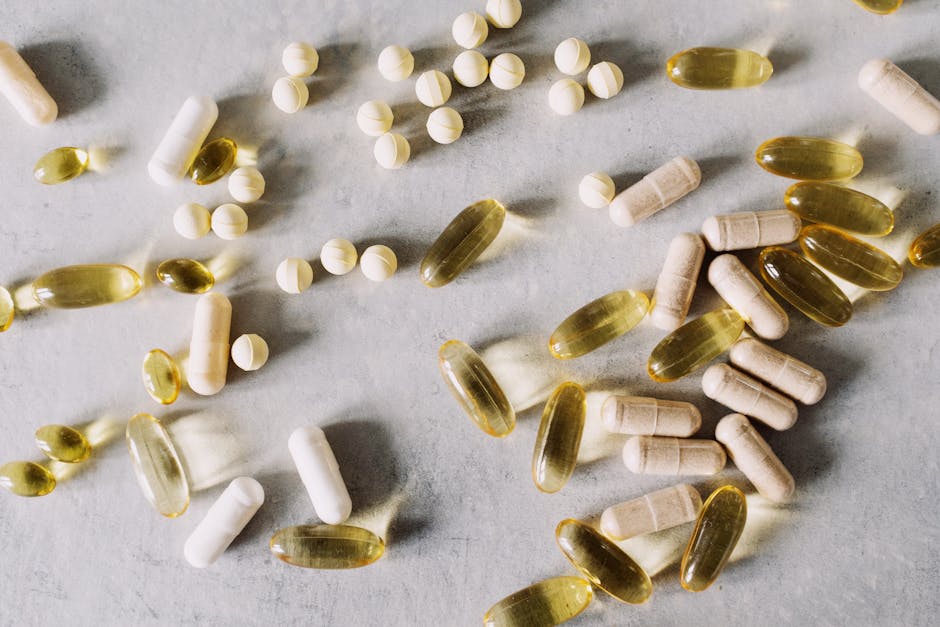
The best probiotics for gut health are not one – size – fits – all. Here is what the clinical evidence supports for specific gut concerns:
For IBS (Irritable Bowel Syndrome)
IBS affects an estimated 10 – 15% of adults globally, with women twice as likely to be diagnosed. The strains with the strongest evidence include:
- Lactobacillus plantarum 299v – Reduces abdominal pain and bloating in IBS patients in multiple randomized controlled trials
- Bifidobacterium infantis 35624 – Developed by gastroenterologists; consistently reduces IBS symptoms including pain, bloating, and bowel movement difficulty
- Lactobacillus rhamnosus GG (LGG) – Broad – spectrum IBS symptom relief with an excellent safety record across decades of research
For Bloating and Gas
Chronic bloating often stems from bacterial fermentation of undigested food in the colon. The best probiotics for gut health targeting bloating are:
- Bifidobacterium lactis – Reduces bloating and improves transit time in healthy adults and those with IBS
- Streptococcus thermophilus – Improves lactose digestion, cutting dairy – related gas significantly
- Saccharomyces boulardii – A beneficial yeast (not a bacterium) with strong evidence for diarrhea prevention and gut barrier support
For Antibiotic Recovery
Antibiotics wipe out beneficial bacteria alongside harmful ones, often causing antibiotic – associated diarrhea (AAD). The Mayo Clinic recommends probiotics during and after antibiotic courses. Best strains:
- Saccharomyces boulardii – Survives antibiotic treatment (as a yeast, it is unaffected by antibacterial drugs) and prevents AAD in adults and children
- Lactobacillus rhamnosus GG – Reduces AAD risk by up to 60% when taken within 2 days of starting antibiotics
For General Gut Health and Immune Support
For daily maintenance, the best probiotics for gut health include multi – strain formulas combining:
- Lactobacillus acidophilus – Produces lactic acid that acidifies the gut environment, making it hostile to pathogens
- Bifidobacterium longum – Reduces gut inflammation and supports immune cell activity
- Lactobacillus reuteri – Supports gut barrier integrity, reduces intestinal permeability (leaky gut), and has antimicrobial properties
How to Read a Probiotic Label: What Actually Matters

Most people choosing the best probiotics for gut health focus on CFU count, the number most prominently displayed on packaging. This is the wrong metric to optimize for. Here is what matters:
1. Strain Specificity
A quality label lists the full strain name, not just species. “Lactobacillus rhamnosus” is a species; “Lactobacillus rhamnosus GG” is a specific clinically studied strain. If the label only lists species without strain designations, the product is not backed by specific research.
2. CFU at Expiration, Not at Manufacture
Many probiotics have high CFU counts at the time of manufacture but lose viability during shelf life. Look for labels that guarantee CFU count at expiration date, not just “at time of manufacture.”
3. Delivery System
Stomach acid destroys many probiotic strains before they reach the intestines. The best probiotics for gut health use enteric – coated capsules, BIO – tract technology, or acid – resistant strains to ensure live delivery to the colon where they are needed.
4. Third – Party Testing
Probiotic supplements are not FDA – regulated for potency or purity. NSF Certified, USP verified, or Informed Sport certified products have been independently tested. This is non – negotiable for knowing you are getting what the label claims.
5. Prebiotic Inclusion
Some of the best probiotics for gut health include prebiotics, indigestible fibers that feed beneficial bacteria. Formulations combining both (called synbiotics) often outperform probiotics alone, as the prebiotics give the new bacteria a food source to establish themselves.
Probiotic Foods vs Supplements: Which Is Better?

Fermented foods are among the best probiotics for gut health you can consume because they come packaged with nutrients, enzymes, and cofactors that isolated supplements lack. Key probiotic foods include:
- Kefir – Contains 30+ bacterial and yeast strains at naturally occurring concentrations; more diverse than most supplements
- Plain yogurt with live cultures – Provides Lactobacillus bulgaricus and Streptococcus thermophilus at minimum; look for “live and active cultures” seal
- Sauerkraut and kimchi – Lacto – fermented vegetables rich in Lactobacillus species; buy refrigerated, not shelf – stable pasteurized versions
- Miso and tempeh – Fermented soy products with Bacillus subtilis and various Lactobacillus strains
- Kombucha – Fermented tea with S. boulardii and Lactobacillus; highly variable potency between brands
The case for supplements is practical: food sources provide inconsistent strain quantities and require daily consumption of fermented foods, which many people find challenging. For specific therapeutic goals (IBS, antibiotic recovery, diagnosed dysbiosis), targeted supplement strains at guaranteed doses are more reliable than food sources alone.
According to the NIH Office of Dietary Supplements, both food sources and supplements can contribute to gut microbial diversity, and the two approaches are complementary rather than competing.
When and How to Take Probiotics for Maximum Gut Benefit
Even the best probiotics for gut health will underperform if taken incorrectly. Research shows timing matters:
- With or before meals – Stomach acid is lower just before eating than on an empty stomach. Taking probiotics 20 – 30 minutes before or at the start of a meal improves survival through the gastric environment by 4 – 6 times compared to taking on an empty stomach
- Not with hot food or drink – Temperatures above 45°C kill most probiotic strains; take with room – temperature water
- During antibiotic courses – Take probiotics 2+ hours away from antibiotic doses to prevent the antibiotic from directly killing the probiotic organisms
- Consistently for at least 4 – 8 weeks – Probiotic colonization takes time; short – term use rarely produces lasting results
Stress directly disrupts the gut microbiome through cortisol’s effect on intestinal permeability and motility. For women managing high stress alongside gut issues, combining the best probiotics for gut health with ashwagandha for stress addresses both ends of the gut – brain axis simultaneously. Similarly, magnesium glycinate supports gut motility and reduces the anxiety – driven bowel irregularity many women experience.
Why Women Have Unique Probiotic Needs for Gut Health
Women are significantly more likely than men to experience IBS, bloating, and gut – related mood disruption. Several biological factors drive this:
- Estrogen and progesterone directly influence gut motility – hormonal fluctuations during the menstrual cycle, perimenopause, and menopause cause predictable digestive changes
- Women have longer colons on average, increasing transit time and fermentation exposure
- The gut – vaginal microbiome connection means gut dysbiosis and vaginal dysbiosis often occur together
- Stress responsiveness through the HPA axis is more pronounced in women, amplifying gut – brain axis disruptions
The best probiotics for gut health in women going through hormonal transitions include strains from the Lactobacillus family (particularly L. rhamnosus and L. reuteri), which support both gut and vaginal microbiome balance. For women over 40, consider pairing probiotics with the best multivitamin for women over 40, as nutrient deficiencies (particularly zinc and vitamin D) impair gut immune function. B12 absorption also depends heavily on gut health – see how B12 deficiency signs in women often trace back to gut absorption failures.
Frequently Asked Questions About the Best Probiotics for Gut Health
How long does it take for probiotics to improve gut health?
Most people notice improvements in bloating and bowel regularity within 1 – 4 weeks of taking the best probiotics for gut health consistently. IBS symptom reduction typically requires 4 – 8 weeks of daily supplementation. Gut microbiome composition changes, measurable through stool testing, take 2 – 3 months to fully reflect consistent probiotic use. The key is not skipping doses, as probiotic bacteria do not permanently colonize the gut and must be replenished regularly.
Can you take too many probiotics?
For healthy adults, probiotic overconsumption is rarely a clinical concern. Excessive doses (many billions of CFU) may cause temporary bloating, gas, or loose stools as the gut microbiome adjusts. In immunocompromised individuals, however, there is a theoretical risk of bacterial translocation, so people with serious immune conditions should consult their doctor before using the best probiotics for gut health at high doses. For most healthy adults, 5 – 50 billion CFU daily is well within safe parameters.
Do probiotics need to be refrigerated?
Not necessarily. Refrigeration requirements depend on the specific strains and manufacturing process. Many modern shelf – stable formulations use protective coatings or lyophilization (freeze – drying) that maintain viability at room temperature. Refrigerated probiotics are not inherently superior – what matters is whether the product guarantees CFU viability at expiration, which quality brands do regardless of storage requirements.
Should you take probiotics with or without food?
Take the best probiotics for gut health with or just before meals. Research shows stomach pH is less acidic around mealtimes, improving bacterial survival rates through the gastric environment by a factor of 4 – 6 compared to taking on an empty stomach. Avoid taking with very hot beverages (above 45°C), which can kill heat – sensitive strains. Fat – containing meals may further support survival of some Lactobacillus strains.
Are probiotics safe during pregnancy?
The majority of probiotic research in pregnancy shows a good safety profile, with Lactobacillus and Bifidobacterium strains considered generally safe. Some studies show benefits for gestational diabetes risk and reducing infant eczema incidence. However, pregnant women should always confirm supplement choices with their OB – GYN, particularly if using high – dose products or less – studied strains. Saccharomyces boulardii is typically avoided during pregnancy as limited data exists for this yeast strain in expectant mothers.
The Bottom Line: Best Probiotics for Gut Health
The best probiotics for gut health are strain – specific, third – party tested, and matched to your particular digestive concern. CFU count is secondary to strain identity. For IBS, L. plantarum 299v and B. infantis 35624 lead the evidence base. For antibiotic recovery, S. boulardii is the standout choice. For general daily gut maintenance, multi – strain formulas combining Lactobacillus and Bifidobacterium species at 10 – 30 billion CFU daily cover the most ground.
Take your probiotic with or before meals, be consistent for at least 4 – 8 weeks, and combine with a diet rich in prebiotic fibers (onions, garlic, leeks, Jerusalem artichokes, green bananas) to give your beneficial bacteria the fuel they need to thrive. The best probiotics for gut health work best when paired with the lifestyle conditions that support a healthy microbiome, not as a shortcut around poor diet and high stress.
For full gut – immune support, combine probiotics with omega 3 fish oil to reduce gut inflammation, and ensure your magnesium intake is adequate, as magnesium deficiency directly impairs gut motility and the microbiome diversity that probiotics work to restore.
Medical Disclaimer: This article is for informational purposes only and does not constitute medical advice. If you have a diagnosed gut condition such as IBD, Crohn’s disease, or SIBO, consult a gastroenterologist before starting probiotic supplementation. Probiotic needs vary significantly by individual health status and condition.