
 Lifestyle
 Food & Nutrition
 Fitness
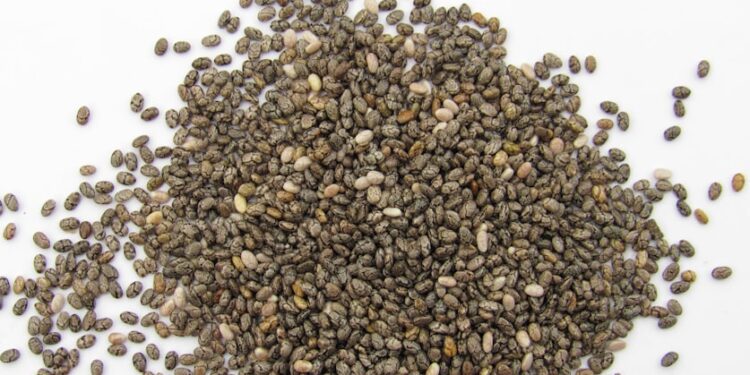
The chia seeds omega boost benefits you get from just two tablespoons a day are surprisingly well-supported by science, yet most people have no idea how much omega-3 fatty acid they’re actually getting from this tiny seed. Chia seeds are one of the richest plant-based sources of alpha-linolenic acid (ALA), the short-chain omega-3 that your body uses to support heart function, reduce systemic inflammation, and keep your brain running smoothly. If you’ve been looking for an easy, affordable way to up your omega-3 intake without eating fish every day, chia seeds deserve a serious look.
Unlike fish oil capsules, chia seeds come packaged with fiber, protein, calcium, and antioxidants. You’re not just getting omega-3s — you’re getting a full nutritional profile that works together. That synergy matters, especially for anyone managing inflammation-related conditions, cardiovascular risk factors, or just trying to eat smarter without overhauling their entire diet.
This guide breaks down exactly what the research says, how much you actually need, and the smartest ways to add chia seeds to your routine to get the most from them.
- 1 What Makes Chia Seeds an Omega-3 Powerhouse?
- 2 How Chia Seeds Support Heart Health
- 3 Chia Seeds and Inflammation Reduction
- 4 Brain Function and Mood Support
- 5 Gut Health and Digestive Benefits
- 6 Blood Sugar Control and Metabolic Benefits
- 7 How to Add Chia Seeds to Your Daily Diet
- 8 Chia Seeds vs. Fish Oil: Which Omega-3 Source Is Better?
- 9 Frequently Asked Questions
- 10 The Bottom Line on Chia Seeds Omega Boost Benefits
What Makes Chia Seeds an Omega-3 Powerhouse?
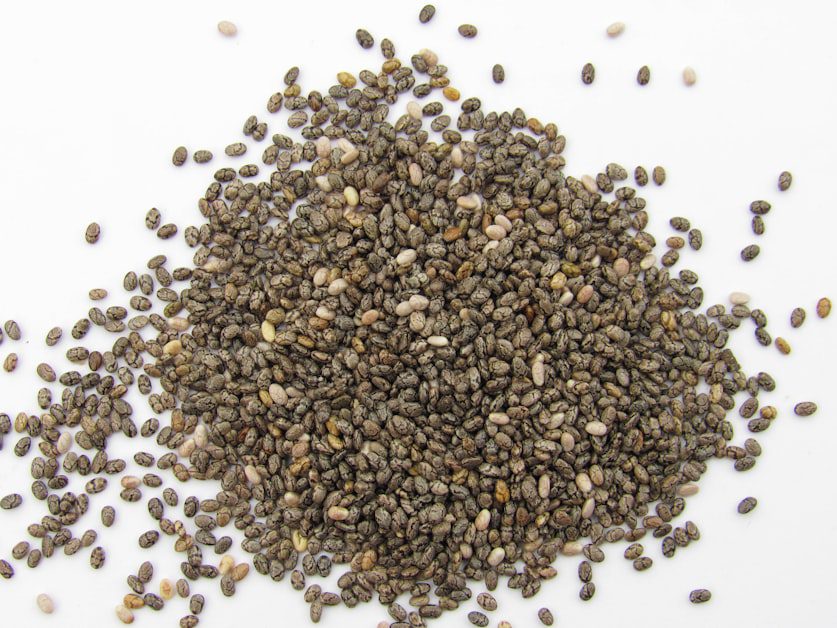
Two tablespoons (28 grams) of chia seeds deliver roughly 5 grams of ALA omega-3 fatty acids — that’s more than twice the daily adequate intake recommended for most adults. To put that in context, the same serving also contains about 10 grams of fiber, 4 grams of protein, 18% of your daily calcium needs, and a solid hit of magnesium and phosphorus.
ALA (alpha-linolenic acid) is classified as an essential fatty acid, meaning your body can’t make it on its own. You have to get it from food. While your body can convert a small percentage of ALA into the longer-chain EPA and DHA (the forms found in fatty fish), the conversion rate is modest — typically around 5-10% for EPA and less than 1% for DHA. This is worth knowing, but it doesn’t cancel out ALA’s independent benefits. ALA itself has been linked to reduced cardiovascular risk, lower triglyceride levels, and anti-inflammatory effects.
The omega-6 to omega-3 ratio in chia seeds is also worth mentioning. Most Western diets run heavily omega-6 dominant (often 15:1 or higher), which fuels chronic inflammation. Chia seeds sit at roughly a 1:3 ratio of omega-6 to omega-3, which is the opposite of most modern foods. Adding them to your diet helps push that ratio back toward balance.
How Chia Seeds Support Heart Health
One of the most studied chia seeds omega boost benefits is cardiovascular protection. Multiple clinical studies have looked at what happens when people consume chia seeds regularly, and the results are encouraging for anyone managing heart health.
A study published in the journal Nutrients found that daily chia seed consumption over 12 weeks led to significant reductions in triglyceride levels, which are a key marker for cardiovascular risk. Elevated triglycerides are directly linked to the buildup of arterial plaque, and getting them down matters. The fiber in chia seeds plays a role here too — soluble fiber binds to cholesterol in the digestive tract and helps carry it out of the body, which can contribute to better LDL cholesterol numbers over time.
The ALA in chia seeds also helps reduce platelet aggregation, which is the tendency of blood platelets to clump together and form clots. This is part of why omega-3s are associated with lower stroke and heart attack risk. The National Institutes of Health has documented the cardiovascular benefits of omega-3 fatty acids across multiple research reviews, consistently finding associations between higher omega-3 intake and reduced cardiovascular events.
Blood pressure is another area where chia seeds show promise. Some research suggests that the ALA and fiber content together may contribute to modest reductions in systolic blood pressure, particularly in people who are already eating a nutrient-poor diet.
Chia Seeds and Inflammation Reduction
Chronic low-grade inflammation sits at the root of most serious modern health conditions — from type 2 diabetes to autoimmune disease to cardiovascular disease. The omega-3 fatty acids in chia seeds work at the cellular level to counteract this process.
ALA is converted in the body into anti-inflammatory compounds called resolvins and protectins (via EPA and DHA intermediates). These signaling molecules literally instruct your immune cells to stand down and stop producing inflammatory cytokines. It’s not a quick fix, but over weeks and months of consistent intake, the cumulative effect can be meaningful.
Chia seeds also contain quercetin and kaempferol, two flavonoid antioxidants that have their own direct anti-inflammatory effects. Quercetin in particular has been studied for its ability to inhibit histamine release and reduce the production of inflammatory prostaglandins. When you combine the omega-3s with these antioxidants, you’re getting a multi-angle approach to inflammation management in one small seed.
For people dealing with joint pain, back pain, or inflammatory conditions, adding chia seeds won’t replace medication — but it’s a genuinely useful dietary tool to build into an anti-inflammatory eating pattern. If you’re also working on an anti-inflammatory morning routine for back pain, chia seeds fit naturally into that approach.
Brain Function and Mood Support

Your brain is roughly 60% fat by dry weight, and omega-3 fatty acids are a critical structural component of neuronal cell membranes. When omega-3 intake is chronically low, cognitive function, mood regulation, and even memory consolidation can take a hit.
Research published in the Journal of Nutritional Biochemistry and other peer-reviewed outlets has consistently associated higher omega-3 status with lower rates of depression and anxiety. While most of the well-designed studies focus on EPA and DHA (from fish or algae), ALA-rich diets have also been linked to better mood outcomes, particularly in populations with low baseline omega-3 intake — which describes most people eating a standard Western diet.
There’s also emerging research on omega-3s and BDNF (brain-derived neurotrophic factor), a protein that acts like fertilizer for brain cells. Higher BDNF levels are associated with better learning, memory, and resilience against neurodegenerative conditions. Animal studies have shown that omega-3 deficiency significantly reduces BDNF expression, and supplementation can restore it.
For people looking to protect cognitive health as they age, the chia seeds omega boost benefits for the brain are a compelling reason to make them a daily staple.
Gut Health and Digestive Benefits
Chia seeds are one of the easiest ways to dramatically increase your daily fiber intake. That 10 grams per two-tablespoon serving is split between soluble and insoluble fiber, and both types matter for gut health.
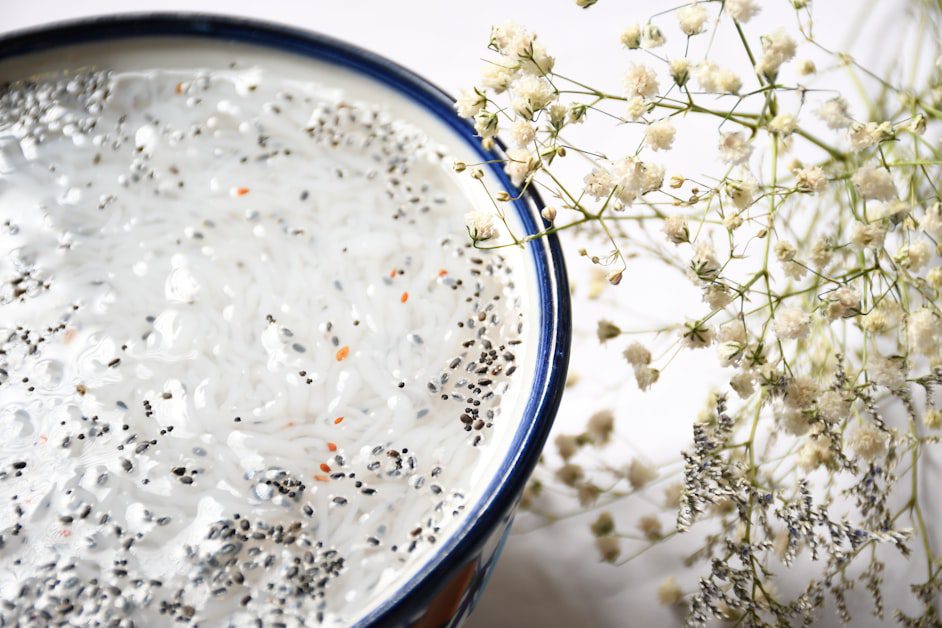
The soluble fiber in chia seeds absorbs water and forms a gel (you’ve seen this if you’ve ever made chia pudding). This gel slows digestion, which has two key effects: it stabilizes blood sugar by slowing glucose absorption, and it feeds the beneficial bacteria in your large intestine. These bacteria — your gut microbiome — ferment the fiber into short-chain fatty acids like butyrate, which is the primary fuel source for the cells lining your colon. A well-fed gut lining means better barrier integrity, which reduces the risk of intestinal permeability issues that are associated with systemic inflammation.
The insoluble fiber adds bulk to stool and promotes regular bowel movements, which keeps your digestive transit time healthy. Slow transit time is associated with increased exposure to carcinogens in the colon — so getting things moving is genuinely important for long-term health. If you’re focused on improving gut health naturally, chia seeds are one of the most effective tools you have.
Blood Sugar Control and Metabolic Benefits
One of the most underrated chia seeds omega boost benefits is their effect on blood sugar regulation. The combination of fiber, protein, fat, and slow-digesting carbohydrates makes chia seeds one of the lowest-glycemic foods you can eat.
When you add chia seeds to a meal, the gel-forming soluble fiber creates a physical barrier that slows the rate at which digestive enzymes can access carbohydrates. This blunts the post-meal blood sugar spike that would otherwise occur. For people with insulin resistance, prediabetes, or type 2 diabetes, this is a practical and meaningful benefit.
A clinical trial published in the European Journal of Clinical Nutrition found that incorporating chia seeds into a high-carbohydrate meal significantly reduced the glycemic response compared to the same meal without chia seeds. Participants also reported greater satiety, meaning they felt full longer after the chia-containing meal.
This satiety effect matters beyond just blood sugar. When you feel full longer, you’re less likely to reach for high-calorie snacks between meals. For anyone managing weight or working on reducing overall calorie intake, the hunger-suppressing properties of chia seeds make them a useful addition to the diet. You can find more practical strategies in our guide to high-protein snacks under 300 calories that pair well with chia-based meals.
How to Add Chia Seeds to Your Daily Diet
The simplest way to start is chia pudding: mix two tablespoons of chia seeds with 200ml of your preferred milk, stir, refrigerate overnight, and eat in the morning. You can add berries, a drizzle of honey, or a spoonful of nut butter to make it a complete breakfast. It takes about 90 seconds to prepare.
If pudding isn’t your style, you can stir chia seeds directly into yogurt, oatmeal, smoothies, or even a glass of water with lemon juice. They’re tasteless and nearly invisible in most foods, which makes them one of the easiest supplements to actually stick with.
Ground chia seeds absorb more quickly and may offer slightly better digestibility for some people, though whole chia seeds work perfectly well for most. If you’re buying ground, store them in the fridge to prevent the omega-3 fats from oxidizing. Whole seeds stored at room temperature stay fresh for up to two years due to their high antioxidant content, which naturally protects the oils.
Start with one tablespoon per day if you’re not used to high-fiber foods, and work up to two tablespoons over a week or two. Jumping straight to high fiber intake can cause bloating if your gut isn’t adapted to it yet. Also, drink plenty of water — chia seeds expand significantly in your digestive tract and need adequate hydration to move comfortably through your system.
Chia Seeds vs. Fish Oil: Which Omega-3 Source Is Better?
This is a question that comes up constantly, and the honest answer is: they’re different tools for different goals.
Fish oil delivers pre-formed EPA and DHA, which your body can use immediately without any conversion step. The research base for EPA and DHA is larger and more specific, particularly for cardiovascular outcomes and cognitive benefits. The American Heart Association recommends eating fatty fish at least twice a week, or using supplemental omega-3s when dietary intake is insufficient.
Chia seeds deliver ALA, which requires conversion to EPA and DHA. The conversion rate is limited, but chia seeds bring a lot of additional nutritional value — fiber, protein, calcium, antioxidants — that fish oil doesn’t provide. For vegans, vegetarians, or anyone who can’t tolerate fish oil, chia seeds are an excellent primary omega-3 source.
The best approach for most people is to use chia seeds as a daily foundation and include fatty fish (salmon, mackerel, sardines) two or three times per week for direct EPA and DHA. If you don’t eat fish, algae-based omega-3 supplements (which provide pre-formed DHA and EPA from the same source fish eat) are worth considering alongside your chia seed intake.
Frequently Asked Questions
How much chia seeds do I need to eat to get omega-3 benefits?
Two tablespoons (about 28 grams) per day is the standard serving size and provides approximately 5 grams of ALA omega-3 fatty acids. This exceeds the adequate intake for most adults. You don’t need more than this — more fiber and fat isn’t always better, and sticking to one to two tablespoons daily gives you the benefits without overloading your digestive system. Consistency matters more than the amount. Eating a small amount every day is more effective than large amounts sporadically.
Can chia seeds replace fish oil supplements?
They can reduce your dependence on fish oil, but they’re not a perfect like-for-like replacement for the specific EPA and DHA found in fish oil. Chia seeds deliver ALA, which your body converts to EPA and DHA at a limited rate. For people who don’t eat fish, combining chia seeds with an algae-based DHA supplement covers the full omega-3 spectrum without any animal products. For omnivores, eating fatty fish two to three times per week alongside daily chia seeds gives you the best of both sources.
How long does it take to notice the chia seeds omega boost benefits?
Most people don’t notice dramatic overnight changes, and that’s normal. Anti-inflammatory and cardiovascular benefits tend to build over weeks of consistent intake. Some people notice improved digestion within a few days due to the fiber content — particularly more regular bowel movements and reduced bloating if their previous diet was low in fiber. Blood markers like triglycerides typically show measurable improvement after 8 to 12 weeks of daily consumption, based on clinical trial data. Think of chia seeds as a long-term investment, not a quick fix.
Are there any side effects to eating chia seeds every day?
For most people, chia seeds are very well tolerated. The main side effect to be aware of is digestive discomfort if you increase fiber intake too quickly — bloating, gas, and loose stools can occur if your gut microbiome isn’t adapted to high fiber yet. Start with one tablespoon and increase gradually over a week or two. People on blood thinners should check with their doctor before significantly increasing omega-3 intake from any source, as omega-3 fatty acids have mild blood-thinning effects. Also, drink plenty of water throughout the day when eating chia seeds.
What’s the best time of day to eat chia seeds?
There’s no single best time — consistency matters more than timing. That said, many people find that eating chia seeds in the morning (in pudding, oatmeal, or a smoothie) helps with satiety throughout the day, reducing the urge to snack before lunch. If blood sugar management is your main goal, adding chia seeds to your largest carbohydrate-containing meal of the day will give you the most benefit by blunting the post-meal glucose spike from that specific meal.
The Bottom Line on Chia Seeds Omega Boost Benefits
Chia seeds aren’t a miracle food, but they’re one of the most genuinely useful foods you can add to your daily diet. The omega-3 content alone makes them worth including, but the combination of fiber, protein, antioxidants, and minerals on top of that ALA-rich fat profile makes them stand out from most supplements and superfoods.
The research is clear that regular chia seed consumption supports cardiovascular health, helps regulate blood sugar, reduces systemic inflammation, and promotes healthy digestion. Two tablespoons a day is all it takes, and there are dozens of easy ways to eat them without changing anything dramatic about your diet.
If you’re already eating an anti-inflammatory diet and looking to build on it, chia seeds are a smart, evidence-backed addition. Start with chia pudding tomorrow morning, stay consistent, and give it 8 to 12 weeks before judging the results. That’s how long the real benefits take to show up in your bloodwork and how you feel.
Medical Disclaimer: This content is for informational purposes only and does not constitute medical advice. Consult a qualified healthcare provider before making any health decisions.