
 Lifestyle
 Food & Nutrition
 Fitness
Using lose weight with hypothyroidism meal plans is one of the most effective ways to break through the frustrating plateau that comes with an underactive thyroid. When your thyroid underperforms, your metabolism can slow by 15 to 40 percent, making conventional diet advice completely ineffective. The right meal structure works with your thyroid hormones instead of fighting them.
According to research, 69 percent of thyroid patients report significant weight management issues, yet most receive no specific dietary guidance beyond “eat less, move more.” That advice ignores the metabolic reality of hypothyroidism. This guide gives you meal plans and food strategies built specifically for a sluggish thyroid.
Whether you’re newly diagnosed or have been managing hypothyroidism for years, these practical strategies can help you break through the plateau and start seeing results.
- 1 Why Weight Loss Is Different with Hypothyroidism
- 2 Best Foods to Eat on a Hypothyroid Meal Plan
- 3 Foods That Sabotage Thyroid Function
- 4 7-Day Plan to Lose Weight with Hypothyroidism Meal Plans
- 5 Meal Timing Strategies That Support Your Thyroid
- 6 Key Supplements to Consider
- 7 Frequently Asked Questions
- 7.1 How long does it take to lose weight with hypothyroidism on a meal plan?
- 7.2 Can I do intermittent fasting with hypothyroidism?
- 7.3 Are there specific meal plans for Hashimoto’s thyroiditis?
- 7.4 What breakfast is best for speeding up metabolism with hypothyroidism?
- 7.5 Should I track calories if I have hypothyroidism?
- 8 Conclusion
Why Weight Loss Is Different with Hypothyroidism
Your thyroid gland produces hormones T3 and T4 that regulate how fast your cells burn energy. When production drops, your resting metabolic rate falls, your gut slows down, and your body becomes extremely efficient at storing calories as fat. This is not a willpower problem. It’s physiology.
Levothyroxine (the standard medication) helps, but research shows the average weight loss from medication alone is only 5 to 10 pounds, most of it water weight. Food choices pick up where medication leaves off. Certain foods directly support thyroid hormone conversion, reduce inflammation that worsens hypothyroid symptoms, and stabilize the blood sugar spikes that trigger fat storage.
Subclinical hypothyroidism affects 3 to 15 percent of the US population, and 15 percent of women over 60 have the condition, often undiagnosed. Many people struggling with weight loss have undetected thyroid dysfunction driving the problem.
Best Foods to Eat on a Hypothyroid Meal Plan
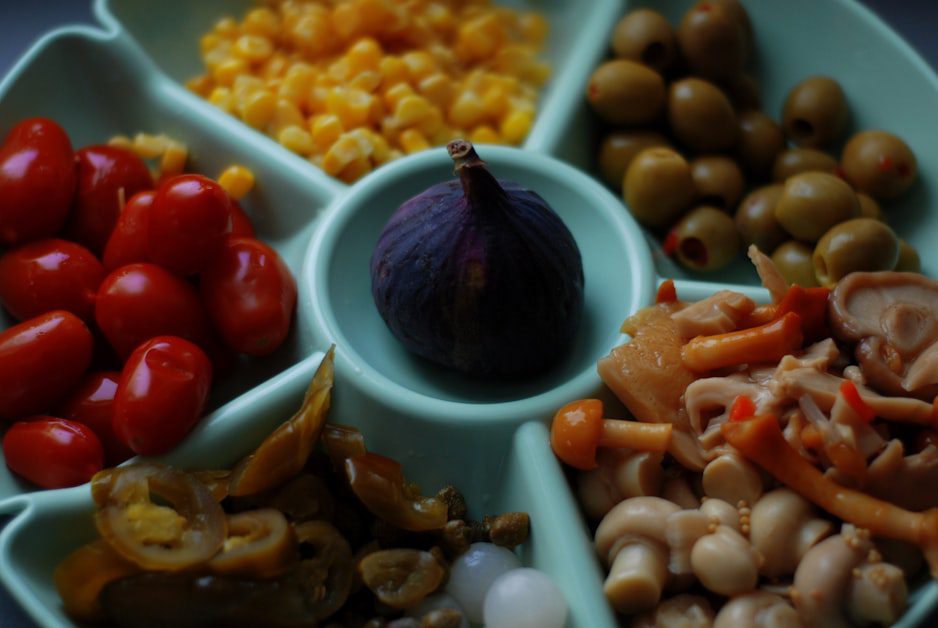
Building your meals around thyroid-supportive foods makes a measurable difference. These are the categories that should anchor every plate:
Selenium-rich foods: Selenium is essential for converting inactive T4 into active T3. Without adequate selenium, your thyroid medication works less efficiently. Brazil nuts (one to two per day provides your full daily dose), sardines, eggs, and sunflower seeds are your best sources.
Zinc sources: Zinc deficiency directly impairs thyroid hormone synthesis. Pumpkin seeds, beef, chickpeas, and cashews are all high in zinc and should appear in your meals regularly.
Iodine from whole foods: Iodine is the building block of thyroid hormones. Rather than supplementing, get it from seaweed (nori, dulse), wild-caught fish, and dairy. Excess supplemental iodine can worsen some thyroid conditions, so food sources are safer.
Anti-inflammatory proteins: Chronic inflammation is both a cause and consequence of hypothyroidism. Wild salmon, sardines, pasture-raised chicken, lentils, and tempeh provide protein while keeping inflammation low. Aim for 25 to 35 grams of protein per meal to support metabolism and satiety.
Fiber-rich complex carbohydrates: A sluggish thyroid slows digestion, making constipation common. Sweet potatoes, quinoa, oats, and lentils provide fiber that keeps things moving while delivering steady energy without the blood sugar spikes that worsen thyroid-related weight gain.
Foods That Sabotage Thyroid Function
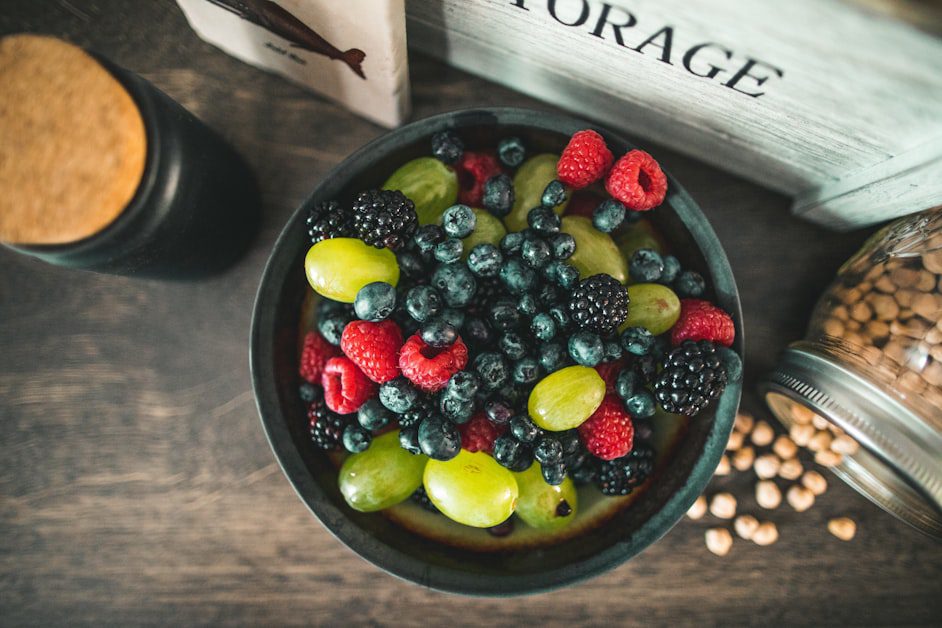
Some foods actively interfere with thyroid hormone production or medication absorption. Knowing what to limit is as important as knowing what to eat.
Raw cruciferous vegetables in large amounts: Broccoli, cauliflower, kale, and cabbage contain goitrogens that can interfere with iodine uptake in large raw quantities. Cooking deactivates most goitrogenic compounds, so roasted broccoli is fine. A large daily raw kale smoothie is not ideal.
Soy products around medication time: Soy can interfere with levothyroxine absorption. If you eat soy, do it at least four hours after your morning medication. This includes soy milk, tofu, and edamame.
Ultra-processed foods: Packaged snacks, fast food, and processed meats are loaded with sodium and inflammatory seed oils that worsen hypothyroid inflammation. They also spike blood sugar, triggering insulin responses that promote fat storage in an already slow metabolism.
Gluten for those with Hashimoto’s: Hashimoto’s thyroiditis (the autoimmune form of hypothyroidism) involves molecular mimicry between gliadin proteins in gluten and thyroid tissue. Many Hashimoto’s patients see significant symptom improvement on a gluten-reduced diet. If you have autoimmune hypothyroidism, a 60-day gluten elimination trial is worth discussing with your doctor.
Excess coffee near medication: Coffee significantly reduces levothyroxine absorption. Wait at least 30 to 60 minutes after taking medication before your morning coffee.
7-Day Plan to Lose Weight with Hypothyroidism Meal Plans

This meal plan is built around thyroid-supportive nutrients, anti-inflammatory foods, and steady blood sugar. Calories average 1,600 to 1,800 per day, appropriate for most women with hypothyroidism. Men and very active individuals should add one snack or increase portion sizes.
Monday
Breakfast: Two scrambled eggs with sauteed spinach and one slice sourdough toast
Lunch: Lentil soup with a side of roasted sweet potato
Dinner: Baked wild salmon with quinoa and steamed broccoli
Snack: One Brazil nut, a small handful of pumpkin seeds
Tuesday
Breakfast: Oatmeal with blueberries, chia seeds, and a tablespoon of almond butter
Lunch: Grilled chicken salad with mixed greens, chickpeas, olive oil, and lemon
Dinner: Turkey stir-fry with brown rice and bok choy
Snack: Greek yogurt with a drizzle of honey
Wednesday
Breakfast: Smoothie with spinach, frozen mango, Greek yogurt, flaxseed, and unsweetened almond milk
Lunch: Sardines on whole grain crackers with sliced cucumber and hummus
Dinner: Beef and vegetable stew with sweet potato
Snack: Apple with cashew butter
Thursday
Breakfast: Egg muffins with turkey, peppers, and feta baked in a muffin tin
Lunch: Quinoa bowl with roasted vegetables and tahini dressing
Dinner: Baked cod with roasted asparagus and lentils
Snack: Carrot sticks with guacamole
Friday
Breakfast: Overnight oats with pumpkin seeds, cinnamon, and sliced banana
Lunch: Chicken and vegetable soup with whole grain bread
Dinner: Shrimp tacos in corn tortillas with cabbage slaw and avocado
Snack: A handful of mixed nuts
Saturday
Breakfast: Veggie omelet with mushrooms, onion, and goat cheese
Lunch: Tuna salad lettuce wraps with cherry tomatoes
Dinner: Slow-cooker chicken thighs with white beans and kale
Snack: Sliced pear with almond butter
Sunday
Breakfast: Buckwheat pancakes with fresh berries and a side of turkey bacon
Lunch: Mediterranean bowl with falafel, roasted red pepper, cucumber, and tzatziki
Dinner: Baked trout with wild rice and roasted Brussels sprouts
Snack: Hard-boiled egg with a pinch of sea salt
Meal Timing Strategies That Support Your Thyroid
When you eat matters almost as much as what you eat when you have hypothyroidism. These timing strategies help maximize medication effectiveness and metabolic function:
Take medication correctly: Levothyroxine must be taken on an empty stomach, 30 to 60 minutes before eating, with water only. Even a small amount of food or coffee can reduce absorption by up to 40 percent. This single habit change produces dramatic improvements for many patients.
Don’t skip breakfast: A sluggish thyroid is worsened by fasting. Skipping breakfast drives cortisol up, which suppresses T3 conversion and promotes belly fat storage. Eat within 60 to 90 minutes of waking.
Eat every 4 to 5 hours: Long gaps between meals cause blood sugar drops that trigger stress hormones. These stress hormones compete with and suppress thyroid hormones. Three meals plus one snack keeps energy stable and hormones balanced.
Consider a smaller dinner: Thyroid metabolism is at its lowest in the evening. Shifting your larger meals to morning and midday and keeping dinner lighter aligns your eating pattern with your metabolic rhythm.
Intermittent fasting caution: Extended fasting (16+ hours) can further suppress T3 and raise reverse T3, making hypothyroid symptoms worse. If you want to try intermittent fasting, a 12-hour overnight window is safer than aggressive protocols for thyroid patients.
Key Supplements to Consider
Certain nutritional deficiencies are extremely common in hypothyroidism and make weight loss harder until corrected. Always discuss supplements with your doctor before starting, especially if you’re on levothyroxine.
Vitamin D: Low vitamin D is linked to autoimmune thyroid disease and insulin resistance. The National Institutes of Health notes that vitamin D deficiency affects over 40 percent of American adults. Many hypothyroid patients are severely deficient. A blood test will tell you where you stand.
Magnesium: Magnesium supports over 300 enzymatic reactions including those involved in thyroid hormone synthesis. Most people with hypothyroidism are low. Magnesium glycinate at 300 to 400mg before bed also improves the sleep disruption common with thyroid conditions.
B12: The Mayo Clinic reports that vitamin B12 deficiency occurs in up to 40 percent of people with hypothyroidism. B12 affects energy, mood, and metabolism directly. A methylated form (methylcobalamin) is better absorbed than cyanocobalamin.
Iron: Iron deficiency impairs the enzymes that produce thyroid hormones. Women with heavy periods and hypothyroidism are especially at risk. Iron is best obtained through food (red meat, lentils, pumpkin seeds) rather than supplements unless a deficiency is confirmed by bloodwork.
Frequently Asked Questions
How long does it take to lose weight with hypothyroidism on a meal plan?
Expect slower progress than someone with normal thyroid function. With a well-structured meal plan and optimized medication, most people with hypothyroidism lose 0.5 to 1 pound per week rather than the 1 to 2 pounds typical for others. This pace is healthy and sustainable. The first two to four weeks may show faster loss as inflammation reduces and water retention drops. After that, slow and steady wins. Patience and consistency matter far more with a thyroid condition than pushing harder with restriction.
Can I do intermittent fasting with hypothyroidism?
Short fasting windows of 12 hours overnight are generally safe, but aggressive protocols like 16:8 or OMAD (one meal a day) can backfire. Extended fasting elevates cortisol, which suppresses T3 conversion and raises reverse T3, a hormone that blocks active thyroid hormone from working. Many patients who try aggressive intermittent fasting report worsened fatigue, brain fog, and stalled weight loss. A regular eating schedule with three meals and one snack tends to produce better results for hypothyroid individuals than skipping meals.
Are there specific meal plans for Hashimoto’s thyroiditis?
Hashimoto’s thyroiditis, the autoimmune form of hypothyroidism, benefits from additional dietary considerations. An anti-inflammatory template works well as a base. Many people with Hashimoto’s see improvement by reducing or eliminating gluten, as there is a molecular similarity between gluten proteins and thyroid tissue that may trigger immune responses. Dairy elimination is worth trialing as well. Beyond this, the same principles apply: selenium-rich foods, adequate protein, low-glycemic carbohydrates, and plenty of omega-3 fats from wild fish. A 90-day elimination trial under medical supervision is the most evidence-based approach for Hashimoto’s nutrition.
What breakfast is best for speeding up metabolism with hypothyroidism?
The best breakfast for hypothyroid metabolism combines protein, healthy fat, and fiber to stabilize blood sugar and support thyroid hormone conversion. Two eggs with sauteed vegetables and a small portion of complex carbohydrates hits all three. Oatmeal with nuts, seeds, and Greek yogurt is another excellent option. What to avoid: sugary cereals, pastries, fruit juice, and skipping breakfast entirely. These spike then crash blood sugar, elevating cortisol in a way that actively works against thyroid function. Within 60 to 90 minutes of waking with a nutrient-dense meal sets your metabolism up for the day.
Should I track calories if I have hypothyroidism?
Calorie tracking can be useful as awareness, but strict restriction often backfires with hypothyroidism. Eating too little (below 1,200 calories for women or 1,500 for men) signals starvation to your body, further suppressing T3 production and slowing metabolism. Rather than aggressive deficits, focus on food quality and meal structure. A moderate deficit of 200 to 300 calories below maintenance, achieved through replacing processed foods with whole foods rather than eating less overall, is a more effective and sustainable approach for thyroid patients.
Conclusion
Losing weight with hypothyroidism is genuinely harder than losing weight with a healthy thyroid, but it’s far from impossible. The key is building your approach around thyroid physiology rather than fighting it. That means thyroid-supportive foods rich in selenium, zinc, and iodine, consistent meal timing that stabilizes blood sugar, proper medication management, and realistic expectations about pace.
Start with the 7-day meal plan, focus on getting your medication timing right, and address any nutritional deficiencies with your doctor. Small, consistent changes add up faster than you think when your thyroid has the support it needs.
For more targeted nutrition strategies, explore our articles on losing belly fat without exercise, the best anti-inflammatory foods to eat daily, and how magnesium benefits sleep and recovery for complementary guidance that works well alongside a hypothyroid meal plan.
Medical Disclaimer: This content is for informational purposes only and does not constitute medical advice. Consult a qualified healthcare provider before making any health decisions.