
 Lifestyle
 Food & Nutrition
 Fitness
Finding satisfying high protein snacks that won’t blow your calorie budget is one of the most practical things you can do for your weight loss goals. Protein keeps you full longer than carbs or fat, stabilizes blood sugar between meals, and helps your body preserve muscle while you’re in a calorie deficit. The problem is that most convenient snacks are loaded with sugar and barely touch your protein needs. This guide cuts through the noise and gives you real options that actually deliver.
Research backs this up clearly. A 2024 meta-analysis published in PubMed covering over 1,500 participants found that people who included high-protein snacks under 300 calories in their daily eating routine had 30% better diet adherence over six months and maintained significantly more lean muscle mass during a 500-calorie daily deficit. That’s not a small difference. It means the right snack choice can be the factor that determines whether a diet actually sticks.
Whether you’re snacking between meetings, refueling after a workout, or just trying to make it from lunch to dinner without raiding the pantry, the options below deliver 10 to 20 grams of protein per serving, keep calories under 300, and taste good enough to actually eat regularly.
- 1 Why High-Protein Snacks Are More Effective Than Regular Snacks
- 2 Greek Yogurt and Cottage Cheese: The Underrated Staples
- 3 Jerky, Edamame, and Savory High-Protein Picks
- 4 Nuts, Seeds, and Trail Mix Done Right
- 5 Protein Bars and Chips: What to Look For
- 6 Plant-Based High-Protein Snacks That Actually Satisfy
- 7 Snack Timing and Habits That Make a Difference
- 8 Frequently Asked Questions About High-Protein Snacks
- 8.1 How much protein should a snack have for effective weight loss?
- 8.2 Is beef jerky a good high-protein snack for weight loss?
- 8.3 Are protein bars a healthy snack or just glorified candy bars?
- 8.4 What are the best high-protein snacks for someone who doesn’t like eating a lot of meat?
- 8.5 How do I avoid overeating nuts and trail mix as a protein snack?
- 9 Putting It Together
Why High-Protein Snacks Are More Effective Than Regular Snacks

Not all snacks do the same job. A handful of crackers might quiet a craving for ten minutes. A protein-rich snack can keep you satisfied for two to three hours. The reason comes down to how protein affects hunger hormones. Protein suppresses ghrelin (the hunger hormone) more effectively than carbohydrates or fat, and it triggers the release of peptide YY, a hormone that signals fullness to the brain.
The Mayo Clinic recommends aiming for 25 to 30 grams of protein per meal or snack to optimize muscle protein synthesis, particularly for adults over 40. For snacks specifically, hitting at least 10 grams per serving is the sweet spot for meaningful satiety without pushing calories too high.
Pairing protein with fiber makes this effect even stronger. A snack that combines 12 grams of protein with 4 to 5 grams of fiber will outperform one that’s protein-only in terms of how long you feel satisfied. Keep that combination in mind as you work through the options below.
If you’re also focused on the fiber side of the equation, fibermaxxing for weight loss breaks down how to build your diet around both nutrients strategically.
Greek Yogurt and Cottage Cheese: The Underrated Staples

Plain Greek yogurt is one of the most efficient high-protein snacks available. A 156-gram serving delivers around 16 grams of protein for approximately 90 to 110 calories, depending on the brand. That leaves plenty of room to add a handful of berries or a drizzle of honey and still stay well under 200 calories total. Go for plain over flavored varieties. Flavored versions often add 10 to 15 grams of sugar per serving, which undermines the point.
Low-fat cottage cheese is equally strong. A 113-gram (half-cup) serving provides 14 grams of protein, roughly 80 calories, and a solid dose of calcium and B vitamins. The protein in cottage cheese is primarily casein, which digests slowly. That makes it particularly useful as an evening snack when you want to stay full overnight without eating a heavy meal. Add some cherry tomatoes or sliced cucumber if you prefer something savory.
Both options work well for people managing weight-related conditions. If you’re working with hypothyroidism and meal planning for weight loss, dairy-based protein snacks are typically safe choices that align with thyroid-friendly eating patterns.
Jerky, Edamame, and Savory High-Protein Picks
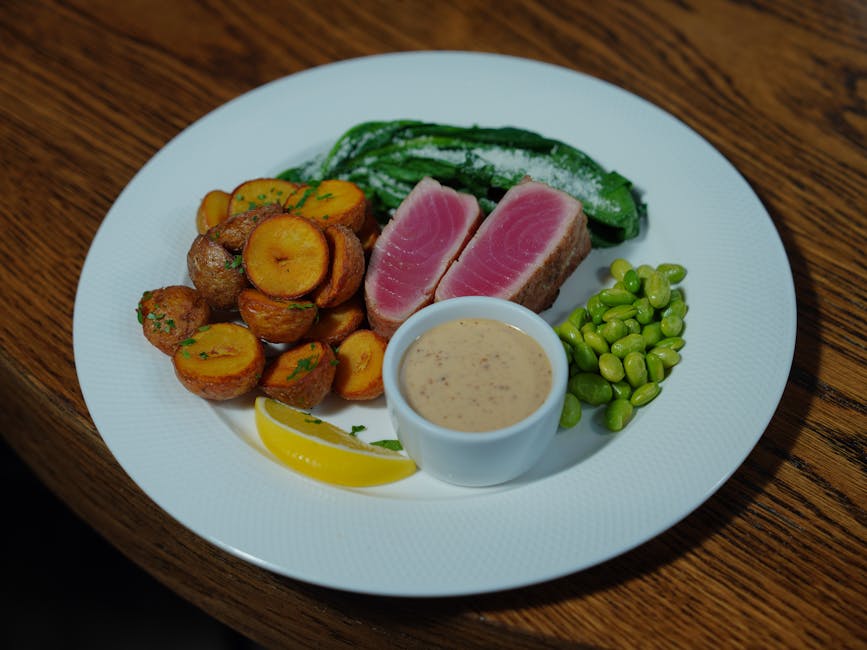
Meat and fish jerky have earned a real spot in the high-protein snack category, but the type matters. Salmon and ahi tuna jerky average 9 to 11 grams of protein per serving at around 70 to 90 calories, and they come with omega-3 fatty acids that reduce inflammation and support heart health. Beef jerky is also solid at 9 to 11 grams per ounce, but read labels carefully. Many brands add 5 to 10 grams of sugar per serving, which adds up fast if you’re eating it regularly. Look for options with less than 5 grams of sugar and minimal preservatives.
Edamame is a plant-based option worth keeping in the rotation. A half-cup of prepared edamame delivers around 9 grams of protein and 4 grams of fiber for about 100 calories. It’s one of the few plant foods that contains all essential amino acids, making it a complete protein source. You can find it frozen, steam it in 5 minutes, and eat it straight from the bag with a little sea salt.
Hard-boiled eggs remain one of the most reliable high-protein snacks. Two eggs provide 12 grams of protein for 140 calories. They’re portable, require no refrigeration for a few hours, and take less than ten minutes to prepare in bulk at the start of the week. Pair them with a few cherry tomatoes or a slice of avocado to round out the nutritional profile without pushing past 200 calories.
Nuts, Seeds, and Trail Mix Done Right
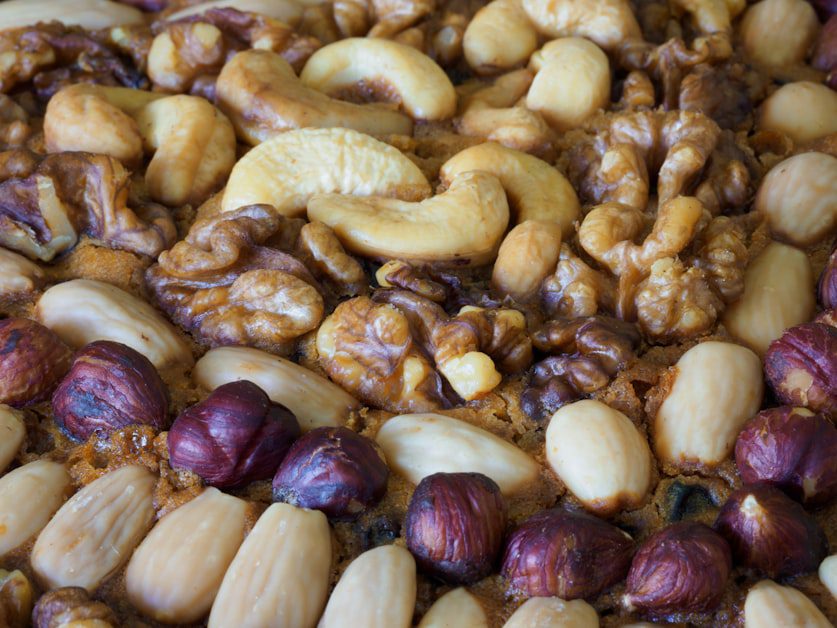
Nuts are calorie-dense, which means portion control matters here more than anywhere else. A 50-gram serving of mixed nuts or trail mix delivers around 5 to 7 grams of protein, but the calorie count can approach or exceed 300 calories quickly if you’re not measuring. The fix is simple: portion your nuts into small bags or containers ahead of time so you’re never eating directly from a large container.
Almonds and pistachios are the better protein choices within the nut family. Twenty-two almonds (about 28 grams) give you 6 grams of protein and 3.5 grams of fiber for around 160 calories. That makes almonds one of the most calorie-efficient nut choices for protein density. Pistachios come in even better at around 6 grams of protein per ounce with slightly fewer calories, and the act of shelling them slows down your eating pace, which supports portion control naturally.
If you’re building your own trail mix, focus on almonds or pistachios as the base and add pumpkin seeds, which deliver 5 grams of protein per ounce. Skip the M&Ms and dried cranberries that most commercial trail mixes use as filler. Replace them with unsweetened dried cherries or a few dark chocolate chips if you want sweetness. The result is a custom mix that easily hits 10 grams of protein per serving while keeping calories manageable.
Protein Bars and Chips: What to Look For
The protein bar market is enormous and mostly mediocre. Many bars that market themselves as high-protein are glorified candy bars with a whey powder coating. The ones worth buying share a few characteristics: at least 15 to 20 grams of protein, at least 4 grams of fiber, less than 10 grams of added sugar, and a short ingredient list.
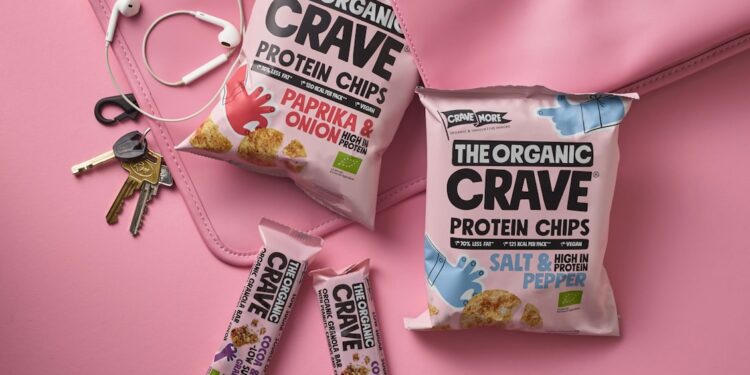
Protein chips have improved significantly. Natural Endurance chips, for example, deliver 14 grams of plant-based protein per serving with 4 grams of fiber. They satisfy the crunch craving that sends many people toward chips and pretzels while providing the nutritional content of a proper protein snack. Other brands have followed a similar approach with pea protein and chickpea-based chips. Check the fiber content before buying since many protein chip brands hit the protein number but neglect fiber, which limits satiety.
One useful rule: treat protein bars and chips as structured snacks with a purpose, not as free foods. Limit yourself to one per day and time them around workouts or the part of the day when your hunger is typically hardest to manage. Using them more freely than that leads to habitual overconsumption that adds up over weeks.
Plant-Based High-Protein Snacks That Actually Satisfy
If you’re eating less meat or avoiding animal products, getting enough protein from snacks requires a bit more planning. The good news is that legume-based snacks have become genuinely good. Roasted chickpeas offer 7 grams of protein and 6 grams of fiber per half-cup serving at around 120 calories. They’re crunchy, come in a wide variety of flavors, and hold up well as a portable snack throughout the day.
Tempeh is less commonly eaten as a snack but works well sliced thin and baked with a little soy sauce and sesame oil. A 100-gram serving delivers 19 grams of protein for about 190 calories. It’s a fermented soy product, which also means it supports gut health alongside the protein benefits. If you haven’t tried it, the texture is firmer and more satisfying than tofu and handles seasoning very well.
The National Institutes of Health notes that daily protein intake of 1.6 grams per kilogram of body weight, spread across meals and snacks, leads to 1 to 2 kilograms more fat loss over 12 weeks during a calorie deficit compared to lower protein intakes. Plant-based eaters can absolutely meet this target with the right snack choices.
For broader food ideas that align with plant-forward eating, 8 plant-based foods that will make you love meatless meals is worth reading alongside this guide.
Snack Timing and Habits That Make a Difference
When you eat your protein snack matters as much as what you eat. Nutrition experts recommend consuming a protein-rich snack every 3 to 4 hours to maintain steady energy and prevent the kind of extreme hunger that leads to poor choices at meals. For most people, that means one snack mid-morning and one mid-afternoon, each providing 15 to 20 grams of protein.
Pre-workout protein snacking deserves special mention. Eating a snack with 15 to 20 grams of protein about 30 to 60 minutes before a workout improves performance and reduces muscle breakdown during the session. Post-workout, the same protein amount within 60 minutes supports muscle repair and growth. This is where protein bars or Greek yogurt earn their keep as practical, portable options.
One mistake many people make is skipping snacks to save calories and then arriving at dinner ravenous. This reliably leads to overeating at dinner, often consuming more calories than the snack would have cost. A 150-calorie Greek yogurt at 4pm is almost always a better choice than arriving at dinner at a 7 out of 10 on the hunger scale. For women managing weight post-menopause, strategic snacking is especially important. How to lose weight after menopause naturally covers the hormonal context that makes protein timing particularly valuable during that life stage.
Frequently Asked Questions About High-Protein Snacks
How much protein should a snack have for effective weight loss?
Most nutrition experts and research point to a minimum of 10 grams of protein per snack as the threshold for meaningful satiety. The sweet spot for weight loss is 15 to 20 grams per snack, ideally paired with at least 4 grams of dietary fiber. This combination suppresses hunger hormones more effectively than protein alone and keeps blood sugar steady between meals. For someone eating 1,600 to 2,000 calories per day, two snacks in this protein range can account for 30 to 40 grams of your daily protein total, making it easier to hit your overall target without overshooting on calories.
Is beef jerky a good high-protein snack for weight loss?
Beef jerky can be a solid high-protein snack choice, but the version you buy matters significantly. Quality beef jerky delivers 9 to 11 grams of protein per ounce at around 80 to 100 calories, which is an excellent protein-to-calorie ratio. The issue is added sugar. Many commercial brands add 5 to 10 grams of sugar per serving, often listed as cane sugar, honey, or brown sugar in the ingredients. This adds calories and blunts the blood sugar stability benefit you’re looking for. Choose brands with under 5 grams of sugar per serving. Fish-based jerkies, including salmon and ahi tuna, are often lower in sugar naturally and add omega-3 benefits that beef doesn’t provide.
Are protein bars a healthy snack or just glorified candy bars?
The honest answer is that it depends entirely on the bar. Some protein bars are genuinely useful: they deliver 15 to 20 grams of protein, 4 to 9 grams of fiber, and use minimal added sugar. Others are essentially chocolate bars that happen to contain a scoop of whey protein and market themselves as health food. The way to tell the difference is to look at the fiber content and the added sugar content together. A bar with 20 grams of protein but 20 grams of added sugar and 1 gram of fiber is not going to behave like a proper protein snack in your body. It’ll spike your blood sugar and leave you hungry again in 90 minutes. Look for at least 4 grams of fiber and no more than 8 to 10 grams of added sugar as your baseline filter.
What are the best high-protein snacks for someone who doesn’t like eating a lot of meat?
Plant-based eaters have genuinely good options now. Greek yogurt and cottage cheese are strong choices if you eat dairy since both deliver 14 to 16 grams of protein per serving at low calorie counts. For fully plant-based options, edamame (9 grams per half-cup), roasted chickpeas (7 grams per half-cup), tempeh (19 grams per 100 grams), and protein-fortified plant-based chips (10 to 14 grams per serving) are all viable. Almonds and pistachios add another 5 to 6 grams per ounce. Combining two or three of these sources in a single snack makes it easy to hit 15 grams without any animal products.
How do I avoid overeating nuts and trail mix as a protein snack?
Portion control is the single most important factor with nuts. Because they’re calorie-dense, eating from a large bag or container almost always leads to consuming double or triple the intended serving. The most effective strategy is to portion your nuts into small bags or containers at the start of the week before you ever feel hungry. When hunger hits, you reach for the pre-portioned bag rather than making a decision in the moment. Aiming for a 28-gram (one ounce) serving as your baseline is a good starting point. If you’re building trail mix yourself, weigh the components before mixing so you know exactly what one serving contains.
Putting It Together
The best high protein snacks aren’t complicated. Greek yogurt, cottage cheese, hard-boiled eggs, jerky, edamame, roasted chickpeas, and portioned nuts cover most scenarios and require very little preparation. The key is having them available before you’re hungry. Prep takes ten to fifteen minutes at the start of the week and removes the decision-making that typically leads to grabbing whatever is closest when hunger peaks.
Target 15 to 20 grams of protein per snack, keep calories under 200 to 250 most days, and pair protein with fiber whenever possible. Two snacks per day at this level contributes meaningfully to your daily protein target, keeps hunger manageable between meals, and supports the fat loss and muscle preservation that make a diet actually work long-term.
Small changes in snack habits compound over weeks and months. The science on this is clear. Start with two or three options from this guide, build the habit of having them prepared and accessible, and let the results speak for themselves.
Medical Disclaimer: This content is for informational purposes only and does not constitute medical advice. Consult a qualified healthcare provider before making any health decisions.