
 Lifestyle
 Food & Nutrition
 Fitness

If you need to relieve back pain from standing all day, you’re not alone. Nurses, retail workers, teachers, warehouse staff, and anyone on their feet for 8+ hours know exactly how it feels: that deep ache in your lower back that builds through the shift and follows you home. Standing might seem harmless compared to sitting, but prolonged standing puts real stress on your spine, muscles, and joints.
The good news? You don’t need expensive treatments or time off work to manage this. Small changes to your posture, footwear, break routine, and exercise habits can make a measurable difference. This guide walks you through evidence-backed strategies that target the root causes of standing-related back pain, not just the symptoms.
Whether you’re dealing with a dull ache that starts around hour three or sharp pain that hits by the end of your shift, the following sections break down exactly what’s happening in your body and how to fix it.
- 1 Why Standing All Day Causes Back Pain
- 2 Posture Fixes That Reduce Standing Back Pain
- 3 Best Stretches to Do During Your Shift
- 4 Footwear and Standing Surfaces That Make a Difference
- 5 Core Exercises That Prevent Standing Back Pain
- 6 Smart Break Strategies for Long Standing Shifts
- 7 Lifestyle Habits That Support a Pain-Free Back
- 8 When to See a Doctor About Standing-Related Back Pain
- 9 Frequently Asked Questions
- 9.1 How long does it take for back pain from standing to go away?
- 9.2 Is standing all day worse for your back than sitting all day?
- 9.3 What type of shoes are best for standing all day with back pain?
- 9.4 Should I use a back brace for standing at work?
- 9.5 Can losing weight help with back pain from standing?
- 10 Conclusion
Why Standing All Day Causes Back Pain

Standing for long periods compresses the lumbar spine and tightens the muscles that support your lower back. When you stand still, your body shifts weight unevenly, and your hip flexors, hamstrings, and paraspinal muscles all work overtime to keep you upright. Over time, this leads to muscle fatigue, stiffness, and inflammation.
According to the Mayo Clinic, common causes of back pain include muscle strain, ligament stress, and poor posture habits. Standing amplifies all three. Your lumbar curve deepens as your pelvis tilts forward, which compresses the facet joints in your lower spine. This anterior pelvic tilt is one of the biggest drivers of standing-related back pain.
Research also shows that prolonged standing increases intradiscal pressure in the lumbar spine. The discs between your vertebrae lose hydration throughout the day, and without regular movement breaks, they don’t get a chance to recover. This is why your back often feels worse at the end of a shift compared to the beginning.
People with weak core muscles are especially vulnerable. When your deep stabilizers, like the transverse abdominis and multifidus, aren’t strong enough to support your spine, your superficial muscles compensate. That compensation leads to tension, trigger points, and eventually chronic pain.
Posture Fixes That Reduce Standing Back Pain
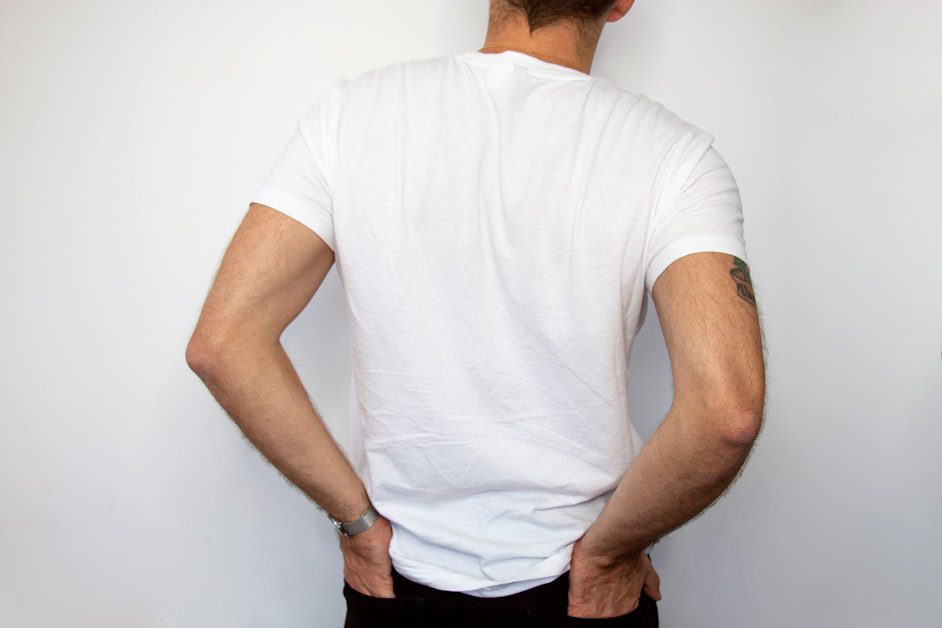
The way you stand matters more than how long you stand. Most people lock their knees, round their shoulders, and let their pelvis drift forward without realizing it. These habits create unnecessary strain on the lumbar spine.
Start by keeping a slight bend in your knees. Locked knees push your pelvis forward and increase the curve in your lower back. A micro-bend takes pressure off your lumbar discs and allows your glutes to engage properly.
Keep your weight evenly distributed between both feet. Many people shift to one side, which creates an imbalance in the hips and puts asymmetric load on the spine. If you catch yourself leaning, reset by planting both feet shoulder-width apart.
Engage your core gently. You don’t need to brace like you’re about to get hit. Just pull your belly button slightly toward your spine. This activates the transverse abdominis and helps support your lumbar region. Think of it as a 20% contraction, not a full squeeze.
If your job allows it, use a footrest or low stool to alternate placing one foot up. This changes the angle of your pelvis and gives your lower back periodic relief. Even a small box or ledge works. Alternate feet every 15-20 minutes.
Best Stretches to Do During Your Shift
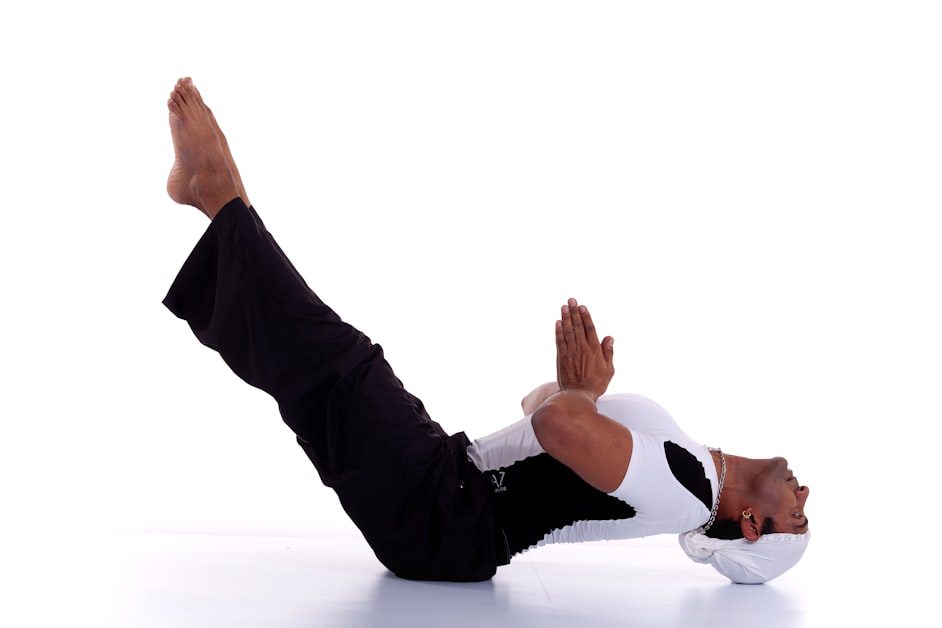
Stretching during your work shift isn’t just helpful, it’s necessary if you stand for hours. The key is targeting the muscles that tighten most: hip flexors, hamstrings, and the erector spinae group along your lower back.
Standing hip flexor stretch: Step one foot forward into a slight lunge. Keep your back leg straight and gently push your hips forward until you feel a stretch in the front of your back hip. Hold for 20-30 seconds per side. Tight hip flexors pull your pelvis into that anterior tilt that wrecks your lower back.
Standing hamstring stretch: Place one heel on a low surface (a step, a box, or even a curb). Keep your leg straight and hinge forward at the hips until you feel a stretch behind your thigh. Hold for 20-30 seconds. Tight hamstrings limit pelvic mobility and contribute to lower back stiffness.
Standing cat-cow: Place your hands on your knees or a counter. Round your back upward like a cat, tucking your chin and pelvis. Then arch your back, lifting your chest and tailbone. Repeat 8-10 times. This mobilizes your entire spine and relieves compression in the lumbar region.
Side bend stretch: Raise one arm overhead and lean gently to the opposite side. Hold for 15-20 seconds per side. This opens up the quadratus lumborum, a deep muscle that gets very tight from standing.
For more targeted stretches, check out our guide on stretches for back pain from sitting all day. Many of the same movements apply to standing-related pain because the underlying muscle tightness is similar.
Footwear and Standing Surfaces That Make a Difference
Your shoes and the surface you stand on play a bigger role in back pain than most people realize. Hard, flat surfaces like concrete and tile create impact forces that travel straight up through your legs and into your spine. Poor footwear amplifies this problem.
Choose shoes with adequate arch support and cushioning. If your job requires specific footwear, invest in quality insoles. Look for insoles with arch support rated for prolonged standing, not just general comfort. Brands marketed toward nurses and healthcare workers tend to prioritize the right kind of support.
Anti-fatigue mats are one of the most effective tools for reducing standing-related back pain. These mats have a slightly unstable surface that encourages micro-movements in your feet and legs. Those small shifts keep your muscles engaged and prevent the static loading that causes pain. If your employer provides them, use them. If not, they’re worth buying yourself.
Avoid completely flat shoes, high heels, and worn-out footwear. Flat shoes like ballet flats or cheap sneakers offer no arch support and allow your foot to pronate, which changes the alignment of your entire kinetic chain from ankle to spine. Replace your work shoes regularly, at least every 6-8 months if you stand 8+ hours daily.
The NHS recommends staying active and wearing supportive footwear as part of a back pain management plan. It’s simple advice, but it works.
Core Exercises That Prevent Standing Back Pain
Strengthening your core is the single most effective long-term strategy for preventing back pain from standing. A strong core supports your spine from the inside, reducing the load on your muscles, discs, and joints.
Dead bug: Lie on your back with your arms extended toward the ceiling and your knees bent at 90 degrees. Slowly lower your right arm behind your head while extending your left leg. Return and repeat on the opposite side. Do 3 sets of 8-10 per side. This exercise trains your deep core stabilizers without putting pressure on your spine.
Bird dog: Start on all fours. Extend your right arm forward and your left leg back simultaneously. Hold for 3-5 seconds, then return. Repeat on the other side. Do 3 sets of 10 per side. This builds endurance in the multifidus and erector spinae, the muscles most affected by standing.
Glute bridge: Lie on your back with your knees bent and feet flat on the floor. Push through your heels to lift your hips until your body forms a straight line from shoulders to knees. Squeeze your glutes at the top and hold for 2-3 seconds. Do 3 sets of 12-15. Strong glutes reduce the compensation your lower back has to make when you stand.
Pelvic tilts: Lie on your back with knees bent. Gently flatten your lower back against the floor by tightening your abs and tilting your pelvis slightly upward. Hold for 5-10 seconds and repeat 10-15 times. For a deeper dive on this exercise, read our step-by-step guide to pelvic tilts for lumbar back pain.
Aim to do these exercises 3-4 times per week. You’ll notice a difference within 2-3 weeks as your core gets stronger and your back handles standing shifts better.
Smart Break Strategies for Long Standing Shifts
How you use your breaks matters as much as how often you get them. Most people sit down during breaks, which seems logical. But sitting after hours of standing creates a sudden change in spinal loading that can actually make things worse if you don’t do it right.
Instead of just collapsing into a chair, use your breaks for active recovery. Walk around for a few minutes first to keep blood flowing. Then sit with good posture: feet flat on the floor, back supported, and shoulders relaxed. Avoid slouching into a deep couch or leaning forward on your phone.
If you only get short breaks, prioritize movement over rest. A 5-minute walk with a few stretches does more for your back than 5 minutes sitting in a break room. Movement rehydrates your spinal discs and flushes metabolic waste from your muscles.
Try the 30-30 rule: every 30 minutes, shift your position for at least 30 seconds. This could mean stepping side to side, doing a mini squat, stretching your hip flexors, or simply transferring your weight from one foot to the other. These micro-breaks prevent the static loading that causes most standing-related back pain.
If your workplace allows it, alternate between standing and sitting throughout the day. Even 10-15 minutes of sitting every hour can significantly reduce the cumulative load on your lumbar spine. Talk to your supervisor about options, as many workplaces have ergonomic accommodation programs.
Lifestyle Habits That Support a Pain-Free Back
What you do outside of work shapes how your back handles the workday. Sleep quality, hydration, nutrition, and stress levels all affect your pain experience.
Sleep is when your body repairs muscle tissue and rehydrates spinal discs. Aim for 7-9 hours per night and pay attention to your sleep position. Side sleeping with a pillow between your knees keeps your spine aligned. Back sleeping with a pillow under your knees reduces lumbar pressure. Our article on how to sleep when back pain is worse after sitting all day covers positioning in detail.
Stay hydrated throughout your shift. Your spinal discs are about 80% water, and dehydration reduces their ability to absorb shock. Keep a water bottle accessible and aim for at least 8 glasses per day, more if your job is physically demanding.
Chronic inflammation worsens back pain. An anti-inflammatory morning routine that includes foods like berries, leafy greens, fatty fish, and turmeric can help manage systemic inflammation. Reducing processed food and sugar also makes a noticeable difference for many people.
Stress tightens muscles, especially in the back and shoulders. The Mayo Clinic notes that psychological conditions like anxiety and depression increase back pain risk. Simple stress management tools like deep breathing, short walks, and consistent sleep schedules can help break the tension-pain cycle.
When to See a Doctor About Standing-Related Back Pain
Most back pain from standing responds well to the strategies above. But some symptoms signal something more serious that needs medical attention.
See a doctor if your back pain lasts more than 4-6 weeks despite self-care, if the pain radiates down one or both legs (especially below the knee), or if you experience numbness, tingling, or weakness in your legs. These could indicate nerve compression from a herniated disc or spinal stenosis.
The NHS recommends seeking immediate care if back pain comes with loss of bladder or bowel control, severe weakness in both legs, or unexplained weight loss. These are rare but serious red flags.
If your pain is concentrated on one side, gets worse at night (not just after a shift), or doesn’t improve with position changes, that’s worth investigating. A healthcare provider can order imaging or refer you to a specialist if needed.
For most people, though, consistent stretching, core strengthening, proper footwear, and smart break habits are enough to manage and prevent standing-related back pain. The key is consistency: doing these things every day, not just when the pain flares up.
Frequently Asked Questions
How long does it take for back pain from standing to go away?
For most people, back pain from standing improves within 2-4 weeks of consistent stretching, core strengthening, and posture correction. Acute flare-ups often settle within a few days with rest and anti-inflammatory measures. If you’ve been standing for years without addressing the issue, it may take 6-8 weeks of daily exercises before you notice lasting improvement. The key is sticking with your routine even after the pain subsides, because the underlying muscle weakness and tightness will return without regular maintenance.
Is standing all day worse for your back than sitting all day?
Both prolonged standing and prolonged sitting stress your back, just in different ways. Sitting compresses the lumbar discs more, while standing fatigues the muscles that support your spine. Research suggests that alternating between sitting and standing is better than doing either one exclusively. If your job requires constant standing, adding short sitting breaks every hour can reduce cumulative spinal load. Neither position is inherently “worse” as long as you break up the monotony with regular movement and position changes throughout the day.
What type of shoes are best for standing all day with back pain?
Look for shoes with firm arch support, adequate heel cushioning, and a slightly elevated heel (about 1-2 centimeters). Running shoes and nursing shoes tend to offer the best combination of support and comfort for prolonged standing. Avoid completely flat shoes, worn-out sneakers, and anything without arch support. Custom orthotics from a podiatrist can help if over-the-counter options don’t provide enough support. Replace your work shoes every 6-8 months, as the cushioning breaks down faster than the exterior shows.
Should I use a back brace for standing at work?
Back braces can provide temporary relief during painful flare-ups, but they’re not a good long-term solution. Wearing a brace regularly weakens your core muscles because it does the stabilizing work for them. Your muscles adapt to the external support and become even weaker over time, which can make your pain worse when you take the brace off. Instead, focus on strengthening exercises like dead bugs, bird dogs, and glute bridges. If you feel like you need a brace to get through your shift, talk to a physical therapist about building the core strength to support yourself naturally.
Can losing weight help with back pain from standing?
Yes, excess body weight increases the load on your spine during standing. The Mayo Clinic lists excess weight as a risk factor for back pain because it shifts your center of gravity forward, increasing the curve in your lower back. Even losing 5-10 pounds can reduce lumbar stress noticeably. That said, weight loss alone won’t fix the problem if your core is weak or your posture is poor. Combine weight management with the stretching and strengthening strategies in this article for the best results. A balanced approach that addresses multiple factors works better than focusing on any single fix.
Conclusion
Back pain from standing all day is common, but it’s also very treatable. The combination of better posture habits, targeted stretches during your shift, supportive footwear, consistent core exercises, and smart break strategies can eliminate or significantly reduce your pain within a few weeks.
Start with one or two changes today. Fix your standing posture, add a hip flexor stretch to your break routine, or order a pair of quality insoles. Small steps compound over time, and your back will thank you for it. If your pain persists beyond 4-6 weeks or comes with any red-flag symptoms, don’t hesitate to see a healthcare provider.
Medical Disclaimer: This content is for informational purposes only and does not constitute medical advice. Consult a qualified healthcare provider before making any health decisions.