
 Lifestyle
 Food & Nutrition
 Fitness

Sleeping with sciatica during pregnancy can feel like an impossible puzzle, especially when that sharp, shooting pain down your leg flares up the moment you lie down. You’re exhausted, your body is changing fast, and the one thing you need most, a good night’s rest, keeps slipping away.
You’re not alone in this struggle. Research shows that up to 50% of pregnant women experience low back pain, and about 1% develop true sciatica with nerve compression that radiates pain down one or both legs. Sleeping with sciatica during pregnancy gets harder as each trimester progresses, but with the right positions, pillow setups, and pre-bed routines, you can dramatically reduce that nighttime pain and actually get real rest.
This guide walks you through exactly what works for sleeping with sciatica during pregnancy, backed by research and expert recommendations, so you can stop dreading bedtime and start sleeping more comfortably tonight.
- 1 What Causes Sciatica During Pregnancy and Why Sleep Suffers
- 2 Best Sleeping Positions for Sleeping with Sciatica During Pregnancy
- 3 Your Pillow Setup for Maximum Comfort When Sleeping with Sciatica During Pregnancy
- 4 Pre-Bedtime Stretches That Make Sleeping with Sciatica During Pregnancy Easier
- 5 Mattress and Sleep Environment Tips for Pregnancy Sciatica
- 6 Common Mistakes That Make Sleeping with Sciatica During Pregnancy Harder
- 7 Daytime Habits That Improve Sleeping with Sciatica During Pregnancy
- 8 When to See Your Doctor About Pregnancy Sciatica and Sleep Issues
- 9 Frequently Asked Questions About Sleeping with Sciatica During Pregnancy
- 9.1 What is the best sleeping position for sciatica during pregnancy?
- 9.2 Can a pregnancy pillow really help with sciatica pain at night?
- 9.3 Is it safe to use a heating pad for sciatica while pregnant?
- 9.4 How long does pregnancy sciatica usually last?
- 9.5 When should I worry about sciatica pain during pregnancy?
- 10 Conclusion
What Causes Sciatica During Pregnancy and Why Sleep Suffers

Before you can fix the problem, it helps to understand what’s happening inside your body. Sciatica occurs when the sciatic nerve, the longest nerve in your body running from your lower back through your hips and down each leg, gets compressed or irritated. Sleeping with sciatica during pregnancy becomes difficult because lying down shifts how pressure distributes across your pelvis and spine.
During pregnancy, several factors gang up on this nerve at once. Your growing uterus puts direct pressure on the sciatic nerve, particularly in the third trimester. The hormone relaxin loosens your pelvic ligaments to prepare for delivery, but this increased flexibility can destabilize your spine and shift your center of gravity. Weight gain adds extra load to your lumbar spine, and fluid retention can cause swelling around the nerve pathway.
According to the Mayo Clinic, sciatica symptoms include sharp pain, numbness, or tingling that radiates from the lower back through the buttock and down the leg. In pregnancy, these symptoms often worsen at night because lying down changes how pressure is distributed across your pelvis and spine. Many women find that sleeping with sciatica during pregnancy is the hardest part of managing the condition.
The pain typically peaks during the third trimester when the baby is heaviest and your body has undergone the most postural changes. However, some women notice sciatica as early as the second trimester, especially if they had pre-existing back issues before pregnancy.
Best Sleeping Positions for Sleeping with Sciatica During Pregnancy
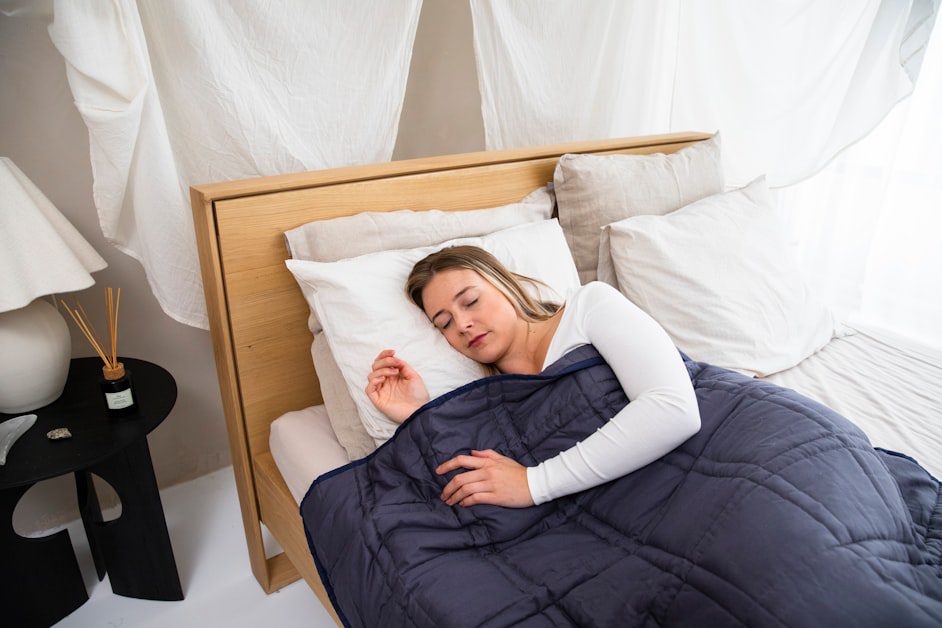
Side sleeping on your non-painful side is the gold standard for sleeping with sciatica during pregnancy. This position takes pressure off the compressed nerve by opening up the disc space in your lumbar spine by an estimated 10-15%. It also keeps blood flow optimal for both you and your baby.
If your sciatica affects your right leg, sleep on your left side, and vice versa. This simple switch prevents your body weight from pressing down on the already irritated nerve. Bend both knees slightly, keeping them stacked or with a pillow between them, so your pelvis stays aligned.
Left-side sleeping gets bonus points during pregnancy because it improves circulation to the placenta. But if your sciatica is on the left side, don’t force it. Sleeping on the right side with proper support is perfectly safe and will give you better pain relief when you’re sleeping with sciatica during pregnancy.
What about back sleeping? After 20 weeks, experts recommend avoiding prolonged back sleeping because the weight of your uterus can compress the vena cava, reducing blood flow. If you do end up on your back briefly, keep your upper body slightly elevated and limit it to under 20 minutes.
Your Pillow Setup for Maximum Comfort When Sleeping with Sciatica During Pregnancy

Pillows are your best friends when you’re sleeping with sciatica during pregnancy. The right pillow arrangement can make the difference between waking up in agony and actually sleeping through the night. You’ll want to use two to three strategically placed pillows.
First, place a firm pillow between your knees. This keeps your hips aligned and prevents your top leg from pulling your pelvis forward, which would twist and compress the sciatic nerve. The pillow should be thick enough that your knees stay roughly hip-width apart.
Second, tuck a pillow under your belly for support. After 20 weeks, your growing belly pulls your spine into an exaggerated curve when you lie on your side. A belly pillow counteracts this by taking the weight off your lower back. Without it, your uterus can sag downward and pinch the nerve even more.
Third, consider placing a small pillow or rolled towel behind your lower back. This prevents you from unconsciously rolling onto your back during the night and gives your spine a gentle support.
Full-body pregnancy pillows, like C-shaped or U-shaped pillows, combine all three supports into one. They’re a worthwhile investment if you’re dealing with ongoing sciatica pain. Many women find that sleeping with sciatica during pregnancy becomes much more manageable once they invest in a quality pregnancy pillow that keeps everything aligned without constant readjustment.
Pre-Bedtime Stretches That Make Sleeping with Sciatica During Pregnancy Easier
A short stretching routine before bed can significantly reduce how much sciatica bothers you overnight. These stretches gently release tension in the muscles surrounding the sciatic nerve, giving it more room and less compression while you sleep. Aim for 10-15 minutes each evening to improve your chances of sleeping with sciatica during pregnancy without constant wake-ups.
Knee-to-chest stretch: Lie on your back (briefly, for the stretch only) with knees bent. Gently pull one knee toward your chest, hold for 20-30 seconds, then switch sides. Repeat 3-5 times per side. This opens up the lower back and decompresses the lumbar spine.
Seated piriformis stretch: Sit in a chair with both feet flat on the floor. Cross the ankle of your painful side over the opposite knee, then gently lean forward with a straight back until you feel a stretch deep in your buttock. Hold for 30 seconds. The piriformis muscle sits directly over the sciatic nerve, and releasing it can provide immediate relief.
Cat-cow stretch: Get on all fours with wrists under shoulders and knees under hips. Slowly arch your back upward (cat), then let it dip down gently (cow). Repeat 8-10 times. This mobilizes your entire spine and is safe throughout pregnancy.
Child’s pose (modified): Kneel with knees wide apart to make room for your belly. Sit back toward your heels and stretch your arms forward on the floor. Hold for 30-60 seconds. This stretch elongates the lower back and takes pressure off compressed nerves.
The National Institutes of Health notes that gentle stretching during pregnancy can reduce low back pain severity. Consistency matters more than intensity here. A brief nightly routine works better than occasional long sessions.
Mattress and Sleep Environment Tips for Pregnancy Sciatica
Your mattress plays a bigger role in sciatica pain than most people realize. A mattress that’s too soft allows your hips to sink unevenly, creating a twist in your pelvis that compresses the sciatic nerve. A mattress that’s too firm can create pressure points on your hips and shoulders, making side sleeping uncomfortable. Getting the right surface is essential for sleeping with sciatica during pregnancy.
Medium-firm mattresses tend to work best for pregnancy sciatica. If your current mattress is too soft, a firm mattress topper can make a meaningful difference without replacing the whole bed. If it’s too firm, a thin memory foam topper softens the contact points while keeping your spine aligned.
Room temperature matters too. Keep your bedroom cool, around 65-68 degrees Fahrenheit (18-20 Celsius). Cooler temperatures help your body relax and reduce inflammation, both of which help with nighttime back pain. A warm bath or shower 60-90 minutes before bed can also help because the subsequent drop in body temperature signals your brain that it’s time to sleep.
Apply a heating pad to your lower back or buttock for 15-20 minutes before getting into bed. Heat relaxes the muscles surrounding the sciatic nerve and increases blood flow to the area. Just make sure to remove the heating pad before falling asleep, and never apply it directly to your belly.
Common Mistakes That Make Sleeping with Sciatica During Pregnancy Harder
Even well-meaning habits can backfire when you’re trying to get comfortable sleeping with sciatica during pregnancy. One of the most common mistakes is sleeping on the painful side. It seems logical that putting weight on the sore area might “stretch it out,” but it actually tightens the sciatic nerve and increases compression.
Skipping the knee pillow is another frequent error. Without one, your top leg drops forward and rotates your pelvis by 10-20 degrees. That twist strains your sacroiliac joints and puts the sciatic nerve under tension all night long.
Using ice instead of heat before bed is a mistake many people make. While ice can reduce acute inflammation during the day, it constricts muscles at night when you want them relaxed. Stick to heat therapy before sleep and save ice packs for daytime flare-ups.
Staying in one position all night also causes problems. Even the perfect sleeping position becomes uncomfortable after several hours. Set yourself up so you can shift between positions easily. Having pillows on both sides of your body lets you roll from one side to the other without fully waking up.
Finally, ignoring the problem and “powering through” is a mistake. Poor sleep during pregnancy doesn’t just affect you. Studies show that chronic sleep disruption can impact fetal development and increase the risk of longer labor. Taking sciatica pain seriously and addressing it benefits both you and your baby.
Daytime Habits That Improve Sleeping with Sciatica During Pregnancy
What you do during the day directly affects how your sciatica behaves at night. Gentle movement throughout the day keeps the muscles around your sciatic nerve flexible and prevents them from tightening up by bedtime. Walking for 20-30 minutes daily is one of the most effective things you can do to make sleeping with sciatica during pregnancy more tolerable.
Your sitting posture matters too. If you work at a desk, make sure your feet are flat on the floor and your lower back is supported. Sitting for long periods without lumbar support compresses the discs in your lower spine, which can aggravate the sciatic nerve hours later when you try to sleep. Take standing breaks every 30-45 minutes, even if it’s just for a minute or two. Learning anti-inflammatory daily habits can also help reduce overall pain levels.
Swimming and prenatal yoga are excellent low-impact activities that strengthen your core without putting extra strain on your back. The buoyancy of water takes the weight off your spine entirely, giving your sciatic nerve a break. Many women report that their sciatica pain is noticeably lower on days they swim.
Avoid heavy lifting, prolonged standing in one spot, and wearing high heels. All three shift your center of gravity and increase the load on your lower back. Supportive shoes with good arch support help keep your spine properly aligned from the ground up.
When to See Your Doctor About Pregnancy Sciatica and Sleep Issues
Most pregnancy sciatica resolves on its own after delivery, but certain symptoms warrant a call to your healthcare provider. If sleeping with sciatica during pregnancy is impossible despite trying all the strategies above, and you haven’t slept properly for multiple nights in a row, it’s time to get professional help.
Watch for red flags: numbness or weakness in both legs, difficulty controlling your bladder or bowels, or pain that gets progressively worse rather than fluctuating. These could signal a more serious condition like severe nerve compression that needs medical attention.
Your doctor may recommend physical therapy, which is one of the most effective treatments for pregnancy sciatica. A physical therapist can identify exactly which muscles are contributing to your nerve compression and design a personalized exercise program. Some women also benefit from prenatal massage therapy or chiropractic care, though you should always clear these with your OB-GYN first.
For pain management, acetaminophen (Tylenol) at 500-1000mg is generally considered safe during pregnancy when used as directed. NSAIDs like ibuprofen should be avoided, especially in the third trimester. Your provider can discuss other safe options if over-the-counter medication isn’t enough.
Frequently Asked Questions About Sleeping with Sciatica During Pregnancy
What is the best sleeping position for sciatica during pregnancy?
The best position for sleeping with sciatica during pregnancy is lying on your non-painful side with a pillow between your knees and another under your belly. This alignment keeps your pelvis neutral and takes pressure off the compressed sciatic nerve. If your pain is on the right side, sleep on your left, and if it’s on the left, sleep on your right. Bending your knees slightly while keeping them stacked helps maintain proper hip alignment throughout the night. Most women notice improvement within the first few nights of switching to this setup.
Can a pregnancy pillow really help with sciatica pain at night?
Yes, pregnancy pillows can make a significant difference for sleeping with sciatica during pregnancy. C-shaped and U-shaped full-body pillows provide simultaneous support for your belly, back, and knees without needing to arrange multiple separate pillows. They also help prevent you from rolling onto your back during sleep. The consistent support means fewer position adjustments overnight, which means fewer pain-triggered wake-ups. Many physical therapists recommend them specifically for patients dealing with pregnancy-related sciatica.
Is it safe to use a heating pad for sciatica while pregnant?
Heating pads are generally safe for pregnancy sciatica when used correctly. Apply the pad to your lower back or buttock area for 15-20 minutes before bed, then remove it before falling asleep. Never place a heating pad directly on your belly, as raising your core body temperature can be harmful to the baby. Keep the temperature on a medium setting rather than high. Heat works by relaxing the muscles around the sciatic nerve and increasing blood flow, which helps reduce pain before you fall asleep.
How long does pregnancy sciatica usually last?
For most women, pregnancy sciatica starts in the second or third trimester and resolves within a few weeks to months after delivery. The pain often comes and goes rather than being constant, with flare-ups triggered by specific activities or positions. About 5-10% of women with disc-related sciatica may experience lingering symptoms postpartum that require further evaluation with imaging like an MRI. The good news is that pregnancy-pressure sciatica, which is the most common type, typically improves quickly once the baby is born and the uterus returns to its normal size.
When should I worry about sciatica pain during pregnancy?
Contact your healthcare provider if you experience numbness or weakness in both legs, loss of bladder or bowel control, pain that progressively worsens over several days without any relief, or if the pain is so severe that you cannot walk or perform basic daily activities. These symptoms could indicate serious nerve compression that needs medical evaluation. Occasional flare-ups of sleeping with sciatica during pregnancy that respond to stretching, position changes, and heat therapy are normal and expected. But persistent, worsening symptoms that don’t respond to home remedies deserve professional attention sooner rather than later.
Conclusion
Sleeping with sciatica during pregnancy is genuinely challenging, but it doesn’t have to ruin every night for months. The combination of side sleeping on your non-painful side, strategic pillow placement, pre-bed stretching, and proper heat therapy can transform your nights from painful to manageable, and often much better than that.
Start with the basics tonight: a pillow between your knees, one under your belly, and 10 minutes of gentle stretching before bed. These simple changes often provide noticeable relief within the first few nights. If the pain persists or worsens, don’t hesitate to reach out to your healthcare provider for additional support.
Your body is doing incredible work growing a new life. You deserve restful sleep while it does.
Medical Disclaimer: This content is for informational purposes only and does not constitute medical advice. Consult a qualified healthcare provider before making any health decisions.