
 Lifestyle
 Food & Nutrition
 Fitness

Sweet potato cancer fighting superfood status is well-earned, and the science behind it is more compelling than most nutrition headlines suggest. This humble root vegetable contains a remarkable concentration of beta-carotene, anthocyanins, dietary fiber, and anti-inflammatory compounds that population research consistently links to lower cancer risk. If you’ve been looking for one whole food to prioritize this year, sweet potatoes deserve a serious spot on your plate.
Unlike expensive supplements or exotic imports, sweet potatoes are affordable, widely available, and versatile enough to fit into almost any meal. But what does the research actually say about their cancer-protective potential? And which preparation methods preserve the most beneficial compounds? This guide answers both questions clearly, without the hype.
Before diving into the research, one important note: no single food prevents or treats cancer. What nutrition science does tell us is that certain compounds found in sweet potatoes consistently show cancer-protective effects in laboratory and population studies. Understanding those compounds helps you make genuinely informed choices about your diet.
- 1 Beta-Carotene: The Sweet Potato Cancer Fighting Superfood Compound
- 2 Purple Sweet Potatoes and Anthocyanins: A Different Kind of Protection
- 3 Vitamin C, Vitamin E, and the Antioxidant Synergy Effect
- 4 Dietary Fiber, Gut Health, and Colorectal Cancer Risk
- 5 Anti-Inflammatory Effects and Cancer Prevention
- 6 How You Cook Sweet Potatoes Affects Their Cancer-Fighting Nutrients
- 7 How Much Sweet Potato Should You Actually Eat?
- 8 Frequently Asked Questions
- 8.1 Are sweet potatoes better than regular potatoes for cancer prevention?
- 8.2 Can eating sweet potatoes actually reduce cancer risk?
- 8.3 Is it better to eat the sweet potato skin?
- 8.4 Do sweet potato supplements work the same way as eating whole sweet potatoes?
- 8.5 How do I know if a purple sweet potato is worth buying over an orange one?
- 9 The Bottom Line on Sweet Potato as a Cancer-Fighting Superfood
Beta-Carotene: The Sweet Potato Cancer Fighting Superfood Compound

The vivid orange color of sweet potatoes comes from beta-carotene, a carotenoid that your body converts into vitamin A. This pigment is not just cosmetic. Beta-carotene is one of the most well-researched antioxidants in the food supply, and its relationship with cancer risk has been studied for decades.
Antioxidants like beta-carotene neutralize free radicals, which are unstable molecules that damage DNA and contribute to the cellular mutations that can lead to cancer. A single medium sweet potato provides roughly 15 to 20 milligrams of beta-carotene, which is 150 to 200 percent of the daily value according to the National Institutes of Health.
Epidemiological studies have found that people with higher blood levels of beta-carotene tend to have lower rates of certain cancers, particularly lung, stomach, and colorectal cancers. While correlation is not causation, the consistency of these findings across multiple large populations is compelling. The key mechanism appears to be beta-carotene’s ability to reduce oxidative stress in rapidly dividing cells, exactly the kind of cellular environment where mutations can take hold.
It’s worth noting that beta-carotene from whole foods appears to behave differently from high-dose supplements. Population studies have consistently shown protective effects from dietary beta-carotene, while isolated supplements at very high doses have produced mixed or even harmful results in smokers. This is one of the strongest arguments for getting your antioxidants from whole foods like sweet potatoes rather than pills.
Purple Sweet Potatoes and Anthocyanins: A Different Kind of Protection
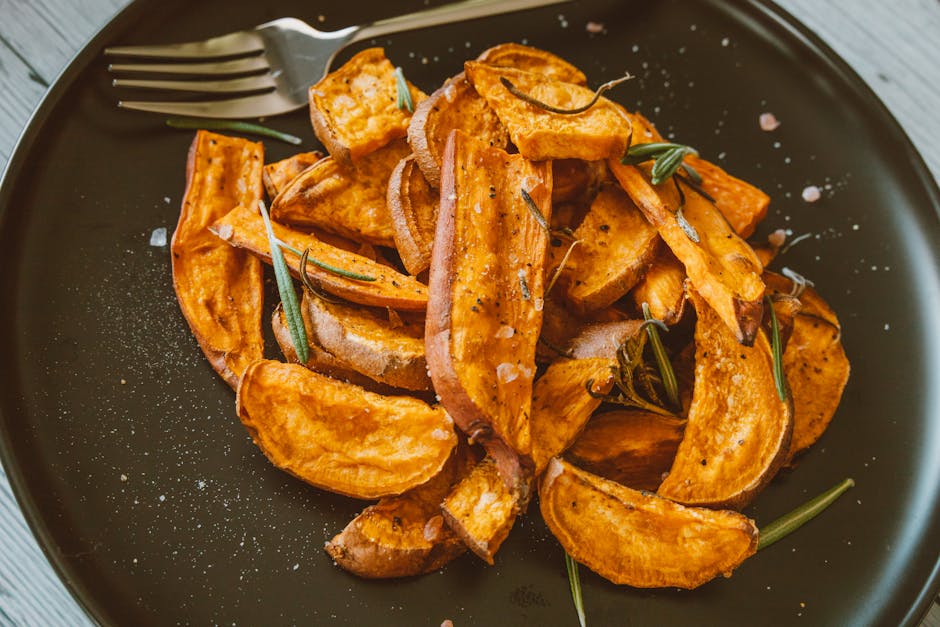
Orange isn’t the only color worth seeking out at the market. Purple sweet potato varieties contain anthocyanins, a class of flavonoid compounds responsible for the deep purple, blue, and red hues found in many fruits and vegetables. Research into anthocyanins and cancer is one of the most active areas in nutritional science right now.
Laboratory studies have shown that anthocyanins from purple sweet potatoes can inhibit the proliferation of cancer cells, trigger apoptosis (programmed cell death) in abnormal cells, and reduce the formation of new blood vessels that tumors rely on for growth. These effects have been demonstrated in colon, breast, and leukemia cell lines in vitro.
Research published in Nutrition and Cancer and related journals found that purple sweet potato extracts significantly reduced tumor growth markers in animal models. The researchers attributed the effect primarily to peonidin and cyanidin, two specific anthocyanins found in high concentrations in the purple variety.
If you can find purple sweet potatoes at your local store or farmers market, they’re worth trying. They taste slightly earthier than the orange variety and hold up well in roasted dishes, soups, and even smoothies. Mixing both orange and purple varieties into your weekly meals gives you a broader spectrum of protective compounds.
Vitamin C, Vitamin E, and the Antioxidant Synergy Effect
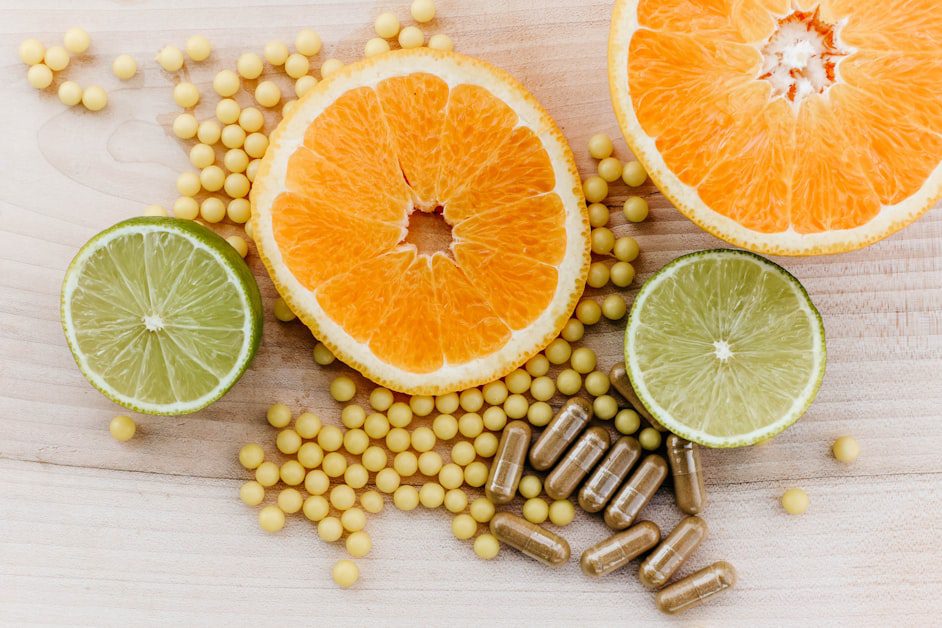
Sweet potatoes are a meaningful source of both vitamin C and vitamin E, two antioxidants that work together in ways that researchers call synergistic. When vitamin C neutralizes a free radical, it temporarily becomes an oxidized, less active form. Vitamin E helps regenerate it back into its active state. This partnership means the two vitamins together provide more protection than either one alone.
A medium sweet potato provides around 25 to 30 percent of the daily value for vitamin C and approximately 10 percent for vitamin E. While these aren’t the highest concentrations you’ll find in any food, they come packaged alongside fiber, potassium, manganese, and the carotenoids already discussed, creating a nutritional matrix that may enhance absorption and effectiveness.
According to the Mayo Clinic, diets rich in antioxidant vitamins from whole fruits and vegetables are associated with better long-term health outcomes, including lower rates of chronic disease. Sweet potatoes contribute meaningfully to this pattern, particularly for people who eat them regularly rather than occasionally.
Dietary Fiber, Gut Health, and Colorectal Cancer Risk

One of the clearest connections between diet and cancer risk involves dietary fiber and colorectal cancer. Research reviewed by the National Center for Biotechnology Information consistently rates the evidence linking high fiber intake to reduced colorectal cancer risk as strong. Sweet potatoes deliver roughly 4 grams of fiber per medium serving, making them a solid contributor to your daily fiber target.
How does fiber protect against colorectal cancer? Several mechanisms are at work. First, fiber speeds the transit of waste through the colon, reducing the time that potential carcinogens from food spend in contact with the intestinal lining. Second, fiber feeds beneficial gut bacteria, which ferment it into short-chain fatty acids like butyrate. Butyrate has been shown to inhibit the growth of colon cancer cells and promote the health of the intestinal epithelium, the cell layer most exposed to dietary compounds.
Sweet potato skin contains a particularly high concentration of fiber, which is one reason to eat it rather than peel it. The skin also contains additional antioxidants, including chlorogenic acid, which shows promising anti-inflammatory activity in laboratory studies. Scrubbing the skin clean and roasting the potato whole preserves both the fiber and the bioactive compounds in the outer layer.
Pair sweet potatoes with other high-fiber foods to build a gut environment that actively supports your body’s natural defenses. If you’re looking for more high-fiber meal inspiration, high-protein snacks under 300 calories offers practical options that stack well with a fiber-rich diet.
Anti-Inflammatory Effects and Cancer Prevention
Chronic inflammation is now understood to be a significant driver of cancer development. When your body is in a state of persistent low-grade inflammation, it creates an environment that can accelerate cellular mutations, promote tumor growth, and suppress immune surveillance. Eating foods that reduce inflammation is one of the most practical strategies for long-term cancer risk reduction.
Sweet potatoes contain several anti-inflammatory compounds, including beta-carotene, vitamin C, manganese, and a group of compounds called protease inhibitors that have been shown to suppress inflammatory signals in animal models. Unlike ultra-processed foods that promote inflammation through refined sugars and industrial seed oils, sweet potatoes have a glycemic response that, particularly when eaten with fat or protein, is moderate and manageable.
A practical way to build more anti-inflammatory eating into your routine is to anchor your meals around vegetables like sweet potatoes, leafy greens, berries, and fatty fish. You don’t need an elaborate protocol. Replacing refined carbohydrates with sweet potatoes a few times per week is a meaningful and sustainable shift that your body will notice over time.
How You Cook Sweet Potatoes Affects Their Cancer-Fighting Nutrients
Not all preparation methods are equal when it comes to preserving sweet potato’s cancer-fighting compounds. Understanding a few basic principles helps you get more from every serving.
Boiling causes significant losses of water-soluble nutrients like vitamin C and some B vitamins, which leach into the cooking water. If you boil sweet potatoes, consider using the water in soups or sauces to recover some of what’s lost.
Roasting at moderate temperatures (around 375 to 400 degrees Fahrenheit) is generally the best method for preserving beta-carotene and anthocyanins. The dry heat concentrates the natural sugars and creates a caramelized exterior that’s both delicious and nutritionally intact.
Steaming is the second-best option, preserving more vitamin C than boiling while still being gentle on the more heat-sensitive compounds.
Pairing with fat is important because beta-carotene and vitamin E are fat-soluble. Your body absorbs these compounds much more efficiently when they’re eaten alongside a source of healthy fat. A drizzle of olive oil, a spoonful of nut butter, or half an avocado served alongside your sweet potato significantly increases the bioavailability of its antioxidants.
One cooking technique to be cautious about: deep frying sweet potatoes at very high temperatures can generate acrylamide, a compound of concern at high dietary exposure. Occasional sweet potato fries aren’t cause for alarm, but they shouldn’t be your primary way of eating them. Roasted, baked, steamed, and mashed preparations are all better options for regular consumption.
How Much Sweet Potato Should You Actually Eat?
There’s no specific prescription for how many sweet potatoes prevent cancer. What research supports is a dietary pattern rich in a variety of colorful vegetables, and sweet potatoes can play a regular role in that pattern without becoming a monotonous staple.
A practical target is three to four servings per week, each consisting of one medium sweet potato (about 200 grams). At this frequency, you’re getting consistent exposure to beta-carotene, fiber, and the other compounds discussed above without over-relying on any single food. Rotating them with other nutrient-dense vegetables like broccoli, spinach, tomatoes, and bell peppers gives you a wider range of protective compounds.
People managing blood sugar levels should note that sweet potatoes, while nutritious, do raise blood glucose. Eating them with protein and fat, rather than alone, smooths out the glycemic response significantly. If you’re working with a healthcare provider on blood sugar management, discuss appropriate portion sizes for your situation.
If you’re building a broader anti-inflammatory and cancer-protective eating strategy, combining sweet potatoes with other evidence-backed dietary changes matters. Regular meals built around whole grains, legumes, colorful vegetables, and lean protein consistently outperform any single superfood in long-term health studies. For practical ideas on building balanced, nutrient-dense meals, fibermaxxing for weight loss and high-protein legume recipes offer meal frameworks that pair naturally with sweet potato.
Frequently Asked Questions
Are sweet potatoes better than regular potatoes for cancer prevention?
Sweet potatoes and white potatoes have different nutritional profiles, and neither is universally superior. Sweet potatoes have significantly higher beta-carotene content and score better on antioxidant measures. White potatoes provide more potassium and have a lower glycemic index than often assumed when eaten with the skin. For cancer-protective purposes, sweet potatoes edge ahead primarily because of their high carotenoid content. That said, the most important thing is eating a variety of vegetables regularly. Replacing white potatoes with sweet potatoes a few times per week is a worthwhile swap, but it shouldn’t crowd out other vegetables that provide different protective compounds.
Can eating sweet potatoes actually reduce cancer risk?
Population studies consistently find that people who eat more carotenoid-rich vegetables have lower rates of certain cancers. The compounds in sweet potatoes, including beta-carotene, anthocyanins, and fiber, have well-documented mechanisms that could explain these associations. However, it’s important to understand that diet is one factor among many that influence cancer risk. Genetics, smoking, alcohol consumption, physical activity, and other lifestyle factors all play significant roles. Sweet potatoes are a genuinely excellent food to eat regularly, and including them in a balanced diet is a reasonable, evidence-backed step toward long-term health protection.
Is it better to eat the sweet potato skin?
Yes, the skin is nutritionally valuable and worth eating when the potato is thoroughly washed. The skin contains a concentrated amount of fiber, antioxidants including chlorogenic acid, and minerals. Chlorogenic acid, in particular, shows promising anti-inflammatory activity in laboratory research. Roasting sweet potatoes whole or halved preserves the skin and actually improves its texture, making it crispy and easy to eat. If you’ve been peeling your sweet potatoes before cooking, try skipping that step and see how you like the roasted version with the skin on.
Do sweet potato supplements work the same way as eating whole sweet potatoes?
Sweet potato supplements, including isolated beta-carotene capsules, do not appear to provide the same benefits as whole sweet potatoes. Research on isolated beta-carotene supplements has actually raised safety concerns in specific populations, most notably showing increased lung cancer rates in heavy smokers taking high-dose supplements in clinical trials. The protective effects observed in population studies are associated with dietary intake from whole foods, where beta-carotene comes packaged with dozens of other compounds that likely work together. The scientific consensus is that you should get your cancer-protective nutrients from food, not isolated supplements, wherever possible.
How do I know if a purple sweet potato is worth buying over an orange one?
Both varieties are worth eating, and if you can find purple sweet potatoes, alternating between them and orange ones is a smart strategy. Orange varieties deliver more beta-carotene, while purple varieties deliver more anthocyanins. Since these two categories of compounds work through different mechanisms and target different aspects of cellular health, eating both gives you broader coverage. Purple sweet potatoes are increasingly available at Asian grocery stores, natural food markets, and farmers markets. They’re slightly more earthy in flavor and hold their texture well in soups and roasted dishes. If price is a concern, orange sweet potatoes are the better value and still deliver exceptional nutrition.
The Bottom Line on Sweet Potato as a Cancer-Fighting Superfood
Sweet potato cancer fighting superfood research leaves little doubt: this vegetable earns its place at the top of any evidence-based nutrition list. Through a combination of beta-carotene, anthocyanins, vitamin C, vitamin E, dietary fiber, and anti-inflammatory compounds, sweet potatoes offer a multi-layered approach to cellular protection that few other single foods can match.
The practical takeaway is simple: eat sweet potatoes regularly, prepare them in ways that preserve their nutrients (roasted or steamed, with a source of fat), eat the skin when possible, and use them as part of a broader diet rich in colorful vegetables, legumes, and whole grains. That dietary pattern, more than any individual superfood, is what population studies consistently link to lower cancer rates and better long-term health.
Three to four servings per week is a realistic and evidence-supported target. That’s enough to build a meaningful intake of cancer-protective compounds without turning your diet into a sweet potato monotony. Start with one more serving per week than you’re currently eating, find two or three preparations you genuinely enjoy, and build from there.
Medical Disclaimer: This content is for informational purposes only and does not constitute medical advice. Consult a qualified healthcare provider before making any health decisions.