
 Lifestyle
 Food & Nutrition
 Fitness

Turmeric curcumin benefits for inflammation are among the most studied in natural medicine, and the clinical evidence is genuinely impressive. Curcumin, the active polyphenol in turmeric, works by blocking the same molecular pathways that prescription anti – inflammatory drugs target, including NF – kB, COX – 2, and TNF – alpha, without the gastric side effects that come with long – term NSAID use.
This guide covers what the research actually shows about turmeric curcumin benefits for inflammation, which conditions respond best, how to dose it effectively, and the critical bioavailability issue that determines whether your supplement works or not.
- 1 What Is Curcumin and How Does It Fight Inflammation?
- 2 Turmeric Curcumin Benefits for Inflammation in Joints and Arthritis
- 3 Curcumin for Gut and Digestive Inflammation
- 4 Turmeric Curcumin Benefits for Inflammation After Exercise
- 5 The Bioavailability Problem: Why Most Turmeric Supplements Fail
- 6 Dosage Guide: How Much Curcumin for Inflammation?
- 7 Safety, Side Effects, and Interactions
- 8 Frequently Asked Questions About Turmeric Curcumin Benefits for Inflammation
- 8.1 How long does it take for turmeric curcumin to reduce inflammation?
- 8.2 Is turmeric curcumin as effective as ibuprofen for inflammation?
- 8.3 Can you take turmeric curcumin every day long – term?
- 8.4 Does cooking with turmeric provide the same benefits as supplements?
- 8.5 What is the best form of curcumin supplement for inflammation?
- 9 The Bottom Line on Turmeric Curcumin Benefits for Inflammation
What Is Curcumin and How Does It Fight Inflammation?
Turmeric (Curcuma longa) is a root spice used for millennia in Ayurvedic and traditional Chinese medicine. Its active compound, curcumin, makes up roughly 2 – 8% of raw turmeric by weight. Most of the turmeric curcumin benefits for inflammation come from curcumin specifically, not from turmeric powder in general, which is why supplementing with a standardized extract containing 95% curcuminoids is far more clinically effective than cooking with turmeric.
At the molecular level, curcumin fights inflammation through multiple simultaneous pathways:
- NF – kB inhibition – Nuclear factor kappa B is the master regulator of pro – inflammatory gene expression. By blocking NF – kB activation, curcumin suppresses the production of dozens of inflammatory mediators at the source
- COX – 2 and LOX inhibition – These enzymes produce prostaglandins and leukotrienes, the molecules responsible for pain, redness, and swelling. NSAIDs like ibuprofen work via the same pathway
- TNF – alpha and IL – 6 reduction – Umbrella review data published in PMC (2025) confirms that curcumin supplementation significantly reduces C – reactive protein (by 0.58 mg/L), TNF – alpha (by 3.48 pg/mL), and IL – 6 (by 1.31 pg/mL) compared to placebo across multiple meta – analyses
- Nrf2 activation – Curcumin activates this antioxidant pathway, boosting the body’s own production of protective enzymes including superoxide dismutase and glutathione peroxidase
This multi – target mechanism is why turmeric curcumin benefits for inflammation are often described as broad – spectrum compared to drugs that target only one inflammatory pathway.
Turmeric Curcumin Benefits for Inflammation in Joints and Arthritis
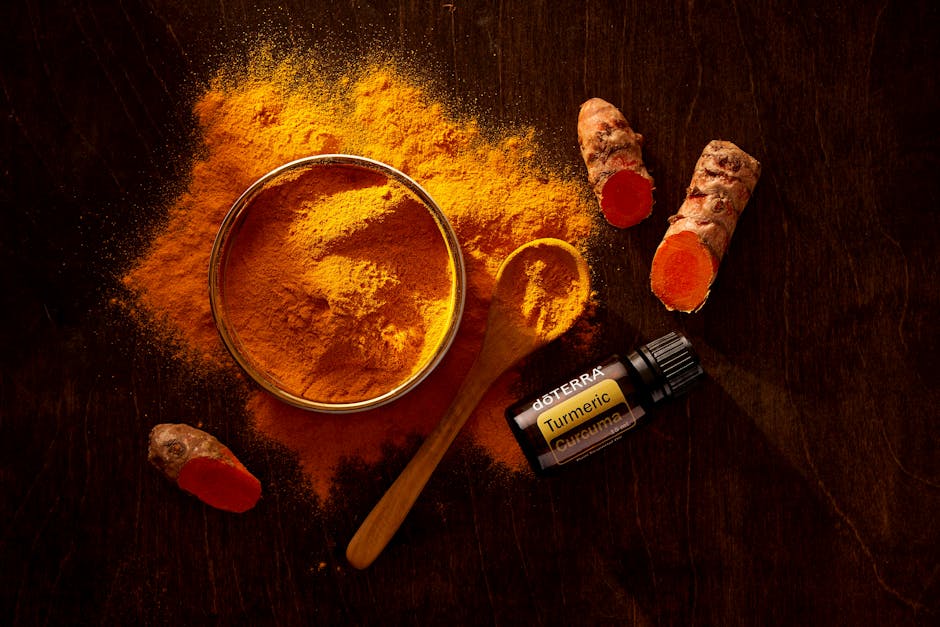
Joint inflammation is the most extensively studied application of turmeric curcumin benefits for inflammation. Both osteoarthritis (wear – and – tear joint damage) and rheumatoid arthritis (autoimmune joint inflammation) have been studied in randomized controlled trials.
According to the Mayo Clinic, turmeric is rated as possibly effective for osteoarthritis, with multiple trials demonstrating pain reduction and improved function comparable to some pharmaceutical treatments.
Key clinical findings:
- In a study comparing curcumin (1.2g/day) to the NSAID phenylbutazone in 18 rheumatoid arthritis patients, curcumin produced comparable improvements in morning stiffness, walking time, and joint swelling after two weeks
- A randomized open – label trial in 45 RA patients found curcumin (0.5g/day for eight weeks) as effective as diclofenac (50mg/day) in reducing disease activity and joint tenderness
- Knee osteoarthritis trials consistently show that turmeric extract reduces pain and inflammatory biomarkers, with the Linus Pauling Institute at Oregon State University noting curcumin’s ability to inhibit IL – 1beta and reduce oxidative stress in joint tissue
The critical advantage of curcumin over NSAIDs for long – term joint support is its gastric safety profile. Long – term NSAID use damages the stomach lining and raises cardiovascular risk. Turmeric curcumin benefits for inflammation come without these concerns at therapeutic doses.
Women experiencing joint stiffness in perimenopause benefit from combining curcumin with omega 3 fish oil, which reduces inflammation through a complementary EPA/DHA pathway, creating a more complete anti – inflammatory strategy than either alone.
Curcumin for Gut and Digestive Inflammation

One of the lesser – discussed turmeric curcumin benefits for inflammation is its impact on the gastrointestinal tract. A 2025 systematic review and meta – analysis published in Frontiers in Nutrition analyzed 13 randomized controlled trials and found curcumin effective in reducing clinical symptoms of ulcerative colitis and Crohn’s disease.
Curcumin reduces intestinal permeability (leaky gut), suppresses gut mucosal inflammation, and lowers fecal calprotectin, a direct marker of bowel inflammation. For people with IBS, curcumin may reduce abdominal pain and cramping through its prostaglandin – inhibiting effects.
The gut – inflammation connection makes curcumin a natural pairing with probiotics. If you are working on gut health from multiple angles, see how the best probiotics for gut health target microbial dysbiosis while curcumin addresses the inflammatory environment directly.
Turmeric Curcumin Benefits for Inflammation After Exercise
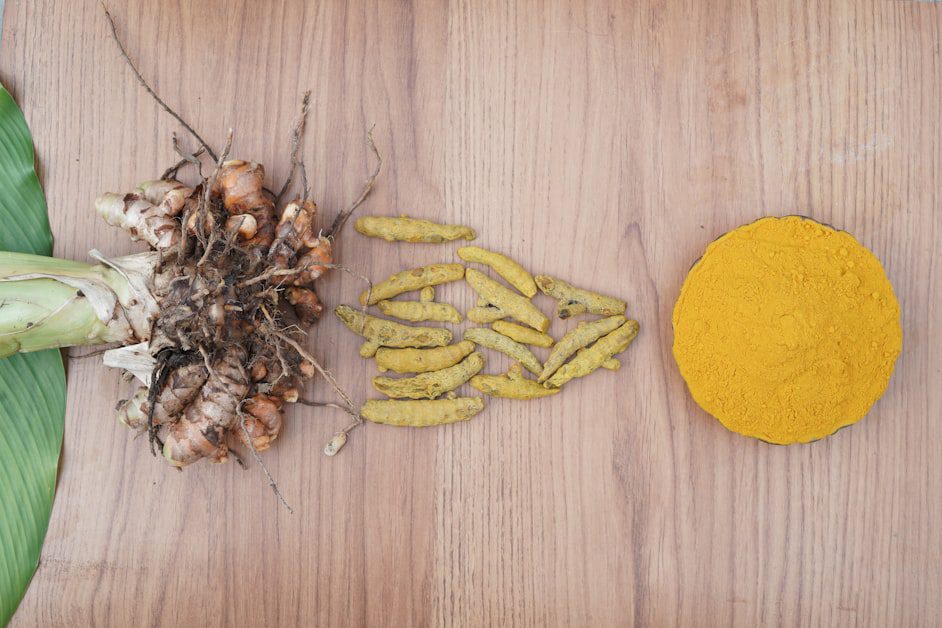
Exercise – induced muscle damage (EIMD) triggers an acute inflammatory response that causes the soreness and stiffness felt 24 – 72 hours after intense training. The turmeric curcumin benefits for inflammation in this context are well – documented and increasingly used by athletes and active adults.
A 2024 systematic review published in the Journal of the International Society of Sports Nutrition found that both pre – and post – exercise curcumin consumption reduces muscle damage biomarkers, decreases pain, and improves antioxidant capacity compared to placebo. The review concluded that curcumin significantly reduces TNF – alpha levels in delayed – onset muscle soreness (DOMS).
For women over 40 engaged in strength training, who face slower recovery due to declining estrogen and mitochondrial efficiency, combining turmeric curcumin benefits for inflammation with CoQ10 provides mitochondrial repair alongside anti – inflammatory support for faster, more complete recovery.
The Bioavailability Problem: Why Most Turmeric Supplements Fail
This is the single most important thing to understand about turmeric curcumin benefits for inflammation: curcumin has extremely poor natural bioavailability. On its own, it is rapidly metabolized and excreted before reaching therapeutic concentrations in tissues. This is why many people report no benefit from cheap turmeric supplements.
The bioavailability problem has been solved by several technologies:
Black Pepper (Piperine)
Adding 20mg of piperine (from black pepper extract) to curcumin increases its bioavailability by approximately 2,000%. This is the most affordable solution and is included in most quality curcumin supplements. Look for “BioPerine” on the label. The combination is often called turmeric with piperine or black pepper curcumin.
Phytosome (Meriva) Technology
Meriva binds curcumin to phosphatidylcholine (a phospholipid found in cell membranes), dramatically improving cellular uptake. Studies show Meriva achieves 29 – fold greater bioavailability compared to standard curcumin. It is the best – studied form for long – term anti – inflammatory use.
Longvida (Solid Lipid Curcumin Particle)
Developed at UCLA, Longvida encapsulates curcumin in lipid particles that protect it through digestion. Shown in clinical studies to achieve higher blood and tissue concentrations than standard curcumin, and particularly well – studied for brain inflammation and cognitive applications.
BCM – 95 (Curcugreen)
BCM – 95 combines curcumin with turmeric essential oils, achieving approximately 6.9 – fold better bioavailability than standard curcumin without piperine. Widely used in clinical trials for arthritis and IBD.
For turmeric curcumin benefits for inflammation in everyday supplementation, a product using either Meriva, BCM – 95, or standard 95% curcuminoids with BioPerine covers most people effectively.
Dosage Guide: How Much Curcumin for Inflammation?
Dosing depends on the form used and the condition being addressed:
- General anti – inflammatory maintenance: 500 – 1,000mg curcumin extract (95% curcuminoids) with BioPerine daily
- Osteoarthritis and joint pain: 500mg curcumin twice daily (1,000mg total) – most clinical trials use this range
- Rheumatoid arthritis: 500mg three times daily (1,500mg total) under medical supervision
- Post – exercise recovery: 400 – 500mg pre – workout and 400 – 500mg post – workout
- Gut inflammation (IBD support): 1,000 – 3,000mg daily alongside standard medical treatment – always with gastroenterologist guidance
Take curcumin with meals containing fat – it is fat – soluble and absorbs significantly better when consumed with dietary lipids like olive oil, avocado, or fish. Avoid taking on an empty stomach, which also increases the rare risk of mild gastric discomfort.
Women managing inflammation from multiple angles benefit from building a layered stack. Magnesium glycinate at night supports muscle relaxation and reduces the cortisol – driven inflammatory response. Combining it with morning curcumin dosing addresses both acute and chronic inflammation across the day.
Safety, Side Effects, and Interactions
Turmeric curcumin benefits for inflammation come with a well – established safety profile at recommended doses. The NIH – published research on curcumin’s anti – inflammatory effects notes that doses up to 8g/day have been used in clinical trials without serious adverse events, though 500 – 2,000mg daily is the practical therapeutic range for most conditions.
Minor side effects at higher doses can include:
- Mild nausea or stomach upset (resolved by taking with food)
- Yellow staining of teeth with powder forms (less common with capsules)
- Loose stools at very high doses (above 3,000mg/day in some individuals)
Important interactions to discuss with your doctor:
- Blood thinners (warfarin) – Curcumin has mild anticoagulant properties; monitor if on anticoagulation therapy
- Diabetes medications – Curcumin may lower blood glucose; potential additive effect with insulin or oral hypoglycemics
- Chemotherapy drugs – Some evidence curcumin may interact with certain chemotherapy agents; oncology supervision required
- Gallbladder disease – Curcumin stimulates bile production; avoid if you have gallstones or bile duct obstruction
Frequently Asked Questions About Turmeric Curcumin Benefits for Inflammation
How long does it take for turmeric curcumin to reduce inflammation?
Most people notice initial turmeric curcumin benefits for inflammation within 4 – 8 weeks of consistent daily supplementation. Joint pain studies typically show measurable improvements at 4 – 6 weeks, with peak benefit at 8 – 12 weeks. Inflammatory blood markers like CRP and IL – 6 often show laboratory improvement within 4 weeks. Unlike NSAIDs, which provide rapid acute relief, curcumin works gradually by modulating the inflammatory pathway rather than blocking it acutely. For chronic inflammatory conditions, allow 2 – 3 months before evaluating full response.
Is turmeric curcumin as effective as ibuprofen for inflammation?
For acute pain (injury, headache), ibuprofen acts faster and more powerfully. For chronic inflammation from arthritis or autoimmune conditions, turmeric curcumin benefits for inflammation appear comparable to low – dose NSAIDs in multiple clinical trials, with the advantage of better long – term safety. Curcumin should not replace prescribed medication without medical guidance, but it is a well – supported adjunct or alternative for mild to moderate chronic inflammatory conditions where long – term NSAID use carries gastric and cardiovascular risk.
Can you take turmeric curcumin every day long – term?
Yes. Long – term daily curcumin use is well – tolerated by most healthy adults. Clinical trials have followed participants taking curcumin daily for 8 months to 2 years without significant safety concerns at 500 – 2,000mg per day. The anti – inflammatory and antioxidant benefits are cumulative over time. Women who are pregnant or breastfeeding should limit supplemental curcumin to culinary amounts and consult their physician, as high – dose supplementation lacks safety data in pregnancy.
Does cooking with turmeric provide the same benefits as supplements?
No, not at the same level. Turmeric powder contains only 2 – 8% curcumin, and a typical teaspoon (3g) of turmeric provides roughly 60 – 200mg of curcumin with very low bioavailability. A quality supplement standardized to 95% curcuminoids with piperine delivers 500 – 1,500mg of highly bioavailable curcumin per serving. Culinary turmeric adds meaningful antioxidant benefit to your diet, but the therapeutic turmeric curcumin benefits for inflammation seen in clinical trials require supplement – level dosing.
What is the best form of curcumin supplement for inflammation?
For most people, a standardized extract (95% curcuminoids) with 20mg BioPerine (piperine) is the most cost – effective form. For joint conditions requiring maximum absorption, Meriva (phytosome) or BCM – 95 are the best – evidenced options. Longvida is preferred for cognitive and neurological inflammation. Regardless of form, avoid buying generic turmeric powder capsules – standardization and bioavailability enhancement are the difference between a supplement that works and one that does not.
The Bottom Line on Turmeric Curcumin Benefits for Inflammation
Turmeric curcumin benefits for inflammation are supported by some of the most robust evidence in the supplement world. From joint pain and arthritis to gut inflammation and post – exercise recovery, curcumin works through genuinely well – understood molecular mechanisms that parallel pharmaceutical anti – inflammatory drugs without the long – term side effects.
The make – or – break factor is bioavailability. Choose a supplement with BioPerine, Meriva, BCM – 95, or Longvida technology, and take it with a fatty meal for maximum absorption. Dose at 500 – 1,000mg daily for maintenance, or up to 1,500mg daily for active joint inflammation, and give it 8 – 12 weeks to demonstrate full effect.
For women building a targeted anti – inflammatory stack, turmeric curcumin benefits for inflammation combine powerfully with omega 3 fish oil (EPA/DHA pathway), ashwagandha (cortisol – driven inflammation), and a quality multivitamin providing the micronutrients that support the body’s own anti – inflammatory enzymes.
Medical Disclaimer: This article is for informational purposes only and does not constitute medical advice. Curcumin interacts with certain medications. Always consult a qualified healthcare provider before starting curcumin supplementation, especially if you take blood thinners, diabetes medications, or are undergoing cancer treatment.