
 Lifestyle
 Food & Nutrition
 Fitness

You snap at someone you love over something small, and two hours later you are lying awake replaying it and feeling seven years old. You fall into a pattern with a partner you swore you would never repeat. You apologize reflexively, shrink in rooms where you should feel comfortable, or give endlessly to people who never ask how you are. You are researching how to heal your inner child as a woman because you already sense that the pattern is not random. It is old. And it is not going anywhere by itself.
The real guide for how to heal your inner child as a woman starts with this: inner child work is not sentiment or therapy jargon. It is a body-based process of integrating the parts of yourself that formed under stress, before you had the vocabulary or the power to respond differently. When a child experiences something frightening, overwhelming, or simply un-witnessed, that experience does not disappear. It gets stored in the nervous system and in the implicit memory, and it runs as an unspoken program in your adult life until something interrupts it. That interruption is what how to heal your inner child as a woman actually is, and this guide walks through what the six wound types look like in adult women, why the nervous system is where the work really lives, and the nine steps that move the needle in practice.
Integration, Not Healed: Why the Language Matters

The first real shift in how to heal your inner child as a woman is replacing the word healed with integrated. Healed implies a destination: a fixed version of you with no more tenderness around childhood pain. Integration is different. Integration means that the wounded younger part of you is no longer running the show from underground. It is known. It is included. It has a seat at the table in your adult life instead of hiding under it and pulling at the tablecloth. You can still be moved by old wounds. Integration means the wound does not make your decisions anymore.
This reframe matters practically because women who pursue inner child healing often feel like failures when the old sensations resurface. The surfacing is not a sign you have not healed. It is a sign the system is working. The National Institutes of Health describes implicit memory as the system that stores emotional and sensory experiences below conscious awareness, and it does not update the way explicit memory does. Progress in inner child work feels more like the wound losing its grip than the wound disappearing entirely.
The Six Childhood Wounds and How They Show Up in Women
Learning how to heal your inner child as a woman for real begins with identifying which wound or wounds are driving your patterns. Most inner child pain clusters around six wound types. They are not diagnoses. They are the felt conclusions a child drew about herself and the world when her nervous system could not process what was happening.
1. The Abandonment Wound
In how to heal your inner child as a woman, this is the most common wound. Core belief: People always leave. Adult pattern: clinging in relationships, intense anxiety when someone is distant or delayed in responding, choosing emotionally unavailable partners and then working compulsively to earn their presence. In women, this often reads as hyper-attuned relational monitoring. You are always reading the temperature of the room, the tone of a text, the silence after a request.
2. The Rejection Wound
In how to heal your inner child as a woman, this wound is the engine of perfectionism. Core belief: I am fundamentally flawed and unwantable. Adult pattern: withdrawing before someone can reject you first, perfectionism as pre-emptive armor, difficulty receiving genuine positive regard because the body does not believe it is real. The rejection wound is closely linked with low self-worth in women and often drives the proving treadmill.
3. The Humiliation Wound
The third wound in how to heal your inner child as a woman. Core belief: My needs are shameful and I am a burden. Adult pattern: shrinking physical space, difficulty asking for help, over-apologizing, deep shame when needs are visible. The humiliation wound is the one behind the woman who eats standing at the kitchen counter so as not to bother anyone.
4. The Betrayal Wound
The fourth pattern in how to heal your inner child as a woman. Core belief: I cannot trust people to keep their word. Adult pattern: hypervigilance in relationships, difficulty delegating or relying on others, control as a coping mechanism, intense anger when someone is unreliable. In women, this often manifests as doing everything yourself because experience taught you that waiting for help means it never comes.
5. The Injustice Wound
In how to heal your inner child as a woman, this wound creates the rigidest adult armor. Core belief: The world is cold and unfair and nobody sees what is happening. Adult pattern: rigid perfectionism, intense frustration when rules are not followed, difficulty relaxing into imperfection, a permanent background feeling that you are being treated unfairly. This wound often develops in cold, critical households where warmth was withheld for no clear reason the child could identify.
6. The Mistrust Wound
The sixth wound in how to heal your inner child as a woman. Core belief: Danger is everywhere and I must stay alert. Adult pattern: chronic hypervigilance, difficulty resting, scanning for threat in neutral situations, trouble trusting positive experiences (waiting for the other shoe to drop). This is the wound most directly tied to a dysregulated nervous system, and it is why nervous system regulation is a prerequisite for inner child work, not an add-on.
Why the Nervous System Is Where the Work Actually Lives
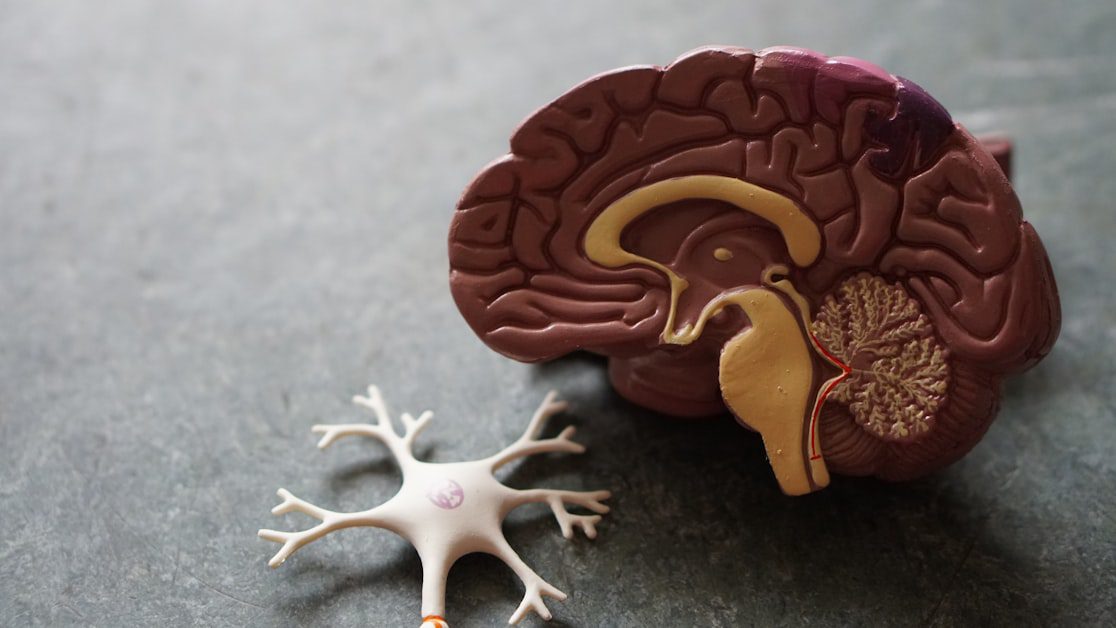
Most written advice about how to heal your inner child as a woman focuses on journaling, visualization, and affirmations. These are useful. They are not sufficient. Childhood wounds are not stored in your journal. They are stored in your nervous system, your posture, your gut response, and the microsecond decisions your body makes before your conscious mind catches up. The Cleveland Clinic describes the vagus nerve as the main highway of the parasympathetic nervous system, and polyvagal theory extends this by showing that a child who grew up in an unsafe environment develops a nervous system that defaults to defensive states, even in safe adult environments.
This is why you can intellectually know that you are safe and still feel like the seven-year-old version of yourself when a partner uses a particular tone. The intellectual knowing is cortical. The fear response is subcortical. Inner child work, to actually work, has to happen at the level where the wound lives, which means body-first, then mind.
How Inner Child Wounds Show Up Specifically in Women

There is a female-specific layer in how to heal your inner child as a woman that shifts everything that most generic guides skip entirely. Women are socialized to externalize their wounded inner child rather than own it. The abandonment wound becomes hyper-vigilant caregiving of everyone else. The humiliation wound becomes self-effacement framed as politeness. The rejection wound becomes people-pleasing framed as generosity. The wounds go underground and wear socially acceptable clothing, which is why so many women do not identify with having a wounded inner child at all. They think they are just helpful, or just a giver, or just someone who prefers to handle things alone.
The female tell is almost always in the body: the held breath when someone is displeased, the small collapse in the chest when someone takes credit for your work, the hypervigilance disguised as social attunement, the exhaustion that appears most strongly when you finally sit still and have nothing left to manage.
How to Heal Your Inner Child as a Woman: Nine Steps
These nine steps form the working core of how to heal your inner child as a woman in practice. They are not a linear process. You will move through them in waves, circle back, and find that one step unlocks another you thought you had already done.
Step 1: Identify Your Primary Wound
Step 1 in how to heal your inner child as a woman: go back to the six wound types above. Which core belief makes your chest tighten when you read it? Which adult pattern do you recognize without having to think? You may carry more than one wound, but the primary one is usually the most expensive. It is the belief that has cost you the most in relationships, in opportunities, and in how you treat yourself. Name it out loud. Writing it down in a single sentence strips it of some of its ambient power.
Step 2: Find the First Memory
Sit quietly and ask yourself: when did I first feel this? Do not force an answer. Let the body respond first. Most women find that the first memory connected to their primary wound is not a single dramatic event but a recurring texture: the feeling of being unseen at the dinner table, the way laughter stopped when she walked in, the pattern of never being comforted after crying. That texture is the wound’s earliest form.
Step 3: Establish the Inner Adult First
Step 3 in how to heal your inner child as a woman requires the inner adult to be stable first. Before you can tend to the wounded child, you need the inner adult to be stable. The inner adult is the part of you that can stay present when old feelings surface without being swept away by them. This is built by nervous-system work: slow exhales, grounded posture, a hand on the sternum, orienting exercises (looking around the room and naming five things you can see). The inner adult does not have to be calm. It has to be present.
Step 4: Make Contact With the Younger You
Step 4 in how to heal your inner child as a woman brings you into direct contact. Find a photo of yourself from the age you believe the primary wound formed. Look at her. Let the adult version of you respond to the child version, not the other way around. What does she need to hear? She does not need a motivational speech. She needs to know she is not alone, that what happened was not her fault, and that she does not have to manage it by herself anymore. Say these things out loud if you can. The body registers spoken words differently than written ones.
Step 5: Use the Non-Dominant Hand
Step 5 in how to heal your inner child as a woman goes beyond writing. This is one of the most reliable somatic techniques in inner child work. Take a journal. Write a question to your inner child with your dominant hand. Switch to your non-dominant hand and let her respond. The non-dominant hand bypasses the cognitive editing brain and accesses a more direct, unfiltered voice. The writing will look different. The content often surprises people. What comes through is frequently less dramatic than expected and more specific: she wanted someone to notice. She was tired. She wanted someone to sit with her.
Step 6: Body-Hold Practices
The butterfly hug, a core somatic practice in how to heal your inner child as a woman, involves crossing the arms over the chest and alternately tapping the shoulders, is used in EMDR therapy to provide bilateral stimulation and self-soothing. Three minutes of this with eyes closed while imagining the younger version of yourself is a somatic intervention, not a visualization exercise. Your body does not distinguish between an imagined experience of safety and a real one at the level of the nervous system response. Hold your younger self. Rock if you need to. Let the feelings move.
Step 7: Reparent the Recurring Moment
Step 7 in how to heal your inner child as a woman targets the automatic pattern. Identify one recurring adult pattern connected to your wound. The reflexive apology. The withdrawal when a partner seems busy. The compulsive over-delivering at work. The next time this pattern activates, pause before acting from it and ask: how old does this feel right now? If the answer is not adult, your inner child has just been triggered. Speak to her internally before responding externally. You do not have to announce this to anyone. It is a three-second inner move: I see you. I have got this. You do not have to handle this part.
Step 8: Grieve What Was Missing
Step 8 in how to heal your inner child as a woman is the hardest. This is the step most people skip because it requires tolerating pain without fixing it. Genuine inner child healing includes grief: grief for the childhood that did not happen, for the parent who could not show up, for the little girl who managed things alone that she should never have had to manage. Grief does not need to be dramatic. It can be a few minutes of sitting with the sadness without turning it into a story or a self-improvement plan. Grief that is witnessed by your own inner adult is the mechanism that allows the wound to shift. The burnout recovery process for women and inner child work both stall at this step for the same reason: sitting with pain without fixing it is the hardest thing the high-functioning nervous system knows how to do.
Step 9: Build the New Internal Relationship
Step 9 confirms that how to heal your inner child as a woman is ultimately about building a new ongoing relationship with the younger part of yourself, not completing a task. Check in with her regularly. Ask what she needs. Notice when she goes quiet (suppression) and when she gets loud (a triggered state). Treat this as you would any relationship that matters: with consistency, attention, and repair when you get it wrong. The inner relationship is the template for every external relationship you have. As it changes, they change.
What Changes as You Integrate
When how to heal your inner child as a woman is working, the changes are not dramatic. They are quiet and structural. You stop apologizing before you have done anything wrong. You notice you can sit in a tense moment without immediately trying to fix it. You choose differently in a situation that used to be automatic. You catch the pattern mid-sentence instead of three days later. You feel the old feeling and recognize it for what it is: old, not true, not the present, not a verdict on who you are now.
The body changes too. Chronic tension in the shoulders and jaw often releases as the nervous system stops bracing. Sleep improves as the threat-scanning system quiets. The exhaustion that comes from managing an internal landscape no one else can see begins to lift.
Frequently Asked Questions
What does an unhealed inner child look like in an adult woman?
Common patterns: chronic people-pleasing, choosing emotionally unavailable partners, rage or shutdown disproportionate to the current situation, difficulty receiving care or compliments, compulsive over-giving, hypervigilance in relationships, perfectionism as protection, and a persistent background feeling of not being enough or being too much.
How long does inner child work take?
In how to heal your inner child as a woman, meaningful shifts in recurring patterns typically begin within 90 days of consistent practice. Deeper integration of complex childhood wounds often takes one to three years and benefits significantly from a trauma-informed therapist. The question is less about timeline and more about consistency: small, regular contact with the inner child is more effective than intensive bursts followed by long gaps.
Can I do inner child work without a therapist?
Yes, for surface-level wound work. If your childhood included significant trauma, neglect, abuse, or a parent with an untreated mental illness, working with a licensed trauma-informed therapist dramatically reduces the risk of retraumatization and speeds integration. The nine steps above are safe for independent work with wounds that feel manageable.
Why do I feel worse before I feel better when doing inner child work?
Because the work involves finally feeling things that were not safe to feel at the time. The initial increase in emotion is not a sign that something is wrong. It is a sign that the suppression is lifting and the material is moving. Most people feel significantly lighter by week four to six if they stay consistent and maintain the inner adult stability from Step 3.
Is inner child work the same as therapy?
It is one tool used within several therapeutic modalities including EMDR, Internal Family Systems, and somatic experiencing. You can practice the basics independently, but full therapeutic inner child work is a clinical intervention. The practices in this guide are self-directed and are not a replacement for professional mental health care.
Conclusion
In conclusion, how to heal your inner child as a woman is not about returning to childhood or excusing adult behavior with childhood pain. It is about ending the unconscious delegation of your adult decisions to a part of yourself that formed before she had any real power. The six wound types give you a map. The nine steps give you a practice. The nervous system gives you the actual terrain. Start with the primary wound. Build the inner adult. Make contact. Grieve what was missing. The woman who is waiting on the other side of this work is not new. She is the one who was always underneath the survival strategies, trying to get your attention.
This article is for educational purposes only and is not a substitute for professional mental health care. If your childhood wounds include trauma, abuse, or neglect, please work with a licensed trauma-informed therapist.
Related Articles
- How to Release Limiting Beliefs as a Woman: 8 Body-Based Steps That Actually Work
- How to Let Go of Perfectionism as a Woman: 9 Shifts That Actually Work
- How to Stop People Pleasing as a Woman: 9 Shifts That Actually Work
Free tools from Just Health Life
Sleep CalculatorWater Intake CalculatorAll 24 calculators →Educational content, not medical advice. See our medical disclaimer and editorial policy.