
Knowing how to regulate nervous system anxiety is one of the most powerful skills you can develop for long-term mental health. When anxiety hijacks your body, you are not weak or broken; your nervous system is stuck in survival mode, and it needs targeted tools to find its way back to calm. The good news is that neuroscience has given us exactly that: a toolkit of body-based techniques that work with your physiology rather than against it.
This guide covers 10 evidence-backed techniques to help you regulate nervous system anxiety, reduce chronic stress, and build lasting emotional resilience. You will also learn why so much generic relaxation advice fails, what nervous system dysregulation actually looks like, and how long you can realistically expect results. According to the National Institute of Mental Health, anxiety disorders affect 31% of adults at some point in their lives, making effective regulation strategies essential knowledge.
What Is Nervous System Dysregulation?
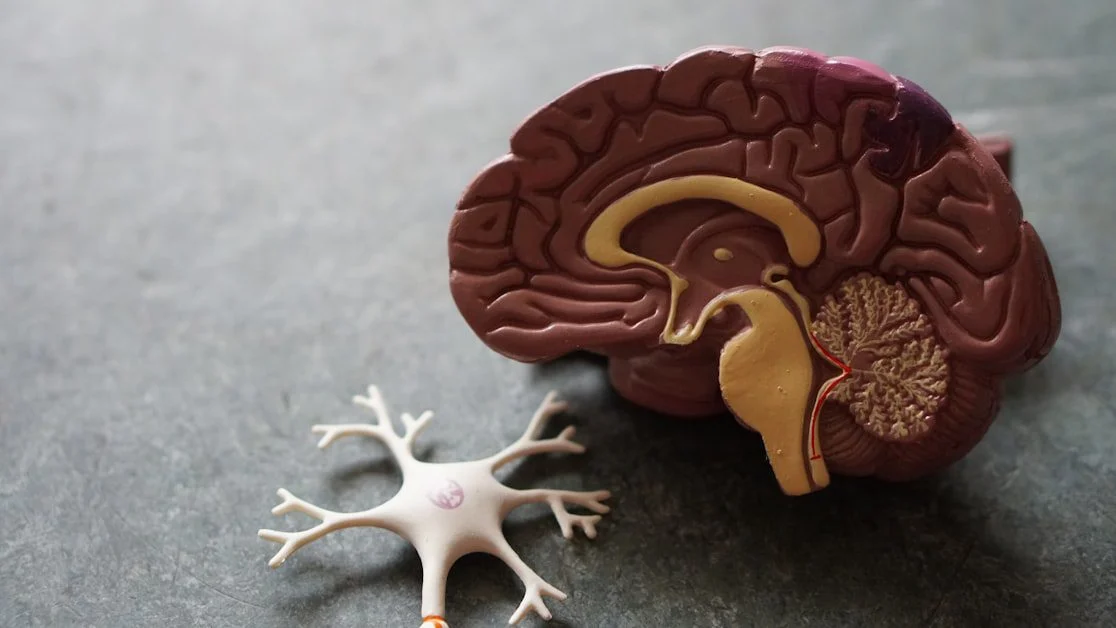
Your autonomic nervous system (ANS) has two main branches: the sympathetic nervous system (fight-or-flight) and the parasympathetic nervous system (rest-and-digest). Under normal conditions, these two systems balance each other. When you face a stressor, your sympathetic nervous system activates. When the threat passes, your parasympathetic nervous system brings you back to baseline.
Understanding this process is the foundation for knowing how to regulate nervous system anxiety. Dysregulation happens when your nervous system gets stuck. Chronic stress, trauma, sleep deprivation, and ongoing anxiety can keep your body in a prolonged state of high alert, even when no real danger exists. Your brain keeps sending emergency signals, and your body keeps responding as though a threat is imminent. Over time, this dysregulation can look like:
- Constant tension in your neck, shoulders, or jaw
- Racing heart or shallow breathing at rest
- Feeling irritable or on edge without a clear reason
- Emotional numbness or disconnection
- Difficulty sleeping even when exhausted
- Digestive issues, headaches, or fatigue
- Feeling overwhelmed by everyday tasks
Recognizing these signs in yourself is not a diagnosis; it is information. It tells you that your nervous system needs support, not more willpower.
Why “Just Relax” Does Not Work
If you have ever been told to “just breathe” or “try to relax” during an anxiety spiral, you know how useless that advice feels. The reason is rooted in neuroscience.
Psychiatrist and researcher Dr. Stephen Porges developed Polyvagal Theory, which explains that the nervous system has three distinct states: a safe, social state (ventral vagal); a mobilized, fight-or-flight state (sympathetic); and a shutdown, freeze state (dorsal vagal). When your system has dropped into fight-or-flight or freeze, the rational thinking part of your brain (the prefrontal cortex) is partially offline. Telling yourself to calm down is a top-down, cognitive approach, and it has limited reach when your body is flooded with stress hormones.
Effective nervous system regulation uses bottom-up approaches: signals sent from the body to the brain through breath, movement, temperature, and sensation. These signals speak the language your nervous system actually understands.
How to Regulate Nervous System Anxiety: 10 Science-Backed Techniques
1. The Physiological Sigh (Extended Exhale Breathing)
Research from Stanford University identifies the physiological sigh as the fastest way to reduce acute stress. It involves a double inhale through the nose followed by a long, slow exhale through the mouth. The double inhale fully inflates the lungs and re-opens collapsed air sacs. The extended exhale activates the parasympathetic nervous system by stimulating the vagus nerve.
Try it: Inhale deeply through your nose, sniff once more to top up your lungs, then exhale slowly through your mouth until your lungs are empty. Repeat 2-3 times. Studies show this can lower heart rate and subjective stress within 30 seconds.
2. Box Breathing (4-4-4-4)
Box breathing is used by Navy SEALs and first responders to manage high-stress situations. It regulates the autonomic nervous system by creating a rhythmic breathing pattern that activates the parasympathetic response. Inhale for 4 counts, hold for 4, exhale for 4, hold for 4. A 2023 study in the Journal of Neurophysiology found that controlled breathing patterns directly influence the brain’s emotional regulation centers.
3. Cold Water on Your Face
Splashing cold water on your face activates the mammalian diving reflex. This hard-wired physiological response immediately slows the heart rate and shifts the nervous system toward parasympathetic dominance. Even brief cold exposure, like washing your face with cool water or holding ice cubes, can interrupt an anxiety spiral within minutes. The vagus nerve, which runs through your face and neck, is directly stimulated by the temperature change.
4. Grounding Techniques (5-4-3-2-1)
Grounding works by redirecting your attention from internal anxiety signals to present-moment sensory input, which interrupts the rumination loop. The 5-4-3-2-1 method asks you to name 5 things you can see, 4 you can touch, 3 you can hear, 2 you can smell, and 1 you can taste. This sensory inventory engages the prefrontal cortex and sends safety signals to the amygdala, your brain’s threat-detection center. For a complete guide, see our post on grounding techniques for anxiety and panic attacks.
5. Vagus Nerve Stimulation Through Humming or Singing
The vagus nerve is the primary pathway of the parasympathetic nervous system, running from your brainstem to your abdomen. Humming, singing, or even gargling activates the muscles in the back of the throat that directly stimulate the vagus nerve. Research published in Frontiers in Psychiatry found that vagal stimulation reduces anxiety symptoms and improves heart rate variability, a key marker of nervous system resilience. Try humming your favorite song for 60 seconds when anxiety spikes.
6. Progressive Muscle Relaxation (PMR)
PMR involves systematically tensing and releasing muscle groups throughout the body. The practice teaches your nervous system the contrast between tension and relaxation, making it easier to identify and release chronic physical holding patterns associated with anxiety. A meta-analysis in Applied Psychophysiology and Biofeedback confirmed that regular PMR significantly reduces anxiety symptoms across a range of populations. Start at your feet, tense for 5 seconds, release, and move upward through your body.
7. Somatic Movement and Shaking
Animals in the wild naturally shake after a threatening event to discharge stress hormones from the body. Humans have largely lost this instinct. Trauma therapist Peter Levine’s Somatic Experiencing model has documented that intentional shaking or gentle trembling helps release stored tension from the nervous system. Try shaking out your hands, arms, and legs for 1-2 minutes, or try a body shake where you loosen all your joints and let everything move freely. This is particularly effective after a stressful meeting, confrontation, or anxiety episode.
8. Start Your Day with a Regulation Routine
Your nervous system is most malleable in the first hour after waking. Cortisol naturally peaks in the morning, which is why anxiety often feels worst then. A consistent morning regulation practice can set the tone of your entire nervous system for the day. This might include 5 minutes of breathwork, sunlight exposure, gentle movement, and avoiding your phone for the first 30 minutes. For a step-by-step structure, see our morning routine to reduce anxiety.
9. Journaling for Emotional Processing
Writing about anxious thoughts and feelings externalizes them, reducing their intensity. Research from the University of Texas found that expressive writing reduces physiological arousal and promotes emotional regulation over time. The act of translating emotion into words activates the prefrontal cortex and reduces amygdala reactivity. This is not journaling as diary-keeping; it is a targeted emotional processing practice. Structured prompts are especially effective. See our guide to anxiety journal prompts for women to get started.
10. Co-Regulation: Seeking Safe Connection
Polyvagal Theory highlights that humans are wired for co-regulation. Being in the calm presence of a trusted person, hearing a soothing voice, receiving a gentle touch, can shift your nervous system state from threat to safety faster than any solo technique. This is why talking to a close friend, calling a family member, or even being near a calm pet can ease anxiety quickly. If you struggle with isolation or find that anxiety worsens in social situations, our article on signs of high functioning anxiety in women may help you understand what is happening.
How Long Does It Take to Regulate Your Nervous System?
This is one of the most important questions, and it has two honest answers.
In the moment: Techniques like the physiological sigh, cold water on the face, and box breathing can shift your nervous system within 30 seconds to 5 minutes. These are acute regulation tools.
Long-term resilience: Building a nervous system that recovers from anxiety quickly and stays regulated under stress takes consistent practice over 4-8 weeks. Research on heart rate variability, a reliable nervous system measure, shows meaningful improvement after 6-8 weeks of daily breathwork or mindfulness practice. Think of it like building a muscle: one workout helps acutely, but a month of training changes your baseline capacity.
If you are managing high functioning anxiety, burnout, or chronic stress, the process may take longer, especially without professional support. You can read more about how unmanaged anxiety accumulates in our post on signs of burnout in women. The key is consistency over intensity: five minutes daily outperforms one hour once a week.
Lifestyle Factors That Support Nervous System Regulation
To effectively regulate nervous system anxiety over the long term, your daily habits need to support your regulation work. Chronic sleep deprivation, diets high in processed food and sugar, caffeine overuse, and constant screen exposure all keep the nervous system in a state of low-level dysregulation. The Mayo Clinic notes that lifestyle factors including sleep, nutrition, and stress management are foundational to anxiety treatment. Supporting your nervous system between acute regulation sessions matters as much as the sessions themselves.
- Sleep: 7-9 hours per night is the single most effective nervous system reset available
- Magnesium glycinate: Supports GABA production, the brain’s primary calming neurotransmitter
- Limit caffeine after 2pm: Caffeine has a half-life of 5-7 hours and directly elevates cortisol
- Nature exposure: Even 20 minutes outdoors measurably reduces cortisol levels
- Limit news and social media: Chronic information overload is a genuine physiological stressor
If medication is part of your anxiety management plan, these techniques complement rather than replace it. Learning how to regulate nervous system anxiety through lifestyle adjustments is a long game, but a powerful one. For non-medication approaches to anxiety more broadly, see our evidence-based guide on how to reduce anxiety without medication.
The nervous system settles fastest in sleep, and the page on how to fall asleep faster covers what to do in the hours before bed and in the minutes when it will not come.
Frequently Asked Questions
How do I know if my nervous system is dysregulated?
Common signs include chronic muscle tension (especially in the neck, shoulders, and jaw), difficulty falling or staying asleep, feeling constantly on edge or easily startled, digestive problems, persistent fatigue despite adequate rest, and feeling emotionally numb or disconnected. These symptoms can overlap with anxiety disorders, so consulting a healthcare provider for a full evaluation is worthwhile if symptoms are persistent or severe.
Can I regulate my nervous system on my own without therapy?
Yes, many people achieve significant improvement through consistent self-practice of the techniques listed here. However, if your anxiety stems from trauma, PTSD, or a clinical anxiety disorder, working with a trained therapist (particularly one versed in somatic approaches, EMDR, or Polyvagal-informed therapy) will accelerate your progress and provide a safety net for deeper regulation work. Self-regulation and therapy are not either/or; they are complementary.
What is the fastest way to regulate your nervous system during an anxiety attack?
The physiological sigh (double inhale, slow extended exhale) and cold water on the face are the fastest acute interventions, often producing measurable heart rate reduction within 30-60 seconds. Grounding techniques (5-4-3-2-1) and calling a trusted person for co-regulation are also highly effective for interrupting a panic or anxiety episode. Avoid trying to suppress or fight the anxiety; working with the body rather than against it is always more effective.
Does exercise help regulate the nervous system?
Absolutely. Regular aerobic exercise is one of the most well-researched nervous system regulation tools available. It lowers baseline cortisol, improves heart rate variability, increases GABA and serotonin, and builds the prefrontal cortex’s capacity to regulate the amygdala. Even a 20-minute walk has been shown to reduce anxiety symptoms for up to 2 hours. Consistency matters more than intensity for nervous system benefits.
Is nervous system dysregulation the same as anxiety?
They are closely related but not identical. Nervous system dysregulation is a physiological state in which the ANS is stuck in sympathetic overdrive or dorsal vagal shutdown. Anxiety is the psychological and emotional experience that often accompanies this state. You can experience nervous system dysregulation without labeling it as anxiety, and vice versa. Treating the underlying dysregulation often reduces anxiety symptoms significantly.
Conclusion
Knowing how to regulate nervous system anxiety is not about achieving permanent calm; it is about building the capacity to recover faster. Your nervous system is not broken; it is adaptive. With consistent, body-based practice, you can shift your baseline from chronic activation to genuine resilience.
Start with one or two techniques from this list, practice them daily for two weeks, and notice what changes. The physiological sigh takes 30 seconds. Box breathing takes 3 minutes. A morning regulation routine takes 10 minutes. These are small investments that compound into meaningful, lasting change.
You do not have to white-knuckle your way through anxiety. Your body already knows how to find calm; these techniques simply remind it how.
Medical disclaimer: This article is for informational and educational purposes only and does not constitute medical advice. If you are experiencing severe anxiety, panic disorder, or symptoms that interfere with daily functioning, please consult a qualified healthcare provider or mental health professional. Never discontinue prescribed medication without medical supervision.
Related Articles
- Signs Your Nervous System Is Dysregulated (And How to Fix It)
- Nervous System Reset for Women Over 40: Why It Hits Harder and How to Heal
- 10 Grounding Techniques for Anxiety and Panic Attacks That Work Fast
Sources
- NIH National Institute of Mental Health. Anxiety Disorders – National Institute of Mental Health (NIMH).
- Mayo Clinic. Mayo Clinic.