
 Lifestyle
 Food & Nutrition
 Fitness

Seed cycling for hormone balance is one of the most discussed naturopathic practices in women’s health communities, and also one of the most misunderstood. The concept is simple: eat specific seeds during each phase of your menstrual cycle to support estrogen in the first half and progesterone in the second. But most explanations stop at the protocol without ever explaining the mechanism, and that is where the confusion starts.
The mechanism matters because it tells you what seed cycling can realistically do, what it cannot do, and why the details, specifically which seeds, how much, and whether they are ground or whole, determine whether the practice has any effect at all. This guide covers the actual biochemistry behind seed cycling for hormone balance, what the available research shows, and how to apply it correctly at every life stage including perimenopause when the standard protocol does not directly apply.
What Is Seed Cycling
Seed cycling, also called seed rotation, is a dietary practice that involves consuming different seeds during the two main phases of the menstrual cycle. During the follicular phase (roughly days 1 to 14, from menstruation to ovulation), you consume one to two tablespoons each of ground flaxseeds and raw pumpkin seeds daily. After ovulation, during the luteal phase (days 15 to 28), you switch to one to two tablespoons each of raw sunflower seeds and sesame seeds daily.
The goal is to use the nutrients in each seed group to support the hormonal activity appropriate to each phase: estrogen in the follicular phase and progesterone in the luteal phase. The practice has roots in naturopathic medicine and has grown significantly in online wellness communities, with millions of women reporting cycle improvements after consistent use over three to four months.
Seed cycling is not a pharmaceutical intervention. It works by supporting the body’s existing hormone-producing mechanisms through specific dietary compounds, not by adding hormones or synthetic modulators. If you already have symptoms of estrogen dominance or signs of low progesterone, seed cycling addresses the nutritional side of the equation, which is meaningful but not sufficient on its own for significant hormonal pathology.
How Seed Cycling for Hormone Balance Actually Works

The mechanism is more specific than most articles explain. There are three primary pathways through which seed cycling influences hormone balance, and each operates through different compounds in the four seeds.
Lignans and the SHBG pathway: Flaxseeds and sesame seeds are exceptionally high in plant lignans. Flaxseeds contain approximately 294mg of lignans per 100g, while sesame seeds contain around 834mg per 100g, making sesame the highest dietary lignan source available. When consumed, these plant lignans are converted by gut bacteria into mammalian lignans: enterolactone and enterodiol. These enterolignans act as weak phytoestrogens but their more significant hormonal effect is on sex hormone-binding globulin (SHBG).
SHBG is the protein that binds to estrogen and testosterone in the blood, rendering them inactive. Higher SHBG means less free (biologically active) estrogen circulating. Enterolignans from flaxseed and sesame have been shown to increase SHBG production in the liver, which effectively reduces the free estrogen load. This is why seed cycling has theoretical value for estrogen dominance, not because it blocks estrogen directly, but because it increases the protein that binds it. No competitor article explains this SHBG pathway, which is the actual primary mechanism.
Zinc and LH receptor sensitivity: Pumpkin seeds are one of the richest dietary sources of zinc, providing approximately 2.2mg per ounce. Zinc is a direct cofactor in luteinizing hormone (LH) secretion and in LH receptor expression on granulosa cells in ovarian follicles. Better LH receptor sensitivity means more responsive follicular development, which produces a higher-quality corpus luteum after ovulation, which in turn secretes more progesterone. This is the same mechanism covered in detail in the guide to foods that increase progesterone naturally. Consuming pumpkin seeds during the follicular phase targets precisely this pathway, supporting ovulation quality before the luteal phase begins.
Vitamin E and selenium for luteal support: Sunflower seeds are among the highest dietary sources of vitamin E (alpha-tocopherol), providing approximately 7.4mg per ounce, roughly 49% of the daily recommended intake. Vitamin E protects the corpus luteum from oxidative degradation during the luteal phase and is directly associated with higher luteal-phase progesterone in observational studies. Sesame seeds provide selenium (approximately 2.5mcg per tablespoon), which is a required cofactor for the enzyme that converts inactive thyroid hormone T4 to active T3. Women with subclinical hypothyroidism, a condition closely associated with luteal phase defect and progesterone insufficiency, may see additional benefit from consistent selenium intake.
Why Grinding Seeds Is Non-Negotiable
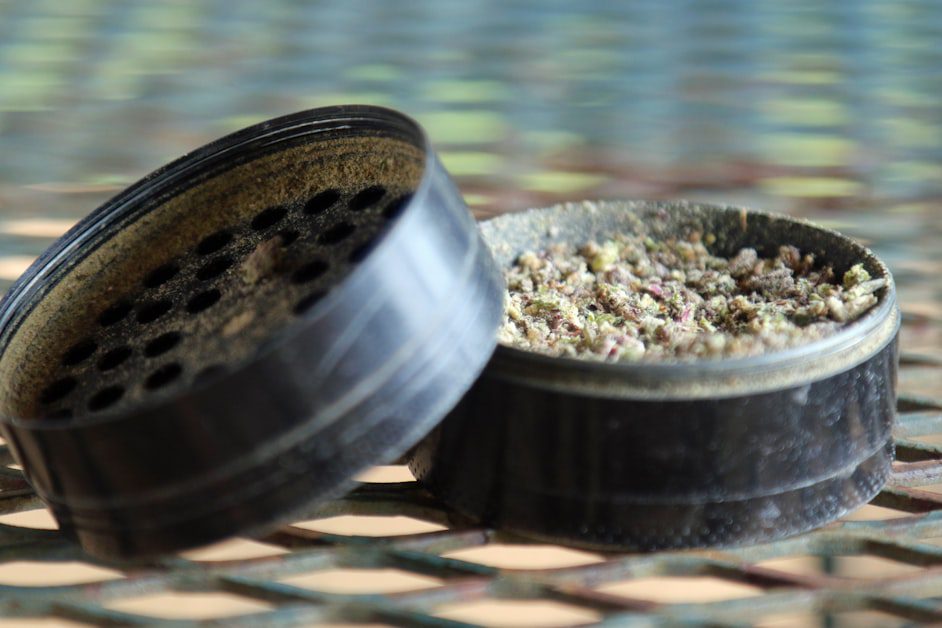
This is the single most practical detail that the majority of seed cycling guides bury in a footnote or skip entirely. The lignans in flaxseeds are stored in the outer seed coat. Whole flaxseeds pass through the digestive tract largely intact, with very limited lignan extraction. Ground flaxseeds release lignans into the gut where bacteria can convert them to enterolactone and enterodiol. The bioavailability difference between whole and ground flaxseeds is not marginal: a study published in the Journal of the American Dietetic Association found that enterolactone levels were significantly higher after consuming ground versus whole flaxseeds.
The practical implication: whole seeds used in seed cycling deliver far less of the active lignan compounds that drive the SHBG mechanism. All four seeds should be consumed ground or crushed. A standard coffee grinder works for small weekly batches. Ground seeds should be stored in an airtight container in the refrigerator and used within five to seven days, since the omega-3 fatty acids oxidize after grinding and rancid seeds provide no benefit. Pre-ground seeds sold in bulk are often already partially oxidized before purchase.
The Full Seed Cycling Protocol

The protocol divides the cycle into two seed phases, matched to the follicular and luteal hormonal environments.
Follicular phase (Days 1-14: menstruation to ovulation):
- 1 tablespoon freshly ground flaxseeds
- 1 tablespoon raw pumpkin seeds (lightly crushed or ground)
- Consumed daily, ideally with a meal containing fat to support fat-soluble compound absorption
The flaxseed lignans support SHBG regulation during the rising estrogen phase. The pumpkin seed zinc supports follicular development and prepares the granulosa cells for an LH surge, which is the trigger for ovulation and corpus luteum formation. This phase is more important for progesterone outcomes than the luteal phase itself, because follicular quality determines corpus luteum quality.
Luteal phase (Days 15-28: ovulation to menstruation):
- 1 tablespoon raw sunflower seeds (lightly ground)
- 1 tablespoon sesame seeds or tahini (tahini is already ground)
- Consumed daily, with a meal
The sunflower seed vitamin E protects the corpus luteum and supports progesterone output during the active luteal phase. The sesame seed lignans and selenium continue SHBG support and provide thyroid cofactors. For detailed information on what else to eat during this window, the guide to the best foods to eat during the luteal phase covers the broader nutritional picture including GABA support and serotonin pathways that seed cycling does not address.
What the Research Actually Shows
Honest assessment: the direct evidence for seed cycling as a complete protocol is limited. There are no large randomized controlled trials on seed cycling itself. What exists is mechanistic evidence for the individual components and a small number of studies on specific seeds.
The most important study is Phipps et al. (1993), published in the Journal of Clinical Endocrinology and Metabolism, which found that flaxseed supplementation in healthy women lengthened the luteal phase of the menstrual cycle and increased the luteal-to-follicular progesterone ratio. This is direct evidence that flaxseed consumption affects cycle structure, which is the primary claim of follicular-phase seed cycling.
A 2023 study of 90 women with PCOS published in a peer-reviewed clinical journal found that seed cycling combined with dietary portion control significantly reduced LH and FSH imbalance, two hallmark markers of PCOS-related ovulatory dysfunction. The limitation of this study is that it cannot isolate seed cycling from the dietary changes made simultaneously.
A case study published in PMC in 2024 documented a 29-year-old with PCOS who achieved clinical pregnancy after six months combining seed cycling with Myo-inositol supplementation. Her cycle normalized and hormone levels improved, though the multi-intervention design means seed cycling alone cannot be credited.
The honest summary: seed cycling is supported by mechanistic plausibility and limited clinical evidence, not definitive RCT data. The individual nutrients involved (lignans, zinc, vitamin E, selenium) have strong independent evidence for the mechanisms described above. Whether consuming them in the seed cycling pattern, timed to cycle phases, produces additive benefits over consuming them in a general diet has not been directly tested.
Seed Cycling for Irregular Cycles and Perimenopause
The standard seed cycling protocol assumes a 28-day cycle with reliable ovulation. This assumption fails for two large groups of women: those with irregular cycles (including PCOS, post-birth control, amenorrhea) and those in perimenopause with increasingly anovulatory cycles.
For irregular cycles without a clear ovulation date: Use the moon cycle as a proxy. Begin the follicular phase seeds (flax and pumpkin) on the new moon and switch to the luteal phase seeds (sunflower and sesame) on the full moon. The rationale is that before artificial light disrupted circadian rhythms, lunar light cycles influenced ovulation timing in mammals. While this is not evidence-based in the strict sense, it provides a practical 14-day switching framework that mimics a regular cycle for women who cannot track ovulation.
For perimenopause: Perimenopausal women increasingly experience anovulatory cycles, where the cycle occurs without ovulation and therefore without corpus luteum formation. If you have early signs of perimenopause, some cycles may be ovulatory and others not. When there is no ovulation, there is no corpus luteum, and the luteal phase seed protocol has no corpus luteum to support. In this context, seed cycling’s value shifts from progesterone support (which requires ovulation) to SHBG modulation and adrenal nutrient support. Continuing both phases on a 14-day rotation provides consistent lignan, zinc, vitamin E, and selenium delivery regardless of whether a particular cycle is ovulatory.
How Long Does Seed Cycling Take to Work
Consistent seed cycling requires a minimum of three to four menstrual cycles before most women notice measurable changes. This timeline exists because the follicular development supported by zinc and lignans in one cycle feeds into the corpus luteum quality of the next, and hormonal patterns take several cycles to shift. Expecting results within one cycle is the most common reason women abandon the practice prematurely.
Women typically report the first changes in luteal phase symptoms (reduced breast tenderness, less PMS, longer luteal phase) before they notice changes in cycle regularity or mid-cycle energy. Tracking basal body temperature and cycle length provides more objective feedback than symptom observation alone.
Seed cycling works best as one layer of a broader hormonal support approach. Blood sugar stability, cortisol management, adequate sleep, and reducing xenoestrogen exposure from plastics and personal care products all influence the hormonal environment that seed cycling is trying to support. Seed cycling in isolation, without addressing these factors, produces slower and less consistent results.
Frequently Asked Questions
Does seed cycling actually balance hormones?
Seed cycling for hormone balance works through specific mechanisms: flaxseed and sesame lignans increase SHBG production, which lowers free estrogen; pumpkin seed zinc supports LH receptor sensitivity and follicular development; sunflower seed vitamin E protects corpus luteum function and progesterone output. These are real, researched mechanisms. However, seed cycling is not a drug and cannot override significant hormonal pathology. It is most effective as a nutritional support layer for women with mild to moderate hormonal imbalances, PMS, or irregular cycles, used consistently over three to four months.
Do seeds need to be ground for seed cycling?
Yes, grinding is essential, especially for flaxseeds. Whole flaxseeds pass through the digestive tract with minimal lignan extraction because the lignans are bound in the outer seed coat. Ground flaxseeds allow gut bacteria to access and convert lignans into the active forms (enterolactone and enterodiol) that modulate SHBG. Pumpkin and sunflower seeds benefit from crushing to improve zinc and vitamin E absorption. Sesame seeds can be used as tahini, which is already ground and often more bioavailable. Grind seeds fresh in small batches and refrigerate to prevent oxidation.
Can you do seed cycling with PCOS?
Yes, and PCOS is one of the conditions with the most specific evidence for seed cycling. The LH-to-FSH ratio imbalance characteristic of PCOS, where LH is elevated and FSH is relatively low, may be supported by zinc and lignan intake. A 2023 clinical study of 90 women with PCOS found that seed cycling alongside dietary changes improved LH and FSH balance. Women with PCOS often have irregular or absent ovulation, so using the moon cycle protocol (new moon to switch to follicular seeds, full moon to switch to luteal seeds) provides a practical framework when cycle tracking is not possible.
Can you do seed cycling after menopause?
Seed cycling can be continued post-menopause but its function changes. Without a menstrual cycle, the phase-specific timing becomes less meaningful. The value lies in the consistent delivery of lignans for SHBG modulation (relevant for managing estrogen-related risks in postmenopausal women), zinc for immune and hormonal enzyme function, vitamin E for cardiovascular and cellular protection, and selenium for thyroid conversion support. Many postmenopausal women use a simple 14-day rotation regardless of lunar cycle as a way to maintain consistent intake of these nutrients.
What happens if you miss a day of seed cycling?
Missing a day has minimal impact. Seed cycling works through cumulative nutritional support over weeks and months, not through precise daily dosing. If you miss a day, simply continue with the appropriate seeds for your current cycle phase the next day. Do not double the quantity to compensate: one to two tablespoons per seed type per day is the evidence-informed range, and exceeding this does not accelerate results and may cause digestive discomfort from excess fiber.
Seed Cycling for Hormone Balance: The Bottom Line
Seed cycling for hormone balance is neither magic nor placebo. It is a nutritional protocol with genuine mechanistic plausibility: flaxseed and sesame lignans modulate free estrogen through SHBG; pumpkin seed zinc supports ovulation quality and corpus luteum formation; sunflower seed vitamin E protects the luteal phase; sesame selenium supports thyroid hormone conversion. Each mechanism is individually supported by research. Whether the timed, phase-specific protocol produces superior results to simply eating these seeds consistently has not been definitively tested.
The practical approach: grind your seeds fresh, follow the phase protocol, track your cycle for at least three months before evaluating results, and use seed cycling as one part of a broader approach that includes blood sugar stability, cortisol management, and reducing environmental estrogen exposure. For most women, three to four cycles of consistent practice produces noticeable changes in luteal phase symptoms, PMS severity, and cycle regularity.
If your hormonal symptoms are severe or affecting quality of life, seed cycling is a supportive tool, not a replacement for medical evaluation. A day-21 serum progesterone test, a full thyroid panel including free T3, and an assessment of estrogen metabolism give a clearer picture of what is driving your symptoms and what interventions will have the most impact.
Medical disclaimer: This article is for informational purposes only and does not constitute medical advice. Hormonal symptoms should be discussed with a qualified healthcare provider. Seed cycling is a dietary practice and is not a substitute for medical treatment of diagnosed hormonal conditions.
Related Articles
- Nervous System Reset for Women Over 40: Why It Hits Harder and How to Heal
- Symptoms of Estrogen Dominance in Women: 9 Signs and What Actually Helps
- How to Improve Gut Health Naturally
Get the exact numbers for your body
Answer 7 quick questions and get your calorie target, protein goal and a plan that fits how you actually live. Takes 2 minutes, completely free.
Build my free plan →2 minutes · Free · No card neededFree tools from Just Health Life
BMI CalculatorBlood Pressure CheckerAll 24 calculators →Educational content, not medical advice. See our medical disclaimer and editorial policy.




Appreciate the thorough research here. Studies consistently show that combining CoQ10 with healthy fats significantly improves absorption. The ubiquinol form also tends to be more bioavailable than ubiquinone.
Great practical advice. Published research suggests that methylated forms of B vitamins are better absorbed – especially when it comes to genetic variations affecting folate metabolism. Timing and form really matter for supplement effectiveness.
Sofortige Auszahlungen können das Online-Spiel von Anfang an deutlich angenehmer machen. Auf einer Plattform mit sofortiger Auszahlungsfunktion profitieren Ntzer von mehr Flexibilität beim Umgang mit ihrem
Guthaben. Diese Form von Bequemlichkeit schafft eine angenehmere Atmosphäre.
Viiele Anwender schätzen außerdem leicht verständliche
Informationen, moderne Zahlungsfunktionen und eine übersichtliche Oberfläche.
Dadyrch ergibt sich eiin positives und leicht nutzbares Erlebnis.
Schnelle Auszahlungen können das Online-Spiel deutlich angenehmer und flexibler machen. Bei einem digitalen Casino mit rascher Bearbeitung
von Gewinnen könnenSpieler ihre Gewinne früher verwenden. Besonders positiv wirken zusätzlich klr formulierte
Bedingungen, moderne Zahlungsfunktionen und eine übersichtliche Oberfläche.
Dadurch ergibt sich ein modernes und gut organisiertes Erlebnis.
This is really helpful for consumers navigating health lifestyle. One additional consideration – research shows bioavailable forms like magnesium glycinate have better absorption and fewer GI side effects compared to oxide forms. It can make a meaningful difference in outcomes.