
 Lifestyle
 Food & Nutrition
 Fitness

If your back pain worse after sitting all day keeps following you to bed, you’re not alone. Nearly 39% of U.S. adults report experiencing back pain in any given three-month period, and prolonged sitting is one of the most common triggers. The problem doesn’t end when you leave the desk, though. What you do before bed and how you position yourself while sleeping can either help your spine recover or make the damage worse overnight.
Most people with desk jobs spend 7 to 10 hours sitting during the workday, and research shows that workers with back pain sit an average of 34 hours per week. That kind of sustained compression on your lumbar discs needs active recovery, and sleep is where that recovery either happens or falls apart. The good news? A few targeted changes to your nighttime routine can break the cycle of waking up stiffer than when you went to bed.
This article walks you through exactly why sitting creates the kind of back pain that follows you to bed, which sleep positions actually help, and what you can do in the 30 minutes before sleep to give your spine its best chance at healing overnight.
- 1 Why Is Back Pain Worse After Sitting All Day?
- 2 Best Sleep Positions When Back Pain Is Worse After Sitting All Day
- 3 Bedtime Stretches That Undo the Damage from Sitting
- 4 Your Mattress and Pillow Setup Can Make or Break Recovery
- 5 Evening Habits That Reduce Overnight Back Pain
- 6 How Your Daytime Sitting Posture Directly Affects Sleep Quality
- 7 When to See a Doctor About Back Pain Worse After Sitting All Day
- 8 Frequently Asked Questions
- 8.1 Why does my back feel worse in the morning after sitting all day at work?
- 8.2 Is a firm mattress better for back pain from sitting?
- 8.3 Should I sleep with a pillow under my knees if I sit at a desk all day?
- 8.4 How long does it take for sleep position changes to help back pain?
- 8.5 Can stretching before bed actually help back pain from sitting?
- 9 Conclusion
Why Is Back Pain Worse After Sitting All Day?

Sitting places roughly 40% more pressure on your lumbar spine compared to standing. When you sit for hours without breaks, the intervertebral discs in your lower back compress unevenly, and the muscles that support your spine gradually fatigue and tighten. By the time evening arrives, your hip flexors have shortened, your glutes have essentially switched off, and your lower back muscles are working overtime to compensate.
This chain reaction doesn’t stop when you lie down. Shortened hip flexors pull your pelvis into an anterior tilt, which increases the curve in your lower back even while you’re on your mattress. If you sleep on your stomach or in a position that reinforces this tilt, you’re essentially maintaining the same damaging posture from your desk chair for another 7 to 8 hours.
According to the National Institute of Neurological Disorders and Stroke, most low back pain is mechanical, meaning it stems from how the structures of the back move and bear loads rather than from infections or serious disease. That’s actually encouraging because it means the right sleep habits can directly address the root cause. If you’re spending your workday sitting at a desk with lower back pain, what you do at night matters just as much as your office setup.
Best Sleep Positions When Back Pain Is Worse After Sitting All Day

Your sleep position either supports spinal recovery or works against it. For people whose back pain worse after sitting all day follows them to bed, these positions are the most effective.
Back sleeping with knee support. Lie on your back and place a pillow or rolled towel under your knees. This takes your hip flexors out of that shortened position they’ve been locked in all day and allows your lumbar spine to settle into a neutral curve. It’s the single most recommended position by orthopedic specialists for desk workers with lower back pain.
Side sleeping with a pillow between your knees. If you’re a side sleeper, place a firm pillow between your knees to keep your hips, pelvis, and spine aligned. Without it, the top leg drops forward, rotating your pelvis and placing torsional stress on an already irritated lower back. Draw your knees up slightly toward your chest, which gently opens the facet joints in your lumbar spine and reduces compression.
Avoid stomach sleeping. This is the worst position for anyone dealing with sitting-related back pain. Stomach sleeping forces your lumbar spine into hyperextension, compresses the facet joints, and keeps your hip flexors in a shortened state all night long. If you can’t break the habit immediately, place a thin pillow under your pelvis to reduce the arch in your lower back.
Bedtime Stretches That Undo the Damage from Sitting

The 15 to 20 minutes before bed are your best window for undoing what sitting did to your spine. When back pain worse after sitting all day hits hardest in the evening, these stretches specifically target the muscle groups that tighten during prolonged desk work.
Supine figure-four stretch. Lie on your back, cross one ankle over the opposite knee, and gently pull the bottom leg toward your chest. Hold for 30 seconds per side. This targets the piriformis and deep hip rotators that tighten during sitting and often refer pain into the lower back and sciatic nerve pathway.
Knee-to-chest stretch. Pull both knees gently toward your chest and hold for 30 to 45 seconds. This decompresses the lumbar spine and stretches the erector spinae muscles that have been working to keep you upright all day. Rock gently side to side for additional relief.
Half-kneeling hip flexor stretch. Kneel on one knee with the opposite foot flat on the floor in front of you. Shift your hips forward until you feel a deep stretch in the front of your hip. Hold for 30 seconds per side. Tight hip flexors are the number-one contributor to nighttime lower back pain in desk workers.
Cat-cow stretch. On all fours, alternate between arching your back and rounding it. Do 10 slow repetitions. This mobilizes the entire spine and helps reset the movement patterns that get locked up from sitting. For more detailed stretching routines, check out our guide on the best stretches for back pain from sitting all day at a desk.
Your Mattress and Pillow Setup Can Make or Break Recovery
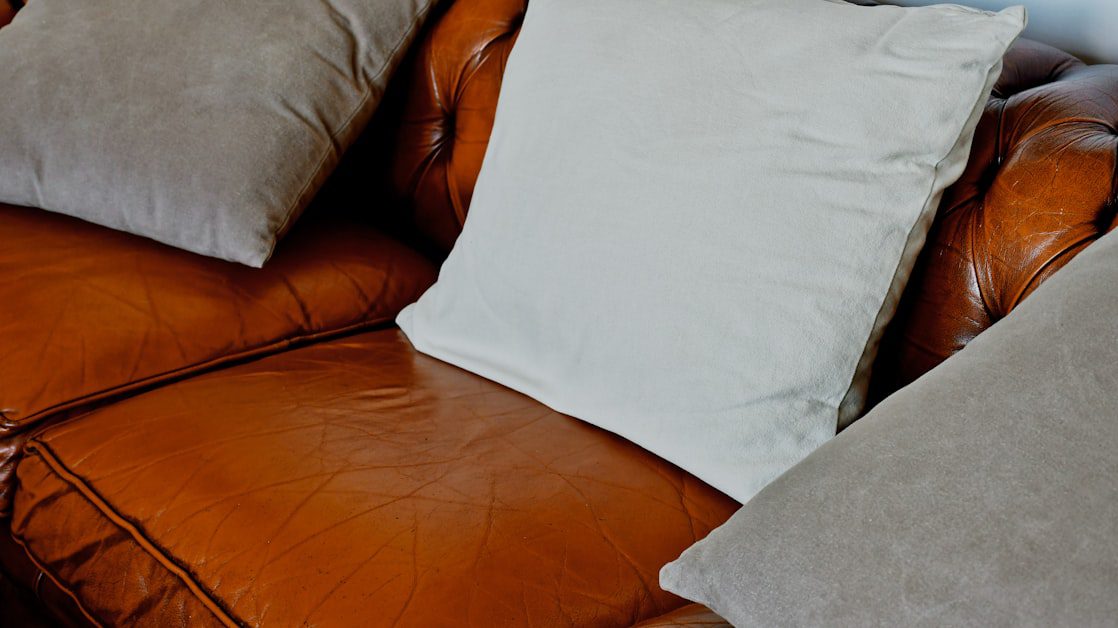
The surface you sleep on plays a bigger role than most people realize, especially when your back pain worse after sitting all day has become a nightly problem. Research published in The Lancet found that medium-firm mattresses led to better outcomes for people with chronic lower back pain compared to firm mattresses. The idea that a hard surface is always better for your back is a myth.
A medium-firm mattress supports the natural curves of your spine while allowing enough give at the shoulders and hips to prevent pressure points. If your mattress is more than 8 years old and you’re waking up stiff, it’s likely lost the support characteristics it had when new.
Pillow placement matters just as much. Back sleepers need a relatively flat pillow that doesn’t push the head forward, maintaining the natural cervical curve. Side sleepers need a thicker pillow that fills the gap between the shoulder and ear, keeping the neck aligned with the spine. And don’t forget the supporting pillows: one under the knees for back sleepers, one between the knees for side sleepers.
If buying a new mattress isn’t in the budget, a 2 to 3 inch medium-density memory foam topper can significantly improve the support characteristics of a sagging or overly firm mattress.
Evening Habits That Reduce Overnight Back Pain
What you do in the two hours before bed can determine whether your back recovers or stiffens overnight. People who find their back pain worse after sitting all day often overlook these simple evening adjustments.
Take a warm shower or bath before bed. Heat increases blood flow to stiff muscles and helps them relax. A 15-minute warm shower focused on your lower back can reduce muscle tension enough to noticeably improve sleep comfort. The drop in body temperature afterward also signals your brain that it’s time to sleep.
Walk for 10 to 15 minutes after dinner. A short evening walk reverses many of the postural imbalances from sitting. It re-engages your glutes, gently stretches your hip flexors with each stride, and helps decompress the lumbar discs. According to the CDC’s Physical Activity Guidelines, even light activity like walking provides meaningful health benefits, and for desk workers with back pain, the evening timing is particularly strategic.
Stop sitting at least 30 minutes before bed. If you go from your office chair to the couch to your bed, you’re giving your spine zero transition time. Stand, walk around, or lie on the floor with your legs elevated on a chair for the last 30 minutes before sleep. This allows your discs to begin rehydrating before you even get into bed.
Building an anti-inflammatory morning routine for back pain complements these evening habits and creates a full recovery cycle around your sleep.
How Your Daytime Sitting Posture Directly Affects Sleep Quality
It’s tempting to treat daytime sitting and nighttime sleeping as separate problems, but they’re deeply connected. Poor sitting posture during the day creates muscle imbalances that persist through the night, and those imbalances determine whether sleep is restorative or damaging.
When you slouch in a chair, your thoracic spine rounds forward, your shoulders roll inward, and your head shifts ahead of your center of gravity. Your body adapts to this position over months and years, and those adaptations don’t disappear when you lie down. Instead, you carry them into sleep as muscle tightness, reduced range of motion, and altered spinal curves.
The Take-a-Stand Project, a workplace intervention study, found that reducing sitting time by just 66 minutes per day decreased upper back and neck pain by 54%. That reduction in daytime pain translated directly into better evenings and more restful sleep for participants. Small posture corrections during the day create compounding benefits at night.
Try setting a timer every 45 minutes during your workday to stand, stretch, or walk for two minutes. People who develop the habits that conquer chronic low back pain understand that prevention during the day is just as important as recovery at night. The two work together.
When to See a Doctor About Back Pain Worse After Sitting All Day
Most sitting-related back pain responds well to the sleep and lifestyle adjustments described above. But some symptoms require professional evaluation, and it’s important to know the difference.
See a doctor if your back pain is accompanied by numbness or tingling that radiates down one or both legs, if you experience weakness in your legs or feet, or if pain is severe enough to wake you from sleep despite trying different positions. These could indicate a herniated disc, spinal stenosis, or nerve compression that needs targeted treatment.
The Mayo Clinic recommends seeking immediate care if back pain follows a fall or injury, or if it occurs alongside bladder or bowel control problems. While these situations are rare among desk workers, they shouldn’t be ignored.
For persistent pain that hasn’t improved after 4 to 6 weeks of consistent sleep position changes, stretching, and daytime posture corrections, a physical therapist can identify specific muscle imbalances and create a personalized recovery program. Sometimes targeted exercises like pelvic tilts for lumbar back pain can address the exact dysfunction that generic stretching misses.
Frequently Asked Questions
Why does my back feel worse in the morning after sitting all day at work?
When you sit for extended periods, your hip flexors shorten and your lumbar discs compress unevenly. If your sleep position doesn’t actively counteract these changes, the stiffness compounds overnight. During sleep, reduced blood flow and inactivity allow inflammation to settle into already-irritated tissues. Adding a pillow under your knees and doing 5 minutes of stretching before bed can significantly reduce morning stiffness by keeping your spine in a neutral, decompressed position while you rest.
Is a firm mattress better for back pain from sitting?
Not necessarily. Research published in The Lancet found that medium-firm mattresses actually produced better outcomes for chronic low back pain than firm ones. A medium-firm surface supports your spine’s natural curves while allowing enough cushion at pressure points like your shoulders and hips. If your current mattress is too firm, a memory foam topper can add the right amount of give. The key is that your spine stays aligned in its natural S-curve, without sagging at the waist or being pushed up by an overly rigid surface.
Should I sleep with a pillow under my knees if I sit at a desk all day?
Yes, if you’re a back sleeper, this is one of the most effective changes you can make. Placing a pillow under your knees tilts your pelvis slightly and takes tension off your hip flexors, which have been shortened from sitting. This allows your lumbar spine to settle into a neutral position rather than being pulled into an exaggerated arch. The pillow doesn’t need to be thick. A standard bed pillow or a rolled bath towel works perfectly. Side sleepers should place the pillow between their knees instead.
How long does it take for sleep position changes to help back pain?
Most people notice a difference within 3 to 7 nights of consistently using a new sleep position. However, significant improvement in chronic sitting-related back pain typically takes 2 to 4 weeks of combining better sleep positions with bedtime stretching and daytime posture corrections. Your muscles and ligaments need time to adapt to the new alignment. Don’t give up after one or two nights if you don’t feel dramatic improvement. Track your morning stiffness level daily so you can spot gradual progress that might otherwise go unnoticed.
Can stretching before bed actually help back pain from sitting?
Absolutely. Bedtime stretching is one of the most effective interventions for desk workers with lower back pain. Stretches that target the hip flexors, piriformis, and lumbar erectors directly counteract the muscle shortening and stiffness caused by prolonged sitting. Even 5 to 10 minutes of targeted stretching before bed can reduce pain intensity and improve sleep quality. The key is consistency. Doing a thorough stretch routine once a week won’t produce results, but 5 minutes every night before bed creates cumulative benefits that build over time.
Conclusion
When back pain worse after sitting all day follows you to bed, what you do at night can either accelerate your recovery or deepen the problem. The combination of proper sleep positioning, targeted bedtime stretches, the right mattress setup, and smart evening habits creates a recovery window that your spine desperately needs after hours of desk work.
Start with the easiest change tonight: put a pillow under or between your knees, depending on whether you sleep on your back or side. Add one or two bedtime stretches this week. Then gradually build in the evening habits that round out the routine. Small, consistent changes beat dramatic overhauls every time, and your back will thank you within the first week.
Medical Disclaimer: This content is for informational purposes only and does not constitute medical advice. Consult a qualified healthcare provider before making any health decisions.