
 Lifestyle
 Food & Nutrition
 Fitness

Adding morning stretches for lower back pain to your daily routine is one of the most effective, research-supported ways to reduce stiffness and start the day moving comfortably. If you have ever rolled out of bed and felt that familiar tightness or dull ache in your lower back, you are not alone. Lower back pain is one of the leading causes of disability worldwide, and morning stiffness is something millions of people deal with every single day. The good news is that a short, consistent stretching routine done before you even leave your bedroom can make a significant difference.
This guide walks you through the best stretches for morning lower back relief, explains why your back feels worse first thing in the morning, and gives you a practical routine you can start today. Whether your pain comes from sleeping positions, tight muscles, or a chronic condition like a herniated disc, these stretches are designed to gently mobilize your spine and release tension before your day begins.
You don’t need any equipment, a gym membership, or a lot of time. Ten to fifteen minutes is enough to feel a real difference. The key is doing it consistently and doing it correctly.
- 1 Why Your Back Feels So Stiff in the Morning
- 2 How Morning Stretching Relieves Lower Back Pain
- 3 The 7 Best Morning Stretches for Lower Back Pain
- 4 How Long and How Often Should You Stretch?
- 5 Common Mistakes to Avoid When Stretching Your Lower Back
- 6 Making Your Morning Stretch Routine Actually Stick
- 7 Frequently Asked Questions
- 7.1 Is it safe to stretch your lower back every morning?
- 7.2 How long does it take to see results from morning stretching?
- 7.3 Should I stretch before or after getting out of bed?
- 7.4 Can morning stretches replace physical therapy for lower back pain?
- 7.5 What stretches should I avoid if I have a herniated disc?
- 8 Conclusion
Why Your Back Feels So Stiff in the Morning

Most people assume morning back pain means they slept in a bad position. While that can be a factor, the real reason goes deeper. While you sleep, your intervertebral discs, the soft cushioning pads between your spinal vertebrae, rehydrate by absorbing fluid. This is actually a healthy process, but it also means that first thing in the morning, your discs are slightly swollen and your spine is under more pressure than at any other time of day.
At the same time, your muscles have been inactive for six to eight hours. Without movement, soft tissue and fascia (the connective tissue that wraps around your muscles) stiffen and lose some flexibility. Hip flexors, which run from your lower back to the front of your hips, are especially prone to tightening overnight because you spend hours in a flexed position. When these muscles are tight, they tug on your lumbar vertebrae and create that familiar pulling sensation.
According to the National Institute of Arthritis and Musculoskeletal and Skin Diseases (NIAMS), most lower back pain is mechanical, meaning it is driven by how the muscles, discs, and joints move and load rather than any serious underlying disease. That is actually good news, because it means targeted movement, including morning stretching, can directly address the root cause.
If you also struggle with back pain at your desk, our guide on the best sitting positions for lower back pain pairs well with this stretching routine.
How Morning Stretching Relieves Lower Back Pain

Stretching works through several overlapping mechanisms. First, it increases blood flow to the muscles and spinal structures, delivering oxygen and nutrients that help tissues recover from overnight rest. Second, it gradually restores range of motion by lengthening shortened muscle fibers and reducing fascial adhesions that build up with inactivity. Third, gentle movement encourages the spine to distribute that morning disc pressure more evenly, reducing localized loading on any one segment.
Research supported by the Mayo Clinic consistently identifies stretching and movement as first-line strategies for managing lower back pain. Studies have found that people who stretch regularly report lower pain scores, better functional mobility, and improved quality of life compared to those who rely on rest alone. The key finding: passive rest actually prolongs recovery in most cases of mechanical back pain. Gentle movement is almost always better.
Morning is the ideal time to stretch specifically because you are catching your body before the cumulative loading of the day begins. By warming up your spine before sitting at a desk, lifting, or driving, you reduce the risk of a small movement triggering a pain flare.
The 7 Best Morning Stretches for Lower Back Pain

These seven stretches target the muscles and joints most responsible for lower back stiffness: the lumbar spine, hip flexors, glutes, piriformis, and hamstrings. Do them in order for the best results, since the sequence gently progresses from passive to slightly more active movements.
1. Knee-to-Chest Stretch
Lie on your back with your knees bent and feet flat on the bed or floor. Slowly draw one knee toward your chest, holding it with both hands just below the knee. Hold for 20 to 30 seconds, feeling the release in your lower back and glute. Switch sides. This is the gentlest way to start, as it does not require your spine to bear any load.
2. Double Knee-to-Chest
After the single-leg version, bring both knees toward your chest and gently rock side to side. This massages the lower lumbar muscles and provides a mild traction effect on the spine. Hold the rounded position for 20 to 30 seconds.
3. Cat-Cow Stretch
Move to a hands-and-knees position with your wrists under your shoulders and knees under your hips. On an inhale, drop your belly toward the floor and lift your head and tailbone (cow position). On an exhale, round your back toward the ceiling and tuck your chin and pelvis (cat position). Move slowly through 10 cycles, letting each breath guide the motion. Cat-cow is one of the best exercises for restoring spinal mobility and is widely recommended by physical therapists as a morning warm-up for people with chronic back pain.
4. Child’s Pose
From the hands-and-knees position, sit your hips back toward your heels and extend your arms forward on the floor. Let your forehead rest on the mat. Hold for 30 to 60 seconds. Child’s pose gently decompresses the lumbar spine and stretches the muscles along the sides of the lower back. If your hips don’t reach your heels, place a folded blanket between your thighs and calves.
5. Supine Spinal Twist
Lie on your back, draw your right knee to your chest, and then guide it across your body to the left. Extend your right arm out to the side and look to the right. Hold for 30 seconds, then switch sides. This stretch targets the piriformis muscle, the IT band, and the muscles along the outer hip, all of which commonly contribute to referred lower back pain.
6. Figure-4 Piriformis Stretch
Lie on your back with both knees bent. Cross your right ankle over your left knee, forming a figure-4 shape. Flex your right foot and gently press your right knee away from your body. For a deeper stretch, lift your left foot off the floor and thread your hands behind your left thigh. Hold for 30 seconds per side. A tight piriformis is a frequent and underestimated cause of lower back and sciatic pain.
7. Low Lunge Hip Flexor Stretch
Step your right foot forward into a lunge position with your left knee on the floor. Keep your torso upright and gently push your hips forward until you feel a stretch at the front of your left hip. Hold for 30 seconds, then switch sides. Hip flexor tightness from prolonged time in bed or sitting pulls the pelvis forward and increases the curve in the lower back, directly loading the lumbar joints.
If you want to take your back pain management further, read our article on daily habits that help conquer chronic low back pain for a broader lifestyle approach.
How Long and How Often Should You Stretch?
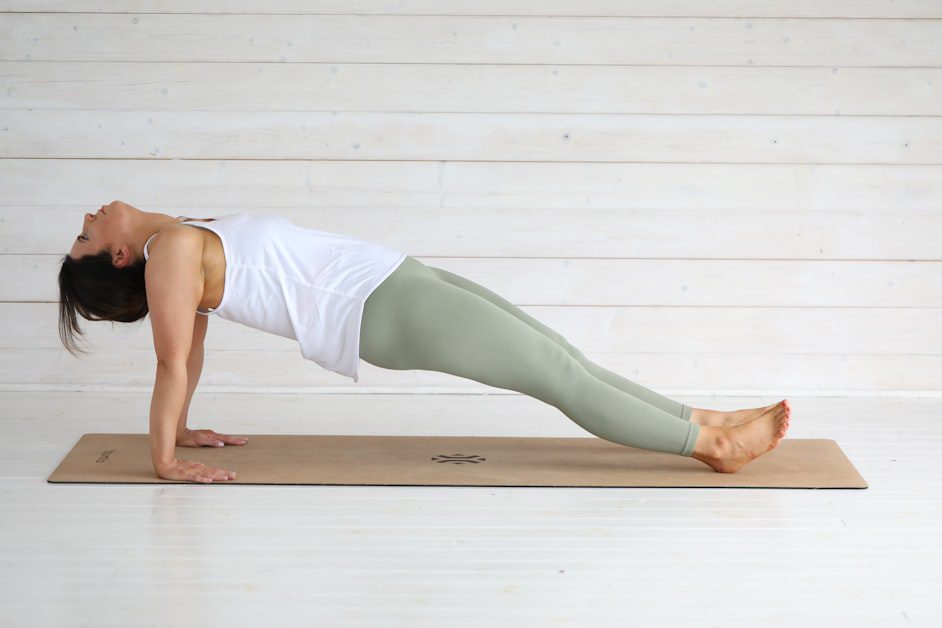
Aim for 10 to 15 minutes each morning, ideally before you have done much walking or standing. The full seven-stretch sequence above takes roughly 12 minutes if you hold each position for the recommended time. That is a realistic commitment even on busy mornings.
Hold each stretch for at least 20 to 30 seconds. Research on static stretching shows that shorter holds don’t produce lasting changes in muscle length. For chronic tightness, 45 to 60 seconds per stretch is even more effective. Don’t bounce or force the stretch; a gentle, sustained pull is what creates change over time.
Frequency matters more than duration. Stretching once a week won’t produce the cumulative improvements that daily practice does. Try to do this routine every morning for two to three weeks before judging results. Most people notice reduced morning stiffness within the first seven to ten days. Physical improvements like greater range of motion and reduced pain on movement typically show up within three to four weeks of consistent practice.
If your mornings are too rushed, a shorter version with just knee-to-chest, cat-cow, and child’s pose takes under five minutes and still provides meaningful relief.
Common Mistakes to Avoid When Stretching Your Lower Back
Stretching incorrectly can irritate rather than relieve lower back pain. Here are the most common errors and how to avoid them.
Stretching through sharp pain. There is a difference between the mild discomfort of a muscle being lengthened and sharp, shooting, or radiating pain. If a stretch creates pain down your leg, numbness, or tingling, stop immediately. These are signs that a nerve may be involved, and you should consult a healthcare provider before continuing.
Rushing through holds. Holding a stretch for five seconds does almost nothing. The tissue needs time to respond. Set a timer if you tend to rush.
Skipping the warm-up phase. Don’t jump straight into deep stretches. Start with the gentler movements (knee-to-chest, cat-cow) before progressing to the hip flexor lunge. This order is intentional.
Only stretching when in pain. Consistency is everything. People who stretch only during flares miss out on the preventive benefits that keep flares from happening in the first place.
Ignoring sleeping position. Stretching in the morning helps, but what you do at night matters too. Sleeping in positions that strain the lower back undoes a lot of the work. For guidance, check out our post on tips for relieving lower back pain while sleeping.
Making Your Morning Stretch Routine Actually Stick
The biggest barrier to stretching consistently is habit formation, not motivation. Here are practical strategies that help the routine become automatic rather than something you have to remember.
Do it before you get out of bed. The knee-to-chest and spinal twist stretches can be done on your mattress before you even sit up. This removes the friction of setting up a mat or finding floor space.
Stack it with something you already do. Habit stacking works by linking a new behavior to an existing one. After your alarm goes off, do your back stretches before you check your phone. The existing habit triggers the new one.
Keep a yoga mat visible in your bedroom. Out of sight is out of mind. If the mat is already unrolled, there is far less mental resistance to starting.
Track the days you complete it. Even a simple paper calendar where you mark an X for each completed day creates a visual chain that feels satisfying to maintain. Missing one day is forgivable; missing two in a row is a pattern to break immediately.
You can also combine this routine with the broader lifestyle context in our guide to the most common causes of back pain and how to treat them, which explains why certain muscles keep getting tight in the first place.
Frequently Asked Questions
Is it safe to stretch your lower back every morning?
Yes, for most people with mechanical lower back pain, daily gentle stretching is safe and beneficial. The stretches in this guide are low-impact and performed lying down or in a hands-and-knees position, which keeps spinal loading minimal. If you have a specific diagnosis such as a herniated disc, spinal stenosis, or spondylolisthesis, check with your doctor or physical therapist before starting any new stretching routine. They may recommend modifications to avoid aggravating your specific condition. For the vast majority of people with general morning stiffness or chronic muscle tension, consistent stretching is one of the best things you can do for your back.
How long does it take to see results from morning stretching?
Most people begin noticing reduced morning stiffness within the first one to two weeks of daily stretching. This initial improvement is largely due to increased blood flow and temporary improvements in muscle extensibility. More lasting structural changes, such as genuine improvements in range of motion and reduced baseline pain, typically develop over four to eight weeks of consistent practice. If you are not seeing any improvement after three to four weeks, it is worth consulting a physical therapist who can identify whether there is a specific muscle imbalance or movement pattern contributing to your pain.
Should I stretch before or after getting out of bed?
Ideally, start stretching before you get out of bed, while you are still lying down. The knee-to-chest, double knee hug, and supine spinal twist can all be done on your mattress in the first few minutes after waking. This is actually the most effective time, because the intervertebral discs are at their most hydrated and slightly swollen from overnight rest, and gentle movement helps redistribute this fluid and reduce morning pressure. Once you have completed the lying-down stretches, move to the floor for cat-cow, child’s pose, and the hip flexor stretch.
Can morning stretches replace physical therapy for lower back pain?
Morning stretching is a valuable self-management tool, but it is not a substitute for professional care if your pain is severe, persistent, or accompanied by neurological symptoms like numbness, tingling, or weakness in your legs. Physical therapists provide individualized assessment, targeted exercises, and manual therapy that address the root mechanical cause of your specific pain pattern. That said, many physical therapists actively recommend a home stretching routine like this one as part of a broader treatment plan. Think of morning stretching as a complement to professional guidance rather than a replacement for it when care is genuinely needed.
What stretches should I avoid if I have a herniated disc?
People with a herniated disc should generally avoid deep forward flexion stretches that put load on the front of the disc, such as seated toe touches or aggressive forward folds. The same applies to anything that causes sharp radiating pain down the leg. Many of the stretches in this guide, particularly cat-cow in the neutral position, child’s pose done carefully, and gentle knee-to-chest, are often safe and even recommended for herniated disc patients, but every case is different. Always work with a spine specialist or physical therapist to identify which specific movements help versus aggravate your herniation before starting a routine.
Conclusion
Starting your day with a focused set of morning stretches for lower back pain doesn’t require a big time commitment or any special equipment. It just requires consistency. The seven stretches covered in this guide, from the gentle knee-to-chest all the way through to the hip flexor lunge, are designed to work together to mobilize your spine, release the muscle groups that tighten overnight, and set your back up for a pain-reduced day.
The evidence is clear: movement beats rest for mechanical lower back pain. A 10 to 15 minute morning routine practiced daily can reduce stiffness, improve spinal mobility, and lower your baseline pain levels over time. The hardest part is simply making it a habit. Once it becomes part of your morning, most people find they cannot imagine starting the day without it.
If you are dealing with chronic back pain that is not improving with self-care, reach out to a physical therapist or physician for a proper evaluation. You deserve to move without pain.
Medical Disclaimer: This content is for informational purposes only and does not constitute medical advice. Consult a qualified healthcare provider before making any health decisions.