 Lifestyle
 Food & Nutrition
 Fitness
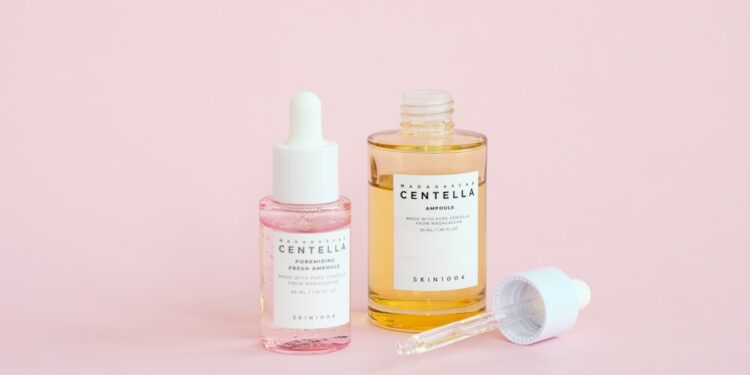
If your skin feels tight, stings after cleansing, or looks persistently dull no matter what products you use, your ceramide barrier repair morning routine might be the missing piece. Ceramides make up about 50% of the lipids in your skin barrier – and when they deplete, everything goes wrong: moisture escapes, irritants get in, and no amount of expensive serums can fix the underlying problem.
The good news? A targeted ceramide barrier repair morning routine can restore your skin’s protective layer within two to four weeks. This guide walks you through every step, in the right order, with the right products – so your barrier heals faster and stays healthy longer.
- 1 What Are Ceramides and Why Does Your Skin Barrier Need Them?
- 2 Signs Your Skin Barrier Is Damaged
- 3 The Ceramide Barrier Repair Morning Routine (Step by Step)
- 4 Best Ceramide Products for Barrier Repair
- 5 Ceramide Layering Order: The Moisture Sandwich Method
- 6 Common Mistakes That Wreck Your Skin Barrier
- 7 How Long Does Barrier Repair Take?
- 8 Frequently Asked Questions
- 9 Conclusion
What Are Ceramides and Why Does Your Skin Barrier Need Them?

Ceramides are naturally occurring lipid molecules that act like mortar between the skin cells (corneocytes) that form your stratum corneum – the outermost layer of skin. According to the National Institutes of Health, ceramides account for roughly 50% of the lipid matrix in the skin barrier, working alongside cholesterol and fatty acids to create a waterproof seal.
This seal does two critical jobs:
- Keeps moisture in – preventing transepidermal water loss (TEWL)
- Keeps irritants out – blocking bacteria, pollutants, and allergens
When ceramide levels drop – due to aging, over-exfoliation, harsh cleansers, UV damage, or cold weather – the barrier becomes compromised. Your skin literally becomes leaky: water escapes and irritants penetrate more easily, triggering inflammation, sensitivity, and breakouts.
Topically applied ceramides (ceramide NP, AP, EOP, NS, and AS are the most effective forms) have been shown in multiple clinical studies to replenish depleted ceramide levels and measurably improve barrier function within weeks.
Signs Your Skin Barrier Is Damaged

Before building your ceramide barrier repair morning routine, identify whether your barrier is actually compromised. These are the most common signs:
- Tightness and dryness that persist even after moisturizing
- Stinging or burning when applying normally well-tolerated products
- Increased sensitivity to products you used without issue before
- Redness and inflammation without a clear cause
- Rough, dull texture that does not improve with exfoliation
- Breakouts and congestion that appear suddenly
- Flakiness even on oily skin types
If three or more of these sound familiar, a barrier-focused routine using ceramides is exactly what your skin needs. See also: 7 Skin Types and How to Take Care of Them for a deeper look at how different skin types affect barrier health.
The Ceramide Barrier Repair Morning Routine (Step by Step)
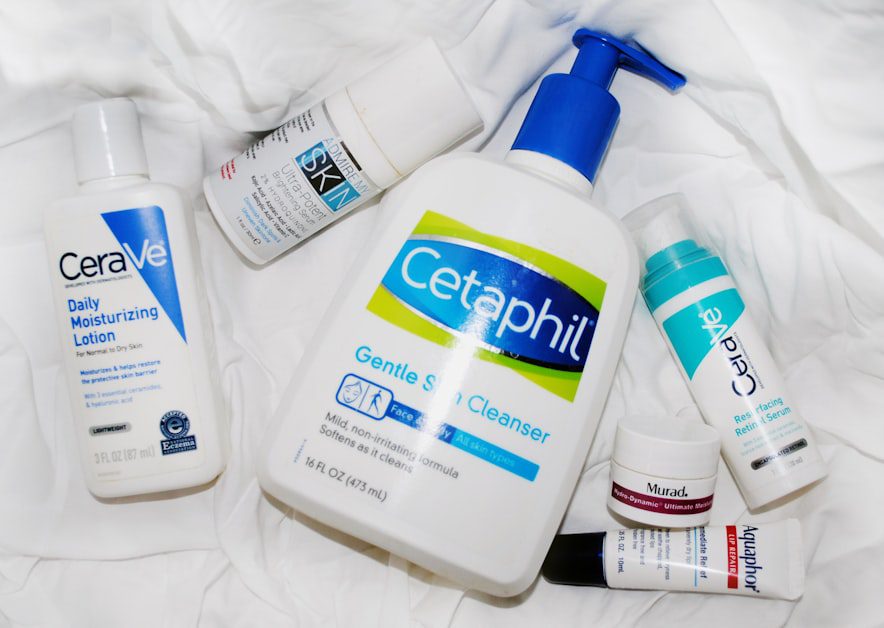
A ceramide barrier repair morning routine has one guiding principle: be gentle, be simple, be consistent. Strip out anything harsh – no exfoliating acids, no retinol, no physical scrubs in the morning while your barrier is healing. Here is the exact sequence to follow:
Step 1: Gentle Cleanser (or Just Water)
Start with the mildest possible cleanser – a milky, cream, or micellar formula with a skin-friendly pH of 4.5 to 6. Better yet, if your skin is severely compromised, rinse with cool water only in the morning and save cleansing for your PM routine. Over-cleansing is one of the top causes of barrier damage.
Avoid: foaming cleansers with sulfates, anything that leaves your skin squeaky clean.
Step 2: Hydrating Toner or Essence
While skin is still slightly damp, apply a hydrating toner or essence containing hyaluronic acid, glycerin, or panthenol. These humectants draw water into the skin cells and prepare a receptive base for your ceramide moisturizer. Pat gently – never rub.
Step 3: Ceramide Serum (Optional but Powerful)
A dedicated ceramide serum delivers a concentrated dose of barrier-repairing lipids before your moisturizer. Look for formulas that combine ceramides with cholesterol and fatty acids in a roughly 3:1:1 ratio – this mimics the skin’s natural lipid ratio and has been shown in research published by the American Academy of Dermatology to restore barrier function more effectively than ceramides alone.
Step 4: Ceramide Moisturizer (The Core Step)
This is the most important step in your ceramide barrier repair morning routine. Choose a rich but non-comedogenic moisturizer that lists ceramide NP, ceramide AP, or ceramide EOP in the top half of the ingredient list, alongside fatty acids and cholesterol. Apply while your serum is still slightly tacky – this is the moisture sandwich technique that locks hydration in.
Step 5: SPF 30+ (Non-Negotiable)
UV radiation degrades ceramides and is one of the primary reasons the barrier weakens with age. A broad-spectrum SPF 30 or higher is essential every morning, rain or shine. Mineral sunscreens (zinc oxide, titanium dioxide) tend to be better tolerated on compromised skin than chemical filters. Look for SPF formulas that also contain ceramides or niacinamide for extra barrier support.
Best Ceramide Products for Barrier Repair
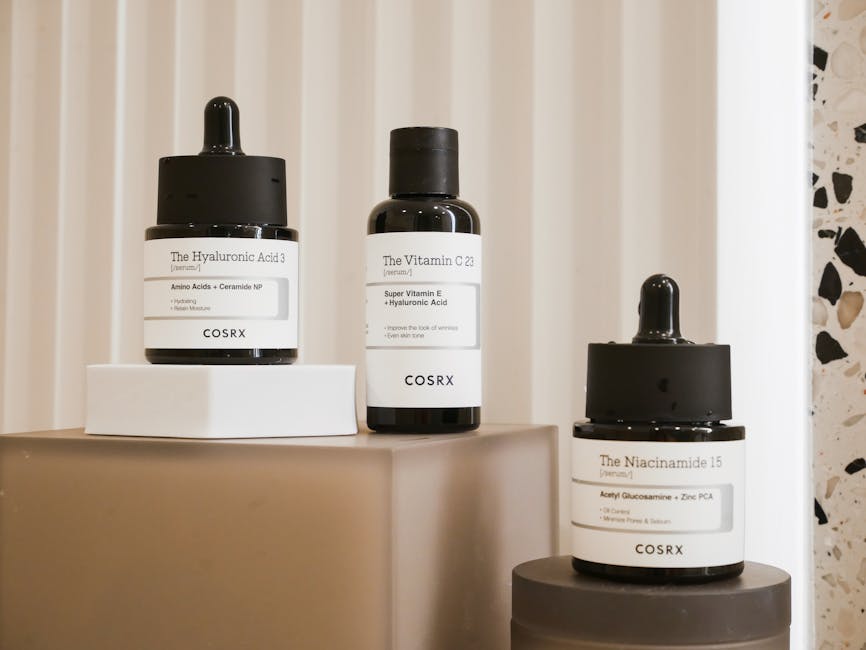
You do not need a lengthy or expensive product list. The most effective ceramide products for barrier repair share a few key traits: they list multiple ceramide types, they include complementary lipids (cholesterol, fatty acids), and they avoid fragrance and unnecessary irritants.
What to Look for on Labels
- Ceramide NP (also called ceramide 3) – the most studied type for barrier repair
- Ceramide AP (ceramide 6-II) – supports barrier integrity and reduces TEWL
- Ceramide EOP (ceramide 1) – unique long-chain ceramide critical to barrier structure
- Phytosphingosine and sphingosine – ceramide precursors that support natural synthesis
- Cholesterol and fatty acids – must accompany ceramides for optimal barrier restoration
For a broader look at how diet affects your skin from the inside, see our guide on Gut Health Foods for Clear Glowing Skin – ceramide production is partly influenced by gut microbiome health.
Ceramide Layering Order: The Moisture Sandwich Method
The ceramide barrier repair morning routine works best when you apply products in the correct order and use the moisture sandwich technique. Here is how it works:
- Cleanse – remove overnight buildup without stripping
- Dampen skin – splash with water or use a hydrating mist
- Apply humectant toner or essence – while skin is damp to lock in moisture
- Apply ceramide serum – on slightly damp skin for better absorption
- Apply ceramide moisturizer – while serum is still slightly tacky (this is the sandwich effect)
- Apply SPF – always last in your morning routine
The timing between steps matters. You do not need to wait long – 30 to 60 seconds between layers is enough. The goal is to keep skin slightly damp throughout so each product can bind to the moisture in the skin rather than sitting on a dry surface.
This layering approach is especially powerful if you pair it with the advice in our How to Improve Skin Texture Naturally at Home guide, which covers complementary habits that speed up barrier recovery.
Common Mistakes That Wreck Your Skin Barrier
Even with the best ceramide products, these common errors can undo your barrier repair progress:
Over-Exfoliating
AHAs, BHAs, and physical scrubs accelerate ceramide depletion when used too frequently. During active barrier repair, avoid all exfoliants in the morning entirely. Save gentle chemical exfoliation for your PM routine, maximum two nights per week, only once barrier function has improved.
Hot Water
Hot showers and hot water for face washing dissolve the lipid layer in minutes. Always use lukewarm or cool water for your face, and limit shower duration to under 10 minutes.
Skipping SPF
UV exposure breaks down ceramides faster than almost any other factor. A morning SPF is non-negotiable in a ceramide barrier repair morning routine.
Using Too Many Active Ingredients at Once
When your barrier is damaged, retinol, vitamin C, and strong exfoliants will cause more irritation than benefit. Simplify your routine to cleanser, ceramide moisturizer, and SPF until your barrier shows clear improvement – then reintroduce actives one at a time.
Fragrance and Essential Oils
Even natural fragrances are among the most common causes of contact dermatitis and barrier disruption. During barrier repair, every product in your routine should be fragrance-free.
How Long Does Barrier Repair Take?
With a consistent ceramide barrier repair morning routine and an equally gentle PM routine, most people see measurable improvement within two to four weeks. Research published by the National Library of Medicine shows that topical ceramide application can significantly reduce TEWL within 14 days of twice-daily use.
The timeline varies based on how compromised your barrier is and whether you eliminate the root cause:
- Mild damage (from weather, mild over-exfoliation): 1 to 2 weeks
- Moderate damage (from overuse of retinol or acids): 3 to 4 weeks
- Severe damage (chronic eczema, dermatitis): 6 to 12 weeks, may require dermatologist guidance
Consistency matters more than product potency. Using the same gentle ceramide routine twice daily, every day, will outperform a complex routine used inconsistently.
If you are managing skin concerns related to aging alongside barrier repair, our Natural Retinol Alternatives for Sensitive Skin guide shows how to introduce anti-aging actives without disrupting your recovered barrier.
Frequently Asked Questions
Can I use ceramides with niacinamide in my morning routine?
Yes – ceramides and niacinamide are one of the most effective pairings in skin care. Niacinamide stimulates ceramide synthesis from within the skin cells while topical ceramides replenish the barrier directly. Apply niacinamide serum before your ceramide moisturizer for maximum benefit. This combination is particularly effective for sensitive, redness-prone skin.
Do I need a separate ceramide serum, or is a ceramide moisturizer enough?
A high-quality ceramide moisturizer is sufficient for most people. A dedicated ceramide serum adds an extra concentrated layer of barrier-repairing lipids and is most beneficial for severely damaged skin or during the first two weeks of active repair. Once your barrier has stabilized, a ceramide moisturizer alone maintains results effectively.
Can ceramides cause breakouts?
Ceramides themselves are not comedogenic – they are naturally present in healthy skin and do not clog pores. However, some ceramide-containing moisturizers include other heavy emollients that may trigger breakouts in acne-prone skin. Look for non-comedogenic labels and avoid formulas with coconut oil, isopropyl myristate, or heavy waxes if you are acne-prone.
Is a ceramide barrier repair morning routine suitable for oily skin?
Absolutely. Even oily skin can have a compromised barrier – overproduction of sebum is sometimes the skin’s compensatory response to barrier damage. Choose lightweight, gel-cream ceramide moisturizers rather than rich creams. Oily-skin types with a damaged barrier often see sebum production normalize as the barrier heals.
How do I know my skin barrier is fully repaired?
The clearest signs of a restored barrier: no more stinging from well-formulated products, skin holds moisture for hours after moisturizing, texture feels smooth and plump rather than tight and rough, and you can reintroduce actives like vitamin C or gentle AHAs without irritation.
Conclusion
A ceramide barrier repair morning routine is the foundation that makes every other skin care step work better. Without a healthy barrier, even the most advanced serums and treatments deliver a fraction of their potential. By prioritizing ceramides, keeping your morning routine simple and gentle, and following the moisture sandwich layering method, you give your skin exactly what it needs to rebuild its protective seal.
Start with a mild cleanser, a hydrating toner, a ceramide moisturizer, and SPF. Add a ceramide serum if your barrier is severely damaged. Eliminate all harsh actives until you see improvement. Stay consistent for four weeks – the results will speak for themselves.
Your skin barrier is remarkably resilient. Give it the ceramides it needs and the gentle routine it deserves, and it will recover.
Medical Disclaimer: This article is for informational purposes only and does not constitute medical advice. If you have a diagnosed skin condition such as eczema, psoriasis, or contact dermatitis, consult a board-certified dermatologist before making changes to your skin care routine.