 Lifestyle
 Food & Nutrition
 Fitness

CoQ10 benefits for energy and fatigue are among the most well – researched in the supplement world. Coenzyme Q10 sits at the heart of your cells’ energy – producing machinery, and declining levels after age 40 are directly linked to the persistent tiredness, slower recovery, and brain fog that so many adults assume is just a normal part of getting older. It is not. Supplementing CoQ10 can make a measurable difference.
This guide covers what the science actually shows about CoQ10 benefits for energy and fatigue, who needs it most, which form to take, and how to dose it for maximum results.
- 1 What Is CoQ10 and Why Does It Run Out?
- 2 CoQ10 Benefits for Energy and Fatigue: The Science
- 3 CoQ10 Benefits for Heart Health
- 4 CoQ10 as an Anti – Aging Antioxidant
- 5 CoQ10 for Statin Users: Who Needs It Most
- 6 Ubiquinol vs Ubiquinone: Which Form Is Better?
- 7 CoQ10 Dosage Guide: How Much and When to Take It
- 8 Side Effects and Safety Profile
- 9 Frequently Asked Questions About CoQ10 Benefits for Energy and Fatigue
- 10 The Bottom Line on CoQ10 Benefits for Energy and Fatigue
What Is CoQ10 and Why Does It Run Out?

Coenzyme Q10 (also called ubiquinone or CoQ10) is a fat – soluble, vitamin – like compound found in every cell of the human body. Its highest concentrations are in the heart, liver, kidneys, and skeletal muscles – the organs with the greatest energy demands. CoQ10 plays a central role in the mitochondrial electron transport chain, the process that converts nutrients from food into adenosine triphosphate (ATP), the energy currency your cells run on.
Your body produces CoQ10 naturally, but production peaks in your mid – 20s and falls steadily after that. By your 50s, tissue levels can be 50% lower than peak. Certain factors accelerate this decline:
- Statin medications (cholesterol – lowering drugs) block the same metabolic pathway used to produce CoQ10, which is why muscle pain and fatigue are the most common statin side effects
- Chronic diseases including heart failure, diabetes, and Parkinson’s disease
- Intense physical training without adequate recovery nutrition
- Aging, which reduces both synthesis and absorption efficiency
- Low dietary intake – CoQ10 is found mainly in organ meats, fatty fish, and nuts
Understanding this depletion mechanism explains why CoQ10 benefits for energy and fatigue are most pronounced in people over 40, statin users, and anyone with high physical or metabolic demand.
CoQ10 Benefits for Energy and Fatigue: The Science
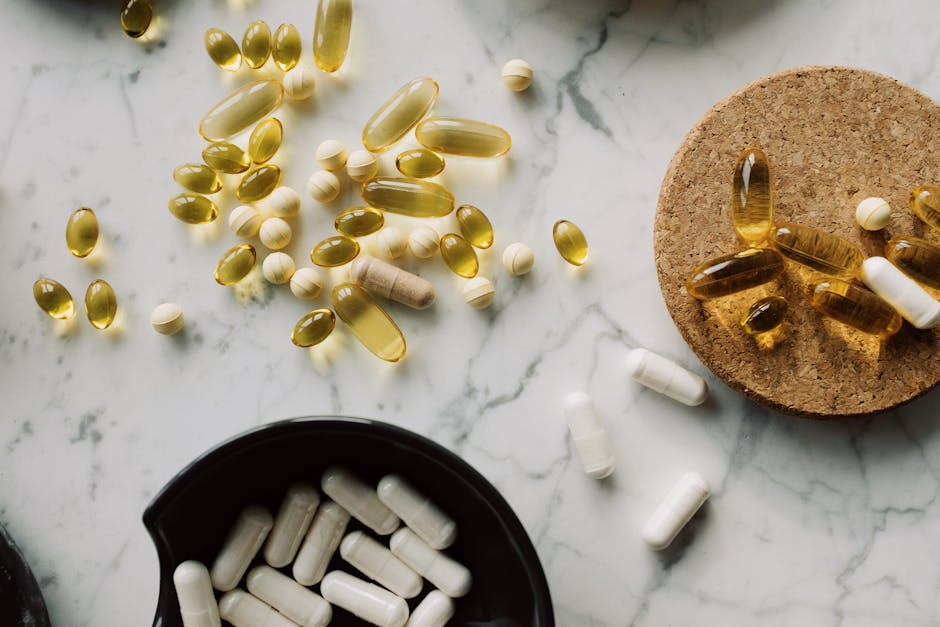
The direct connection between CoQ10 and cellular energy production makes CoQ10 benefits for energy and fatigue the most biologically logical claim in the supplement industry. Without adequate CoQ10, mitochondria cannot efficiently produce ATP. The result is exactly what most adults over 40 experience: persistent low energy, slow morning recovery, and mid – afternoon crashes that coffee cannot fix.
A 2022 systematic review and meta – analysis published in Frontiers in Pharmacology analyzed 13 randomized controlled trials involving 1,126 participants. The conclusion was clear: CoQ10 supplementation significantly reduces fatigue across healthy individuals and those with chronic conditions. Higher doses and longer supplementation periods produced stronger effects, with no serious adverse events reported.
Additional clinical evidence for CoQ10 benefits for energy and fatigue includes:
- Fibromyalgia patients taking 200mg twice daily experienced 22% reduced fatigue, 24 – 37% less pain, and 33% better sleep quality compared to placebo
- Chronic fatigue syndrome studies show measurable improvements in ATP recycling rates after 12 weeks of supplementation
- Athletes using CoQ10 show reduced exercise – induced oxidative stress and faster muscle recovery between sessions
- Post – COVID fatigue research is emerging, with CoQ10 among the supplements under investigation for mitochondrial rehabilitation
CoQ10 benefits for energy and fatigue are not about stimulation or caffeine – like effects. This is cellular machinery repair – restoring the underlying capacity for sustained energy rather than masking depletion with stimulants.
CoQ10 Benefits for Heart Health

The heart beats 100,000 times per day and never rests. It is the most energy – demanding organ in the body, which makes adequate CoQ10 levels especially critical for cardiac function. As the Mayo Clinic notes, CoQ10 may help treat heart conditions including heart failure, cardiomyopathy, and high blood pressure.
The landmark Q – SYMBIO trial followed 420 heart failure patients for two years. Half received 300mg CoQ10 daily alongside standard medications; the other half received placebo. The CoQ10 group had significantly fewer major cardiovascular events, lower rates of hospitalization, and reduced cardiovascular mortality. This was the first large, well – designed trial to demonstrate meaningful survival benefits from CoQ10 in heart failure.
For people without diagnosed heart disease, CoQ10 benefits for heart health include:
- Reduced oxidative damage to LDL cholesterol, slowing arterial plaque development
- Modest blood pressure reduction (4 – 17 mmHg systolic in hypertensive patients in meta – analyses)
- Improved endothelial function (the ability of blood vessels to dilate and contract appropriately)
- Cardioprotective benefits in statin users, where CoQ10 depletion raises the risk of drug – induced cardiomyopathy
Women entering perimenopause should note that declining estrogen accelerates cardiovascular vulnerability. Combining CoQ10 with omega 3 fish oil and vitamin D3 and K2 creates a targeted cardiovascular protection stack for midlife women.
CoQ10 as an Anti – Aging Antioxidant

Beyond CoQ10 benefits for energy and fatigue, this compound is one of the most potent fat – soluble antioxidants in human physiology. It neutralizes free radicals generated during normal mitochondrial activity – a process that becomes less efficient with age, leading to increased oxidative damage to DNA, proteins, and cell membranes.
This antioxidant role has measurable consequences across multiple body systems:
- Skin health – CoQ10 applied topically and taken internally reduces UV – induced oxidative damage and supports collagen synthesis, reducing fine line depth in clinical trials
- Brain protection – Mitochondrial dysfunction is implicated in Alzheimer’s and Parkinson’s disease; CoQ10’s neuroprotective role is under active investigation
- Immune resilience – Oxidative stress suppresses immune cell activity; CoQ10 helps maintain immune response quality with age
- Migraine prevention – A review of six studies found CoQ10 reduces migraine frequency, severity, and duration in adults
The antioxidant effects of CoQ10 complement the mitochondrial energy effects, making the combination of CoQ10 benefits for energy and fatigue alongside anti – aging support particularly valuable in a single daily supplement.
CoQ10 for Statin Users: Who Needs It Most
Statin drugs (atorvastatin, rosuvastatin, simvastatin) block an enzyme called HMG – CoA reductase, which also happens to be essential for CoQ10 biosynthesis. The result is that statins lower CoQ10 levels by 16 – 54% depending on the drug, dose, and duration of use.
This depletion directly explains the most common statin side effects: muscle pain, weakness, exercise intolerance, and fatigue. A 2024 systematic review in Cureus evaluated CoQ10 for statin – induced myopathy and found meaningful symptom reduction in patients who supplemented with 100 – 300mg daily.
The NIH Office of Dietary Supplements acknowledges ongoing research into CoQ10 for statin – associated muscle symptoms, noting that while evidence is mixed across all studies, many individuals report significant improvement with supplementation. For anyone on a long – term statin, the low risk and high potential upside makes CoQ10 supplementation a logical preventive step.
Ubiquinol vs Ubiquinone: Which Form Is Better?
Understanding the two commercial forms of CoQ10 is important for getting the most CoQ10 benefits for energy and fatigue from your supplement investment.
Ubiquinone is the oxidized form of CoQ10 – the original supplement form that has been used in most clinical research. It is widely available, stable, and cost – effective. Your body converts ubiquinone to ubiquinol in the gut and bloodstream before it can be used.
Ubiquinol is the reduced, active form your cells directly use. It does not require conversion and is generally 3 – 4 times better absorbed, particularly in older adults and people with gut absorption issues. Blood levels achieved with ubiquinol are consistently higher than with equivalent doses of ubiquinone.
Practical guidance:
- Under 40 with good gut health: ubiquinone (100 – 200mg) is adequate and economical
- Over 40, statin users, or diagnosed health conditions: ubiquinol (100 – 200mg) provides meaningfully better absorption
- Serious cardiac conditions or post – COVID fatigue: ubiquinol at 200 – 300mg with clinical supervision
Whichever form you choose, CoQ10 benefits for energy and fatigue require consistency – most people see meaningful improvements within 4 – 8 weeks of daily supplementation.
CoQ10 Dosage Guide: How Much and When to Take It
Clinical research shows the following dose ranges produce the CoQ10 benefits for energy and fatigue most reliably:
- General energy support and maintenance: 100 – 200mg per day
- Statin – induced muscle symptoms: 100 – 300mg per day
- Heart failure (under medical supervision): 200 – 300mg per day in divided doses
- Migraine prevention: 100 – 300mg per day, often split into two doses
- Fibromyalgia or chronic fatigue: 200 – 400mg per day in divided doses
CoQ10 is fat – soluble, meaning it must be taken with food containing dietary fat to absorb properly. Taking it with breakfast or lunch (meals typically including eggs, avocado, olive oil, or nuts) maximizes blood level increases. Avoid taking CoQ10 late in the evening, as some people report mild sleep disturbances from the energy – supporting effects.
CoQ10 pairs naturally with other energy – supporting nutrients. Magnesium glycinate supports the same mitochondrial ATP cycle from a different angle, making the combination especially effective for people with chronic fatigue. For stress – related energy depletion, pairing CoQ10 with ashwagandha addresses both cellular energy production and cortisol – driven fatigue simultaneously.
Side Effects and Safety Profile
CoQ10 has an excellent safety record across decades of clinical use. At doses up to 1,200mg per day, serious adverse effects are extremely rare. The most commonly reported minor side effects at higher doses include:
- Mild nausea or stomach upset (resolved by taking with food or splitting doses)
- Headache in a small percentage of users during initial weeks
- Potential mild insomnia if taken in the evening
- Very mild blood pressure lowering (beneficial for most, relevant for those on antihypertensive medications)
Important interactions to discuss with your doctor:
- Warfarin (blood thinner) – CoQ10 may reduce its effectiveness; monitoring required
- Blood pressure medications – additive lowering effects are possible
- Insulin or diabetes medications – CoQ10 may improve insulin sensitivity, potentially requiring dose adjustment
Ensuring your full supplement stack supports rather than undermines each other is worth reviewing. The best multivitamin for women over 40 often provides foundational nutrients that complement CoQ10, but check for any individual nutrient overlaps when combining products.
Frequently Asked Questions About CoQ10 Benefits for Energy and Fatigue
How long does it take to feel CoQ10 benefits for energy and fatigue?
Most people notice initial CoQ10 benefits for energy and fatigue within 4 – 8 weeks of consistent supplementation. Blood CoQ10 levels rise within 2 – 3 weeks, but cellular changes and meaningful symptom improvement typically take 6 – 12 weeks. Some individuals with severe depletion (statin users, chronic illness) report noticeable changes within 2 – 3 weeks, while others need 3 months of consistent dosing for full benefit. The key is not missing doses – CoQ10 blood levels fall rapidly within days of stopping supplementation.
Can CoQ10 help with fatigue from long COVID?
Emerging evidence suggests mitochondrial dysfunction is a central mechanism in post – COVID fatigue syndrome. CoQ10 benefits for energy and fatigue are mechanistically relevant here, as restored mitochondrial function addresses the root cause of energy deficits. Several clinical trials are currently underway specifically investigating CoQ10 alongside other mitochondrial support nutrients for long COVID. While definitive guidance is pending, the safety profile and clear mechanism make it a reasonable supplement for post – COVID fatigue under medical guidance.
Is CoQ10 worth taking if you are on statins?
Yes. Statins directly deplete CoQ10 by blocking its biosynthesis pathway. For statin users experiencing muscle pain, weakness, or unusual fatigue, CoQ10 supplementation at 100 – 200mg daily (ubiquinol form preferred) often provides significant relief. The 2024 systematic review in Cureus found statistically significant reductions in statin – induced muscle symptoms with CoQ10. Even if you are not yet experiencing side effects, CoQ10 supplementation in statin users is a reasonable preventive measure given the established depletion mechanism.
Does CoQ10 interact with other supplements?
CoQ10 interactions with other common supplements are generally positive or neutral. CoQ10 and omega – 3 fish oil work synergistically for cardiovascular protection. CoQ10 and magnesium together support ATP synthesis from two angles. CoQ10 and vitamin E (both fat – soluble antioxidants) complement each other. The main negative interactions involve prescription medications rather than supplements – particularly warfarin, antihypertensives, and diabetes medications, where a healthcare provider should monitor levels.
What foods are high in CoQ10?
CoQ10 is found in meaningful amounts in: organ meats (heart, liver, kidney), fatty fish (sardines, herring, mackerel), beef and pork, chicken and turkey, soybeans and peanuts. Vegetables including broccoli, cauliflower, and spinach contain smaller amounts. However, food sources provide only 3 – 6mg of CoQ10 per serving on average, compared to the 100 – 300mg in therapeutic supplements. For people actively pursuing CoQ10 benefits for energy and fatigue, supplementation is the only reliable way to reach effective doses.
The Bottom Line on CoQ10 Benefits for Energy and Fatigue
CoQ10 benefits for energy and fatigue are grounded in fundamental cell biology, not marketing claims. This compound is a mandatory part of the machinery your cells use to convert food into usable energy, and its natural decline with age, disease, and statin use is a direct cause of the fatigue that plagues so many adults over 40.
The evidence for CoQ10 benefits for energy and fatigue from clinical trials is consistent: reduced fatigue, improved exercise tolerance, and better cellular recovery. Heart health benefits are well – established, antioxidant protection is meaningful, and the safety profile is excellent across even high doses and long – term use.
Start with 100 – 200mg of ubiquinol daily taken with a fatty meal. Give it 8 – 12 weeks before evaluating your response. For women over 40, statin users, and anyone with chronic fatigue, CoQ10 belongs near the top of the supplement priority list – alongside the essentials from a quality multivitamin, omega – 3 fish oil, and adequate vitamin B12 to rule out deficiency as a fatigue driver.
Medical Disclaimer: This article is for informational purposes only and does not constitute medical advice. Always consult a qualified healthcare provider before starting CoQ10 supplementation, especially if you take prescription medications including statins, blood thinners, or blood pressure drugs.