


Finding the best multivitamin for women over 40 is not as simple as grabbing a generic one-a-day off the shelf. After 40, your body’s nutritional needs shift in ways that standard formulas simply do not address. Estrogen begins declining, stomach acid production drops, bone remodeling accelerates, and energy metabolism slows. The best multivitamin for women over 40 targets those specific gaps rather than providing one-size-fits-all nutrition.
This guide covers the key nutrients women over 40 need most, what to look for on the label, what to avoid, and how to pair a multivitamin with targeted supplements for maximum benefit during perimenopause and beyond.
Best Multivitamins for Women Over 40: Quick Comparison
| Brand | Key Nutrients | Form | Price Range | Best For |
|---|---|---|---|---|
| Garden of Life mykind Organics Women 40+ | Methylated B12, methylfolate, D3, CoQ10 | Whole food tablet | $35-45/month | Best organic option |
| MegaFood Women Over 40 | Iron-free, methylated Bs, D3, CoQ10 | Whole food tablet | $40-50/month | Best for sensitive stomachs |
| Ritual Essential for Women 40+ | Methylated folate, D3+K2, magnesium, omega-3 | Capsule (minty) | $35-40/month | Best minimalist formula |
| Nature Made Multi for Her 50+ | D3, calcium, B12, iron-free | Softgel | $15-20/month | Best budget pick |
| Thorne Women’s Multi 50+ | Methylfolate, methylated B12, D3, K2, CoQ10 | Capsule | $50-60/month | Best for perimenopause |
Prices approximate. Always consult your healthcare provider before starting a new supplement.
Why Women Over 40 Have Different Nutritional Needs
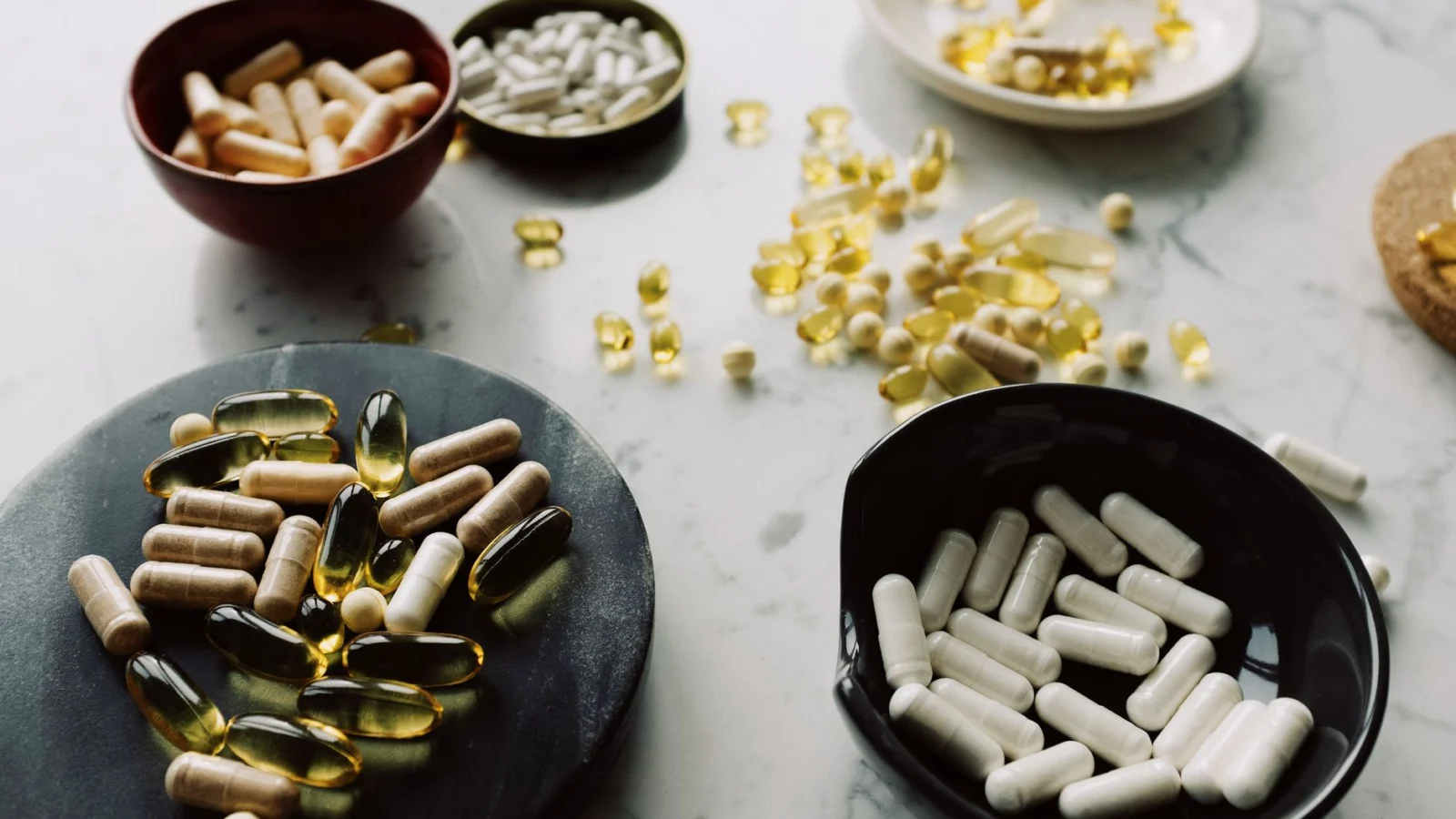
The hormonal shifts that begin in perimenopause, typically starting in the mid-to-late 40s, trigger a cascade of physiological changes that alter how your body uses and absorbs nutrients. Understanding these changes is the first step to choosing the best multivitamin for women over 40 that actually delivers results.
According to the Mayo Clinic, nutritional needs for women change significantly after 40, with bone health, cardiovascular protection, and energy metabolism becoming priority targets. After 40, several key changes occur:
- Stomach acid decreases – atrophic gastritis, which lowers stomach acid, affects 10 to 30 percent of older adults by the NIH fact sheet, and it reduces the absorption of B12 from food.
- Estrogen protection fades – Estrogen previously protected bones, arteries, and brain cells. As levels fall, women become more vulnerable to osteoporosis, cardiovascular disease, and cognitive changes.
- Energy metabolism slows – Mitochondrial efficiency declines, making B vitamins and CoQ10-supporting nutrients more critical.
- Inflammation increases – Chronic low-grade inflammation rises with age, making antioxidants like vitamins C, E, and selenium more valuable.
What to Look for in the Best Multivitamin for Women Over 40
Reading a supplement label takes practice. These are the specific forms and nutrients that separate a well-formulated multivitamin from a mediocre one:
- Methylated B12 (methylcobalamin) – Better absorbed than cyanocobalamin, especially after 40 when stomach acid declines and B12 absorption from food naturally drops.
- Methylfolate (5-MTHF) – Not synthetic folic acid; the active form the body can actually use, especially important for anyone with the common MTHFR gene variant.
- Vitamin D3 (not D2) – D3 is the bioactive form that raises blood levels effectively; D2 is significantly less potent and less well-studied.
- Vitamin K2 (MK-7 form) – Works synergistically with D3 for bone density and arterial health; especially important as estrogen drops in perimenopause and bone turnover accelerates.
- Iron-free or low-iron formula – Most women over 40, particularly those in perimenopause, need less iron as periods become lighter or stop entirely. Excess iron acts as a pro-oxidant.
- Magnesium (glycinate or citrate) – Most women are deficient; supports sleep quality, mood stability, and bone health. Avoid magnesium oxide, which is poorly absorbed.
- CoQ10 – Heart health support that becomes increasingly relevant for women over 40, and often absent from budget multivitamins.
- No artificial dyes, fillers, or titanium dioxide – Unnecessary additives with no nutritional value and potential health concerns.
The 8 Most Important Nutrients in the Best Multivitamin for Women Over 40
Not all multivitamins are created equal. The best multivitamin for women over 40 will contain these nutrients in their most bioavailable forms, not the cheap synthetic alternatives found in bargain brands.
1. Vitamin D3 (Not D2)
Vitamin D deficiency affects roughly 42% of American adults, with women over 40 at particularly high risk. Vitamin D3 (cholecalciferol) is the biologically active form and raises blood levels far more effectively than D2. Look for at least 1,000-2,000 IU in your multivitamin. Pair it with K2 for optimal bone and arterial protection – the combination of vitamin D3 and K2 benefits extends far beyond bone density alone.
2. Magnesium (Glycinate or Citrate Form)
Over 70% of American women do not meet daily magnesium requirements from diet. After 40, magnesium deficiency accelerates bone loss, disrupts sleep, worsens anxiety, and impairs blood sugar regulation. The best multivitamin for women over 40 should contain at least 50-100mg of magnesium as glycinate or citrate, not oxide, which has poor absorption. For sleep and anxiety, magnesium glycinate is worth supplementing separately at therapeutic doses.
3. B12 (Methylcobalamin Form)
B12 absorption drops dramatically after 40 due to declining stomach acid and intrinsic factor production. Symptoms of deficiency – fatigue, brain fog, tingling extremities, and mood disruption – are often misattributed to aging or stress. Always look for methylcobalamin (the active form) in your multivitamin, not cyanocobalamin, which requires additional conversion steps. Learn to recognize the early signs of B12 deficiency in women to catch shortfalls early.
4. Folate (as Methylfolate)
Up to 40% of people carry a genetic variant (MTHFR) that impairs folic acid conversion. For women over 40, methylfolate (5-MTHF) is the superior form, bypassing this conversion issue entirely. Folate supports cardiovascular health by regulating homocysteine levels, protects DNA integrity, and supports neurological function. Avoid cheap multivitamins that use folic acid as the sole folate source.
5. Vitamin K2 (MK-7 Form)
K2 directs calcium into bones and away from arterial walls, a critical function as estrogen protection wanes. The MK-7 form of K2 stays active in your bloodstream for 24+ hours, making once-daily dosing effective. Even 45-90mcg of MK-7 in the best multivitamin for women over 40 provides meaningful benefit. Note: women on warfarin must consult their doctor before taking K2.
6. Calcium (in Moderate Doses Only)
Most multivitamins contain only 200-500mg of calcium, which is intentional and correct. High-dose calcium supplements taken without food have been linked to arterial calcification in some studies. For women over 40, aim to get most calcium from dairy, leafy greens, and fortified foods, using the multivitamin’s modest dose as a backup.
7. Iron (Only If Still Menstruating)
This is one of the most important label decisions for women over 40. If you are post-menopausal, an iron-containing multivitamin is generally unnecessary and can cause oxidative stress. If you are perimenopausal with heavier-than-normal periods, you may still need iron, but confirm with a blood test first. Choose an iron-free formula unless your doctor confirms deficiency.
8. Zinc and Selenium
Zinc supports immune function, thyroid health, and skin repair – all of which become more important after 40. Selenium is a potent antioxidant that protects against oxidative DNA damage and supports thyroid hormone conversion. Look for 8-15mg zinc and 50-100mcg selenium in the best multivitamin for women over 40.
Multivitamin Needs During Perimenopause
Perimenopause changes not just your hormones but your micronutrient priorities. A generic women’s multivitamin designed for a 25-year-old does not address the specific shifts happening in your body during this transition. Here is what changes and why it matters for your supplement choices:
Iron drops in perimenopause. As menstrual periods become lighter or less frequent, iron needs decrease significantly. For many women, the iron in a standard multivitamin becomes unnecessary and potentially harmful, since excess iron generates free radicals. An iron-free multivitamin is often a better fit for perimenopausal women, unless a blood test confirms genuine deficiency.
B12 absorption declines with age. Stomach acid production decreases with age, reducing B12 absorption from food. By the time many women reach perimenopause, they are absorbing substantially less dietary B12 than they were in their 30s. Methylcobalamin in a multivitamin bypasses this problem because it is already in the active form the body can use directly without conversion.
D3 plus K2 for bone density. As estrogen drops during perimenopause, bone turnover accelerates and the risk of bone loss rises sharply. Vitamin D3 at a minimum of 2,000 IU paired with K2 in the MK-7 form (90-180mcg) directs calcium into bones rather than arterial tissue. This combination is a non-negotiable for women going through the perimenopause transition.
Magnesium for sleep and hot flashes. Magnesium glycinate or bisglycinate in a multivitamin (or taken separately as a standalone supplement) supports the GABA system, which is directly affected by the progesterone fluctuations of perimenopause. Lower progesterone means lower allopregnanolone, the neurosteroid that activates GABA receptors for calm and sleep. Magnesium partially compensates for this by supporting GABA pathway function, which is why many women find magnesium helps with perimenopausal sleep disruption and anxiety spikes.
What to Avoid in a Multivitamin for Women Over 40
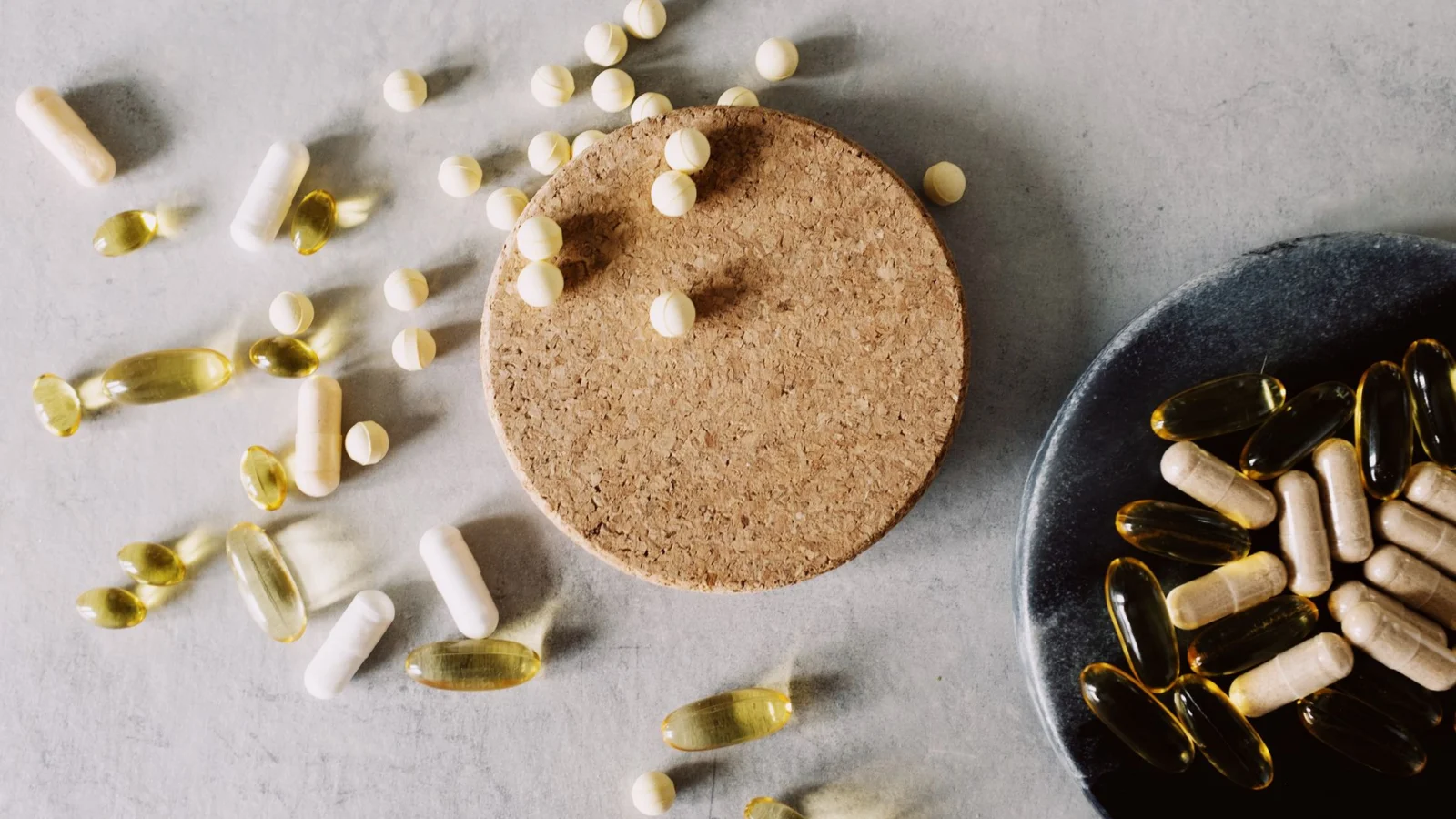
Knowing what not to buy is as important as knowing what to look for. The best multivitamin for women over 40 will never contain these red-flag ingredients:
- Folic acid only (without methylfolate) – Poor choice for anyone with MTHFR variants
- Vitamin D2 instead of D3 – Significantly less effective at raising blood levels
- Cyanocobalamin B12 only – Requires extra metabolic steps; methylcobalamin is superior
- Magnesium oxide – Less than 5% absorption rate; it primarily acts as a laxative
- Excessive vitamin A (retinol) – Over 10,000 IU daily from retinol can accelerate bone loss; choose formulas using beta-carotene instead
- Proprietary blends without dosages – No transparency means you cannot verify effective amounts
- Artificial colors, titanium dioxide, or carrageenan – Unnecessary additives with potential health concerns
Third-Party Testing and FDA Regulation: What to Check Before You Buy
Dietary supplements are regulated differently than prescription drugs in the United States. The Food and Drug Administration does not review or approve multivitamins for safety or effectiveness before they reach store shelves. Manufacturers are responsible for making sure their products are safe and accurately labeled, and the FDA generally only steps in after a problem is reported.
That regulatory gap is exactly why third-party testing matters when choosing the best multivitamin for women over 40. Independent labs such as NSF International, USP, and ConsumerLab test finished products for actual nutrient content, heavy metal contamination, and label accuracy. Look for a seal from one of these organizations on the bottle, or check the brand’s website for a current certificate of analysis. A multivitamin with no third-party verification is a promise with no proof behind it.
This matters even more for postmenopausal women, since consistent, accurately dosed vitamin D3, calcium, and B12 leave little room for a product that quietly under-delivers on its label claims.
Whole-Food vs Synthetic: Which Is Better for Women Over 40?

When selecting the best multivitamin for women over 40, one of the most debated questions is whether to choose whole-food or synthetic formulas. Whole-food multivitamins use nutrients derived from food concentrates, which may improve bioavailability and include naturally occurring cofactors. Standard synthetic multivitamins use isolated vitamins that are often identical to those found in food, but may lack synergistic compounds.
The practical difference depends on your digestive health. Women with strong digestion absorb both forms well. Women with gut issues, low stomach acid, or malabsorption conditions often do better with whole-food formulas or liquid multivitamins. Brands like Garden of Life, New Chapter, and MegaFood use fermented nutrients, while Thorne and Pure Encapsulations use superior synthetic forms with excellent bioavailability data.
The NIH Office of Dietary Supplements notes that no single multivitamin is optimal for all women, and that individual health status, diet, and absorption capacity should guide selection. This is sound advice when evaluating any product marketed as the best multivitamin for women over 40.
Building a Supplement Stack Around Your Multivitamin
Even the best multivitamin for women over 40 cannot do everything. Women in perimenopause and beyond benefit most from combining a quality multi with targeted supplements that address specific needs:
- Omega-3 fatty acids / fish oil (1,000-2,000mg EPA+DHA) – the amounts the trials used; the NIH fact sheet sets out what the evidence for the heart does and does not show. The full scope of omega 3 fish oil benefits for women makes it a non-negotiable addition to any midlife stack.
- Collagen or glucosamine for joint health (5-10g collagen peptides daily) – Cartilage naturally thins with age, and a standalone multivitamin rarely contains enough of either nutrient to make a difference.
- Magnesium glycinate (200-400mg at night) – Covers the gap since multivitamins typically underdose magnesium. Critical for sleep and stress resilience.
- Vitamin D3+K2 (2,000 IU D3 + 100mcg K2 MK-7) – Non-negotiable for bone, arterial, and immune health after 40.
- Ashwagandha for cortisol – Perimenopausal stress dysregulation is real. See how ashwagandha benefits stress as a targeted adaptogen alongside your multi.
- B12 sublingual (if plant-based or showing deficiency signs) – Even the best multivitamin for women over 40 may not provide enough for women with very low stomach acid.
How to Take Your Multivitamin for Maximum Absorption
Even the best multivitamin for women over 40 delivers poor results if taken incorrectly. Timing and pairing matter more than most women realize:
- Take fat-soluble vitamins (A, D, E, K) with a meal that contains healthy fat – avocado, olive oil, eggs, or nuts.
- Avoid taking calcium and iron at the same time – they compete for the same absorption pathways.
- Take iron (if needed) with vitamin C to enhance absorption and reduce GI discomfort.
- Where a serving is two tablets or more, splitting it across the day is what the absorption research supports: many nutrients are absorbed better in smaller amounts.
- On an empty stomach a multivitamin causes nausea more often, particularly one containing iron or B vitamins.
A multivitamin is a hedge against small gaps rather than a treatment, and the page on what supplements should I take gives the evidence review behind that and the nutrients worth taking on their own.
Frequently Asked Questions About the Best Multivitamin for Women Over 40
Should women over 40 take a multivitamin daily?
For most women over 40, a daily multivitamin makes sense as a nutritional safety net, particularly because B12 absorption, vitamin D synthesis, and magnesium utilization all become less efficient with age. Women in perimenopause have additional reasons to supplement daily: bone-protecting D3+K2, lower iron needs, and nutrients that support the hormonal transitions happening in this decade. That said, a multivitamin works best alongside a whole-foods diet – it fills gaps, it does not replace nutritional foundations.
What is the best multivitamin for women going through perimenopause?
The best multivitamin for women over 40 in perimenopause contains methylated B vitamins (methylcobalamin and methylfolate), vitamin D3 at 1,000-2,000 IU, vitamin K2 as MK-7, and magnesium as glycinate or citrate. Avoid iron unless you still have regular periods and have confirmed deficiency through blood testing. Brands like Thorne Women’s Multi 50+ or Garden of Life mykind Organics Women 40+ are consistently well-regarded for this life stage.
Do women over 40 need a separate calcium supplement?
Most women looking for the best multivitamin for women over 40 do not need a separate high-dose calcium supplement if they eat dairy or calcium-rich foods regularly. The recommended intake is 1,000 to 1,200mg a day from food and supplements combined. The NIH fact sheet notes that absorption is highest at 500mg or less at a time, and that the studies linking calcium supplements to cardiovascular risk are mixed. Always pair calcium with vitamin D3 and K2 for proper utilization in bones rather than arteries.
Should women over 40 take a multivitamin with or without iron?
Post-menopausal women should generally choose iron-free formulas. Perimenopausal women with heavy periods may still need iron but should confirm deficiency with a serum ferritin blood test first. Excess iron in post-menopausal women acts as a pro-oxidant and may increase oxidative stress. When in doubt, go iron-free and add iron separately only if your doctor recommends it.
Can a multivitamin replace eating a healthy diet?
No. Even the best multivitamin for women over 40 cannot replicate the thousands of phytonutrients, fiber, and synergistic compounds found in whole foods. A multivitamin fills nutritional gaps on days your diet falls short. Think of your multi as health insurance, not a substitute for eating vegetables, lean protein, healthy fats, and whole grains consistently.
Is it safe to take multiple supplements alongside the best multivitamin for women over 40?
Yes, with some care about overlapping nutrients. Check total vitamin A from all sources, as excess retinol is one of the few supplements that can cause harm over time. Also watch for overlap in zinc, selenium, and fat-soluble vitamins. For the most common stack – multivitamin plus omega-3, magnesium glycinate, and vitamin D3+K2 – there is no meaningful risk of toxicity at commonly recommended doses for healthy women.
The Bottom Line: Finding the Best Multivitamin for Women Over 40
The best multivitamin for women over 40 uses superior nutrient forms, addresses the hormonal and absorption challenges of this life stage, and avoids unnecessary iron if you are post-menopausal. Methylated B vitamins, D3 (not D2), K2 as MK-7, and magnesium as glycinate or citrate are the non-negotiables on the label.
Use the best multivitamin for women over 40 as the foundation of a broader supplement strategy: add omega-3 fish oil, standalone magnesium at night, and a D3+K2 combo for full midlife support. Get your vitamin D, B12, and iron levels checked annually so you supplement based on actual data, not guesswork.
Track your vitamin B12 levels alongside your multi, especially if you eat a mostly plant-based diet, as B12 deficiency can mimic many of the fatigue and mood symptoms that a quality multivitamin is meant to address.
Medical Disclaimer: This article is for informational purposes only and does not constitute medical advice. Supplement needs vary by individual health status, medications, and lab values. Always consult a qualified healthcare provider before starting any new supplement regimen.
Related Articles
- Weight Loss Plateau Women Over 40: Why It Happens and How to Break It
- Best High Protein Breakfast for Weight Loss Women Over 40
- Intermittent Fasting Women Over 40 Results
Sources
- Mayo Clinic. Mayo Clinic.
- US Food and Drug Administration. Questions and Answers on Dietary Supplements | FDA.
- NIH Office of Dietary Supplements. NIH Office of Dietary Supplements.


