 Lifestyle
 Food & Nutrition
 Fitness
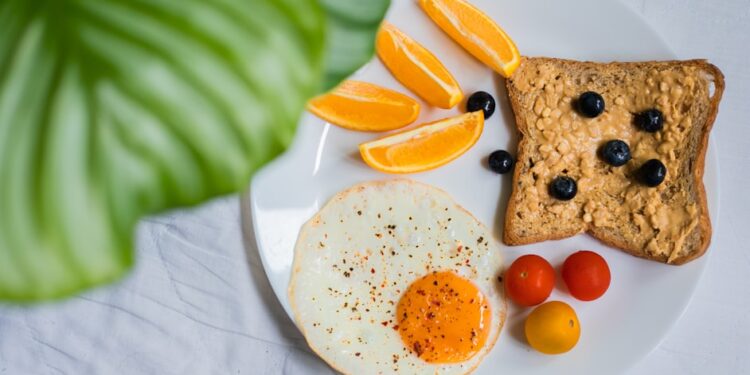
The best high protein breakfast for weight loss women over 40 isn’t just about cutting calories — it’s about eating the right foods at the right time to work with the hormonal shifts your body is going through. After 40, metabolism slows, estrogen levels drop, and muscle mass begins to decline. What worked in your 30s simply doesn’t cut it anymore. But here’s the thing: protein at breakfast is one of the most researched strategies for reversing exactly these issues.
Research published by the National Institutes of Health confirms that high-protein diets reduce body weight and fat mass while preserving lean muscle — which is the exact metabolic challenge women over 40 face. When you front-load protein in the morning, you trigger satiety hormones like GLP-1 and peptide YY that keep hunger in check for hours. You also stabilize blood sugar, which reduces the mid-morning energy crashes and carb cravings that derail so many women trying to lose weight.
This guide covers the science of why protein works, exactly how much you need, and seven practical high-protein breakfast options that take 15 minutes or less to prepare.
- 1 Why Protein at Breakfast Changes Everything After 40
- 2 How Much Protein Do You Actually Need at Breakfast
- 3 7 Best High Protein Breakfast Options for Weight Loss
- 4 Breakfast Foods That Sabotage Weight Loss After 40
- 5 How to Meal Prep High Protein Breakfasts for the Week
- 6 Protein, Muscle Loss, and Why It Matters for the Scale
- 7 Sample High Protein Breakfast Plan for the Week
- 8 Frequently Asked Questions
- 8.1 How much protein should a woman over 40 eat for breakfast to lose weight?
- 8.2 Is eating protein for breakfast enough to lose weight without exercise?
- 8.3 What’s the fastest high protein breakfast for busy mornings?
- 8.4 Does a high protein breakfast help with menopause weight gain?
- 8.5 Can I get enough protein at breakfast without eating eggs or meat?
- 9 The Bottom Line
Why Protein at Breakfast Changes Everything After 40
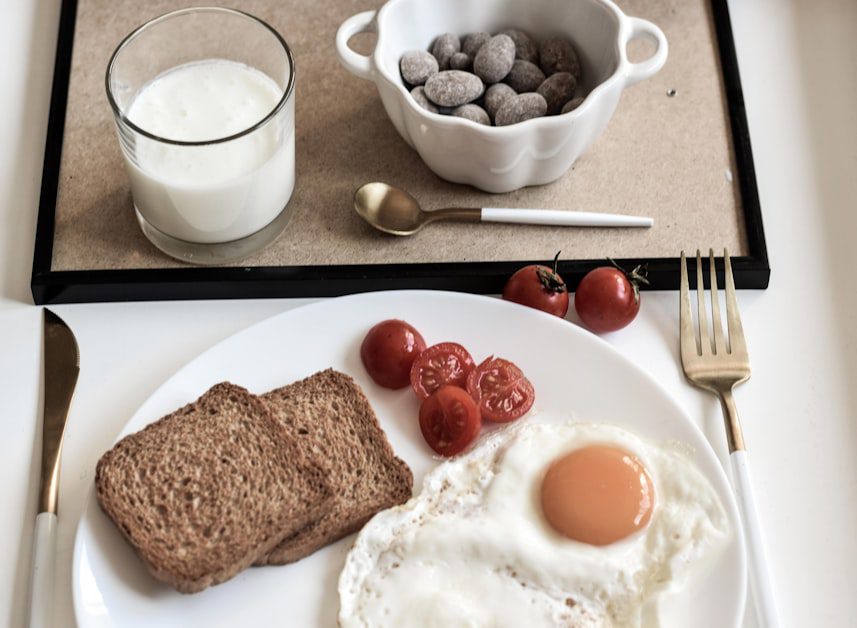
Hormonal changes after 40 make weight loss harder in specific ways. Declining estrogen leads to increased fat storage around the abdomen. Lower progesterone can disrupt sleep, which raises cortisol — a stress hormone that signals the body to hold onto fat. Meanwhile, declining muscle mass (a process called sarcopenia that accelerates after 40) lowers your resting metabolic rate, meaning you burn fewer calories just existing.
Protein directly addresses all three. It preserves and builds muscle tissue, which keeps your metabolism higher. It has the highest thermic effect of any macronutrient — meaning your body burns about 25-30% of protein calories just digesting them, compared to 6-8% for carbohydrates and 2-3% for fat. And it suppresses ghrelin, the “hunger hormone,” more effectively than carbohydrates or fat.
Timing matters too. A 2023 study found that women who consumed at least 30 grams of protein at breakfast ate fewer calories throughout the entire day compared to women who ate a carbohydrate-heavy morning meal. When you start the day with protein, you’re setting your appetite hormones up for success before cravings even have a chance to hit.
How Much Protein Do You Actually Need at Breakfast
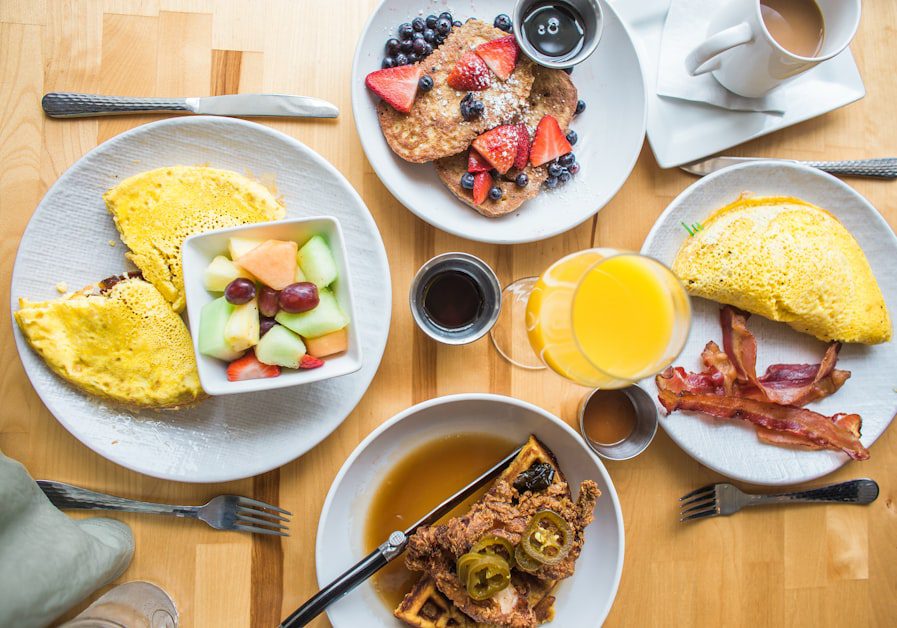
The short answer: aim for 25 to 40 grams of protein per breakfast meal. This range is supported by multiple clinical trials and aligns with the body’s capacity to optimally synthesize muscle protein from a single sitting. Eating less than 20 grams often isn’t enough to trigger meaningful satiety hormone responses. Eating more than 50 grams at once doesn’t provide additional benefit — excess protein above what your body can use in one sitting gets oxidized or stored.
For women over 40, the broader daily protein target is 1.2 to 1.6 grams per kilogram of body weight, which is significantly higher than the old recommended dietary allowance of 0.8 g/kg. If you weigh 68 kg (150 lbs), you’re looking at 82 to 109 grams of protein per day. Getting 30-35 grams at breakfast puts you well on track without needing to scramble at every meal.
Spreading protein intake evenly across meals is also more effective for muscle synthesis than eating most of your protein at dinner, which is a common pattern for many women. Breakfast is the easiest place to build this habit because you have full control over what you eat before the day gets unpredictable.
7 Best High Protein Breakfast Options for Weight Loss
These options are organized by prep time and practicality. Each provides at least 25 grams of protein and can be adjusted based on your calorie goals.
1. Greek Yogurt Power Bowl (30g protein)
Start with 200g of plain full-fat Greek yogurt (17g protein), add 1 scoop of unflavored whey protein stirred in (25g protein), top with 2 tablespoons of chia seeds for fiber, and a handful of berries for antioxidants. The fat in full-fat yogurt slows digestion, extending satiety. Chia seeds add 4-5g of fiber, which research shows further enhances post-meal fullness.
2. Three-Egg Veggie Scramble with Cottage Cheese (34g protein)
Whisk 3 eggs with 100g of 2% cottage cheese, pour into a non-stick pan with spinach, cherry tomatoes, and diced capsicum. The eggs provide 18g protein, cottage cheese adds 11g, and this combination delivers all essential amino acids in a single meal. Takes under 10 minutes and keeps you full for 4-5 hours.
3. Smoked Salmon and Avocado on Rye (28g protein)
100g of smoked salmon provides 20g of high-quality protein plus omega-3 fatty acids that reduce inflammation. Add 2 slices of rye bread (6g protein) and half an avocado. Omega-3s are particularly important for women over 40 because they help regulate cortisol and support joint health.
4. Overnight Protein Oats (33g protein)
Mix half a cup of rolled oats with 1 cup of low-fat milk, 1 scoop of vanilla protein powder, and 1 tablespoon of almond butter. Refrigerate overnight. Oats provide beta-glucan, a soluble fiber that feeds beneficial gut bacteria and has been shown to reduce LDL cholesterol — a concern that increases after menopause. This is the best prep-ahead option for busy mornings.
5. Turkey and Egg White Breakfast Wrap (30g protein)
Scramble 4 egg whites (14g protein) with 85g of sliced turkey breast (20g protein) and wrap in a whole wheat tortilla with leafy greens and salsa. Egg whites are nearly pure protein with almost no fat, making this option ideal if you’re in a calorie deficit.
6. Tuna on Whole Grain Toast (35g protein)
Open a 160g can of tuna in water (35g protein), mix with a tablespoon of Greek yogurt instead of mayo, serve on two slices of seeded bread. Tuna is one of the most protein-dense affordable foods available. This option takes 3 minutes and costs very little. It sounds unconventional for breakfast, but in terms of nutrition and weight loss results, it’s hard to beat.
7. Protein Smoothie with Casein (40g protein)
Blend 1 scoop casein protein (25g), 200ml unsweetened almond milk, half a banana, 1 tablespoon peanut butter, and a handful of spinach. Casein is a slow-digesting protein that releases amino acids steadily over 4-7 hours, making it particularly good for women who struggle with mid-morning hunger between breakfast and lunch. This is also the fastest option — under 3 minutes from fridge to glass.
Breakfast Foods That Sabotage Weight Loss After 40
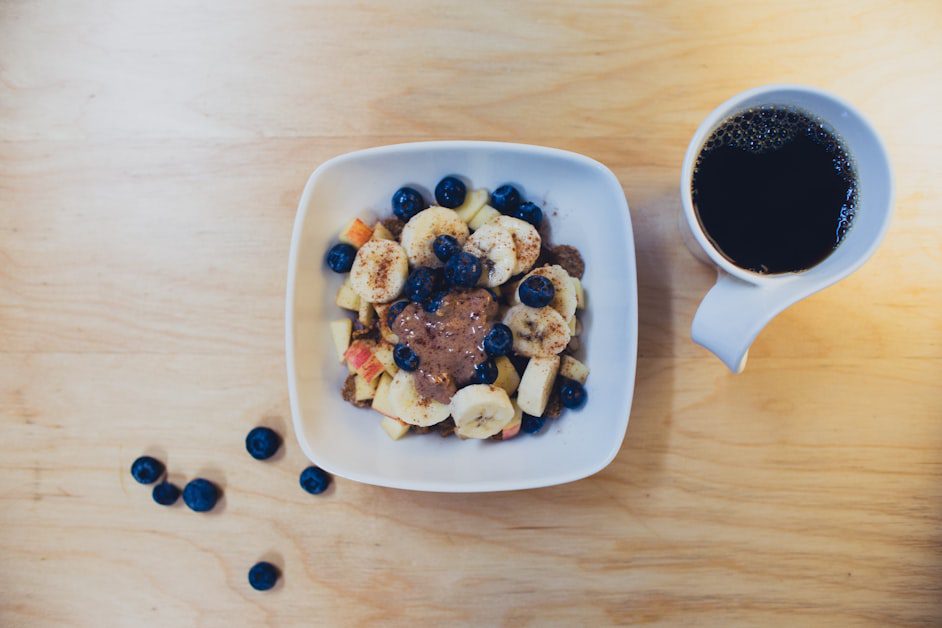
Knowing what to avoid is just as important as knowing what to eat. Several commonly recommended “healthy” breakfast foods are actually poor choices for women over 40 specifically because of how they interact with post-40 hormonal patterns.
Flavored yogurts: Most flavored yogurts contain 15-25g of added sugar. Combined with declining insulin sensitivity after 40, this blood sugar spike triggers a cortisol response and causes hunger to return within 2 hours. Always choose plain yogurt and add your own fruit.
Granola and most cereals: Even cereals marketed as “high fiber” or “heart healthy” typically contain minimal protein (2-4g per serving) and rely on simple carbohydrates for their calorie content. These are precisely the foods that fail to trigger satiety hormones at the levels needed to control appetite through the morning.
Fruit juice: Whole fruit is fine. Juice removes the fiber and concentrates the sugar. A glass of orange juice contains 26g of sugar with no fat, no protein, and essentially no fiber. This creates a rapid blood sugar spike followed by a crash — the opposite of what you want for weight management.
Toast with jam or butter alone: Two slices of white toast with butter provides roughly 300 calories but less than 6g of protein. This is essentially a carbohydrate-and-fat breakfast with no meaningful protein signal to satiety hormones. If you’re eating toast, add eggs, smoked salmon, or nut butter to bring the protein up.
How to Meal Prep High Protein Breakfasts for the Week
Consistency is the gap between knowing what to eat and actually eating it. Meal prepping your breakfasts on Sunday eliminates decision fatigue and removes the “I don’t have time” excuse on busy mornings.
The easiest approach is batch cooking two or three options that hold well in the fridge for 4-5 days. Overnight protein oats can be made in 5 individual jars on Sunday and grabbed each morning. Hard-boiled eggs stay fresh in the fridge for a week. A batch of egg muffins (whisk 8 eggs with your choice of vegetables and bake in a muffin tin at 180°C for 20 minutes) provides grab-and-go protein for several days.
If you’re following a program like the vegetarian high protein meal prep for weight loss guide, you can integrate these breakfast preps into the same Sunday session and prep an entire week of high-protein eating in under 90 minutes total.
Keep your kitchen stocked with the staples: Greek yogurt, eggs, cottage cheese, canned tuna, smoked salmon, protein powder, and nut butters. With these on hand, you can always build a 30g+ protein breakfast in under 10 minutes even when you haven’t prepped ahead.
Protein, Muscle Loss, and Why It Matters for the Scale
Women lose approximately 3-5% of muscle mass per decade after 30, accelerating after menopause. This matters for weight loss because muscle is metabolically expensive tissue — the more you have, the more calories you burn at rest. Losing muscle while losing weight is a common trap that results in a lower metabolism, making it progressively harder to maintain weight loss over time.
High protein intake at every meal, and especially breakfast, directly combats this. The leucine content in protein-rich foods triggers muscle protein synthesis — the process by which muscle fibers repair and grow. Foods highest in leucine include whey protein, eggs, beef, chicken, and fish. Getting at least 2-3 grams of leucine per meal is associated with meaningful muscle-preserving effects, even without resistance training.
That said, pairing high protein breakfasts with resistance training produces dramatically better results. If you’re building a weight loss program, check out the complete guide to losing weight after 40 for women which covers the exercise component alongside nutrition strategy.
Sample High Protein Breakfast Plan for the Week
Variety matters both for nutrition and for actually sticking to the plan. Eating the same thing every day leads to food boredom, which leads to abandoning the plan. Here’s a sample week that covers all the bases:
Monday: Greek yogurt power bowl (30g protein) — 5 min prep
Tuesday: Three-egg veggie scramble with cottage cheese (34g) — 10 min
Wednesday: Overnight protein oats, prepped Sunday (33g) — 0 min
Thursday: Smoked salmon and avocado on rye (28g) — 5 min
Friday: Turkey and egg white wrap (30g) — 8 min
Saturday: Tuna on whole grain toast (35g) — 3 min
Sunday: Casein protein smoothie (40g) — 3 min
This plan averages 32.8 grams of protein per breakfast. Over a week, that’s a meaningful contribution to your daily protein target and, combined with adequate protein at other meals, positions you to preserve muscle while losing fat.
For ideas on high-protein snacks to fill the gaps between meals, the quick high protein snacks under 300 calories guide pairs well with this breakfast plan.
Frequently Asked Questions
How much protein should a woman over 40 eat for breakfast to lose weight?
Aim for 25 to 40 grams of protein at breakfast. Research consistently shows that 30 grams is the threshold at which satiety hormone responses become significant enough to reduce overall daily calorie intake. Women over 40 specifically benefit from higher protein targets because hormonal changes reduce muscle-preserving efficiency, so you need more dietary protein to achieve the same muscle-maintenance effect as you had in your 20s and 30s. Starting with 25-30g and increasing to 35-40g if you’re still hungry by mid-morning is a sensible approach.
Is eating protein for breakfast enough to lose weight without exercise?
High-protein breakfasts support weight loss even without exercise by reducing total daily calorie intake and preventing muscle loss. Studies show that women eating high-protein diets lose more fat mass than women on standard diets at the same calorie deficit. However, adding even light resistance training amplifies results significantly — not because exercise alone burns massive calories, but because building muscle raises your resting metabolic rate. Think of a high-protein breakfast as the foundation; exercise is the multiplier. Both together are dramatically more effective than either alone.
What’s the fastest high protein breakfast for busy mornings?
A casein protein smoothie takes under 3 minutes and provides 35-40 grams of protein. Blend 1 scoop of casein protein with unsweetened almond milk, a tablespoon of nut butter, and frozen berries. If smoothies aren’t appealing, tuna on whole grain toast takes 3 minutes and delivers 35 grams of protein. For zero-effort mornings, prep overnight protein oats on Sunday and grab a jar straight from the fridge. All three options require no cooking and minimal cleanup.
Does a high protein breakfast help with menopause weight gain?
Yes, and this is one of the most evidence-backed strategies for menopause-related weight management. The weight gain that often accompanies perimenopause and menopause is driven by declining estrogen, increased cortisol, insulin resistance, and muscle loss. High-protein breakfasts directly address three of these four factors: they preserve muscle mass, lower cortisol response to hunger (by keeping blood sugar stable), and improve insulin sensitivity when consumed consistently. They don’t replace estrogen, but they create a metabolic environment where your body is much better positioned to manage weight. For more on this topic, the how to lose weight after menopause naturally guide covers the complete picture.
Can I get enough protein at breakfast without eating eggs or meat?
Absolutely. Greek yogurt, cottage cheese, and protein powder are all animal-based but not meat or eggs. For fully plant-based options: silken tofu scrambled like eggs provides about 15g protein per cup. Edamame on the side adds another 8-9g. A smoothie with pea protein and hemp seeds can easily hit 30g. Combining a plant-based protein powder with nut butter and plant milk in overnight oats is one of the most practical meat-free, egg-free high-protein breakfasts available. The amino acid profile is slightly less complete than animal proteins, so aim for the higher end of the 30-40g range if you’re plant-based.
The Bottom Line
Weight loss after 40 isn’t about eating less and suffering through it. It’s about eating smarter in ways that align with how your body actually works in this phase of life. Starting every day with 25-40 grams of protein is one of the highest-leverage nutrition habits you can build. It controls hunger for hours, preserves the muscle you need to keep your metabolism burning, and stabilizes blood sugar in ways that prevent the cravings and energy crashes that derail most diets.
The seven breakfast options in this guide are practical, fast, and backed by solid research. Pick two or three that appeal to you, add them to your rotation, and meal prep where you can. You don’t need to overhaul everything at once. Start with breakfast, get the habit locked in, and let the results guide the rest of your approach.
The CDC’s guidance on healthy eating for weight management further supports a protein-forward dietary approach for sustainable fat loss. What you eat in the morning sets the metabolic tone for the entire day — make it count.
Medical Disclaimer: This content is for informational purposes only and does not constitute medical advice. Consult a qualified healthcare provider before making any health decisions.