 Lifestyle
 Food & Nutrition
 Fitness
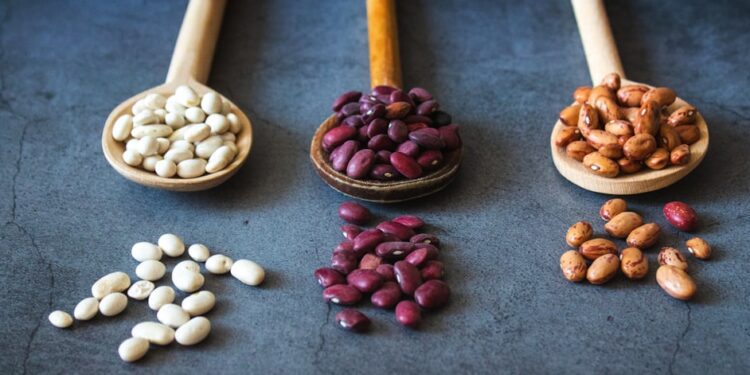
If you’ve been searching for high protein legume recipes for weight loss that actually keep you full without loading up your plate with expensive meat or protein powders, you’re in the right place. Legumes – lentils, chickpeas, black beans, and their cousins – are quietly one of the most powerful weight-loss foods hiding in plain sight at the grocery store.
A single cup of cooked lentils delivers 18 grams of protein and 16 grams of fiber for roughly 230 calories. That protein-fiber combination is exactly what researchers point to when explaining why people who eat legumes regularly tend to weigh less and stay satiated longer between meals. This isn’t a trend. It’s decades of nutritional science.
Below you’ll find seven practical, delicious recipes built around legumes as the protein anchor, along with the science explaining why they support fat loss, and honest tips for making them part of your weekly routine without spending hours in the kitchen.
- 1 Why Legumes Are a Weight Loss Secret Weapon
- 2 1. Spiced Red Lentil Soup (22g Protein Per Bowl)
- 3 2. Roasted Chickpea Power Bowl (20g Protein)
- 4 3. Black Bean and Turkey Chili (35g Protein)
- 5 4. White Bean and Egg Breakfast Skillet (28g Protein)
- 6 5. Lentil and Veggie Stuffed Bell Peppers (18g Protein)
- 7 6. High Protein Chickpea Greek Salad (16g Protein)
- 8 7. Edamame and Miso Noodle Bowl (24g Protein)
- 9 Meal Prep Tips to Make These Recipes Actually Stick
- 10 Frequently Asked Questions
- 10.1 How much protein do legumes actually contain?
- 10.2 Are high protein legume recipes good for weight loss if you have a slow metabolism?
- 10.3 Do I need to soak dried beans before cooking?
- 10.4 Can I eat legumes every day for weight loss?
- 10.5 What’s the easiest high protein legume meal for someone just starting out?
- 11 The Bottom Line
Why Legumes Are a Weight Loss Secret Weapon
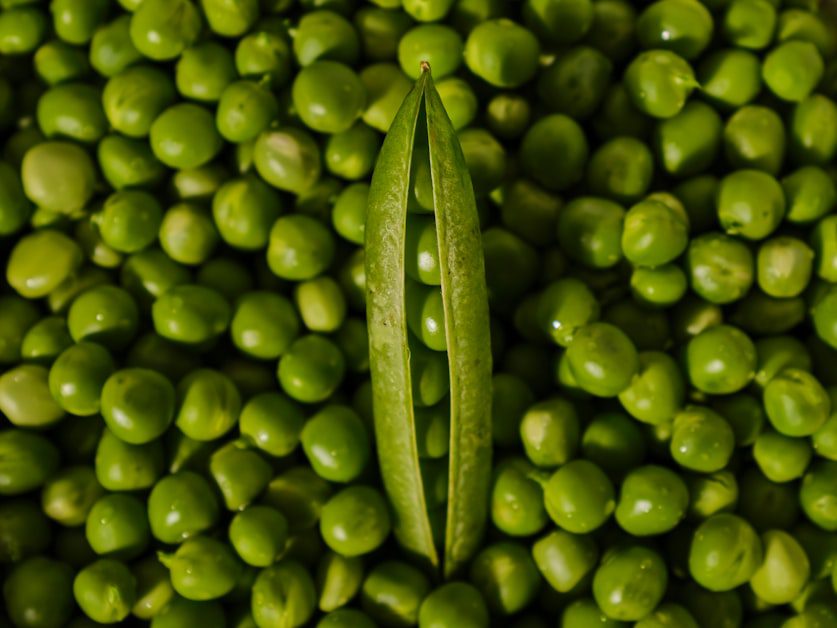
Most people underestimate legumes because they think “plant protein” means “incomplete” or “not enough.” That’s only partly true, and easily fixed. Yes, most legumes lack one or two essential amino acids on their own – but when you combine them with whole grains, rice, or even small amounts of dairy, you get a complete amino acid profile at a fraction of the cost of meat.
More importantly for weight loss, legumes do something that chicken breast doesn’t: they deliver massive fiber alongside that protein. That fiber slows digestion, stabilizes blood sugar, and feeds the beneficial bacteria in your colon that produce short-chain fatty acids linked to reduced fat storage. Research published in the American Journal of Clinical Nutrition found that people who ate legumes four times per week lost significantly more weight than those who didn’t, even without other dietary changes.
Legumes also score very low on the glycemic index. That means they won’t spike your blood sugar and trigger the insulin surge that promotes fat storage. Instead, they give you slow, steady energy – the kind that keeps you away from the snack cabinet at 3 p.m.
According to the National Institutes of Health, diets rich in legumes are associated with lower rates of obesity, metabolic syndrome, and cardiovascular disease – conditions that often travel together.
1. Spiced Red Lentil Soup (22g Protein Per Bowl)
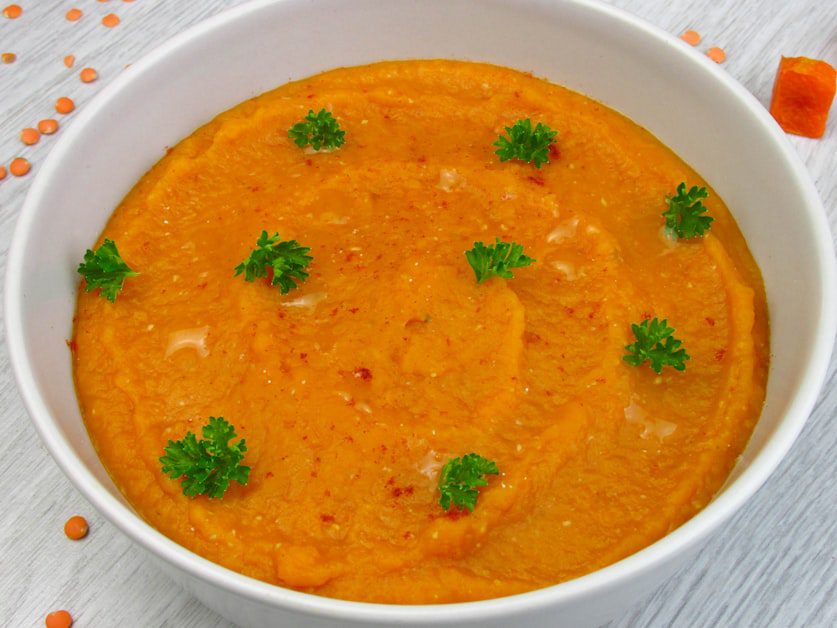
Red lentils cook down into a thick, creamy soup without any blending needed – making this one of the fastest high-protein meals you can put on the table. One generous bowl clocks in around 320 calories, 22 grams of protein, and 14 grams of fiber. That’s a meal that will keep most people satisfied for four to five hours.
What you need: 1 cup red lentils (rinsed), 1 can diced tomatoes, 1 medium onion, 3 garlic cloves, 1 tsp cumin, 1 tsp smoked paprika, 1/2 tsp turmeric, 4 cups vegetable broth, salt and lemon juice to finish.
How to make it: Saute the onion and garlic in a little olive oil until soft, about 4 minutes. Add spices and stir for 30 seconds. Add lentils, tomatoes, and broth. Bring to a boil, reduce heat, and simmer for 20 minutes until lentils break down. Squeeze in lemon juice before serving. Done.
The turmeric and cumin aren’t just for flavor. Both have anti-inflammatory properties that support metabolic health. If you’re already following an anti-inflammatory daily routine, this soup slots right in.
2. Roasted Chickpea Power Bowl (20g Protein)
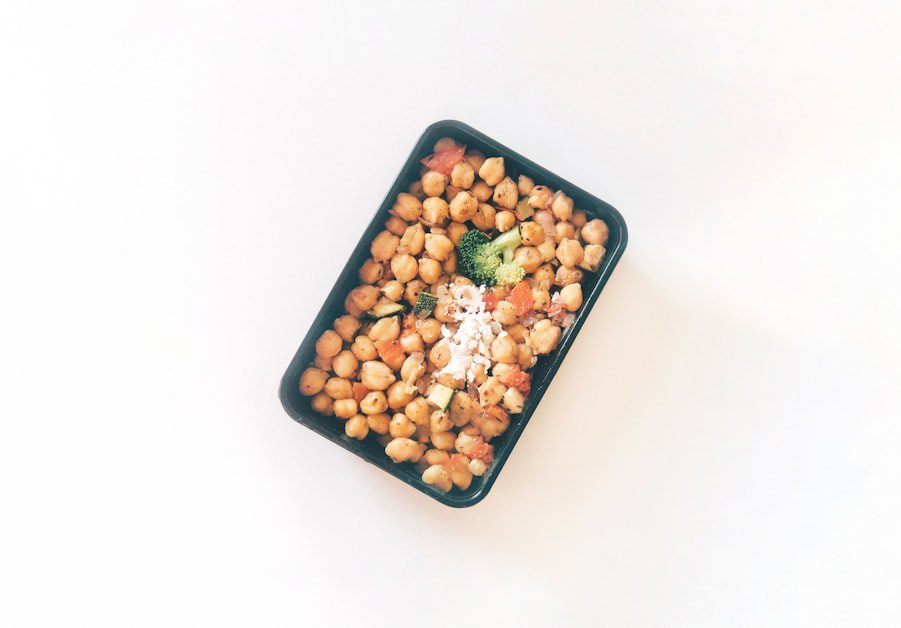
Roasted chickpeas are crunchy, satisfying, and work as both a main protein in a bowl and a snack on their own. When you build a full bowl around them – with quinoa, leafy greens, cucumber, and a tahini drizzle – you get a meal that hits 20 grams of protein and over 400 calories, making it a solid lunch or dinner for anyone in a moderate calorie deficit.
What you need: 1 can chickpeas (drained and dried), 1/2 cup cooked quinoa, 2 cups mixed greens, 1/2 cucumber sliced, 1 tbsp tahini, juice of half a lemon, olive oil, salt, garlic powder, smoked paprika.
How to make it: Toss dried chickpeas with olive oil, smoked paprika, and garlic powder. Spread on a baking sheet. Roast at 220°C (425°F) for 25-30 minutes until crispy. Assemble your bowl: greens on the bottom, quinoa, cucumber, chickpeas on top. Drizzle with tahini thinned with lemon juice and a little water.
Quinoa and chickpeas together form a near-complete protein profile. This bowl also gives you a solid dose of iron, which many people in a calorie deficit run low on.
3. Black Bean and Turkey Chili (35g Protein)
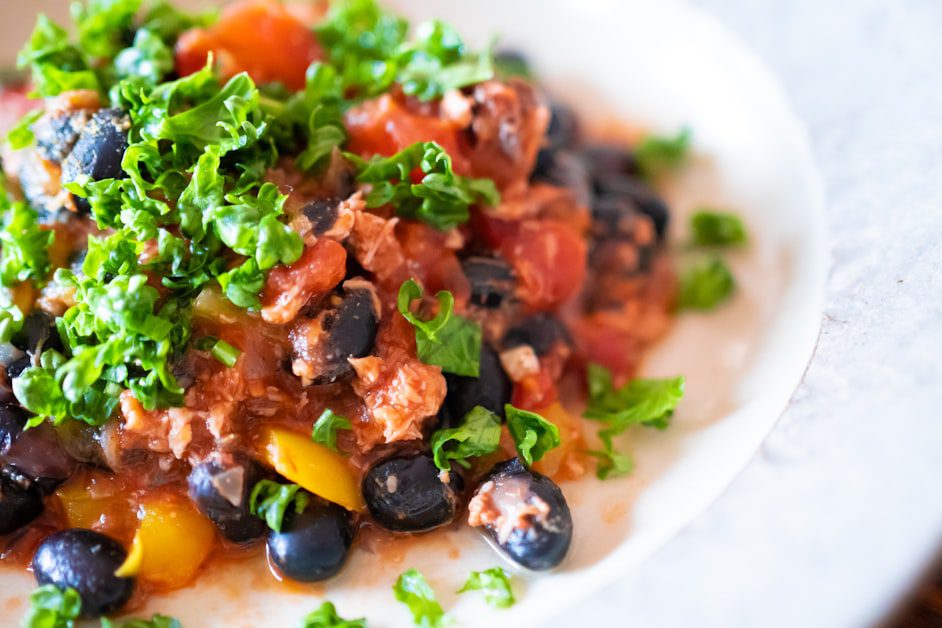
This is the highest protein recipe on this list, and it’s a meal-prep dream. A single pot makes six generous servings. Black beans bring the fiber and plant protein while lean ground turkey adds the animal protein punch. Together, one bowl delivers roughly 35 grams of protein at around 380 calories – hard to beat.
What you need: 450g lean ground turkey, 2 cans black beans, 1 can diced tomatoes, 1 bell pepper, 1 onion, 3 garlic cloves, 1 tsp each of cumin, chili powder, and oregano, salt and pepper, 1 cup chicken broth.
How to make it: Brown the turkey in a large pot. Add onion, garlic, and bell pepper; cook 5 minutes. Add spices and stir. Pour in tomatoes, beans, and broth. Simmer for 30 minutes. Serve with a dollop of plain Greek yogurt instead of sour cream for an extra protein boost.
Batch-cooking this chili on Sunday gives you ready-made high-protein lunches for the entire work week. If you’re trying to build a high-protein meal prep routine, this chili is a natural anchor.
4. White Bean and Egg Breakfast Skillet (28g Protein)
Most high-protein breakfast advice revolves around eggs alone. But adding white beans to your eggs doubles the protein and adds fiber that keeps blood sugar stable all morning. This skillet takes about 12 minutes and works for breakfast, lunch, or dinner.
What you need: 1 can white (cannellini) beans, 3 large eggs, 1/2 cup cherry tomatoes, 2 cups baby spinach, 1/2 tsp garlic powder, red pepper flakes, olive oil, salt.
How to make it: Heat olive oil in an oven-safe skillet. Add beans, tomatoes, and spinach. Season and cook until spinach wilts, about 3 minutes. Make three small wells in the mixture and crack an egg into each. Cover and cook on low heat until egg whites are set but yolks are still runny, about 5 minutes. Finish with red pepper flakes.
This skillet is exactly the kind of meal that makes starting a weight-loss routine feel sustainable rather than punishing. You’re not depriving yourself – you’re eating a satisfying, protein-dense plate that supports your goals.
5. Lentil and Veggie Stuffed Bell Peppers (18g Protein)
Stuffed peppers look impressive and taste like you spent hours on them. In reality, the active prep time is about 20 minutes. Green lentils hold their shape when cooked, making them ideal for stuffing – they don’t turn mushy like red lentils do. You get a colorful, filling dinner at around 280 calories per stuffed pepper with 18 grams of protein.
What you need: 4 large bell peppers (tops cut off, seeds removed), 1 cup cooked green or French lentils, 1 cup cooked brown rice, 1 can diced tomatoes with herbs, 1/2 cup corn, 1 tsp cumin, 1/2 cup shredded mozzarella (optional), salt and pepper.
How to make it: Preheat oven to 190°C (375°F). Mix lentils, rice, tomatoes, corn, and cumin in a bowl. Season well. Stuff the peppers firmly with the mixture. Place in a baking dish with a splash of water on the bottom. Cover with foil and bake 35 minutes. Uncover, top with cheese if using, and bake another 10 minutes until peppers are tender.
Lentils and rice together form a complete protein, which is why this combination appears across countless traditional cuisines from India to the Middle East. It works because the science backs it up.
6. High Protein Chickpea Greek Salad (16g Protein)
This no-cook recipe is perfect for hot days or when you have zero desire to stand over a stove. Chickpeas replace the usual protein (chicken, tuna) without sacrificing satiety. Add feta cheese and you push the protein even higher while getting calcium that supports bone density – something often overlooked when cutting calories.
What you need: 1 can chickpeas (drained and rinsed), 1 cup cherry tomatoes (halved), 1 cucumber (diced), 1/2 red onion (sliced thin), 1/2 cup Kalamata olives, 80g feta cheese, 2 tbsp olive oil, 1 tbsp red wine vinegar, dried oregano, salt and pepper.
How to make it: Combine everything in a large bowl. Toss gently so the feta doesn’t fully crumble. Taste and adjust seasoning. Let it sit for 10 minutes before serving so the flavors develop. This keeps well in the fridge for two days, making it another solid meal-prep option.
If you’re tracking calories, this salad lands around 390 calories per serving with 16 grams of protein and 8 grams of fiber. It’s one of the easier ways to hit your daily protein target without feeling like you’re “dieting.” For more ideas on hitting your protein goals without the effort, that guide covers a lot of practical ground.
7. Edamame and Miso Noodle Bowl (24g Protein)
Edamame is technically a legume – immature soybeans – and it’s one of the few plant proteins considered nutritionally complete on its own. One cup of shelled edamame delivers 17 grams of protein. Pair it with soba noodles (also protein-rich, made from buckwheat) and a miso broth, and you get a warming bowl that genuinely rivals any meat-based soup in terms of satiety.
What you need: 1 cup frozen shelled edamame, 100g soba noodles (cooked according to package), 2 cups vegetable broth, 1 tbsp white miso paste, 1 tsp sesame oil, 1 tbsp low-sodium soy sauce, 2 green onions, 1 soft-boiled egg (optional for extra protein), sesame seeds.
How to make it: Warm the broth over medium heat. Whisk in miso paste until dissolved (don’t boil after adding miso or you destroy the beneficial probiotics). Add soy sauce and sesame oil. Add edamame and noodles and warm through. Pour into bowls, top with green onions, sesame seeds, and the egg if using.
Miso paste is fermented, which means it also supports gut health – an increasingly important factor in weight management. According to the Centers for Disease Control and Prevention, dietary patterns that prioritize whole plant foods are among the most evidence-based approaches to achieving and maintaining a healthy weight.
Meal Prep Tips to Make These Recipes Actually Stick
Knowing the recipes isn’t enough. The difference between someone who eats well consistently and someone who doesn’t usually comes down to preparation, not willpower. Here are the habits that make legume-based eating easy to sustain.
Cook a big batch of lentils and beans on Sunday. Cooked legumes keep in the fridge for 5 days and freeze perfectly. Having them already cooked cuts your weeknight dinner time to under 15 minutes for most of these recipes.
Use canned legumes without shame. Canned chickpeas, black beans, and white beans are just as nutritious as home-cooked ones. The fiber and protein content is essentially identical. Rinse them to reduce sodium and you’re good to go.
Combine legumes with grains at the same meal. You don’t need to overthink this. Brown rice and beans, lentils and whole grain bread, chickpeas and quinoa – any combination works to give you a complete amino acid profile.
Season aggressively. Legumes absorb flavor brilliantly but taste bland on their own. Cumin, smoked paprika, garlic, lemon, and chili are your friends. Good seasoning is the difference between a meal you look forward to and one you force down.
People who succeed at weight loss long-term tend to build meals they genuinely enjoy. If you’re also working on your overall approach to sustainable weight loss, adding two or three of these legume meals per week is one of the lowest-effort, highest-impact changes you can make.
Frequently Asked Questions
How much protein do legumes actually contain?
It varies by type, but legumes are consistently strong plant-based protein sources. Cooked lentils provide about 18 grams of protein per cup, cooked chickpeas around 15 grams, cooked black beans about 15 grams, and edamame (shelled) roughly 17 grams per cup. These numbers are for cooked portions, which is the form you’d actually eat. When you combine legumes with grains, dairy, or eggs in the same meal, you’re getting a protein quality that rivals animal sources for most practical purposes. If you’re aiming for 100-150 grams of protein per day, legumes can realistically cover 30-50% of that target with two well-planned meals.
Are high protein legume recipes good for weight loss if you have a slow metabolism?
Yes, and arguably they’re better suited to a slower metabolism than many other high-protein approaches. The fiber in legumes slows the absorption of carbohydrates, which prevents the blood sugar spikes that promote fat storage and hunger. The protein in legumes also has a high thermic effect, meaning your body burns more calories just digesting it. Additionally, the resistant starch found in legumes feeds gut bacteria that produce short-chain fatty acids – compounds that research suggests help regulate appetite hormones like leptin and ghrelin. People with hypothyroidism or who’ve experienced metabolic slowdown from yo-yo dieting often find legume-based diets particularly helpful for gradually improving body composition without extreme calorie restriction.
Do I need to soak dried beans before cooking?
For dried beans (kidney, black, pinto, chickpeas), soaking overnight reduces cooking time significantly and helps break down some of the compounds that cause bloating. Fill a bowl with cold water, submerge the beans fully, and leave them for 8-12 hours. Drain, rinse, then cook in fresh water. Lentils and split peas don’t require soaking – they cook within 20-30 minutes straight from dry. If you’re using canned legumes, no prep is needed beyond rinsing. For people who find legumes cause digestive discomfort, soaking and rinsing consistently makes a real difference. Starting with smaller portions and building up gradually also helps your gut bacteria adapt over a couple of weeks.
Can I eat legumes every day for weight loss?
There’s no nutritional reason you can’t eat legumes daily, and in fact, the populations with the longest lifespans – Sardinians, Okinawans, Blue Zone communities in Costa Rica – eat them nearly every day. From a weight-loss standpoint, daily legume consumption is associated with lower BMI and smaller waist circumference in long-term epidemiological studies. The main practical concern is digestive adjustment if you’re new to eating them frequently. Your gut microbiome adapts within a few weeks, and the bloating and gas that some people experience initially typically diminishes significantly with consistent intake. Varying which legumes you eat also helps – rotate between lentils, chickpeas, black beans, and edamame for variety and to cover a broader micronutrient range.
What’s the easiest high protein legume meal for someone just starting out?
The spiced red lentil soup from recipe one is genuinely hard to get wrong. Red lentils cook in 20 minutes without pre-soaking, they become naturally creamy without any blending, and the ingredients are inexpensive and easy to find. The entire pot costs under $5 to make and delivers four to five servings with 18-22 grams of protein each. If even that feels like too much to start, simply adding a drained and rinsed can of chickpeas or white beans to a soup, stew, or salad you already make is enough to meaningfully boost your protein and fiber intake. You don’t need to overhaul your entire diet at once – just start with one legume-based meal per week and build from there.
The Bottom Line
High protein legume recipes for weight loss work because they address two of the biggest obstacles to sustainable fat loss: hunger and cost. A can of chickpeas or a bag of lentils costs a fraction of the price of chicken or fish, yet delivers comparable protein with the added bonus of a fiber load that keeps you full for hours.
The seven recipes above range from a 12-minute breakfast skillet to a Sunday batch-cook chili that fuels the whole week. You don’t need to commit to all of them at once. Pick one or two that sound good, cook them this week, and notice how your energy and hunger levels respond. Most people are surprised by how satisfying plant-based protein can be when it’s prepared well.
Weight loss doesn’t have to mean expensive supplements, complicated meal plans, or going hungry. Sometimes the most effective strategy is also the simplest: eat more legumes.
Medical Disclaimer: This content is for informational purposes only and does not constitute medical advice. Consult a qualified healthcare provider before making any health decisions.