
 Lifestyle
 Food & Nutrition
 Fitness

Having the right home medical devices every family member can rely on is no longer just for people managing chronic illness. From checking a child’s fever at 2 a.m. to monitoring your blood pressure after a stressful week, the ability to get accurate health readings at home has become a genuine part of modern preventive care. This guide covers the devices worth owning, what to look for when buying, and how to use each one correctly.
The goal is not to replace your doctor. It is to help you make faster, better-informed decisions – whether that means treating a mild fever at home with confidence or recognizing the numbers that warrant a call to your healthcare provider.
Home Medical Devices Every Family Needs: Why They Matter

Most households stock a basic first aid kit, but very few invest in the monitoring tools that can catch problems early. A blood pressure cuff that sits in a drawer is more valuable than ten trips to a pharmacy to use the machine by the door – because you can track trends over time, not just spot-check when you happen to think about it.
Home medical devices have dropped dramatically in price over the past decade. A reliable pulse oximeter costs less than a restaurant meal. A clinically validated blood pressure monitor runs about the price of a gym day pass. These are not luxury items. They are practical tools that every household – especially those with children, elderly relatives, or anyone managing a chronic condition – should keep on hand.
The key is buying devices that are clinically validated, not just cheap. For equipment recommendations and trusted medical-grade devices for home use, Easy Aid Medical stocks a curated range of monitors and kits that meet clinical accuracy standards.
Digital Thermometer
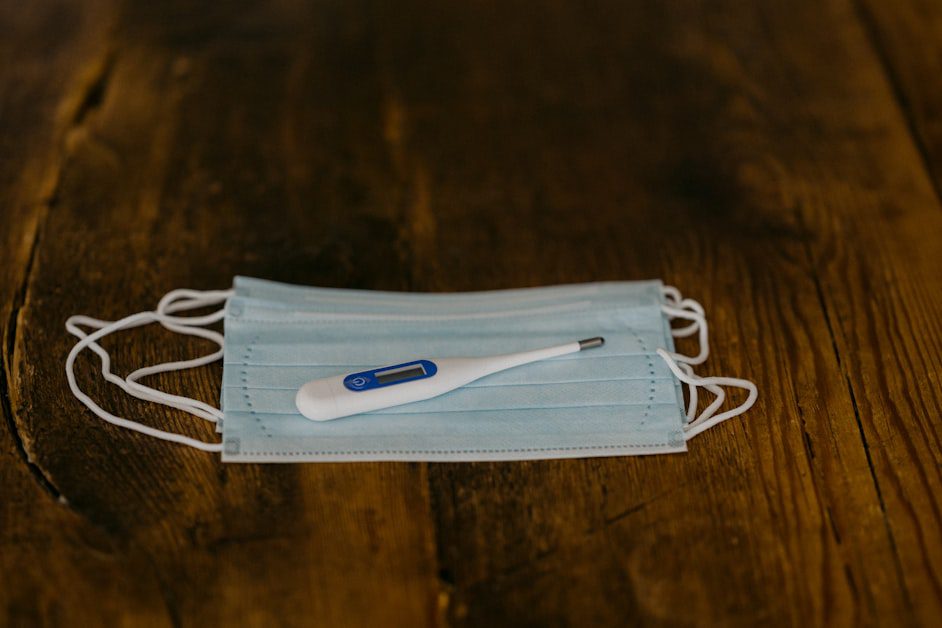
A digital thermometer is the single most-used health device in any household with children. Unlike mercury thermometers, modern digital models read temperature in under 60 seconds, display the result clearly, and alert you with a beep when the reading is complete.
There are five main types: oral, rectal, underarm, ear (tympanic), and forehead (infrared). Rectal thermometers give the most accurate reading and are recommended for infants under three months. Ear and forehead models are fast and non-invasive, making them popular for children and for use in busy households.
A normal oral temperature sits between 36.1 and 37.2 degrees Celsius (97 to 99 degrees Fahrenheit). A reading of 38 degrees Celsius or higher is generally considered a fever. In infants under three months, any fever above 38 degrees warrants an immediate call to your doctor.
Clean the tip with rubbing alcohol before and after every use. Store it in its case away from direct sunlight, and replace it if it is dropped or shows inconsistent readings.
Blood Pressure Monitor
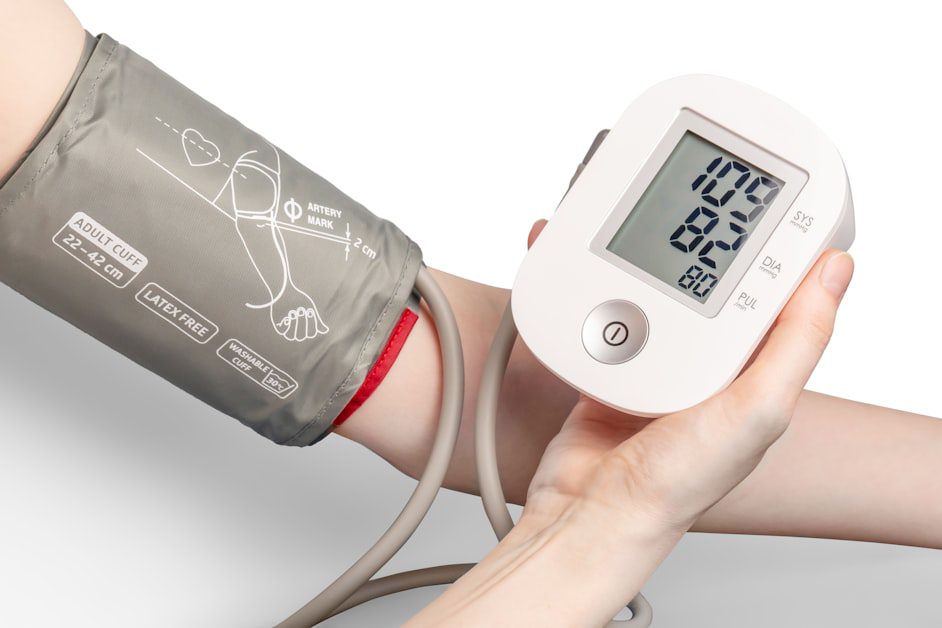
High blood pressure is often called the silent killer because it causes no obvious symptoms until serious damage has already occurred. A home blood pressure monitor lets you build a picture of your cardiovascular health over days and weeks – which is far more informative than a single reading taken at the doctor’s office under stress.
Upper-arm cuff monitors (as opposed to wrist cuffs) are the most accurate home medical devices for blood pressure tracking. Look for a device that has been validated by the British Hypertension Society or the American Heart Association. Features to prioritize: irregular heartbeat detection, memory storage for at least 60 readings, and an appropriately sized cuff for your arm circumference.
A normal reading is below 120/80 mmHg. Consistently reading above 130/80 mmHg is classified as stage 1 hypertension by the Centers for Disease Control and Prevention and should be discussed with your doctor. Take readings at the same time each day, after five minutes of rest, and avoid caffeine or exercise for at least 30 minutes beforehand.
If you are managing blood pressure, nutrition plays a significant role alongside monitoring. Research consistently shows that vitamin D3 and K2 work together to support cardiovascular health and healthy arterial function.
Pulse Oximeter
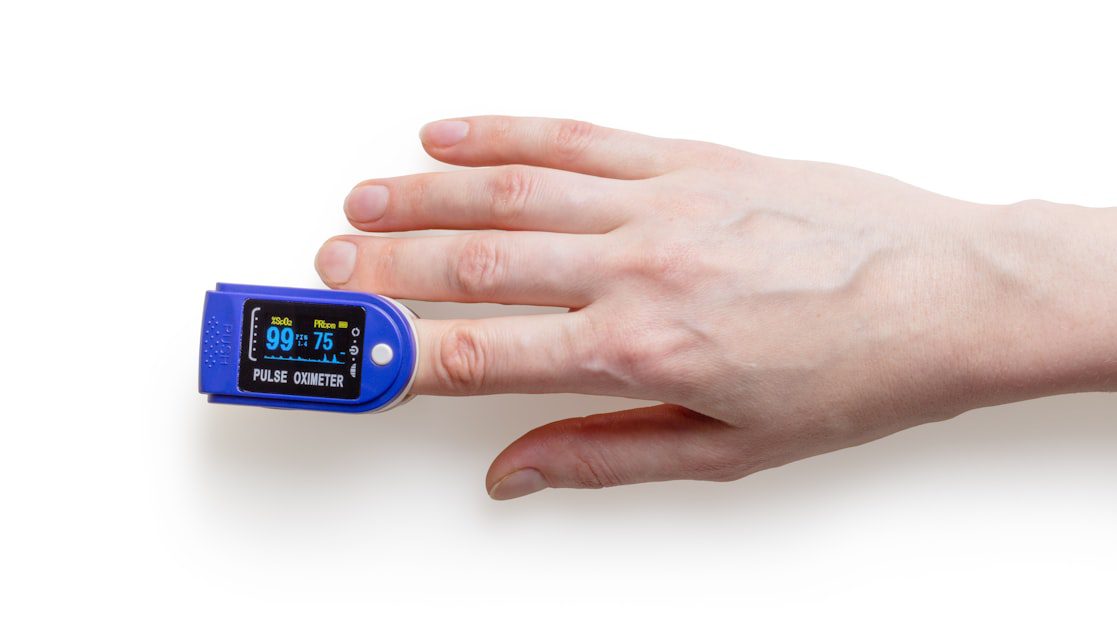
A pulse oximeter clips onto your fingertip and uses light to measure the oxygen saturation of your blood (SpO2) along with your pulse rate. It became a household staple during the COVID-19 pandemic, but its value extends well beyond respiratory illness.
Normal SpO2 is between 95 and 100 percent. A reading consistently below 92 percent is a warning sign that warrants medical evaluation. Pulse oximeters are particularly useful for people with asthma, COPD, sleep apnea, or heart conditions, as well as for monitoring recovery after illness or surgery.
They are inexpensive, portable, and require no calibration. Keep one in your first aid kit. If a family member complains of shortness of breath, chest tightness, or persistent fatigue, checking their SpO2 takes five seconds and can provide critical information quickly.
According to the National Heart, Lung, and Blood Institute, a blood oxygen level below 95 percent may indicate a problem with lung function. Factors like cold fingers, nail polish, or dark skin pigmentation can sometimes affect pulse oximeter accuracy, so take multiple readings and note any patterns rather than reacting to a single number. For households with elderly relatives or anyone recovering from respiratory illness, a pulse oximeter is one of the most practical home medical devices every family should have within reach.
First Aid Kit
A fully stocked first aid kit is the foundation of home medical readiness. The basics every kit should contain: adhesive bandages in multiple sizes, sterile gauze pads, medical tape, antiseptic wipes, an instant cold pack, tweezers, scissors, disposable gloves, a digital thermometer (see above), and a first aid manual.
More advanced kits add wound closure strips, a triangular bandage, an emergency mylar blanket, a CPR face shield, and a SAM splint. If anyone in your household has a known allergy, keep an antihistamine and ideally a prescribed epinephrine auto-injector in a clearly marked location.
Check your kit every six months. Replace expired items, restock bandages you have used, and verify that medications have not degraded. A kit that is incomplete when you need it provides false confidence.
The World Health Organization reports that falls are the second leading cause of unintentional injury deaths globally. Having a properly stocked first aid kit means you can handle minor injuries at home instead of rushing to urgent care for a cut that only needs cleaning and a butterfly bandage. These are the kinds of home medical devices every family benefits from having available before an emergency happens.
Blood Glucose Monitor
Among home medical devices every family with a diabetes history should prioritize, a blood glucose monitor is non-negotiable. Even for people without a diagnosis, periodic monitoring can reveal patterns – particularly around meals and sleep – that help identify early insulin resistance before it progresses.
Standard glucometers require a small lancet finger prick and a test strip. Continuous glucose monitors (CGMs) use a sensor worn on the skin to track blood sugar in real time throughout the day and night. CGMs are increasingly available without a prescription and give a much richer data picture than spot checks alone.
A fasting blood glucose level below 5.6 mmol/L (100 mg/dL) is normal. Consistently fasting above 6.1 mmol/L warrants a conversation with your doctor. Post-meal spikes above 10 mmol/L two hours after eating are also a signal worth investigating.
Supporting Health Between Check-Ups
Medical devices tell you where you are. Nutrition and supplementation are how you improve those numbers over time. If your home monitoring reveals patterns – recurring low energy, poor sleep, frequent illness – your supplement routine is worth reviewing alongside your diet.
A few evidence-backed starting points: magnesium supports sleep quality and blood pressure regulation, vitamin D3 is involved in immune function and cardiovascular health, and B12 deficiency is more common than most people realize – especially in women over 40 and people who eat little or no meat. For a deeper look at which supplements are worth taking and why, our guide to immune-supporting vitamins and supplements covers the most clinically supported options.
Also consider your dental health routine – oral health is closely linked to cardiovascular disease risk and systemic inflammation, yet it is one of the most overlooked components of preventive home care.
Frequently Asked Questions
What is the most important home medical device to own?
A digital thermometer is the single most universally useful device – it applies to every age group, requires no training, and is needed frequently. A blood pressure monitor is the most important device for adults over 40 or anyone with a family history of cardiovascular disease.
Are home blood pressure monitors accurate enough to rely on?
Clinically validated upper-arm cuff monitors are accurate enough for reliable home monitoring. Look for devices validated by the British Hypertension Society, the American Heart Association, or the European Society of Hypertension. Wrist cuffs are generally less accurate and should be used only when an upper-arm cuff is not practical.
How often should I check my pulse oximeter reading?
For healthy individuals with no respiratory conditions, there is no need for routine daily checks. Use it when you feel short of breath, are recovering from illness, or are monitoring a family member with a known respiratory or heart condition. For anyone with asthma, COPD, or sleep apnea, daily morning readings can help detect gradual changes before they become acute problems.
Where can I buy reliable home medical devices?
Medical-grade home devices are available from specialist medical retailers. Easy Aid Medical offers a range of clinically validated monitors and first aid equipment suitable for home use, with products that meet the accuracy standards used in clinical settings.
How do I know when a home reading warrants a doctor visit?
Seek medical attention for: any fever above 39.4 degrees Celsius (103 degrees Fahrenheit) in adults or above 38 degrees in infants under three months; blood pressure consistently above 140/90 mmHg; SpO2 readings below 92 percent; fasting blood glucose consistently above 6.1 mmol/L; or any reading that seems unusually high or low and does not resolve with rest.
Conclusion
The right home medical devices every family owns are not about playing doctor – they are about being informed. A thermometer, blood pressure monitor, pulse oximeter, and a well-stocked first aid kit cover the vast majority of health situations that arise outside of a clinic. They help you decide with confidence whether something needs professional attention or can be managed at home.
Buy validated devices, learn to use them correctly, and check them regularly. Pair home monitoring with sensible nutrition and supplement habits, and you have a genuinely effective foundation for preventive health care – without leaving the house.
Medical disclaimer: The information in this article is for educational purposes only and does not constitute medical advice. Always consult a qualified healthcare provider before making decisions about your health or the health of family members.