
 Lifestyle
 Food & Nutrition
 Fitness
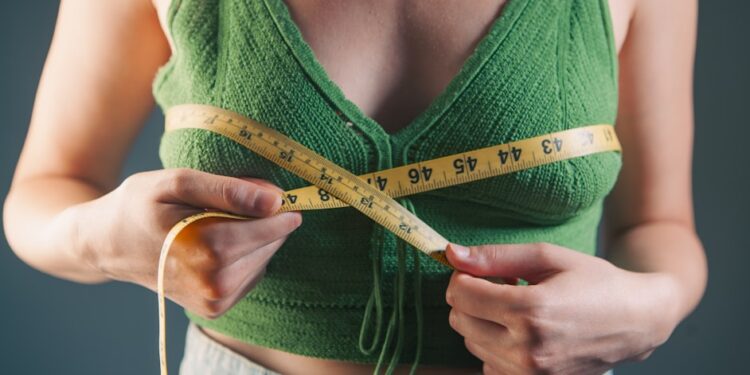
The struggle to lose weight after 40 for women is real, and you’ve probably noticed that the strategies that worked in your 20s and 30s no longer seem to cut it. You’re eating the same way, maybe even less, but the scale refuses to budge or creeps upward. You’re not imagining it. Your body is genuinely changing, and it requires a different approach.
The good news is that to lose weight after 40 for women, it doesn’t require starving yourself, spending hours in the gym, or following an extreme elimination diet. What it does require is understanding what’s actually happening in your body and adjusting your strategy accordingly. This guide breaks down exactly what to do, based on how female physiology shifts in your 40s and beyond.
Whether you’re pre-menopausal, in perimenopause, or post-menopause, the principles here apply. Small, consistent changes add up to real results over weeks and months.
- 1 Why It’s Harder to Lose Weight After 40 for Women
- 2 Protein: The Most Important Tool to Lose Weight After 40 for Women
- 3 Why Strength Training Is Non-Negotiable After 40
- 4 Managing Blood Sugar and Insulin for Fat Loss
- 5 The Sleep and Stress Connection to Weight After 40
- 6 Calorie Intake and Intermittent Fasting After 40
- 7 What to Eat More of and What to Limit After 40
- 8 Realistic Expectations When You Lose Weight After 40 for Women
- 9 Frequently Asked Questions
- 9.1 Why is it so hard to lose belly fat after 40 as a woman?
- 9.2 How many calories should a woman over 40 eat to lose weight?
- 9.3 Does intermittent fasting work for women over 40?
- 9.4 What is the best exercise for weight loss after 40 for women?
- 9.5 Can hormonal changes actually stop weight loss after 40?
- 10 Conclusion
Why It’s Harder to Lose Weight After 40 for Women
Understanding the biological shifts happening in your body makes it much easier to work with them rather than against them. Several things change simultaneously once you hit your 40s, and together they can make fat loss feel frustratingly slow.
Declining estrogen and progesterone are the biggest factors. As these hormones drop during perimenopause, your body becomes more prone to storing fat around the belly rather than the hips and thighs. This isn’t just cosmetic. Visceral abdominal fat is metabolically active and linked to higher cardiovascular risk, which is why managing it matters for health, not just appearance.
Muscle mass decreases at a rate of roughly 3-8% per decade after 30, a process called sarcopenia. Since muscle tissue burns more calories at rest than fat tissue, losing muscle directly lowers your resting metabolic rate. Many women don’t realize that what feels like a “slow metabolism” is often muscle loss that happened gradually over years.
Cortisol sensitivity also increases with age. Chronic stress, which many women in their 40s experience juggling careers, family, and health concerns, raises cortisol levels. Elevated cortisol promotes fat storage, especially in the abdominal area, and increases cravings for high-calorie comfort foods.
Finally, sleep quality often degrades in your 40s due to hormonal fluctuations, night sweats, and stress. Poor sleep disrupts ghrelin (hunger hormone) and leptin (satiety hormone), making you feel hungrier and less satisfied after meals, which leads to overeating without intending to.
Protein: The Most Important Tool to Lose Weight After 40 for Women
If you take one dietary change seriously to lose weight after 40 for women, make it your protein intake. Most women over 40 are significantly undereating protein, and this single change can transform their results.
Research published in the National Institutes of Health database shows that higher protein intake preserves muscle mass during weight loss, increases satiety, and has a higher thermic effect than carbohydrates or fats. In practical terms, this means protein keeps you fuller for longer, burns more calories during digestion, and protects the muscle tissue that keeps your metabolism active.
Aim for 0.7 to 1 gram of protein per pound of body weight daily. For a 150-pound woman, that’s 105-150 grams of protein per day. This sounds like a lot if you’re used to eating 50-60 grams, but spreading it across three to four meals makes it very achievable.
The best high-protein foods to prioritize include:
- Eggs (6g per egg, with a complete amino acid profile)
- Greek yogurt (17-20g per cup)
- Chicken breast or thighs (25-30g per 3.5 oz serving)
- Salmon and tuna (22-25g per serving, plus omega-3s for hormonal health)
- Cottage cheese (25g per cup)
- Lentils and legumes (15-18g per cup, cooked)
- Edamame (17g per cup)
Starting your day with a protein-forward breakfast, such as eggs with vegetables or Greek yogurt with nuts, sets up your blood sugar and hunger levels for the entire day. Women who eat 30+ grams of protein at breakfast consistently report fewer afternoon cravings and lower overall calorie intake.
Why Strength Training Is Non-Negotiable After 40
Many women over 40 gravitate toward cardio for weight loss because it burns calories while you’re doing it. Cardio has real health benefits, but if you’re only doing cardio and skipping strength training, you’re missing the most effective tool for long-term fat loss after 40.
Resistance training builds and preserves muscle mass, which is the key to raising your resting metabolic rate. Every pound of muscle you add burns an additional 6-10 calories per day at rest. More importantly, strength training creates what’s known as the “afterburn effect” (excess post-exercise oxygen consumption), where your body continues burning elevated calories for 24-48 hours after a lifting session.
You don’t need to become a powerlifter. Even two to three strength training sessions per week of 30-40 minutes each produces significant improvements in body composition, bone density, insulin sensitivity, and mood. Effective exercises include:
- Squats and lunges (lower body and core)
- Deadlifts or Romanian deadlifts (posterior chain, glutes)
- Rows and pull-downs (upper back, posture)
- Chest press (chest and triceps)
- Overhead press (shoulders)
Bone density is a particular concern for women over 40, as estrogen’s protective effect on bones begins to decline. Weight-bearing resistance training is one of the most evidence-backed interventions for maintaining bone density and reducing osteoporosis risk, according to the National Institute of Arthritis and Musculoskeletal and Skin Diseases.
If you’re new to strength training, start with bodyweight exercises or light dumbbells and focus on learning proper form before adding load. Apps, YouTube channels, and personal trainers can all be useful starting points.
Managing Blood Sugar and Insulin for Fat Loss
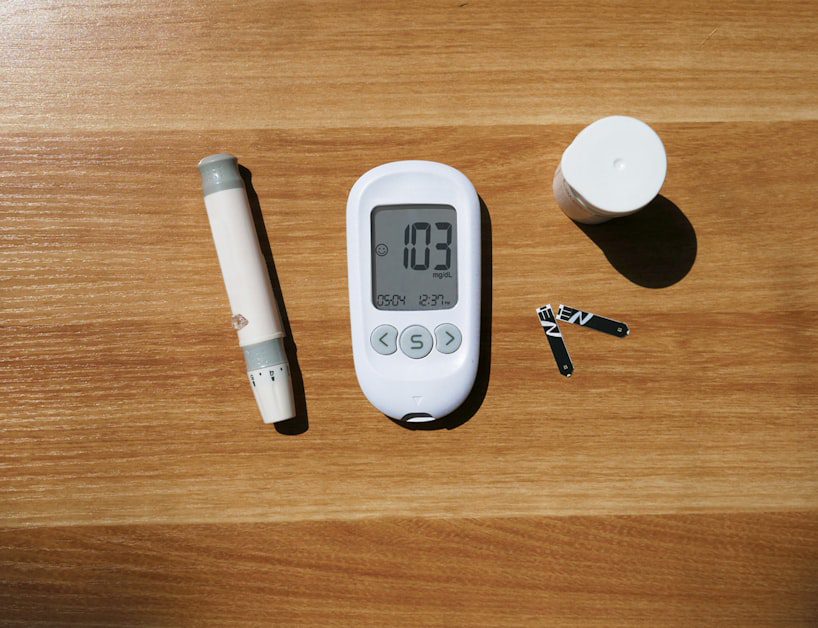
Blood sugar management becomes increasingly important for weight loss after 40. As estrogen declines, insulin sensitivity often decreases, meaning your body requires more insulin to process carbohydrates. Higher insulin levels promote fat storage and make it harder to access stored fat for energy.
You don’t need to go full keto or eliminate carbohydrates entirely. What you do need is to be smarter about carbohydrate quality and timing.
Prioritize low-glycemic, fiber-rich carbohydrates over refined sugars and processed grains. Vegetables, legumes, sweet potatoes, oats, and whole fruits all provide nutrients and fiber that slow glucose absorption and prevent the insulin spikes that encourage fat storage.
A highly effective strategy is eating carbohydrates later in the day, particularly around exercise. This approach, sometimes called carb timing or carb backloading, takes advantage of increased insulin sensitivity in muscle tissue post-workout. Having your larger carbohydrate serving at dinner rather than breakfast has been shown to improve weight loss outcomes in several studies.
Another practical tool is walking after meals. Even a 10-15 minute walk after eating significantly blunts postprandial (after-meal) blood sugar spikes, improving insulin response and reducing fat storage signals. This is one of the easiest interventions anyone can implement immediately.
Avoid eating large amounts of refined carbohydrates late in the evening when insulin sensitivity is naturally at its lowest. A bowl of pasta or a heavy dessert at 10pm is metabolically very different from the same meal eaten at noon.
The Sleep and Stress Connection to Weight After 40
No diet or exercise program will deliver full results if your sleep is poor and your stress is chronically high. These aren’t soft “wellness” concerns; they are hard metabolic levers that directly affect your body’s ability to lose fat.
When you sleep fewer than 7 hours consistently, ghrelin (the hunger hormone) increases significantly, while leptin (which signals fullness) decreases. You wake up hungrier and less satisfied after eating. Studies show that sleep-deprived individuals consume an average of 300-500 more calories per day compared to well-rested counterparts, and preferentially crave carbohydrate-heavy, high-fat foods.
Perimenopause-related night sweats and hormonal fluctuations can make quality sleep harder to achieve. Practical strategies to improve sleep in your 40s include:
- Keeping your bedroom cool (65-67°F / 18-19°C) to reduce night sweat disruption
- Avoiding alcohol within 3 hours of bedtime (it disrupts sleep architecture even if it helps you fall asleep)
- Establishing a consistent wind-down routine in the 30-60 minutes before sleep
- Reducing blue light exposure from screens after 8pm
- Considering magnesium glycinate supplementation, which supports both sleep quality and muscle recovery
Stress management matters equally. Chronic elevated cortisol tells your body to hold onto fat, especially visceral belly fat, as an energy reserve. Mindfulness practices, regular movement, time outdoors, and social connection are all evidence-backed cortisol regulators. Even 10 minutes of daily deep breathing or meditation has measurable effects on cortisol levels over time.
Calorie Intake and Intermittent Fasting After 40
You do need a calorie deficit to lose weight, even after 40. No hormonal strategy or food quality change eliminates this fundamental requirement. However, extreme calorie restriction is actively counterproductive for women over 40 for two key reasons: it accelerates muscle loss, and it raises cortisol, further disrupting hormonal balance.
A moderate deficit of 300-500 calories per day below your total daily energy expenditure is sustainable and effective. For most women in their 40s, this means eating roughly 1,600-1,900 calories per day depending on height, weight, and activity level. Going below 1,400 calories daily is generally not recommended for active women because of the muscle loss and metabolic adaptation it triggers.
Intermittent fasting (IF) works well for many women over 40, particularly a 16:8 approach (eating within an 8-hour window, fasting for 16). IF can help reduce calorie intake naturally without rigid calorie counting and improves insulin sensitivity over time. However, some women find that very long fasting windows increase cortisol and cause fatigue, especially during perimenopause. A 12:12 or 14:10 window may work better if 16:8 feels difficult.
The most sustainable calorie strategy is one that includes the foods you enjoy in reasonable portions. Chronic restriction leads to binge cycles that undermine progress. Tracking food intake even temporarily for 2-4 weeks using a free app like MyFitnessPal can be eye-opening and help you understand where your calories are actually coming from.
What to Eat More of and What to Limit After 40
Rather than focusing on what you can’t eat, here’s a clearer framework for what to prioritize and what to pull back on based on your hormonal profile in your 40s.
Prioritize these foods:
- Cruciferous vegetables (broccoli, cauliflower, Brussels sprouts, kale): support estrogen metabolism and liver detoxification
- Fatty fish (salmon, mackerel, sardines): omega-3s reduce inflammation and support hormonal production
- Flaxseeds and chia seeds: plant lignans that help balance estrogen levels
- Berries: high antioxidant content, low glycemic, supports insulin sensitivity
- Green tea: catechins and EGCG mildly increase fat oxidation; also supports blood sugar
- Fiber-rich foods: support gut health and the estrobolome (gut bacteria involved in estrogen recycling)
Limit or reduce:
- Ultra-processed foods: disrupt gut microbiome, increase inflammation, and drive calorie overconsumption
- Alcohol: directly impairs fat oxidation, disrupts sleep, and increases estrogen levels (counterproductive during perimenopause)
- Added sugars: spike insulin, promote visceral fat storage, and worsen hormonal acne and skin quality
- Refined grains: white bread, pasta, pastries cause rapid blood sugar spikes without the fiber or nutrients of whole grain versions
If you’re struggling with belly fat specifically, reducing alcohol intake is often the single most impactful dietary change. Alcohol not only adds empty calories but also slows fat burning for 24-48 hours after consumption as your liver prioritizes alcohol metabolism over fat metabolism.
Realistic Expectations When You Lose Weight After 40 for Women
Weight loss after 40 for women is typically slower than it was in earlier decades, and that’s normal. Expecting to lose 2 pounds a week by cutting calories will lead to frustration. A realistic, sustainable pace is 0.5 to 1 pound per week, which translates to 26-52 pounds over a year if maintained consistently.
Progress isn’t always visible on the scale, especially when you’re strength training. Muscle is denser than fat, so your body composition can improve significantly while your weight stays similar. Take measurements and photos, pay attention to how clothes fit, and track energy levels and mood as additional markers of progress.
The women who succeed long-term at maintaining a healthy weight after 40 are the ones who build sustainable habits, not the ones who complete the most aggressive 30-day challenge. Focus on creating a lifestyle that supports your health year-round, and the weight will follow. For more practical guidance on supportive nutrition and behavior change, see our article on how to shop for healthy foods on a budget, and if hormonal changes are your main concern, our post on how to lose weight after menopause naturally covers the next phase in detail. You may also find strategies in our guide on fibermaxxing for weight loss highly complementary to the approach described here.
Frequently Asked Questions
Why is it so hard to lose belly fat after 40 as a woman?
The primary reason is declining estrogen during perimenopause. As estrogen drops, fat distribution shifts from the hips and thighs to the abdominal area, particularly visceral fat. Simultaneously, insulin sensitivity often decreases, making blood sugar harder to regulate and fat storage easier to trigger. Elevated cortisol from age-related stress also specifically targets abdominal fat deposits. Addressing all three factors, through diet, strength training, and stress management, is necessary to effectively reduce belly fat after 40.
How many calories should a woman over 40 eat to lose weight?
It depends on your height, weight, and activity level, but most women over 40 lose weight effectively on 1,600-1,900 calories per day when combined with regular strength training. Going below 1,400 calories risks muscle loss and metabolic adaptation. A moderate deficit of 300-500 calories below your total daily energy expenditure is the sweet spot. Using a TDEE calculator (Total Daily Energy Expenditure) gives you a personalized starting point, which you can then adjust based on your progress over four to six weeks.
Does intermittent fasting work for women over 40?
Yes, intermittent fasting can be effective for women over 40, but the protocol matters. A 16:8 fasting window works well for many women, but some find it increases cortisol and fatigue during perimenopause. A more moderate 12:12 or 14:10 approach is gentler and still improves insulin sensitivity over time. The main benefit of IF is that it naturally reduces calorie intake and improves metabolic flexibility. It’s not suitable for everyone, and women with a history of disordered eating should approach it carefully or consult a healthcare provider first.
What is the best exercise for weight loss after 40 for women?
Strength training is the highest-priority exercise for women over 40 who want to lose weight and keep it off. It preserves muscle mass, raises resting metabolism, improves insulin sensitivity, and protects bone density. Aim for two to three sessions per week. Cardio in the form of brisk walking, cycling, or swimming complements strength training well and supports cardiovascular health. High-intensity interval training (HIIT) is effective but should be approached carefully if you’re new to exercise or managing adrenal fatigue symptoms.
Can hormonal changes actually stop weight loss after 40?
Hormonal changes make weight loss more challenging but they don’t make it impossible. Declining estrogen, lower progesterone, and increased insulin resistance all create conditions that favor fat storage. However, these factors can be largely managed through lifestyle interventions. Adequate protein intake, consistent strength training, quality sleep, blood sugar regulation, and stress management collectively counteract most of the hormonal headwinds of aging. Some women may benefit from discussing hormone replacement therapy (HRT) with their doctor, as it can help with body composition, sleep, and metabolic function during perimenopause.
Conclusion
Losing weight after 40 as a woman requires understanding that your body has changed and giving it what it actually needs now, not what worked a decade ago. The core strategies are consistent: eat more protein to protect muscle mass, lift weights to maintain your metabolism, manage blood sugar through food quality and timing, prioritize sleep, and keep stress in check.
You don’t need to starve yourself. Extreme restriction makes things worse after 40 by accelerating muscle loss and raising cortisol. Instead, aim for a sustainable 300-500 calorie deficit, keep protein high, and focus on building habits that support your hormonal health. Results will come more slowly than in your 20s, but they’ll come, and the habits you build will serve your health for decades.
Start with one change this week. Add a protein-forward breakfast. Take a 10-minute walk after dinner. Do one strength training session. Each small step compounds over time, and that’s exactly how real, lasting change happens.
Medical Disclaimer: This content is for informational purposes only and does not constitute medical advice. Consult a qualified healthcare provider before making any health decisions.


Comments 1