
 Lifestyle
 Food & Nutrition
 Fitness
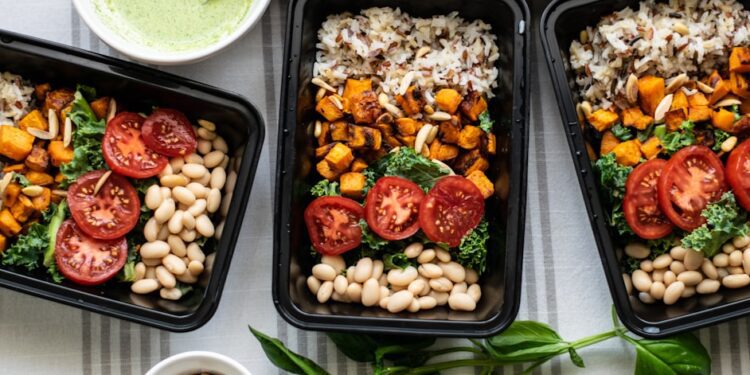
If you’ve been searching for a reliable vegetarian high protein meal prep for weight loss plan that doesn’t require hours in the kitchen or expensive specialty foods, you’re in the right place. Millions of people reduce or eliminate meat from their diets but struggle to get enough protein to stay full, protect lean muscle, and keep steady progress on the scale. The good news: hitting 100 to 130 grams of plant-based protein daily is completely achievable with the right strategy, and batch cooking is what makes it effortless all week long.
Protein is the macronutrient most tightly linked to satiety and body composition. When you eat enough of it, you stay fuller between meals, your body holds onto lean muscle during a calorie deficit, and your metabolism stays more active. According to the Centers for Disease Control and Prevention (CDC), maintaining adequate protein intake is a key component of healthy weight management, particularly for adults maintaining or building lean body mass. The target for active adults in a calorie deficit is typically 1.2 to 1.6 grams per kilogram of body weight daily, and meal prep is how you hit that number consistently without rethinking it every morning.
This guide covers the best vegetarian protein sources, a practical weekly prep structure, five batch-friendly high-protein recipes, and the most common mistakes that derail vegetarian weight loss efforts. Let’s get into it.
- 1 Vegetarian High Protein Meal Prep for Weight Loss: Why the Strategy Works
- 2 Best Vegetarian Protein Sources for Meal Prep
- 3 A Weekly Vegetarian Meal Prep Structure That Actually Works
- 4 Five High Protein Vegetarian Meal Prep Recipes
- 5 Protein Timing: How Spreading Intake Helps Vegetarian Weight Loss
- 6 Calorie Control Without Counting Every Single Day
- 7 Common Mistakes That Undermine Vegetarian High Protein Meal Prep
- 8 Frequently Asked Questions
- 8.1 Can you really get enough protein on a vegetarian diet to lose weight effectively?
- 8.2 How long does vegetarian meal prep last in the fridge?
- 8.3 What’s the best single vegetarian protein source for meal prep?
- 8.4 How many calories should a vegetarian high protein meal prep target for weight loss?
- 8.5 Do I need protein powder for a vegetarian weight loss meal prep plan?
- 9 Putting It All Together
Vegetarian High Protein Meal Prep for Weight Loss: Why the Strategy Works
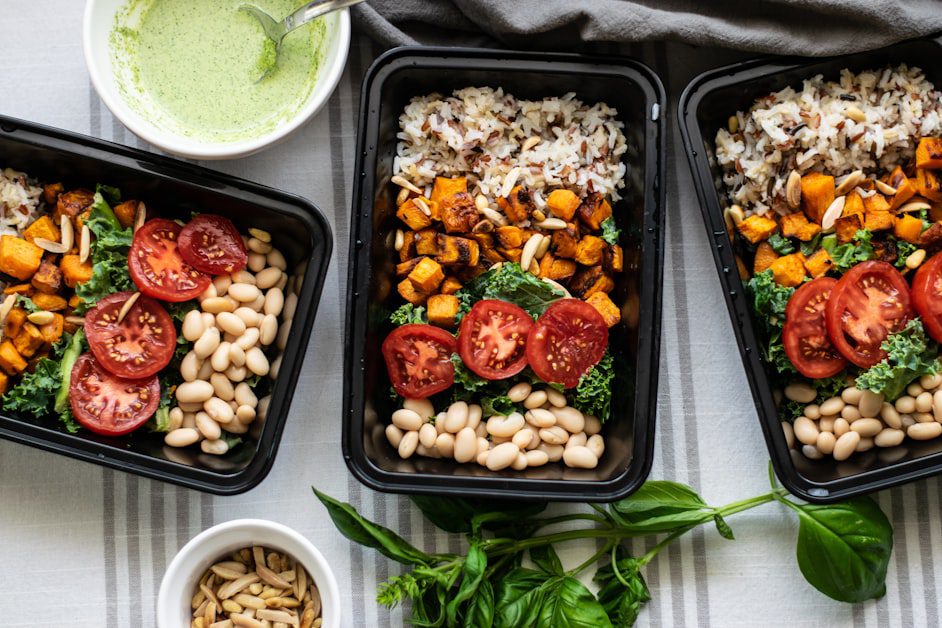
When people transition to a vegetarian diet without planning for protein, they typically end up with carb-heavy plates: bread, pasta, rice, fruit. Those foods aren’t harmful in the right amounts, but a meal with 12 grams of protein and 80 grams of carbs won’t keep you full for more than an hour or two. Hunger drives overeating, and overeating eliminates your calorie deficit.
Protein works differently at the hormonal level. It triggers the release of satiety signals like peptide YY and GLP-1 while suppressing ghrelin, the hunger hormone. A clinical study published in the American Journal of Clinical Nutrition found that increasing protein to 30% of total calories reduced daily energy intake by an average of 441 calories with no intentional restriction. That’s a meaningful calorie reduction driven entirely by fullness rather than willpower.
Protein also carries a higher thermic effect than carbohydrates or fat, meaning your body expends more calories just to digest it. During a calorie deficit, adequate protein is your primary defense against muscle loss. Preserving muscle tissue keeps your resting metabolic rate from declining as you lose weight. For anyone following a vegetarian high protein meal prep for weight loss approach, these biological mechanisms are why the strategy outperforms low-protein vegetarian diets in both weight loss and body composition outcomes.
Best Vegetarian Protein Sources for Meal Prep
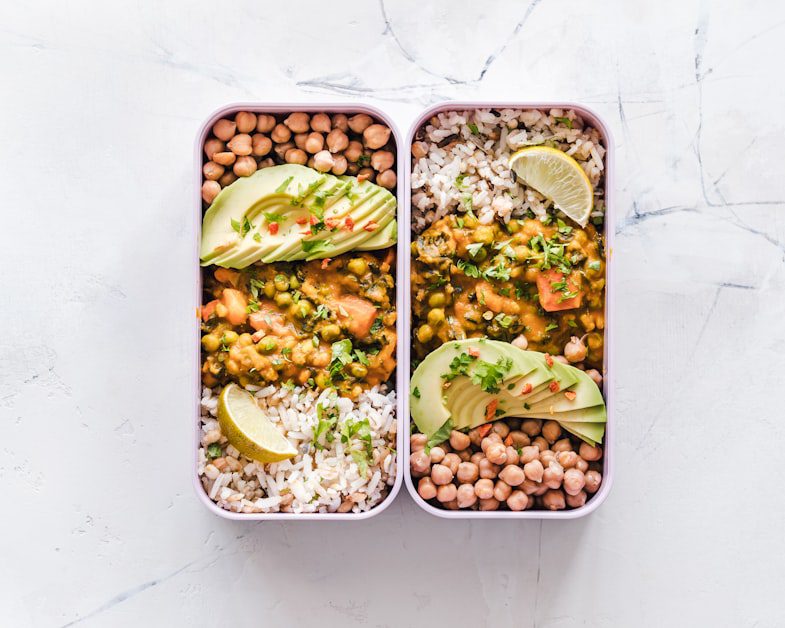
Not all plant proteins perform equally when it comes to batch cooking. Some become soggy, others lose flavor after a day in the fridge. Here are the best performers for a weekly vegetarian meal prep routine:
Tempeh leads the pack with roughly 31 grams of protein per cup. Unlike tofu, tempeh has a dense, meaty texture that holds up beautifully when roasted or pan-fried and doesn’t turn watery after 4 days in the fridge. It’s also a fermented food, which adds a gut health benefit on top of the protein.
Edamame delivers about 29 grams of protein per cup along with fiber and magnesium. Frozen shelled edamame takes 3 minutes to steam and can be tossed into grain bowls, eaten as a snack, or blended into sauces.
Lentils offer around 18 grams of protein per cooked cup and are one of the most budget-friendly options available. They don’t require soaking, reheat without losing texture, and absorb spices and aromatics extremely well. Green and brown lentils hold their shape; red lentils cook down into a creamy consistency perfect for soups and dals.
Greek yogurt (non-fat or low-fat) provides 17 to 20 grams of protein per cup and doubles as a base for sauces and dressings. Swapping sour cream or mayo for Greek yogurt in any recipe cuts calories significantly while adding protein.
Chickpeas and black beans each deliver about 15 grams of protein per cup. They’re shelf-stable in canned form, inexpensive, and flexible enough to appear in breakfast scrambles, grain bowls, soups, and even baked dishes.
Quinoa stands out as one of the few plant foods containing all nine essential amino acids, making it a complete protein at about 8 grams per cooked cup. The National Institutes of Health (NIH) has highlighted plant-based dietary patterns as beneficial for weight and cardiovascular health, with complete plant proteins like quinoa playing an important supporting role.
Eggs and cottage cheese round out the list for lacto-ovo vegetarians. A single egg has 6 grams of complete protein; a cup of cottage cheese has up to 25 grams. Both prep quickly and work across breakfast, lunch, and snack slots.
A Weekly Vegetarian Meal Prep Structure That Actually Works

The biggest mistake people make with meal prep is trying to cook 20 separate, portioned meals on Sunday. That leads to fridge overwhelm, boredom, and a lot of food wasted by Wednesday. A far better approach is component-based prep: cook the building blocks separately, then combine them into different meals throughout the week. This gives you variety while keeping Sunday’s cooking session under 90 minutes.
Here’s a high-protein vegetarian prep session that sets up 5 days of eating:
Proteins (pick 3): Hard-boil a dozen eggs, roast a full block of cubed tempeh with garlic and tamari, and cook a large pot of lentils seasoned with cumin and turmeric. These three proteins rotate through nearly every meal of the week.
Grains (pick 2): A big batch of quinoa and a pot of brown rice. Both store well for 5 days in the fridge and form the base for grain bowls, stir-fries, and side dishes.
Vegetables (roast 1 sheet pan): Broccoli florets, sliced bell peppers, cubed zucchini, and sweet potato chunks at 400°F for 25 minutes. Roasted vegetables reheat far better than steamed and add color, fiber, and crunch to every meal.
Sauces (make 1-2): A tahini-lemon dressing and a spiced tomato-chickpea sauce. Two sauces make the same base ingredients feel like completely different meals across the week.
With these components ready, a sample high-protein day looks like this: Greek yogurt with berries and flaxseed for breakfast (22g protein), quinoa bowl with lentils, roasted vegetables, and tahini for lunch (34g protein), cottage cheese and edamame as an afternoon snack (28g protein), and tempeh stir-fry over brown rice at dinner (36g protein). That’s 120 grams of protein on approximately 1,700 calories, which creates a solid deficit for most adults while keeping hunger well managed.
Five High Protein Vegetarian Meal Prep Recipes
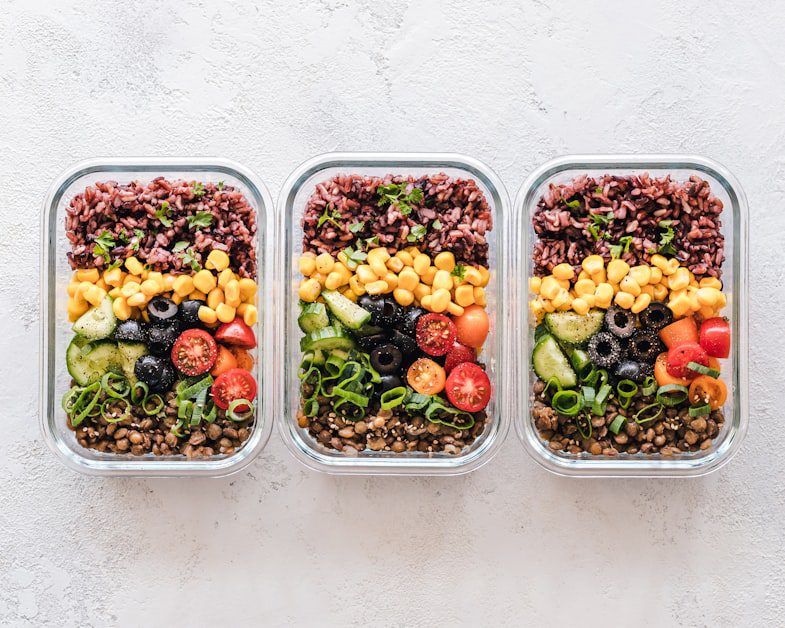
These five recipes are built for batch cooking, store well for 4 to 5 days, and reheat in under 2 minutes. They form the core of a practical vegetarian high protein meal prep for weight loss routine.
1. Lentil and Spinach Egg Muffins
Whisk 8 eggs with half a cup of cooked green lentils, a large handful of fresh spinach, diced red onion, and crumbled feta. Pour into a greased 12-cup muffin tin and bake at 375°F for 20 minutes. Each muffin delivers about 9 grams of protein. Make a batch of 12 on Sunday and breakfast is covered for the full week at roughly 90 seconds per reheat.
2. Spiced Tempeh and Chickpea Grain Bowl
Roast cubed tempeh and drained chickpeas with smoked paprika, cumin, garlic powder, and a drizzle of olive oil at 400°F for 25 minutes. Layer over a base of quinoa with roasted sweet potato and tahini-lemon dressing. One assembled bowl provides about 38 grams of protein and holds its quality in the fridge for 4 days.
3. Red Lentil Dal with Brown Rice
Simmer red lentils in a pot with diced tomatoes, light coconut milk, garlic, ginger, turmeric, cumin, and garam masala for 25 minutes until thick and creamy. Serve over brown rice with a tablespoon of plain Greek yogurt on top. One serving provides 28 to 32 grams of protein depending on portion size. This recipe scales easily; double or triple it for the full week.
4. Black Bean and Cottage Cheese Breakfast Scramble
Warm a half cup of black beans in a pan, add 2 scrambled eggs, a quarter cup of cottage cheese, and a few tablespoons of salsa. Top with sliced avocado. It comes together in under 10 minutes and delivers about 35 grams of protein. Cottage cheese melts into the eggs and becomes barely noticeable in texture, making this one of the most efficient high-protein breakfasts possible.
5. Edamame and Quinoa Power Salad
Combine cooked quinoa with shelled edamame, shredded purple cabbage, sliced cucumber, chopped scallions, roasted pumpkin seeds, and a ginger-sesame dressing made from tamari, rice vinegar, sesame oil, and grated ginger. This salad holds up well even after dressing is added, making it ideal for portioning into 4 containers at once. Each portion offers about 27 grams of protein and stays crisp through day 4.
Protein Timing: How Spreading Intake Helps Vegetarian Weight Loss
Getting to 120 grams of protein daily matters, but so does when you eat it. Spreading protein intake roughly evenly across 3 to 4 meals drives better muscle preservation and satiety than eating most of it at one meal. Research consistently shows that about 25 to 40 grams of protein per meal is the range that maximizes muscle protein synthesis, with diminishing returns above that threshold within a single sitting.
Most people eat a carb-heavy breakfast and consume most of their protein at dinner. The result is persistent morning and midday hunger that leads to snacking and calorie creep. Shifting to a high-protein breakfast, like the egg muffins or the breakfast scramble from the recipes above, flattens hunger throughout the morning and makes overeating at lunch far less likely.
For anyone doing vegetarian high protein meal prep for weight loss, this means actively designing protein into every meal and snack during the Sunday prep session rather than hoping it works out over the course of the day.
Calorie Control Without Counting Every Single Day
One of the most practical advantages of meal prep is that you only need to think carefully about calories once a week. When you portion your meals into containers on Sunday, you’re building the calorie structure for the entire week in one focused session.
A few guidelines make this process easier and more effective:
Use protein as your meal anchor. Start building every meal around the protein source first (tempeh, lentils, eggs, Greek yogurt), then add vegetables, then add a measured portion of grain. This naturally inverts the typical carb-heavy plate and prevents grain portions from creeping upward.
Portion grains once per week, not daily. Cooked grains are easy to overserve because they look smaller than they are. Measure them into containers during your prep session using a kitchen scale or measuring cups, and you won’t need to think about it again.
Eat non-starchy vegetables freely. Broccoli, spinach, peppers, cucumbers, and zucchini are so low in calories that overeating them has essentially no impact on your deficit. Filling half of every container with non-starchy vegetables adds volume, fiber, and micronutrients without meaningfully affecting your calorie count.
If you’re working on the broader picture of weight management, the article on losing weight after 40 for women covers the hormonal factors that affect hunger and metabolism at different life stages, which pairs well with a high-protein vegetarian approach. The piece on fibermaxxing for weight loss explains how fiber and protein work together to suppress appetite, a combination that’s especially powerful with the legume-heavy meals in this guide. And for snacks between meals, the high protein snacks under 300 calories guide fills in the gaps perfectly.
Common Mistakes That Undermine Vegetarian High Protein Meal Prep
Even with solid intentions and a good plan, a few recurring errors keep people from getting the results they’re working toward.
Counting nuts and nut butter as protein sources. Almonds and peanut butter are nutritious, but they’re calorie-dense fat sources first, protein sources second. Two tablespoons of almond butter provides 7 grams of protein alongside 18 grams of fat and 190 calories. Most people eat 3 to 4 tablespoons without noticing. Use nuts as flavor enhancers and texture additions, not as protein anchors in your vegetarian meal prep for weight loss plan.
Neglecting breakfast protein. Skipping or underestimating protein at breakfast sets up a difficult day. Your body is protein-depleted after 8 hours of sleep, and a carb-heavy breakfast only deepens the hunger pattern. Even a simple 200-calorie option like Greek yogurt with a tablespoon of nut butter or a couple of egg muffins makes the rest of the day significantly easier.
Preparing identical meals every day. Eating the same brown rice bowl five days in a row creates flavor fatigue that leads to abandoning the prep entirely by Wednesday. Rotating sauces, varying spice profiles, and switching between grain bases (quinoa one day, brown rice the next) makes component-based prep feel fresh throughout the week.
Ignoring snack protein. Snacks are one of the highest-leverage slots in a vegetarian high protein meal prep for weight loss plan. Replacing a handful of crackers or a piece of fruit with cottage cheese, edamame, a hard-boiled egg, or Greek yogurt adds 15 to 25 grams of protein to your day with minimal effort or calorie cost.
Frequently Asked Questions
Can you really get enough protein on a vegetarian diet to lose weight effectively?
Yes, absolutely. Hitting 100 to 130 grams of daily protein on a vegetarian diet is entirely achievable with intentional food choices. The key is centering every meal around high-protein plant foods like tempeh, lentils, chickpeas, edamame, eggs, Greek yogurt, and cottage cheese rather than defaulting to grains and starches. Meal prep helps because it removes the daily decision of whether to prioritize protein. With your containers prepped on Sunday, every meal already has its protein built in. Competitive athletes and strength-focused individuals regularly follow lacto-ovo vegetarian diets and hit protein targets well above these numbers through the same component-based approach.
How long does vegetarian meal prep last in the fridge?
Most cooked vegetarian components stay fresh for 4 to 5 days in airtight containers in the refrigerator. Cooked lentils, roasted tempeh, and chickpeas are on the firmer end of that range and remain good through day 5. Egg-based items like muffins and scrambles are best consumed within 4 days. Quinoa and brown rice hold well for 5 days. If you’re prepping for a full week, consider a mid-week mini-session on Wednesday or Thursday to refresh the protein components while the grains and roasted vegetables from Sunday carry through. Portioned meals can also be frozen and used beyond the refrigerator window.
What’s the best single vegetarian protein source for meal prep?
Tempeh and lentils are the top two for batch cooking specifically. Tempeh has the highest protein density of any whole plant food, holds its texture after days in the fridge, and develops a deeply savory flavor when roasted. Lentils are unmatched for versatility and cost: they cook in 20 minutes without soaking, absorb spices beautifully, and can appear in grain bowls, soups, egg dishes, and salads throughout the week. Together, they form the backbone of a practical vegetarian high protein meal prep for weight loss system. For lacto-ovo vegetarians, eggs are a close third because of their nutritional completeness, speed, and flexibility across every meal of the day.
How many calories should a vegetarian high protein meal prep target for weight loss?
A healthy, sustainable calorie deficit for fat loss is 300 to 500 calories below your total daily energy expenditure (TDEE). For most moderately active adults, this works out to somewhere between 1,400 and 1,900 calories per day depending on height, weight, and activity level. Protein should make up at least 25 to 30% of those calories, translating to roughly 100 to 130 grams daily for someone eating 1,600 to 1,700 calories. The efficiency of meal prep is that you verify these numbers once during your Sunday session rather than recalculating them from scratch each day.
Do I need protein powder for a vegetarian weight loss meal prep plan?
Protein powder is a tool of convenience, not a necessity. If your whole food choices are hitting your protein targets consistently, you don’t need it. However, if breakfast tends to be rushed or you find yourself short on protein by midday, a scoop of pea protein or soy protein isolate blended into Greek yogurt or a smoothie can bridge the gap in about 60 seconds. Both pea and soy protein score well on amino acid completeness and digestibility. Think of protein powder as a backup for the days when life gets in the way, not as a substitute for the whole food meals in your vegetarian high protein meal prep for weight loss plan.
Putting It All Together
A sustainable vegetarian high protein meal prep for weight loss approach comes down to three things: choosing the right protein sources, building a prep structure that gives you variety without extra effort, and distributing protein intentionally across every meal and snack of the day.
The foods and recipes in this guide make it possible to reach 100 to 130 grams of protein daily on a calorie-controlled vegetarian plate, enough to stay genuinely full, protect your muscle mass as you lose fat, and avoid the hunger-driven calorie creep that derails most diet attempts. Start with one 90-minute prep session this weekend, even just lentils, quinoa, and a batch of egg muffins, and pay attention to how differently the week feels compared to improvising meals each day.
Consistency built on preparation is far more powerful than willpower. Give your future self the gift of a well-stocked fridge on Monday morning.
Medical Disclaimer: This content is for informational purposes only and does not constitute medical advice. Consult a qualified healthcare provider before making any health decisions.


Comments 2