 Lifestyle
 Food & Nutrition
 Fitness

If you are not losing weight on a calorie deficit, you are not alone, and you are not imagining things. This is one of the most frustrating situations in any weight loss journey: you track every meal, you stay under your calorie goal, and the scale refuses to move. The good news is that there is always a reason, and most of them are fixable once you know what to look for.
This guide breaks down the seven most common reasons people hit a wall on a calorie deficit, backed by nutrition science. Whether you have been eating less for two weeks or two months without results, at least one of these explanations will apply to you.
- 1 Why You Are Not Losing Weight on a Calorie Deficit
- 2 You Are Likely Miscalculating Your Calories
- 3 Your Metabolism Has Slowed Down
- 4 Water Retention Is Hiding Your Fat Loss
- 5 You Are Not Eating Enough Protein
- 6 Poor Sleep Is Stalling Your Progress
- 7 Stress and Cortisol Are Working Against You
- 8 How to Actually Fix a Stalled Calorie Deficit
- 9 Frequently Asked Questions
- 9.1 How long should I wait before concluding my calorie deficit is not working?
- 9.2 Is it possible to be in a calorie deficit and gain weight on the scale?
- 9.3 Should I eat more calories if I am not losing weight on a calorie deficit?
- 9.4 Can stress really stop weight loss even when I am eating at a calorie deficit?
- 10 Conclusion
Why You Are Not Losing Weight on a Calorie Deficit
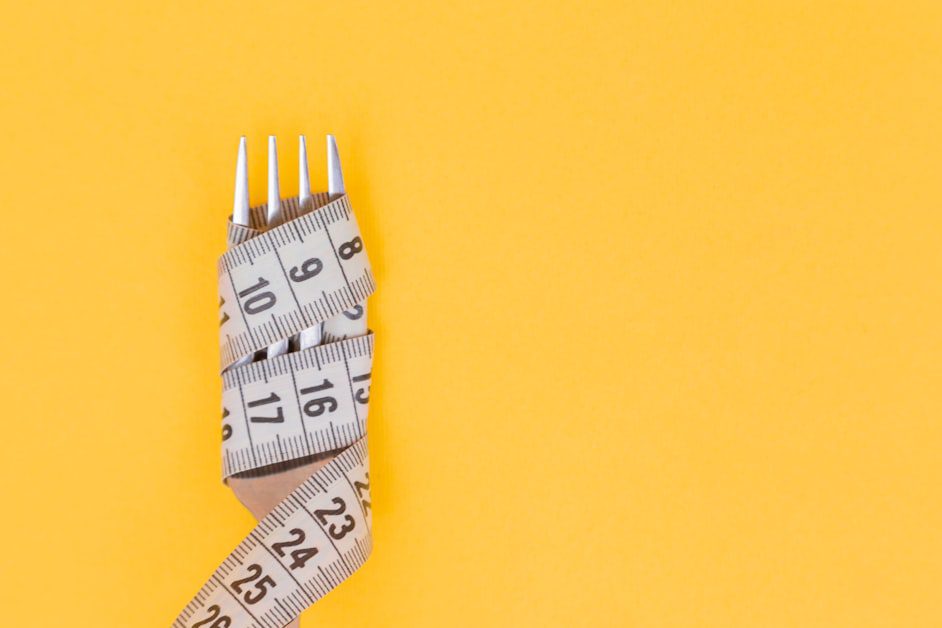
The foundational principle of weight loss is simple: eat fewer calories than you burn, and your body will use stored fat for energy. This is supported by decades of research and remains the most reliable driver of fat loss. However, the human body is not a calculator.
Multiple systems regulate body weight simultaneously: hormones, metabolism, hydration levels, and sleep quality all interact with your energy balance. When the scale does not move despite a deficit, it rarely means the deficit is not working. More often, something else is interfering with the number you see on the scale or with the true size of the deficit itself.
According to the National Institute of Diabetes and Digestive and Kidney Diseases, a sustainable deficit of 500 calories per day typically produces about one pound of fat loss per week. If that is not happening, something in the equation is off.
You Are Likely Miscalculating Your Calories

Research consistently shows that people underestimate their calorie intake by 20 to 40 percent. A study published in the American Journal of Clinical Nutrition found that even trained dietitians underreported their food intake. This is not a personal failing. It is a measurement problem.
Common sources of hidden or uncounted calories include:
- Cooking oils and fats – a single tablespoon of olive oil adds 120 calories that most people never log
- Sauces, dressings, and condiments – a restaurant-style dressing can add 200 to 400 calories to an otherwise light salad
- Liquid calories – juice, specialty coffee drinks, and alcohol are rarely tracked accurately
- Tasting while cooking – small bites and tastes can add 100 to 300 calories in many home cooks
- Calorie-dense healthy foods eaten in excess – nuts, avocado, nut butters, and whole grains are nutritious but very energy-dense
The fix is straightforward: use a food scale for at least two weeks. Measuring cups are imprecise for solid foods. Weighing your food in grams provides a much more accurate picture of what you are actually eating. Many people who do this for the first time discover they have been consuming 300 to 600 more calories per day than they estimated.
Your Metabolism Has Slowed Down
When you reduce calorie intake, your body responds by reducing the number of calories it burns. This is called metabolic adaptation, and it is a survival mechanism. The body interprets a sustained calorie deficit as a potential food shortage and adjusts accordingly.
This adaptation includes several components:
- Reduction in resting metabolic rate by 10 to 15 percent after several weeks of dieting
- Reduced non-exercise activity thermogenesis (NEAT) – you unconsciously move less throughout the day
- Lower thermic effect of food as total calorie intake drops
This is why a 500-calorie deficit that worked in week one may produce no results by week eight. Your calorie burn has decreased to match your intake. A structured diet break, eating at maintenance calories for one to two weeks, can partially reset metabolic adaptation and allow weight loss to resume. Research from the MATADOR study found that participants who alternated between deficit and maintenance phases lost significantly more weight than those who dieted continuously without breaks.
If you have been in a deficit for more than eight weeks without a break, consider taking one to two weeks at maintenance before continuing. This is not giving up. It is a strategic tool that the research supports.
Water Retention Is Hiding Your Fat Loss

Your body weight can fluctuate by two to five pounds on any given day due to water retention alone. This fluctuation has nothing to do with fat gain or loss. It is driven by sodium intake, carbohydrate levels, hormonal cycles, new exercise routines, and stress.
High-sodium meals cause the body to retain extra water for up to 48 hours. Each gram of stored glycogen binds approximately three grams of water. Women typically retain two to five pounds of water in the week before their period. Beginning or intensifying exercise causes muscle inflammation and water retention that can last two to four weeks as the muscles adapt.
You may be losing fat consistently while the scale stays flat or even rises because water retention is masking the loss. This is why weekly averages are far more informative than daily weigh-ins. Track your weight every morning under consistent conditions and compare weekly averages instead of day-to-day numbers. Women in particular should compare the same phase of multiple menstrual cycles rather than looking at week-to-week data.
You Are Not Eating Enough Protein
Protein is the single most important macronutrient for fat loss, and most people on a calorie deficit do not eat nearly enough of it. Research from multiple clinical trials shows that higher protein intake during a calorie deficit produces better fat loss outcomes for two main reasons.
First, protein has a much higher thermic effect than carbohydrates or fat. Your body burns 25 to 30 percent of protein calories just to digest and process them. This means a 200-calorie serving of chicken breast effectively costs your body 50 to 60 calories to process, a meaningful metabolic advantage over the same calories from bread or oil.
Second, adequate protein preserves lean muscle mass during a deficit. When you lose weight without enough protein, a significant portion of that weight comes from muscle tissue rather than fat. This reduces your resting metabolic rate further and makes it harder to continue losing weight over time. According to Mayo Clinic nutrition guidance, protein also increases satiety significantly, reducing hunger between meals and making the calorie deficit easier to maintain.
Target 0.7 to 1 gram of protein per pound of body weight per day while in a calorie deficit. For a 160-pound person, that means 112 to 160 grams of protein daily. Most people eating a standard Western diet get 60 to 80 grams, roughly half of what is needed for optimal fat loss and muscle preservation.
If you are struggling to hit protein targets, a high-protein breakfast is one of the most effective starting points. For specific meal ideas, see our guide on high protein breakfast for weight loss women over 40, which covers practical strategies for getting 30 to 40 grams of protein before noon.
Poor Sleep Is Stalling Your Progress
Sleep deprivation has a direct and measurable impact on weight loss outcomes. Studies show that sleeping fewer than seven hours per night while in a calorie deficit causes the body to preferentially burn muscle instead of fat. In a landmark study from the University of Chicago, participants on identical calorie deficits who slept 5.5 hours per night lost 55 percent less fat and 60 percent more muscle than those who slept 8.5 hours, despite eating exactly the same number of calories.
The mechanisms behind sleep-related weight stall include a sharp rise in ghrelin, the hunger hormone, which increases appetite by 24 to 45 percent with sleep deprivation. At the same time, leptin, the satiety hormone, drops significantly, meaning you feel less full after eating the same amount of food. Insulin resistance also increases with poor sleep, promoting fat storage. And cortisol rises, which signals the body to hold onto fat, particularly around the abdomen.
Seven to nine hours of quality sleep per night is not optional for effective fat loss. Consistent sleep and wake times, reduced screen exposure in the evening, and a cool, dark bedroom environment produce measurable improvements in both sleep quality and weight loss outcomes. Treating sleep as part of your fat loss plan, rather than a separate lifestyle factor, is a shift that pays off quickly.
Stress and Cortisol Are Working Against You
Chronic stress elevates cortisol levels, and chronically high cortisol is one of the most effective brakes on fat loss. Cortisol tells your liver to release glucose into the bloodstream, raises insulin levels, and signals your body to store fat, particularly visceral fat around the abdomen.
This creates a biochemical environment where eating at a calorie deficit does not produce the fat loss it should. You are simultaneously running an energy deficit and running a hormonal environment that favors fat storage. For people managing significant life stress, this paradox can persist for weeks or months.
Research published in Psychoneuroendocrinology found that higher perceived stress scores were independently associated with higher body weight and slower weight loss rates, even after controlling for calorie intake and physical activity. Stress eating was only part of the mechanism. The hormonal environment played a separate, measurable role in slowing fat loss.
Practical cortisol management strategies supported by evidence include 15 to 30 minutes of low-intensity movement daily such as walking, yoga, or light stretching, consistent sleep schedules, time-limited news and social media consumption, and magnesium supplementation at 300 to 400 milligrams daily, which has been shown to reduce cortisol and improve sleep quality in several studies.
For women navigating weight loss alongside hormonal shifts, the guides on how to lose weight after menopause naturally and how to lose weight after 40 for women without starving address the cortisol-weight connection in detail specific to those life stages.
How to Actually Fix a Stalled Calorie Deficit
If you have identified one or more of the factors above as contributors to your plateau, here is a practical action plan to restart progress:
- Audit your tracking for one week using a food scale, logging every bite including cooking oils and drinks, and comparing your actual intake to your assumed intake
- Recalculate your total daily energy expenditure because calorie burn changes as you lose weight. A 180-pound person burns more than a 160-pound person. Recalculate every 10 pounds.
- Take a diet break if you have been in deficit for 8 or more weeks by eating at maintenance for 10 to 14 days before resuming your deficit
- Increase protein to 0.8 to 1 gram per pound of body weight by replacing some carbohydrate or fat calories with protein sources
- Prioritize sleep and treat seven to nine hours as a non-negotiable component of your weight loss plan, not a bonus
- Track weekly averages, not daily weight using an app that shows a trend line so normal daily fluctuations do not derail your confidence
- Add 20 to 30 minutes of daily walking as low-intensity activity increases calorie burn without triggering the compensatory hunger that higher-intensity exercise often causes
If you have implemented all of the above consistently for four or more weeks without progress, consult a physician to rule out thyroid dysfunction, polycystic ovarian syndrome, or insulin resistance. These conditions can meaningfully impair fat loss and are treatable once diagnosed.
For additional strategies on boosting dietary fiber to improve satiety on a calorie deficit, read our guide on fibermaxxing for weight loss, which covers how fiber intake affects hunger hormones and gut health during a calorie deficit.
Frequently Asked Questions
How long should I wait before concluding my calorie deficit is not working?
Give any dietary change at least four to six weeks before drawing conclusions. Weight loss is not linear. You may lose nothing for two weeks and then drop two pounds in a single week as water weight releases. Track weekly averages over a full month before making adjustments. Shorter time windows produce misleading data because of normal body weight fluctuations that have nothing to do with fat.
Is it possible to be in a calorie deficit and gain weight on the scale?
Yes, and it happens regularly. You can gain scale weight while in a true calorie deficit, but you cannot gain fat while eating fewer calories than you burn. The weight gain is almost always water retention caused by inflammation from new exercise, hormonal fluctuations, high sodium intake, or glycogen replenishment after a higher-carbohydrate day. If the scale is rising while you are in a verified deficit, examine your sodium intake and hydration levels first, then consider whether a new workout routine may be causing temporary water retention in adapting muscles.
Should I eat more calories if I am not losing weight on a calorie deficit?
In some cases, yes. If you have been eating at a significant deficit for many weeks, metabolic adaptation may have reduced your calorie burn to match your intake, eliminating the deficit entirely. A planned period at maintenance calories, sometimes called a diet break or reverse diet, can help reset your metabolic rate. This involves eating at maintenance for two to four weeks before resuming a moderate deficit. Research supports this approach as producing better long-term fat loss than continuous restriction without breaks.
Can stress really stop weight loss even when I am eating at a calorie deficit?
Yes. Chronic cortisol elevation creates a hormonal environment that resists fat loss independent of calorie balance. High cortisol promotes muscle breakdown over fat loss, increases hunger hormones, drives abdominal fat storage, and causes water retention. The effect is not large enough to completely override a well-maintained deficit, but it can slow fat loss significantly and shift body composition outcomes in an unfavorable direction. Managing stress and sleep is as important to weight loss outcomes as the calorie count itself.
Conclusion
Not losing weight on a calorie deficit is a frustrating but solvable problem. The most common causes are inaccurate calorie tracking, metabolic adaptation from prolonged restriction, water retention masking real fat loss, insufficient protein intake, poor sleep, and chronic stress. Most people have at least two or three of these factors operating simultaneously, which is why progress stalls even with genuine effort.
The path forward starts with accurate measurement. Weigh your food for at least one week, recalculate your maintenance calories based on your current weight, and examine your sleep and stress levels honestly. In most cases, addressing these factors together will restart meaningful progress within two to three weeks.
For more targeted support, explore how high protein legume recipes for weight loss can help you hit protein targets while keeping calories low, and review the fibermaxxing guide for strategies on managing hunger throughout the day.
Medical disclaimer: This article is for informational purposes only and does not constitute medical advice. If you have concerns about your weight, metabolism, or overall health, please consult a qualified healthcare provider. Conditions such as hypothyroidism, polycystic ovarian syndrome, and insulin resistance require medical diagnosis and individualized treatment.