
 Lifestyle
 Food & Nutrition
 Fitness
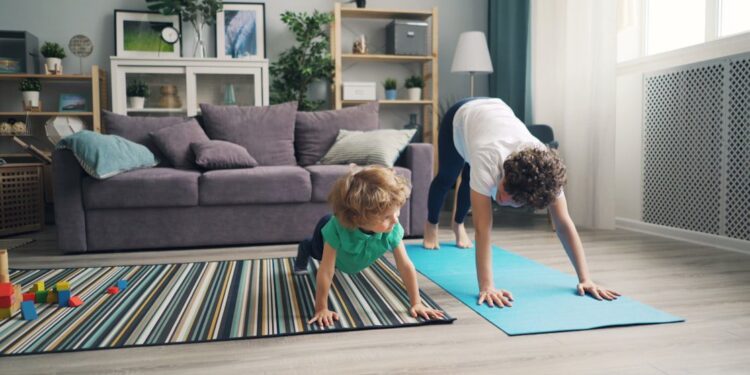
If you’ve been searching for micro workouts for busy parents home that actually produce results, the science is firmly on your side. Between school drop-offs, work deadlines, and the endless cycle of meals and bedtime routines, carving out 30 uninterrupted minutes to exercise sounds almost laughable. Yet the solution isn’t to give up on fitness — it’s to completely rethink what “enough” exercise really means.
According to the World Health Organization, accumulating 75 minutes of vigorous activity per week through short bursts cuts all-cause mortality risk by 20%. You don’t need one long session to get there. Micro workouts for busy parents home settings are built exactly on this principle: three 10-minute sessions scattered through your day add up to real, lasting health benefits — the kind that show up in bloodwork, body composition, and energy levels.
This guide walks you through the science, the best routines, and the practical strategies that fit real parenting life — not the Instagram version of it.
- 1 Micro Workouts for Busy Parents Home: Why They Work
- 2 What the Science Actually Says About 10-Minute Sessions
- 3 Best Micro Workouts for Busy Parents Home Routines
- 4 When to Schedule Micro Workouts for Busy Parents Home
- 5 Common Mistakes That Slow Your Progress
- 6 Building the Habit: A 4-Week Ramp-Up Plan
- 7 Frequently Asked Questions
- 7.1 What are the best 10-minute workouts for busy moms at home?
- 7.2 Can micro workouts really replace a full gym session for parents?
- 7.3 How do I fit exercise into my day with toddlers running around?
- 7.4 Are 10-minute home workouts enough to lose weight as a parent?
- 7.5 What equipment do I need for micro workouts with kids at home?
- 8 Conclusion
Micro Workouts for Busy Parents Home: Why They Work
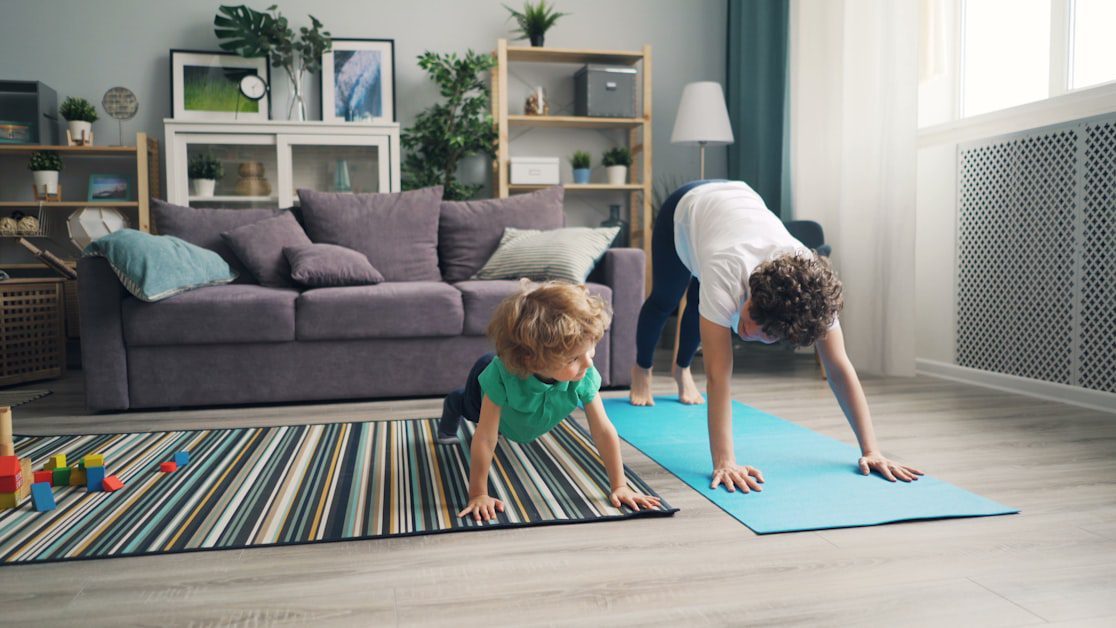
Let’s be honest about the numbers first. Only 23% of parents with children under 18 engage in regular physical activity, compared to 36% of childless adults, according to a 2023 NIH-funded study on family health disparities. A separate CDC survey found that 27% of parents cite lack of time as their top exercise barrier — a figure that jumps to 41% among single parents.
This isn’t laziness. It’s math. A toddler’s nap lasts 45 minutes. You spend 20 of those making lunch, 10 catching up on emails, and suddenly the window is closed. Traditional fitness advice was built for people with predictable schedules, gym access, and childcare. Most parents have none of those things consistently.
The real problem is that we’ve been measuring fitness with the wrong ruler. The idea that exercise only “counts” if it lasts 30-60 continuous minutes is outdated — and the science has moved on even if the messaging hasn’t. Micro workouts for busy parents home use solve this by working with your schedule, not against it.
If you’ve been feeling guilty for not maintaining a full gym routine, let that go. The evidence is clear: shorter, more frequent sessions can produce the same benefits. You just need a different plan.
What the Science Actually Says About 10-Minute Sessions
The shift in exercise research over the past five years has been significant. A Mayo Clinic analysis found that breaking exercise into 10-minute bouts accumulates 75% of the cardiovascular benefits of a continuous 30-minute session. For someone who can’t string together half an hour, that’s not a consolation prize — it’s a genuinely effective alternative and the foundation of micro workouts for busy parents home programs.
A 2023 randomized controlled trial published in PubMed (n=120) found that three 10-minute high-intensity sessions per week reduced HbA1c by 0.6% in prediabetic adults — results equivalent to much longer moderate-intensity sessions. A 2024 NIH-funded trial showed that three daily 5-minute strength sessions (think push-ups and planks) boosted lean muscle mass by 8% and improved sleep quality by 15% over the study period.
Perhaps most striking: a 2026 Lancet study of 500 caregivers confirmed that short-burst training cut cardiovascular risk by 25% compared to controls. One reason is the EPOC effect — Excess Post-exercise Oxygen Consumption — which keeps your metabolism elevated for up to 14 hours after a 10-minute high-intensity session. Your body keeps burning fat long after you’ve moved on to school pickup.
A 2025 study in the Journal of Applied Physiology specifically looked at parents doing 10-minute micro-HIIT sessions four times per week. Participants saw insulin sensitivity improve by 18% and reported a 22% reduction in perceived parental stress, tied to measurable drops in cortisol. Exercise doesn’t just reshape your body — it reshapes how you handle the chaos.
Best Micro Workouts for Busy Parents Home Routines
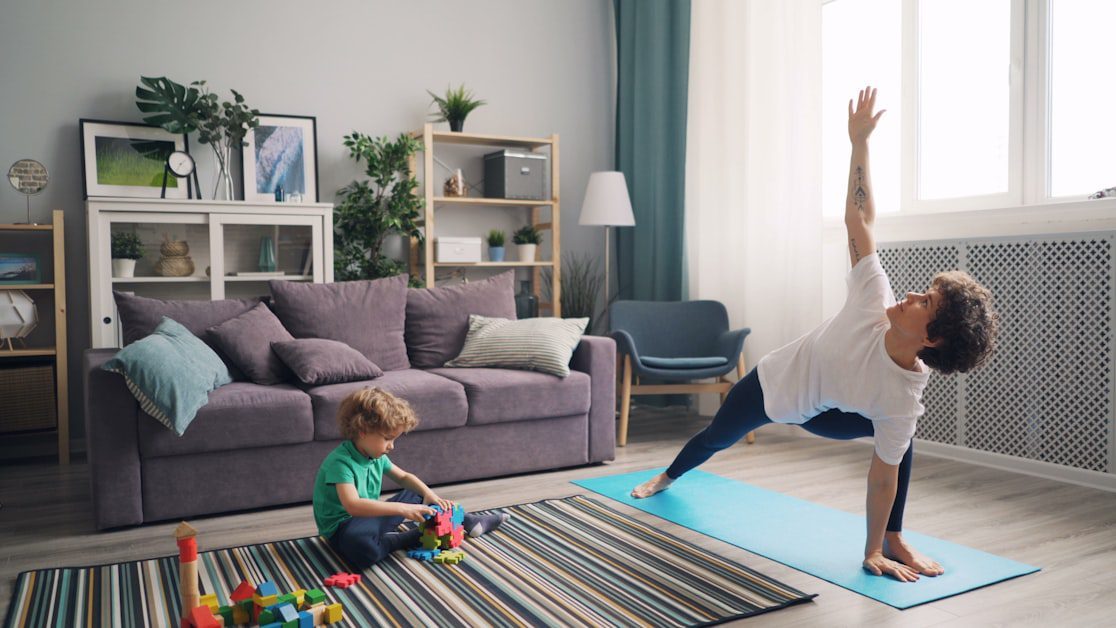
These micro workouts for busy parents home require zero equipment. Each can be done in a living room, kitchen, or bedroom. They’re designed to be effective, not elaborate.
Routine 1: The Nap-Time HIIT (Cardio Focus)
30 seconds jumping jacks, 10 seconds rest. 30 seconds high knees, 10 seconds rest. 30 seconds burpees, 10 seconds rest. Repeat this circuit 4 times. This format mirrors the 30s work / 30s rest micro-HIIT protocol validated in the Journal of Applied Physiology study above.
Routine 2: The Morning Strength Reset
10 squats, 10 push-ups, 10 glute bridges, 20-second plank. Rest 30 seconds. Repeat 3-4 rounds. Takes under 10 minutes and builds the lean mass gains documented in the NIH 2024 trial.
Routine 3: The Lunchtime Power Surge
Jump rope for 1 minute (or do jump rope imitation), rest 20 seconds. Repeat 6-8 times. NIH exercise physiology research notes that 10-minute jump rope sessions deliver a calorie burn equivalent to 30 minutes of jogging, due to the high EPOC effect.
Routine 4: The Bedtime Wind-Down Strength Circuit
Wall sit 30 seconds, 10 push-ups, 10 reverse lunges each leg, 30-second plank. Rest 45 seconds. Do 3 rounds. Lower intensity, but effective for muscle maintenance and sleep quality improvement.
Routine 5: The Blood Pressure Buster
1 minute of maximal effort (sprint in place, burpees, or jumping jacks). Rest 2 minutes. Repeat 3 times. A 2023 JAMA meta-analysis of 35 trials found this format — 1-minute maximal efforts, 3 times per session — lowers systolic blood pressure by 10 mmHg. That’s a clinically meaningful result from 9 minutes of work.
Want to build on these with a more structured beginner approach? Our Full-Body Circuit Starters guide covers progressive programming once you’ve built the habit.
When to Schedule Micro Workouts for Busy Parents Home
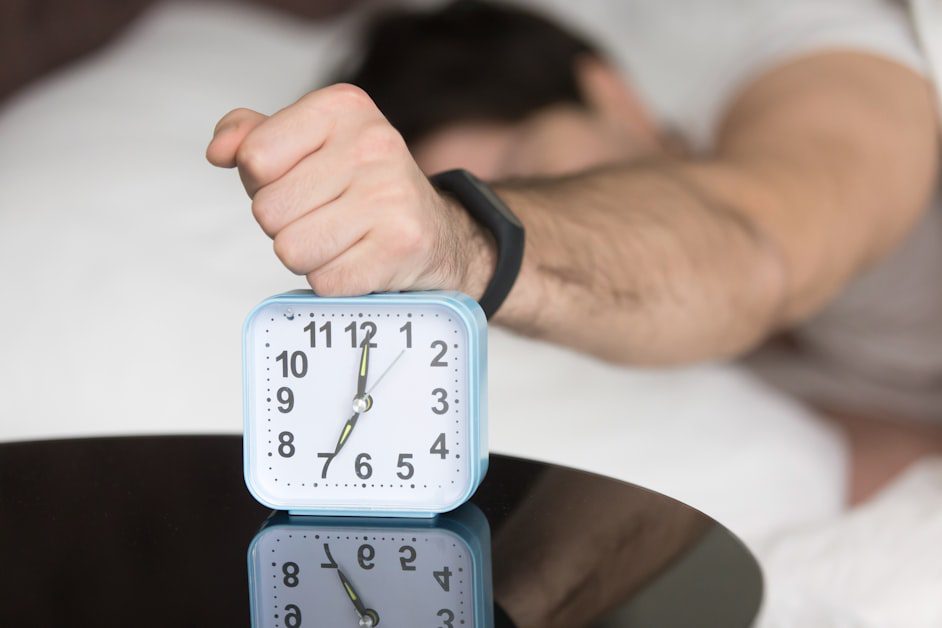
The American College of Sports Medicine recommends spacing micro-sessions at least four hours apart to maximize the EPOC effect without accumulating fatigue. Three sessions spread across morning, midday, and evening hits this target perfectly for micro workouts for busy parents home settings.
Here’s what a realistic parent schedule might look like:
6:30 AM: 10 minutes before the kids wake up. Squats, push-ups, plank. Done before breakfast demands begin.
12:00 PM: During a work lunch break or while the youngest naps. Jump rope or HIIT circuit.
7:30 PM: After kids are in bed. Strength circuit or gentle mobility work to wind down.
You don’t need all three every day. Even two sessions most days adds up to 140 minutes per week — well above the WHO’s 75-minute vigorous activity target. Consistency matters more than perfection.
A good strategy is to anchor micro workouts for busy parents home to existing habits. Squats while the coffee brews. Calf raises while supervising bath time. A 10-minute session immediately after school drop-off before sitting down at your desk. Habit stacking removes the mental friction of deciding when to start.
For a broader look at building morning habits that support energy and focus all day, see our guide on 7 Healthy Ways to Start Your Day.
Common Mistakes That Slow Your Progress
Even with the best micro workouts for busy parents home routines, a few habits can undermine results.
Running sessions back-to-back. Doing two or three sessions in a row might seem efficient, but it defeats the purpose. Space them at least four hours apart. The EPOC benefit comes from repeated metabolic spikes throughout the day, not one extended block.
Neglecting form under time pressure. Moving fast is the point of HIIT, but not at the expense of mechanics. Knee valgus (knees caving inward) during squats and jumps accounts for a significant portion of beginner injuries. Slow down during your first week to build the movement patterns before adding intensity.
Only doing cardio. Cardio-only sessions miss the metabolic and hormonal benefits of resistance training. The 2024 NIH trial that documented 8% lean mass gains used bodyweight strength moves, not cardio. Mix both types through your week.
Skipping rest days entirely. These sessions are low-volume, but your muscles still need recovery. Aim for one full rest day per week, especially in the first month.
Measuring success only on the scale. Weight is the slowest-moving indicator of fitness progress. Track energy levels, sleep quality, and mood instead. The 2025 Mayo Clinic cohort that did 10-minute jump rope sessions saw a 12% improvement in executive function — the kind of mental clarity that makes you a better parent, worker, and human being.
Exercise’s effect on stress hormones is also worth noting. If parental stress feels overwhelming, addressing cortisol through movement is one of the most evidence-backed approaches available. Read more in our guide to naturally reducing cortisol levels.
Building the Habit: A 4-Week Ramp-Up Plan
Starting too aggressively is the fastest path to burnout. Here’s a sustainable progression for micro workouts for busy parents home that builds habit before intensity:
Week 1-2: One 10-minute session per day, 4 days per week. Focus on bodyweight basics — squats, push-ups, glute bridges. Learn the movements before adding intensity.
Week 3-4: Two 10-minute sessions per day, 4-5 days per week. Add HIIT intervals to one of the daily sessions. Track how you feel, not what the scale says.
Month 2: Three sessions per day on your best days, two on harder ones. By this point, the habit is largely automatic and you’re meeting or exceeding WHO physical activity guidelines purely through 10-minute blocks.
The CDC’s physical activity guidelines for adults confirm that any combination of moderate and vigorous activity counts toward weekly targets. Ten-minute sessions absolutely qualify.
If you want to eventually bring outdoor exercise into the mix, our piece on reverse running and its surprising health benefits is worth exploring once you’ve built a solid home base.
Frequently Asked Questions
What are the best 10-minute workouts for busy moms at home?
The most effective micro workouts for busy parents home combine both cardio and strength elements. A circuit of squats, push-ups, jumping jacks, and a plank hold covers the major muscle groups while elevating your heart rate. If you have slightly more space, burpees and high knees add intensity without equipment. The key is working at 70-85% of your maximum effort — challenging but not all-out. Three to four rounds of a four-exercise circuit typically fills 10 minutes perfectly. Mayo Clinic research shows this kind of variety produces 75% of the cardiovascular benefits of a 30-minute session, making it an efficient use of limited time. Rotate between two or three different circuits across the week to avoid adaptation and keep motivation high.
Can micro workouts really replace a full gym session for parents?
For most parents who aren’t training for a specific athletic goal, yes — micro workouts for busy parents home can replace traditional gym sessions with minimal trade-off. The 2024 NIH-funded trial showed three daily 5-minute strength sessions produced the same lean mass gains as longer gym workouts in a time-constrained population. The 2026 Lancet study found 25% cardiovascular risk reduction from short-burst training protocols. What these sessions can’t fully replicate is heavy progressive resistance training for maximum strength or hypertrophy — if those are your goals, a gym is still valuable. But for general health, weight management, energy, and longevity, structured home routines are genuinely sufficient and, for parents, dramatically more sustainable than gym-dependent schedules.
How do I fit exercise into my day with toddlers running around?
The simplest approach for micro workouts for busy parents home is to anchor sessions to existing predictable windows: nap time, pre-school-wake-up, and post-bedtime. Each of these can realistically give you 10-15 uninterrupted minutes. Another option is involving your toddler — they can “exercise” alongside you during squats and jumping jacks, turning it into play. Some parents find that doing workouts during a scheduled 15-minute screen time session removes guilt from both activities. If your child is mobile and curious, prioritize floor-based exercises like push-ups, bridges, and planks that keep you at their level. The goal isn’t the perfect environment; it’s consistency over weeks and months.
Are 10-minute home workouts enough to lose weight as a parent?
Yes, with some important context. A 2025 Journal of Applied Physiology RCT found that micro workouts for busy parents home improved insulin sensitivity by 18% — a key driver of fat loss. The EPOC effect from a 10-minute high-intensity session keeps your metabolism elevated for up to 14 hours afterward, contributing meaningfully to daily calorie burn. That said, exercise alone rarely drives significant weight loss without dietary attention. For parents specifically, stress-driven cortisol elevation can counteract fat-loss efforts, which is why combining these sessions with stress management and adequate sleep tends to produce better results. Three 10-minute sessions daily, combined with a balanced diet, creates a sustainable calorie deficit for gradual, lasting weight loss.
What equipment do I need for micro workouts with kids at home?
None, initially. The best micro workouts for busy parents home require only your bodyweight and a small floor space. If you want to progress, a resistance band (under $15) and a jump rope (under $10) dramatically expand your options without taking up storage space. Adjustable dumbbells are the next-level addition if strength training becomes a priority, though they’re far from necessary in the first two to three months. A yoga mat protects your knees and wrists during floor exercises and doubles as a comfortable play surface. Beyond these basics, spending money on home gym equipment before you’ve established a consistent habit is a common mistake — build the routine first, then add tools if and when you genuinely need them.
Conclusion
Micro workouts for busy parents home aren’t a fitness shortcut — they’re a smarter framework built around real life. The research is consistent: 10-minute sessions done regularly outperform sporadic hour-long workouts every time. They lower cardiovascular risk, improve insulin sensitivity, reduce stress hormones, build lean muscle, and sharpen mental focus — all without a gym, a babysitter, or a perfectly clear schedule.
Start with one session per day. Master the form. Add a second session in week three. By the end of a month, you’ll have a sustainable habit that fits your life as it actually is, not as you wish it could be. That consistency, repeated over weeks and months, is what produces results that last.
You don’t need more time. You need a better plan.
Medical Disclaimer: This content is for informational purposes only and does not constitute medical advice. Consult a qualified healthcare provider before making any health decisions.