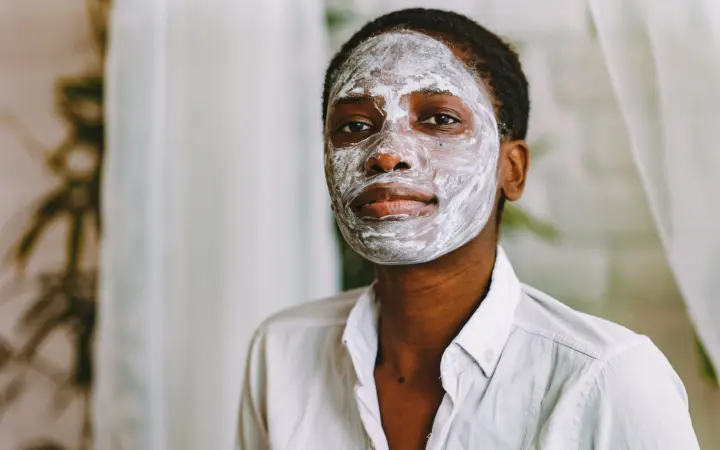


The worst foods for skin acne and premature aging are not just “junk food” in the general sense. They are specific dietary inputs that trigger documented biological cascades: glycation that permanently cross-links your collagen, arachidonic acid signaling that fires up sebaceous glands, and IGF-1 pathways that tell your skin cells to overproduce oil. Understanding exactly how these foods damage your skin at the cellular level changes how you eat, because vague advice like “cut out sugar” is far less motivating than knowing that high-fructose corn syrup glycates collagen ten times faster than table sugar.
This article breaks down the ten worst foods for your skin, the precise mechanism behind each one, and what to swap in instead. If you have been struggling with persistent breakouts, dull skin, or fine lines that seem to appear faster than expected, your daily diet is almost certainly a contributing factor, and the fix is more targeted than you might think.
How Food Damages Skin at the Cellular Level
Before listing the worst foods for skin, it helps to understand the three main pathways through which diet destroys skin quality. Most dermatology content skips the mechanism entirely. That is a mistake, because once you understand the biology, the food list stops feeling like arbitrary restriction and starts making obvious sense.
Glycation and Advanced Glycation End Products
When sugar molecules attach to proteins in a non-enzymatic reaction, they form compounds called advanced glycation end products, or AGEs. This process is sometimes called the Maillard reaction in the body: the same chemical process that browns bread crust and caramelizes onions also happens inside your skin when blood sugar runs chronically high.
The target in skin is collagen. Collagen fibers give skin its springiness and structural integrity. When AGEs form on collagen strands, they cross-link those fibers together, making them rigid and brittle instead of flexible. The result is a visible change: skin that loses elasticity, develops a yellowish tone, and wrinkles faster than it should. This damage is largely irreversible. Once collagen is glycated and cross-linked, it cannot simply be un-glycated. Prevention matters far more than any topical treatment applied afterward.
High-fructose corn syrup is particularly destructive here. Fructose glycates proteins approximately ten times faster than glucose because of its molecular structure. It reacts at the 1-position carbon rather than the 6-position, making it far more reactive with amino acids. This is why sugary drinks sweetened with HFCS cause disproportionate skin aging relative to their calorie content alone.
The Inflammatory Cascade: Arachidonic Acid and PGE2
The second major pathway is inflammation. When you eat foods rich in omega-6 fatty acids, particularly linoleic acid from refined seed oils, your body converts that linoleic acid into arachidonic acid. Arachidonic acid is the direct precursor to prostaglandin E2 (PGE2), one of the most potent pro-inflammatory signaling molecules in human biology.
PGE2 does two things to skin that directly cause acne. First, it triggers sebaceous gland overactivity, increasing sebum production. Second, it recruits neutrophils to hair follicles, creating the inflammatory environment that turns a clogged pore into a painful cystic nodule. This is why people who shift to Mediterranean-style diets low in seed oils frequently report significant acne improvement even without changing their skincare routines.
Barrier Disruption and Transepidermal Water Loss
The third pathway involves the skin barrier itself. Your skin’s outer layer is a lipid matrix made partly from the fats you eat. When trans fats from partially hydrogenated oils incorporate into cell membrane phospholipids, they make those membranes rigid and poorly permeable. A healthy skin barrier holds moisture in. A rigid, trans-fat-compromised barrier loses water continuously through a process called transepidermal water loss (TEWL). The result is skin that looks dull and dehydrated even when you drink plenty of water, because the problem is structural, not hydration volume.
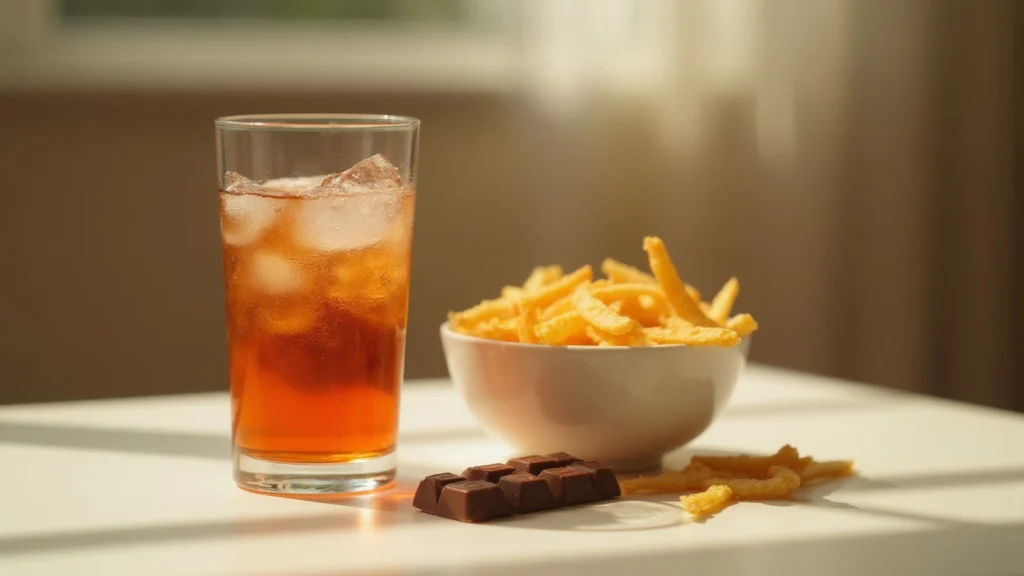
10 Worst Foods for Skin Acne and Premature Aging
1. White Bread and Refined Carbohydrates
White bread, white rice, crackers, and most processed grain products have a high glycemic index, meaning they spike blood glucose rapidly after eating. That blood glucose spike drives AGE formation on collagen and elastin fibers throughout the dermis. The glycation process stiffens the structural proteins that keep skin firm, and the damage accumulates with each high-GI meal over months and years.
There is also an indirect acne mechanism. High blood glucose triggers an insulin spike. Insulin activates the mTORC1 pathway, which promotes cell proliferation including in sebaceous glands. More sebum plus more dead skin cells plus inflammation is the recipe for clogged pores. Research published in the American Journal of Clinical Nutrition via PubMed found that a low-glycemic-load diet significantly reduced acne lesion counts in young men, confirming the dietary link.
Swap white bread for sourdough, which has a lower glycemic index due to the fermentation process partially breaking down starches, or for whole grain options with intact fiber that slows glucose absorption.
2. Sugary Drinks and High-Fructose Corn Syrup
Sodas, fruit juices, sports drinks, and sweetened teas are among the worst foods for skin because the fructose they contain glycates collagen at a rate roughly ten times faster than glucose. The combination of high glucose from the total sugar content plus disproportionately damaging fructose makes every sugary drink a concentrated collagen-destroying agent.
There is no fiber, no protein, and no fat in these drinks to slow absorption. The glucose and fructose hit the bloodstream immediately, produce a sharp insulin spike, and drive the glycation and mTORC1 cascades simultaneously. A single 355ml can of soda contains roughly 38 grams of sugar, primarily as HFCS. Consumed daily over years, the cumulative glycation damage to skin collagen is significant.
The alternative is not necessarily plain water only. Sparkling water with a squeeze of citrus, unsweetened herbal teas, and plain green tea (which contains EGCG, an antioxidant that actually inhibits AGE formation) are all practical replacements that do not feel like deprivation.
3. Refined Seed Oils
Sunflower oil, corn oil, soybean oil, cottonseed oil, and most generic vegetable oils are extremely high in linoleic acid, an omega-6 fatty acid. In moderation and in balance with omega-3 intake, linoleic acid is not inherently dangerous. The problem is the modern diet delivers it in quantities the human metabolism was never designed to handle.
Linoleic acid converts enzymatically to arachidonic acid. Arachidonic acid is then converted by COX-2 enzymes to PGE2, the prostaglandin that drives sebaceous overactivity and neutrophil-mediated follicular inflammation. This is the direct biochemical pathway from eating seed oils to developing inflammatory acne. Cystic acne in particular, the deep nodular type that leaves scarring, is strongly associated with this cascade because neutrophil recruitment at depth creates the rupture and tissue damage that produces scars.
Most fried restaurant food, processed snacks, and bottled salad dressings use these oils. Switching to olive oil, avocado oil, or coconut oil for home cooking meaningfully reduces the arachidonic acid load without requiring any other dietary change.
4. Dairy Products
The dairy-acne connection is one of the most thoroughly documented in dermatological research, yet it remains controversial in clinical practice. The mechanism is specific: dairy, especially milk, raises circulating levels of insulin-like growth factor 1 (IGF-1). IGF-1 activates mTORC1, the same cell growth pathway stimulated by insulin spikes from refined carbs. mTORC1 in sebaceous glands promotes sebum production and gland proliferation.
What surprises most people is that skim milk is actually worse for acne than whole milk. The reason involves the protein-to-fat ratio. Whole milk contains fat that moderates the glycemic and IGF-1 response. Skim milk delivers concentrated whey proteins and casein, both potent IGF-1 stimulators, without the buffering fat. Studies reviewed by the American Academy of Dermatology have found skim milk consumption correlates with higher acne rates than full-fat dairy.
This does not mean dairy must be eliminated entirely. Fermented dairy like plain Greek yogurt and kefir has a different metabolic profile partly because fermentation partially digests the whey proteins. Hard aged cheeses have low lactose and a different hormonal signaling footprint than liquid milk. If acne is the concern, cutting liquid milk and whey protein powders is the highest-yield change.
5. Processed Meats
Bacon, deli meats, hot dogs, and sausages combine several skin-damaging factors in a single food. The sodium nitrite and nitrate preservatives used in curing generate free radicals that damage skin cell DNA and degrade collagen. The high sodium content drives systemic fluid retention that makes skin appear puffy and less defined. The saturated fat content, while less damaging than trans fats, still competes with anti-inflammatory omega-3s for incorporation into cell membranes.
Processed meats are also cooked at high temperatures, typically via frying or grilling, which generates exogenous AGEs on the surface of the meat. Unlike endogenous AGEs formed from blood sugar, these pre-formed AGEs are partially absorbed in the gut and add to the total glycation burden on skin collagen. Switching to fresh, minimally processed proteins like eggs, chicken breast, or legumes removes all three damage mechanisms simultaneously.
6. Alcohol
Alcohol’s skin damage goes well beyond the temporary flush most people notice. The fundamental mechanism involves vitamin A metabolism. Both alcohol and vitamin A (retinol) are metabolized by the same enzyme family: aldehyde dehydrogenases. When alcohol is present, these enzymes prioritize alcohol metabolism, and vitamin A is left unprocessed in liver stores rather than being converted to its active forms.
Vitamin A is the master regulator of skin cell turnover. It controls the rate at which keratinocytes mature and shed, it regulates sebum production, and it supports collagen synthesis. Chronic alcohol consumption effectively creates functional vitamin A deficiency in the skin even when dietary vitamin A intake is adequate. The skin becomes rough, dull, and slow to repair. Collagen synthesis slows. Pores enlarge as the normal cellular turnover that keeps them clear is impaired.
Alcohol also depletes zinc and B vitamins, both essential cofactors in collagen synthesis and wound healing. The vasodilation effect that causes facial flushing, if repeated regularly, can lead to permanent telangiectasias: visible broken capillaries under the skin, particularly across the nose and cheeks. Even two to three drinks a week have measurable effects on skin hydration and elasticity in research studies.
7. Margarine and Trans Fats
Partially hydrogenated vegetable oils, the source of artificial trans fats, are found in margarine, some commercial baked goods, non-dairy creamers, and shelf-stable snacks. Trans fats are among the worst foods for skin because they do not just cause inflammation systemically: they physically alter the structure of your skin cells.
Cell membranes are made from phospholipids, and the fatty acids in those phospholipids determine membrane fluidity. Healthy cell membranes need to be somewhat fluid to transport nutrients and waste efficiently. When trans fatty acids incorporate into phospholipids, they make membranes rigid because their unusual molecular geometry (a trans double bond rather than the natural cis configuration) does not allow the normal flexible packing of fatty acid tails.
In skin cells, rigid membranes mean a compromised lipid barrier that cannot retain moisture. Transepidermal water loss increases, meaning the skin continuously loses water through the surface regardless of how much you drink. The result is chronically dehydrated, dull-looking skin with impaired barrier function. Many Western countries have largely eliminated artificial trans fats from food supplies, but it is still worth reading labels for “partially hydrogenated oil” in any processed food.
8. Fried Foods
Fried foods cause skin damage through two simultaneous mechanisms. First, the frying process itself creates large quantities of exogenous AGEs on the surface of the food. When proteins and carbohydrates are cooked in hot oil (typically at 160 to 180 degrees Celsius), the Maillard reaction runs at high speed, producing AGE compounds that are partially absorbed through the gut and add to the skin’s collagen glycation burden.
Second, high-heat cooking oxidizes the fats in cooking oil, producing oxidized cholesterol and lipid peroxides. These oxidized lipids are absorbed through the gut and contribute to systemic oxidative stress. The skin’s antioxidant defense systems must respond to this load, diverting resources away from normal repair processes. Over time, the net effect is accelerated visible aging, particularly around the eyes and mouth where the skin is thinnest and most vulnerable to oxidative damage.
Air-frying is a partial improvement: it eliminates much of the added oil but the high-temperature Maillard reaction on the food surface still produces some AGEs. Steaming, poaching, and slow cooking at lower temperatures produce far fewer AGEs and preserve more of food’s nutritional content for skin repair.
9. Energy Drinks and Excess Caffeine
Energy drinks combine caffeine with sugar, artificial additives, and sometimes herbal stimulants that collectively stress multiple skin systems at once. High caffeine intake stimulates the HPA axis and raises cortisol, the primary stress hormone. Elevated cortisol breaks down collagen through direct enzymatic activity, increases sebum production, and impairs the immune cells in the skin that normally prevent bacterial overgrowth in pores.
The link between cortisol and skin is well established. If you want to understand how stress hormones compound skin damage from poor diet, the stress-skin axis research indexed on PubMed demonstrates that cortisol elevation alone, independent of diet, degrades collagen at measurable rates. You can also read more about how elevated cortisol affects the whole body in our article on signs of high cortisol in women.
Caffeine is also a diuretic. It increases urine output, which contributes to mild dehydration that makes skin appear less plump and luminous. Vasoconstriction from caffeine temporarily reduces blood flow to peripheral skin, which limits the delivery of oxygen and nutrients to skin cells. Occasional coffee or tea in moderate amounts is unlikely to be a significant skin concern. Daily multiple energy drinks are a different matter entirely.
10. Ultra-Processed Snacks
Ultra-processed snacks, including chips, crackers, cookies, and packaged pastries, are the worst foods for skin in a category-defeating way: they combine nearly every skin-damaging mechanism in a single product. A typical chip contains refined carbohydrates (glycation), seed oils (arachidonic acid cascade), trans fats or oxidized fats (barrier disruption), high sodium (inflammation and fluid retention), and artificial additives that some research links to gut microbiome disruption.
The gut-skin axis is increasingly recognized in dermatology. A disrupted gut microbiome produces pro-inflammatory metabolites that circulate systemically and reach the skin. An inflamed gut lining allows bacterial endotoxins (lipopolysaccharides) to enter the bloodstream, triggering systemic low-grade inflammation that shows up as flushing, acne, and accelerated aging. If you want to support the gut-skin axis from the inside, our guide on the best probiotics for gut health covers the strains with the strongest evidence for skin outcomes.
Ultra-processed snacks are also engineered to override satiety signals, making overconsumption effortless. The combination of insulin spikes, inflammatory fat load, and gut disruption with every serving makes them uniquely efficient at damaging skin from multiple angles simultaneously.
What to Eat Instead: Skin-First Swaps
Knowing the worst foods for skin is only useful if you replace them with something. The good news is that the skin-supportive dietary pattern largely overlaps with well-documented anti-inflammatory eating, so the changes work systemically, not just for skin.
The core principle is to reduce AGE formation by lowering the glycemic load of meals, reduce arachidonic acid production by shifting fat sources away from seed oils toward olive oil and fatty fish, and support the skin barrier with adequate omega-3s from salmon, sardines, and walnuts. For a full breakdown of foods that actively promote clear skin and fight aging from within, see our detailed guide to the best skin diet for clear, glowing skin.
Some high-priority swaps by food category:
- Refined carbs: Replace white bread and white rice with sourdough, oats, or legumes. Lower glycemic index means slower glucose release and far less AGE formation per meal.
- Sugary drinks: Replace with green tea, sparkling water, or water infused with cucumber and mint. Green tea’s EGCG polyphenols actively inhibit glycation enzymes.
- Seed oils: Replace sunflower and vegetable oil with extra-virgin olive oil for dressings and low-heat cooking, or avocado oil for higher-heat applications.
- Dairy: If acne is a concern, trial elimination of liquid milk and whey protein for 60 days. Plain Greek yogurt and fermented dairy are generally better tolerated.
- Processed snacks: Replace with whole food options: a handful of walnuts, apple slices with almond butter, or carrot sticks with hummus. These provide fiber, omega-3s, and antioxidants without any of the skin-damaging mechanisms.
Diet is also not the only internal factor. Hormonal fluctuations, including estrogen dominance and progesterone imbalances, directly affect sebum production and skin cell turnover. If your skin breaks out cyclically, it is worth reading about symptoms of estrogen dominance in women and how the hormonal layer interacts with dietary triggers. Starting your day with anti-inflammatory foods is also a practical using point: our anti-inflammatory breakfast ideas for women offers concrete meal options that reduce baseline inflammatory tone before the rest of the day’s inputs stack up.
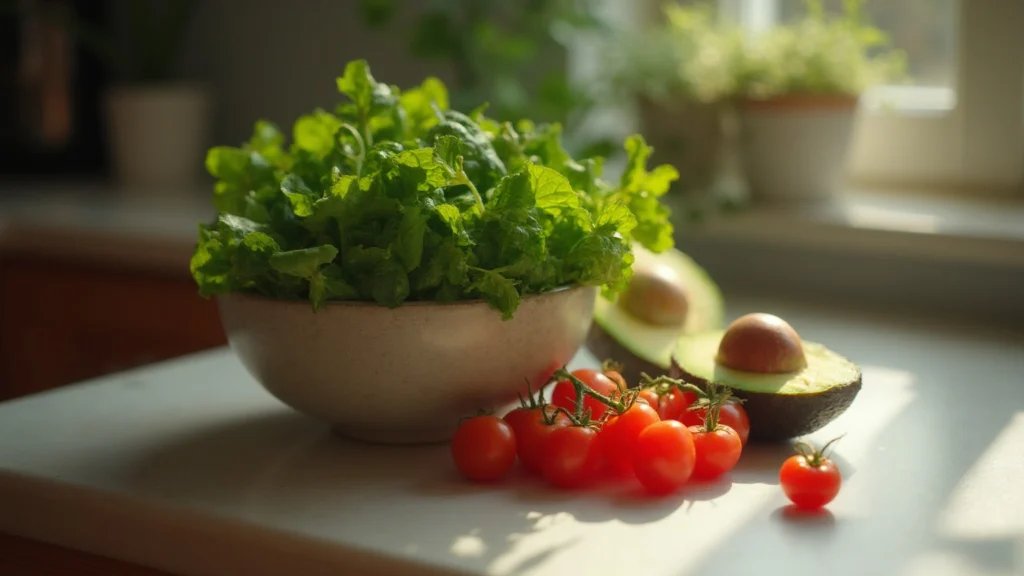
Food is one input; the routine is the other, and the page on a skin care routine for women over 40 sets out the steps the American Academy of Dermatology gives.
Frequently Asked Questions
What are the worst foods for skin acne specifically?
The worst foods for skin acne are high-glycemic carbohydrates (white bread, sugary drinks), liquid dairy, and refined seed oils. These three categories directly drive the three main acne mechanisms: insulin and mTORC1-driven sebum overproduction from high-GI foods, IGF-1-driven sebaceous gland proliferation from dairy, and PGE2-driven inflammatory neutrophil recruitment from seed oils. Cutting all three back is the diet change with the most evidence behind it, and it takes a couple of months to show.
How quickly do dietary changes affect skin?
Most people notice a reduction in new inflammatory breakouts within two to four weeks of cutting the main dietary triggers. This reflects the typical lifecycle of a pore: an acne lesion that is already forming will complete its cycle regardless of what you eat this week, but new lesions stop initiating once the dietary drivers are removed. Improvements in skin texture, hydration, and luminosity from reduced glycation and improved barrier function take longer: typically three to six months for visible collagen-level changes, because collagen turnover is slow.
Is dairy always bad for skin?
Not universally. The acne-relevant part of dairy is primarily the whey protein fraction and the IGF-1 stimulation in liquid milk, particularly skim milk. Fermented dairy (plain Greek yogurt, kefir) has a different protein profile due to fermentation, and aged hard cheeses have minimal lactose and a lower hormonal signaling impact. The most evidence-backed approach for acne-prone skin is eliminating liquid milk and whey protein supplements as a first trial rather than cutting all dairy entirely.
Can the worst foods for skin cause permanent damage?
Glycation-related collagen cross-linking is effectively permanent for the existing collagen fibers that are damaged. The body slowly replaces collagen over time (collagen has a half-life of roughly 10 to 15 years in adults), so the damage does not compound forever provided dietary habits change, but it cannot be quickly reversed. AGEs also accumulate in skin and are visible as a yellowing or grayish cast in heavily glycated skin. For the inflammatory acne damage, scarring from ruptured cystic nodules is also largely permanent without professional treatment. Prevention through diet is genuinely more effective than any corrective intervention.
Does stress make these foods worse for skin?
Yes, significantly. Cortisol from stress activates many of the same pathways that the worst foods for skin activate: sebaceous gland stimulation, collagen degradation, and barrier impairment. When chronic stress combines with high-glycemic eating and seed oil-heavy diet, the effects are multiplicative rather than simply additive. This is partly why people who eat the same diet see worse skin outcomes during stressful periods. Managing the cortisol load through sleep, movement, and stress practices directly reduces the baseline inflammatory tone that makes dietary inputs more damaging. See our article on signs of high cortisol in women if you suspect this layer is a factor in your skin concerns.
Conclusion
The worst foods for skin acne and premature aging share a common thread: they all trigger documented biological cascades that damage the structural proteins, oil-regulating systems, and moisture barriers of skin at the cellular level. This is not about vague nutritional advice. High-fructose corn syrup glycates collagen ten times faster than glucose. Seed oils feed the exact enzyme pathway that produces the prostaglandin responsible for cystic acne. Alcohol competes with vitamin A for the same metabolic enzymes, creating functional retinol deficiency in skin. Trans fats physically stiffen cell membranes and increase water loss through the skin surface.
Understanding these mechanisms means your dietary choices become precise interventions rather than random restrictions. The ten foods covered here are not equally harmful to every person, but eliminating the two or three that are most prevalent in your current diet is almost always the highest-using starting point for skin improvement, often more effective than adding any topical product.
For the full picture of what to add rather than just what to remove, the companion guide on the best skin diet for clear, glowing skin covers the foods, nutrients, and dietary patterns with the strongest evidence for building healthier skin from the inside out.
Medical disclaimer: This article is for informational purposes only and does not constitute medical advice. If you have a skin condition such as acne, rosacea, eczema, or psoriasis, consult a qualified dermatologist before making significant dietary changes. Individual responses to foods vary, and dietary modifications do not replace professional medical treatment.
Related Articles
- 12 Gut Health Foods for Clear Glowing Skin (+ 30-Day Plan)
- The Best Skin Diet for Clear, Glowing Skin
- Best Foods to Eat During Ovulation: 12 That Work by Mechanism