


The best diet for better skin is not a generic clean-eating list: it is a targeted nutritional strategy that works through four measurable biological mechanisms: collagen synthesis, the gut-skin axis, glycation damage prevention, and sebum regulation via sebaceous gland activity.
Skin is one of the few organs where the results of your internal environment are visible on the outside. Inflammation driven by diet shows up as redness and acne. Collagen breakdown shows up as fine lines. Glycation from excess sugar shows up as dull, stiff skin. And a dysbiotic gut microbiome shows up as barrier disruption, sensitivity, and chronic low-grade breakouts. Nutrition research over the last decade has made the connection between diet and skin far more mechanistic than it was before, moving past vague advice about drinking water and eating vegetables into specific pathways you can actually target.
This guide covers the science behind those pathways, the specific foods that support them, the foods that undermine them, and a practical 7-day outline for putting it together as an eating pattern rather than a supplement stack.
What the Best Diet for Better Skin Actually Does
When people talk about eating for skin, they usually mean eating foods marketed as skin-friendly. The actual question is more specific: which dietary inputs change measurable biological outputs that determine skin appearance and health? There are four primary pathways where food has strong mechanistic evidence.
Collagen synthesis depends on a continuous supply of specific cofactors. Collagen is the most abundant protein in the dermis and gives skin its firmness and elasticity. Building stable collagen is not just about eating protein. The key enzymatic step is hydroxylation of proline and lysine residues by two enzymes, prolyl hydroxylase and lysyl hydroxylase, both of which require vitamin C as an obligatory cofactor. Without adequate vitamin C, pro-collagen cannot be converted into stable collagen triple helices. The collagen produced without it is structurally weak and degrades faster. This is not a supplement industry claim; it is basic connective tissue biochemistry documented in the peer-reviewed literature on ascorbate and collagen metabolism.
Glycation and AGE formation occur when free sugar molecules in circulation react non-enzymatically with proteins, including collagen and elastin, in a process called the Maillard reaction in vivo. The resulting advanced glycation end products (AGEs) cross-link collagen fibers, making them rigid and brittle, reduce skin elasticity, accelerate visible aging, and generate oxidative stress that damages surrounding cells. High glycemic index foods spike blood glucose, increase the substrate available for glycation, and accelerate AGE accumulation. This is the precise mechanism behind the common observation that high-sugar diets age skin faster.
Sebum regulation and hormonal acne are connected to zinc through a specific enzymatic pathway. The sebaceous glands are stimulated by dihydrotestosterone (DHT), which is converted from testosterone by the enzyme 5-alpha reductase. Zinc is a known inhibitor of 5-alpha reductase activity. Lower zinc status is associated with higher DHT levels and increased sebum production, which creates the anaerobic environment that favors Cutibacterium acnes proliferation. Zinc-rich foods directly support this regulation without the systemic side effects of pharmaceutical 5-alpha reductase inhibitors.
Systemic inflammation is the underlying driver of inflammatory acne, rosacea flares, and chronic skin sensitivity. Diet is one of the most powerful regulators of systemic inflammatory tone. The omega-3 to omega-6 ratio matters here specifically because both types compete for the same cyclooxygenase (COX) enzymes. Omega-6 arachidonic acid, when processed by COX, produces pro-inflammatory prostaglandins and leukotrienes. Omega-3 EPA and DHA, when they occupy those same enzymes, produce resolvins and protectins with anti-inflammatory effects. A diet dominated by processed seed oils shifts the ratio to 1:15 or higher in omega-6, systematically biasing the skin toward inflammatory states.
The Gut-Skin Axis: Why Your Microbiome Controls Your Complexion
One of the most significant developments in skin nutrition science over the last decade is the formal characterization of the gut-skin axis, the bidirectional communication network between the intestinal microbiome and skin physiology. The mechanism is not mystical; it operates through specific molecular intermediaries.
The most important of these are short-chain fatty acids (SCFAs), particularly butyrate, propionate, and acetate. These are produced when gut bacteria ferment dietary fiber, specifically the prebiotic fibers that reach the colon undigested. Butyrate is the primary energy source for colonocytes and plays a central role in maintaining intestinal barrier integrity. When the gut barrier is intact, bacterial endotoxins such as lipopolysaccharide (LPS) do not cross into systemic circulation. When barrier function degrades due to insufficient SCFA production, LPS enters the bloodstream and triggers systemic inflammatory cytokine release, including interleukin-1 beta and tumor necrosis factor-alpha. These cytokines circulate systemically and activate inflammatory cascades in sebaceous glands and keratinocytes, producing acne and inflammatory skin conditions from the inside.
Fiber intake directly determines SCFA production. A diet low in fermentable fiber starves SCFA-producing bacteria such as Faecalibacterium prausnitzii and Roseburia species, compromising barrier function and raising inflammatory tone. A diet rich in prebiotic fiber, from sources like garlic, leeks, oats, Jerusalem artichokes, and green bananas, supports these bacteria and sustains butyrate production. This is why fiber is one of the most evidence-supported dietary factors for skin health even though it receives almost no attention in conventional skin diet articles.
The microbiome also regulates estrogen metabolism through the estrobolome, the collection of gut bacterial genes that encode beta-glucuronidase enzymes. These enzymes deconjugate estrogen metabolites in the gut, allowing them to be reabsorbed rather than excreted. A dysbiotic microbiome can increase estrogen recirculation, contributing to estrogen dominance patterns that manifest in hormonal acne, particularly along the jaw and chin. If you are dealing with hormonal breakouts, the symptoms of estrogen dominance in women are worth understanding alongside your skin diet changes, since both share root microbiome drivers.
Probiotic foods support the microbiome directly by introducing beneficial bacterial strains and creating a more diverse, stable ecosystem. Fermented foods including kefir, plain yogurt with live cultures, kimchi, sauerkraut, and miso all contribute. For targeted support, the evidence for specific strains in skin outcomes is growing. The post on best probiotics for gut health covers strain selection in detail if you want to supplement beyond food sources.
10 Best Foods for Clear Skin (Organized by Mechanism)
The best diet for clear skin is built around foods that target the specific mechanisms above rather than generic antioxidant or anti-aging claims. Here are the ten most evidence-supported choices, organized by what they actually do.
Collagen Synthesis Support
1. Bell peppers (especially red) are among the highest vitamin C foods per serving, with a single medium red bell pepper delivering over 150 mg of vitamin C. As the cofactor for prolyl and lysyl hydroxylase, vitamin C directly gates how much functional collagen your dermis can produce on a given day. Eating bell peppers consistently provides sustained ascorbate availability for the synthesis pathway.
2. Citrus fruits and kiwi round out the vitamin C supply. Kiwi is particularly dense, with one kiwi providing roughly 70 mg. The combination of vitamin C with the amino acid glycine, found in bone broth and collagen peptide foods, provides both the cofactor and the substrate for collagen assembly.
Gut-Skin Axis Support
3. Oats are one of the best prebiotic fiber sources for SCFA production. Beta-glucan in oats is fermented by gut bacteria into butyrate, directly supporting intestinal barrier function and reducing the LPS translocation that drives inflammatory skin conditions. Starting the day with oats is one of the most practical single dietary changes for gut-driven skin improvement.
4. Fermented foods (kefir, kimchi, plain yogurt) introduce live bacterial cultures that reinforce microbiome diversity. The evidence for fermented food consumption and reduced inflammatory markers is consistent across multiple study designs. Including one to two servings of fermented food daily provides both probiotics and additional nutrients including B vitamins and short-chain organic acids.
Sebum Regulation
5. Pumpkin seeds are one of the richest plant sources of zinc, with a 30g serving providing approximately 2.5 mg. Zinc inhibits 5-alpha reductase, reducing DHT-driven sebaceous gland stimulation. They also provide magnesium and plant-based omega-3 ALA. For women experiencing hormonal acne that worsens in the luteal phase, adding pumpkin seeds to the diet addresses both the zinc-DHT pathway and the magnesium depletion that worsens PMS symptoms. The full picture of how hormonal shifts affect skin is covered in the guide on best foods to eat during the luteal phase.
6. Oysters and shellfish are the highest dietary sources of zinc, with six medium oysters providing more than the daily requirement. For those who eat seafood, oysters are the most efficient single food for addressing zinc-related sebum and acne issues.
Anti-Inflammatory (Omega-3 Rebalancing)
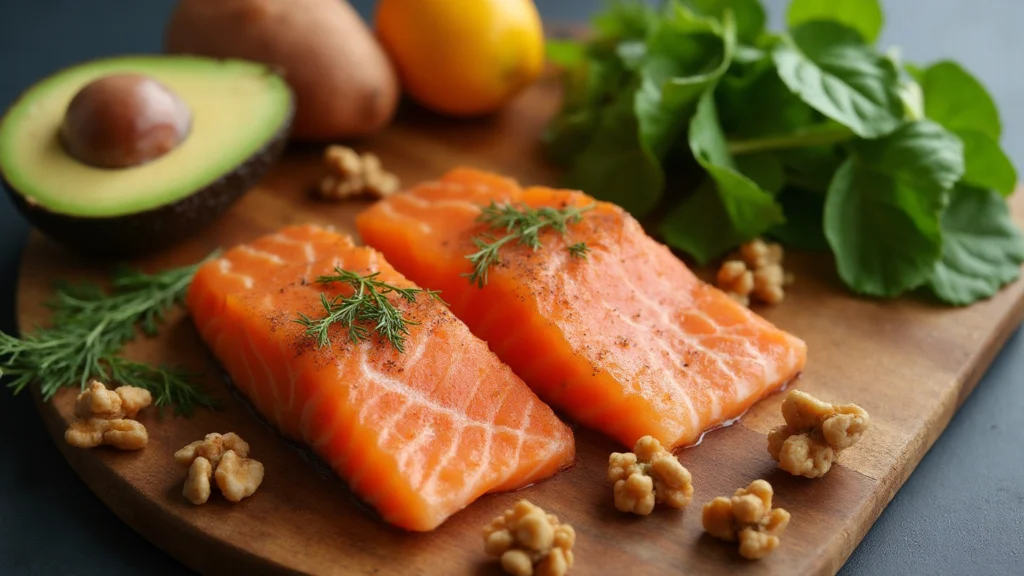
7. Fatty fish (salmon, sardines, mackerel) provide EPA and DHA directly, the forms of omega-3 that compete with arachidonic acid for COX enzyme access. Unlike ALA from plant sources, EPA and DHA do not require conversion. Two to three servings per week consistently reduces circulating inflammatory markers including CRP and interleukin-6. The full mechanistic case for EPA and DHA in skin and hormonal health is covered in the guide to omega-3 fish oil benefits for women.
8. Walnuts are the highest ALA plant source and also provide tocopherols (vitamin E) that protect cell membranes from oxidative damage. While ALA conversion to EPA is limited (under 15% by the NIH fact sheet), walnuts provide meaningful anti-inflammatory activity through their polyphenol content, specifically ellagitannins that reduce NF-kB inflammatory signaling.
Antioxidant Protection
9. Tomatoes (cooked) are one of the best dietary sources of lycopene, a carotenoid that provides UV-related oxidative stress protection at the cellular level. Cooking tomatoes and consuming them with fat significantly increases lycopene bioavailability. Lycopene accumulates in the skin and has been shown in studies to reduce UV-induced erythema and oxidative DNA damage in skin cells.
10. Dark leafy greens (spinach, kale, Swiss chard) provide a broad antioxidant matrix including lutein, zeaxanthin, vitamin K, folate, and iron. Iron deficiency is a common and underrecognized driver of pale, dull skin and hair thinning in women. Dark greens also provide the magnesium that supports cortisol regulation, since elevated cortisol from chronic stress is a significant driver of inflammatory skin conditions. The connection between cortisol and skin is detailed in the article on signs of high cortisol in women.
Foods That Damage Skin
Knowing what to avoid is as important as knowing what to eat. The best diet for clear skin removes or reduces these categories consistently.
High-Glycemic Foods and Sugar
Refined carbohydrates and added sugar drive AGE formation. White bread, white rice, pastries, sweetened beverages, and candy spike blood glucose rapidly, increasing the substrate available for non-enzymatic glycation of collagen and elastin. AGE cross-linking stiffens collagen fibers, reduces skin elasticity, and generates reactive oxygen species that damage surrounding skin cells. This effect is cumulative and not reversible quickly. Switching to lower-glycemic carbohydrate sources like legumes, sweet potatoes, and whole grains directly reduces the glycation rate over time.
The glycemic impact of food is not just about the food itself but about what it is eaten with. Fat, protein, fiber, and vinegar all slow gastric emptying and blunt the postprandial glucose spike. A white rice meal eaten with salmon, vegetables, and olive oil has a significantly lower glycemic impact than the same rice eaten alone.
Processed Seed Oils High in Omega-6
Refined sunflower oil, corn oil, soybean oil, and cottonseed oil are extremely high in linoleic acid, the omega-6 fatty acid that converts to arachidonic acid in tissues. A diet heavily reliant on processed and fried foods cooked in these oils chronically elevates the omega-6 to omega-3 ratio, which in Western diets averages around 15:1 to 20:1 against the ancestral estimate of roughly 4:1 or lower. This imbalance shifts the body’s prostaglandin production toward the inflammatory series (PGE2, LTB4), directly increasing inflammatory skin activity. Replacing seed oils with olive oil, avocado oil, and butter in home cooking is one of the most effective single dietary interventions for skin inflammation.
High-Glycemic Dairy
The relationship between dairy and acne is not universal but is well-documented in a subset of people, particularly with skim milk and whey protein. Skim milk has a higher glycemic index than whole milk because of its protein-to-fat ratio and residual lactose concentration. More relevantly, dairy stimulates insulin-like growth factor 1 (IGF-1), which activates the mTORC1 pathway in sebaceous glands, increasing both sebum production and keratinocyte proliferation, two key steps in comedone formation. Full-fat fermented dairy, including plain yogurt and aged cheese, has a much weaker IGF-1 stimulus and includes probiotic benefits that may offset the acne-promoting effects seen with liquid milk and whey.
Alcohol
Alcohol is a direct skin stressor through multiple pathways. It depletes zinc (worsening 5-alpha reductase inhibition and DHT control), depletes vitamin A (required for skin cell turnover and barrier function), disrupts the gut microbiome by reducing beneficial bacterial populations, increases intestinal permeability, and causes systemic dehydration that reduces dermal water content and turgor. Regular alcohol consumption consistently appears in dermatology research as associated with increased acne severity, rosacea flares, and accelerated photoaging.
The Skin Diet 7-Day Meal Plan Outline
A practical approach to the best diet for clear skin does not require cooking elaborate meals or buying expensive supplements. The structure below applies the four core mechanisms across a week of eating, using foods available in any standard grocery store.
Day 1: Breakfast: oat porridge with walnuts and kiwi. Lunch: large mixed salad with canned sardines, red bell pepper, olive oil dressing, and lemon. Dinner: baked salmon with roasted sweet potato and steamed broccoli. Snack: plain kefir with berries.
Day 2: Breakfast: scrambled eggs with spinach and tomatoes, cooked in olive oil. Lunch: lentil soup with a side of sauerkraut. Dinner: stir-fried chicken with bok choy, snap peas, sesame oil, and brown rice. Snack: pumpkin seeds and an orange.
Day 3: Breakfast: plain Greek yogurt with sliced kiwi and a tablespoon of ground flaxseed. Lunch: avocado and salmon wrap with tomato and lettuce in a whole grain tortilla. Dinner: mackerel with roasted cherry tomatoes, garlic, olive oil, and steamed Swiss chard. Snack: a handful of walnuts.
Day 4: Breakfast: smoothie with frozen spinach, plain kefir, frozen berries, and a tablespoon of pumpkin seeds. Lunch: chickpea salad with cucumber, red onion, lemon juice, and olive oil. Dinner: turkey stir-fry with broccoli, bell peppers, and quinoa. Snack: carrot sticks with hummus.
Day 5: Breakfast: oat bran with blueberries and a side of hard-boiled eggs. Lunch: miso soup with tofu and seaweed, brown rice. Dinner: grilled mackerel with roasted beets, arugula, walnuts, and goat cheese. Snack: an apple with almond butter.
Day 6: Breakfast: kimchi fried rice with two eggs, using minimal sesame oil. Lunch: tuna salad in romaine lettuce cups with capers and olive oil. Dinner: slow-cooked lentil and tomato stew with turmeric, garlic, and leafy greens. Snack: kefir.
Day 7: Breakfast: berry and spinach smoothie bowl with walnuts, ground flaxseed, and sliced kiwi. Lunch: sardine and avocado toast on whole grain bread with lemon juice and arugula. Dinner: salmon fillet with asparagus, roasted garlic, and sweet potato mash. Snack: pumpkin seeds and a small piece of dark chocolate (85%+).
Key structural principles across the week: every meal includes a protein source, a fat source (olive oil, fatty fish, nuts, or avocado), and a fiber source. No meal is centered on refined carbohydrates alone. Fermented foods appear daily. Zinc-rich foods appear four to five times. Fatty fish appears three times. Vitamin C-rich vegetables are present at most meals.
For women whose skin responds to hormonal cycles, adapting the meal plan by phase, with more zinc and magnesium in the luteal phase and more collagen-supporting foods in the follicular phase, adds another layer of precision. This is covered fully in the article on best foods to eat during the luteal phase. For women with acne linked to estrogen dominance specifically, the diet recommendations overlap significantly with the microbiome and estrobolome interventions described in the piece on symptoms of estrogen dominance.
Diet is one side; the page on a skin care routine for women over 40 covers the other, the steps on the skin itself.
Frequently Asked Questions
How long does it take to see results from a skin diet?
Most people notice the first visible changes within four to six weeks of consistently following a skin-supportive diet. The gut microbiome shifts within two to three weeks of changing fiber and probiotic intake, which typically reduces inflammatory breakouts first. Collagen-related improvements in skin texture and firmness take longer, generally three to six months, because collagen remodeling is a slow process. Glycation-related dullness improves gradually as AGE accumulation slows, but existing cross-linked collagen is not rapidly cleared. Setting a three-month minimum evaluation window gives accurate feedback on what the dietary changes are actually doing.
Is the best diet for clear skin the same for hormonal acne?
The core framework applies, but hormonal acne benefits from additional emphasis on zinc-rich foods for 5-alpha reductase inhibition, omega-3s to reduce the prostaglandin-driven inflammation that worsens premenstrual breakouts, and prebiotic fiber to support estrobolome balance and reduce estrogen recirculation. Low-glycemic eating is particularly important because insulin spikes amplify IGF-1, which directly stimulates sebaceous glands. Women with acne that worsens predictably in the luteal phase should also consider whether estrogen dominance or high cortisol patterns are contributing, as those involve overlapping but distinct dietary adjustments.
Does dairy really cause acne?
The evidence is strongest for skim milk and whey protein, both of which have significant IGF-1-stimulating activity. Full-fat fermented dairy (plain yogurt, aged cheese, kefir) has a much weaker acne association and may be beneficial due to its probiotic content. The practical approach is to eliminate skim milk and whey for six to eight weeks while continuing fermented dairy, then assess the response. If acne improves, skim milk and whey were contributing. If it does not change, dairy is likely not a primary driver for that individual. Acne has multiple inputs and the significance of each varies between people.
What does the gut-skin axis actually mean for what I eat?
It means that a significant portion of your skin’s inflammatory tone is determined by what your gut bacteria are producing, not just by what you apply topically. Gut bacteria that ferment dietary fiber produce short-chain fatty acids that maintain the intestinal barrier. When that barrier breaks down, bacterial endotoxins enter circulation and trigger the same inflammatory cytokines that drive acne, rosacea, and skin sensitivity. Eating adequate prebiotic fiber (25-35g daily for most adults) and including fermented foods daily directly supports this barrier function and shifts skin toward a lower inflammatory baseline. Research published by the National Institutes of Health on the gut-skin axis confirms this bidirectional relationship with mechanistic clarity.
Can supplements replace a skin diet?
Supplements can address specific deficiencies, zinc, vitamin C, omega-3s, and probiotics all have evidence in skin health, but they cannot replicate the matrix effect of whole foods. Whole foods provide cofactors, fiber, polyphenols, and synergistic nutrients that supplements do not. The fiber needed for SCFA production cannot come from a capsule. The collagen-supporting effect of vitamin C is amplified by the bioflavonoids present in whole citrus that are absent from ascorbic acid supplements. Supplements are a useful adjunct when dietary intake is inadequate, but they do not substitute for building the diet correctly.
A 2023 review in the journal Nutrients on dietary patterns and skin aging highlights that whole dietary pattern, not isolated nutrients, is the strongest predictor of skin outcomes.
Conclusion
The best skin diet for clear glowing skin works at the level of biology, not marketing. The four mechanisms that matter most are collagen synthesis supported by adequate vitamin C, glycation damage reduced by low-glycemic eating, sebum regulation through zinc and 5-alpha reductase inhibition, and systemic inflammation shifted toward anti-inflammatory prostaglandins through omega-3 rebalancing. Underlying all of these is the gut-skin axis, where the health of your microbiome and the integrity of your intestinal barrier set the inflammatory baseline that all other factors operate within.
The best diet for clear skin does not require exotic foods or expensive protocols. It requires consistent fiber intake to feed SCFA-producing bacteria, regular consumption of fatty fish for EPA and DHA, vitamin C-rich vegetables at most meals, zinc-rich foods several times a week, and elimination of the high-glycemic, high-omega-6 foods that systematically undermine skin health. Applied as an eating pattern over three to six months, these changes address the root inputs that topical products cannot reach.
Skin is also downstream of hormonal and stress systems. If cortisol is chronically elevated, the sebum and inflammatory responses will override even a well-constructed skin diet. The connection between cortisol, hormonal shifts, and skin is covered in depth in the article on signs of high cortisol in women. A complete approach to skin nutrition addresses diet, hormonal environment, and stress physiology together.
Medical disclaimer: This article is for informational and educational purposes only and does not constitute medical advice. The information presented here is not intended to diagnose, treat, cure, or prevent any skin condition or medical disease. Individual responses to dietary changes vary. If you are experiencing persistent acne, inflammatory skin conditions, or other dermatological concerns, please consult a qualified dermatologist or healthcare provider for personalized evaluation and treatment recommendations.
Related Articles
- 10 Worst Foods for Your Skin: Acne and Premature Aging Explained
- 12 Gut Health Foods for Clear Glowing Skin (+ 30-Day Plan)
- Best Moisturizer for Glowing Skin: What Actually Works