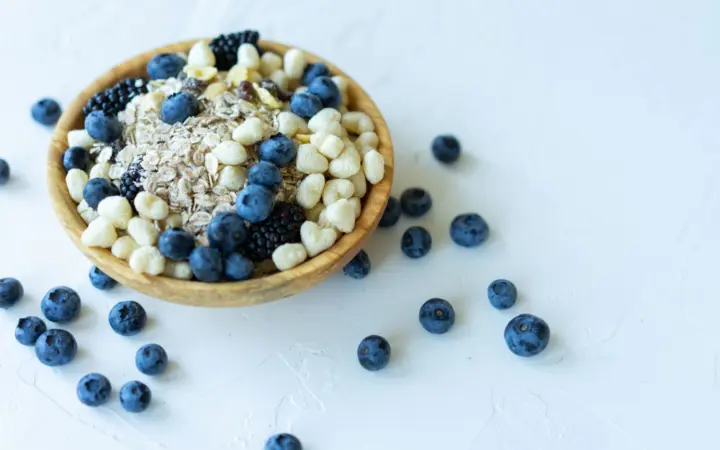


Gut health improvement is one of the most impactful steps you can take for your overall wellbeing, affecting not just digestion, but your immune system, mental health, energy levels, and even your skin. The gut is a complex, living ecosystem, and when it falls out of balance, the effects ripple across your entire body in ways most people never connect back to their digestive system.
The good news is that your gut responds quickly to the right changes. Unlike many aspects of health that require months of consistent effort before you see results, the microbiome can shift meaningfully within days of changing what you eat, how you move, and how you sleep. This article breaks down the science-backed strategies that actually work, no fads, no supplements you don’t need, just practical steps grounded in current research.
What Improving Your Gut Health Naturally Really Means
When people talk about gut health, they’re usually referring to the state of the gastrointestinal tract and the trillions of microorganisms (bacteria, fungi, viruses, and other microbes) that live within it. This community is collectively known as the gut microbiome, and it is as unique to you as your fingerprints. NIH News in Health sets out what is known about it and what is not. A healthy microbiome is diverse, meaning it contains a wide range of microbial species, each contributing different functions.
When diversity drops and harmful bacteria begin to outnumber beneficial ones, a condition called dysbiosis develops. Dysbiosis has been linked to irritable bowel syndrome, inflammatory bowel disease, obesity, type 2 diabetes, and even depression. Understanding gut health means understanding that this internal ecosystem needs the right inputs to stay balanced and resilient.
Improving gut health naturally means making lifestyle and dietary choices that actively support microbial diversity and the integrity of the intestinal lining. The gut lining acts as a selective barrier, described by NIDDK: it lets nutrients through to the bloodstream while holding back what should not cross. When this lining becomes damaged or too permeable (sometimes called “leaky gut”), inflammatory molecules can enter the bloodstream and trigger systemic inflammation.
Natural strategies for supporting gut health focus on reinforcing this barrier through nutrient-dense foods, reducing inflammatory triggers like ultra-processed foods and excess alcohol, and building habits that support the beneficial bacteria your gut depends on. It’s not about a single food or supplement, it’s about creating the right environment consistently over time.
It’s also worth understanding that gut health improvement isn’t the same for everyone. Your microbiome is shaped by your genetics, the environment you grew up in, the medications you’ve taken, your diet history, and even your stress levels. This means that what works remarkably well for one person might have a modest effect on another.
That said, certain strategies (particularly those centered on fiber intake, fermented foods, sleep quality, and stress management) consistently show positive results across populations. The research is clear that a proactive, evidence-based approach to gut health pays dividends not just in how your stomach feels, but in how your immune system performs and how well your brain functions. A well-nourished gut microbiome is one of the strongest foundations you can build your health on.

Why Gut Health Improvement Makes a Real Difference
The connection between gut health and immunity alone is reason enough to take this seriously. Approximately 70% of the immune system resides in the gut, where immune cells constantly interact with the microbiome to calibrate the body’s inflammatory responses. When gut bacteria are healthy and diverse, they train the immune system to distinguish between harmless substances and genuine threats.
When the microbiome is disrupted, the immune system can become either overactive (contributing to allergies and autoimmune conditions) or underactive, leaving you more vulnerable to infections. Research published through the National Institutes of Health has highlighted the gut-immune axis as one of the most important relationships in human biology, with implications for everything from seasonal illness to long-term chronic disease risk.
Perhaps even more surprising is the gut-brain connection, known as the gut-brain axis. The gut and the brain communicate constantly through the vagus nerve, hormones, and neurotransmitters, and a significant portion of the body’s serotonin, the neurotransmitter most associated with mood regulation, is actually produced in the gut. Studies have found strong associations between gut dysbiosis and mental health conditions including anxiety, depression, and cognitive decline.
People who prioritize gut health often report improvements in mental clarity, mood stability, and stress resilience, benefits they didn’t expect when they started changing their diet. If you’ve been working on holistic strategies for anxiety, improving your gut health is one of the most direct physiological levers you can pull.
Gut health also has a profound influence on metabolic health, weight regulation, and energy. The microbiome plays a direct role in how efficiently the body extracts calories from food, how it regulates blood sugar, and how hunger hormones like ghrelin and leptin behave. People with higher microbial diversity tend to have better insulin sensitivity and lower rates of obesity.
Research from 2024 and 2025 continues to confirm that individuals with a less diverse microbiome are significantly more likely to experience metabolic dysfunction, even when controlling for diet and exercise habits. Starting your day with gut-supportive habits (something as simple as a fiber-rich breakfast) can set the tone for your metabolism all day. For practical ideas, see our guide on 7 healthy ways to start your day.
Evidence-Based Strategies for Gut Health Improvement
Dietary fiber is the single most well-supported intervention for improving gut health. Fiber feeds beneficial bacteria, particularly strains like Bifidobacterium and Lactobacillus, which produce short-chain fatty acids (SCFAs) like butyrate during fermentation. Butyrate is a primary energy source for the cells lining the colon and has potent anti-inflammatory properties. MedlinePlus puts the daily target for adults at 21 to 38 grams, and most people eat well under it.
The fix is straightforward: prioritize whole plant foods. Legumes, oats, flaxseeds, berries, broccoli, and artichokes are among the most fiber-dense options available. Variety matters too, eating a wide range of plant foods each week dramatically increases microbial diversity compared to eating the same few foods repeatedly.
Fermented foods are the other cornerstone of evidence-based gut health strategies. A landmark 2021 study from Stanford University found that a high-fermented-food diet consistently increased microbiome diversity and reduced markers of inflammation, more effectively, in fact, than a high-fiber diet alone. Foods like yogurt with live cultures, kefir, kimchi, sauerkraut, miso, and kombucha introduce beneficial bacteria directly into the gut while also providing organic acids that create a more hospitable environment for resident microbes.
Starting with small servings and gradually increasing intake gives your gut time to adjust, particularly if you’re not used to fermented foods. Even one to two servings per day can produce measurable improvements in microbiome composition within two to four weeks.
Beyond diet, sleep and stress management have emerged as major modifiers of gut health, and the research supporting their role is substantial. Chronic sleep deprivation alters the composition of the gut microbiome within just two days, reducing populations of beneficial bacteria and increasing markers of gut permeability. Similarly, chronic psychological stress activates the hypothalamic-pituitary-adrenal (HPA) axis and floods the gut with stress hormones that directly alter microbial balance and reduce gut motility.
Practices like consistent sleep schedules, mindfulness-based stress reduction, and regular moderate exercise have all been shown to benefit the microbiome independently of diet. These aren’t soft lifestyle suggestions, they’re interventions with measurable biological impact on your gut ecosystem.

The Best Approaches to Gut Health Improvement: What the Science Says
If you want to improve your gut health, start with what researchers consistently identify as the highest-impact change: eating more diverse plant foods. A study involving over 10,000 participants found that people who ate 30 or more different plant foods per week had significantly more diverse microbiomes than those who ate 10 or fewer. This doesn’t mean you need to overhaul your entire diet overnight.
It means adding variety strategically, swapping your usual grain for a different one, mixing two types of legumes into a soup, or reaching for a different fruit at breakfast. Each new plant food introduces different fibers and polyphenols that feed different bacterial strains, building out the diversity your gut needs to function at its best.
Probiotics supplements are widely marketed, but the evidence for specific strains is more nuanced than most labels suggest. For general gut health maintenance, food-based probiotics are typically more effective than capsules because they come packaged with the nutrients and compounds that help bacteria survive and colonize. However, for specific conditions like antibiotic-associated diarrhea or certain IBS subtypes, targeted probiotic strains (particularly Lactobacillus rhamnosus GG and Saccharomyces boulardii) have strong clinical backing.
If you’re considering a supplement, look for products with at least 10 billion CFUs, multiple strains, and third-party testing. And keep in mind that probiotics work best when paired with prebiotic foods that give those bacteria something to feed on once they arrive.
Regular physical activity is another underrated tool for gut health improvement. Exercise increases microbial diversity, boosts SCFA production, and improves gut motility, reducing the time that waste (and the toxins it contains) spends in contact with the intestinal wall. Studies show that even moderate-intensity exercise, like 30 minutes of brisk walking most days of the week, produces measurable improvements in microbiome composition.
The benefits appear to be dose-dependent up to a point, with very high-intensity training sometimes having a temporary negative effect on gut permeability. If you’re balancing a demanding schedule, don’t let the perfect be the enemy of the good, consistent moderate movement is far better for your gut than sporadic intense sessions.
For strategies that fit into a busy life, our guide on how to stay fit while living a busy lifestyle has practical options worth exploring.
Common Mistakes to Avoid With Gut Health Improvement
The biggest mistake most people make is inconsistency. Gut health isn’t something you fix in a week and then forget about. The microbiome is dynamic: it responds to what you do today, tomorrow, and the week after. People often make significant dietary changes, feel better quickly, and then slowly drift back to old habits, only to find their symptoms return.
Research confirms that microbial populations can shift back toward their original composition within days of reverting to a poor diet. Real, lasting gut health improvement comes from building habits you can sustain long-term, not from short-term cleanses or elimination diets that aren’t practical to maintain. Consistency doesn’t mean perfection: it means that most of your choices, most of the time, support your microbiome rather than undermine it.
Another common mistake is ignoring the root causes of gut dysfunction and trying to patch them over with supplements. If you’re eating a diet high in ultra-processed foods, drinking alcohol regularly, sleeping poorly, and living under chronic stress, no probiotic capsule is going to undo that damage. Many people spend significant money on gut health products while continuing the habits that disrupted their microbiome in the first place.
Before adding anything to your routine, it’s worth taking an honest look at what might be driving the problem. Antibiotic use, certain medications like NSAIDs and proton pump inhibitors, chronic stress, and a low-fiber diet are among the most common culprits. Addressing those root causes first gives any additional support you add a fighting chance of actually working.
Skipping recovery is a subtler but equally damaging mistake, particularly for people who exercise intensely. High-intensity training without adequate rest can temporarily increase gut permeability and reduce microbial diversity, the opposite of what you’re going for. The gut, like your muscles, needs time to recover and rebuild. This is why rest days, quality sleep, and stress management aren’t optional extras in a gut health strategy, they’re core components.
Similarly, people who drastically increase their fiber intake overnight often experience bloating, gas, and discomfort, which discourages them from continuing. Starting gradually and giving your gut time to adapt isn’t a sign of weakness, it’s the approach that actually leads to lasting improvement. Build up slowly, track how your body responds, and adjust from there.
How to Make Gut Health Improvement Part of Your Daily Routine
The most effective way to build a gut-supportive routine is to start with small, stackable changes rather than a complete overhaul. Pick one or two things to focus on first (perhaps adding a serving of fermented food each day and increasing your vegetable variety) and solidify those habits before adding more. Once they feel automatic, layer in the next change.
This approach works because it doesn’t rely on motivation or willpower, which are finite resources. Instead, it turns gut-supportive behaviors into defaults. Tracking your progress in a simple food journal or app can also be surprisingly motivating.
When you can see that you’ve hit 25 grams of fiber four out of seven days this week, you have a concrete target to build toward rather than a vague intention to “eat better.” Small wins compound into significant results over weeks and months.
Morning habits set the tone for your gut all day. Starting with a glass of water, a fiber-rich breakfast, and ideally some form of movement (even a 15-minute walk) activates digestion, feeds beneficial bacteria early, and helps regulate the gut-brain axis from the start of the day.
If you want ideas for building a morning routine that supports your overall health, our guide on 7 healthy ways to start your day has practical suggestions that layer well with gut health goals. Evening habits matter just as much.
Eating your last meal at least two to three hours before bed, winding down with a calming routine, and protecting your sleep window gives your gut the overnight rest period it needs to repair the intestinal lining and rebalance microbial populations.
If you’re dealing with persistent gut symptoms despite making consistent lifestyle changes, consulting a healthcare professional is genuinely important, not a last resort. Conditions like small intestinal bacterial overgrowth (SIBO), inflammatory bowel disease, or celiac disease require proper diagnosis and treatment that goes beyond dietary tweaks. A gastroenterologist or a registered dietitian who specializes in gut health can run targeted tests, identify specific imbalances, and create a plan that’s tailored to your biology.
Self-directed gut health improvement is powerful for prevention and general wellness, but professional guidance becomes essential when symptoms are significant, persistent, or interfering with your quality of life. Getting the right diagnosis early can save years of trial and error.
Who Benefits Most From Gut Health Improvement
While everyone stands to gain from a healthier microbiome, certain groups tend to see the most dramatic improvements. People with digestive disorders like irritable bowel syndrome, bloating, constipation, or acid reflux often notice significant symptom relief within weeks of adopting gut-supportive habits.
Those who have recently completed a course of antibiotics are another group where targeted gut health strategies make a clear difference, antibiotics are effective at eliminating harmful bacteria, but they also wipe out beneficial strains, and actively rebuilding the microbiome afterward can prevent the dysbiosis that often follows treatment.
Similarly, people managing anxiety or mood disorders may find that gut-focused changes complement other treatments, given the well-established connection between the microbiome and the nervous system. For a broader look at managing stress and mood, our guide on holistic strategies for anxiety covers complementary approaches worth considering.
People over 50 also benefit significantly from prioritizing gut health improvement. As we age, microbial diversity naturally tends to decline, which contributes to increased inflammation, weaker immune responses, and slower digestion. Research consistently shows that older adults with higher microbiome diversity have better metabolic health, stronger immune function, and lower rates of frailty. Proactively supporting the microbiome through diet and lifestyle in midlife and beyond can meaningfully slow these age-related declines.
Athletes and highly active individuals are another group that often overlooks gut health, despite the clear links between microbiome diversity, nutrient absorption, and recovery. If you are managing a health condition, trying to perform better, or simply want to feel better day to day, gut health improvement pays off well beyond the digestive system.
A gut-friendly plate still has to fit the day’s energy budget; how many calories you should eat a day gives that budget and the water and protein targets that sit with it.
Frequently Asked Questions
What are the best gut health improvement strategies?
The most effective strategies for gut health improvement center on diet, lifestyle, and consistency. Eating a wide variety of high-fiber plant foods (aiming for 30 or more different plant foods per week) is consistently identified as the highest-impact dietary change you can make. Incorporating fermented foods like yogurt, kefir, kimchi, and sauerkraut introduces live beneficial bacteria while also supporting microbial diversity.
Beyond diet, prioritizing quality sleep, managing chronic stress, and getting regular moderate exercise all produce measurable improvements in microbiome composition. Reducing ultra-processed foods, alcohol, and unnecessary antibiotic use removes key triggers of dysbiosis. These strategies work synergistically, the more of them you implement consistently, the stronger the effect on your gut health over time.
How quickly does gut health improvement work?
The gut microbiome is remarkably responsive, and you can see measurable changes in microbial composition within 48 to 72 hours of significant dietary changes. Many people notice improvements in digestion, bloating, and energy within one to two weeks of consistently increasing fiber and fermented food intake. That said, meaningful, lasting shifts in microbiome diversity and gut barrier integrity typically take four to eight weeks of consistent effort.
Sleep improvements and stress reduction tend to show benefits on a similar timeline. It’s worth setting realistic expectations, you’re not resetting your microbiome overnight, but the good news is that your gut responds faster to positive changes than almost any other system in the body. Tracking your symptoms week by week helps you stay motivated and notice progress that might otherwise be easy to miss.
Are gut health improvement strategies safe for everyone?
For most healthy adults, evidence-based gut health strategies (eating more fiber, adding fermented foods, improving sleep, managing stress, and exercising regularly) are not only safe but actively beneficial. However, there are some important exceptions worth knowing. People with inflammatory bowel disease, SIBO, or certain food intolerances may find that some high-fiber foods or fermented products worsen their symptoms, and they should work with a healthcare provider before making significant dietary changes.
Probiotic supplements, while generally safe, are not recommended for people who are immunocompromised without medical supervision. Rapidly increasing fiber intake can cause temporary bloating and discomfort in anyone, starting gradually minimizes this. When in doubt, consulting a registered dietitian or gastroenterologist ensures that your gut health strategy is appropriate for your specific health situation.
What do doctors recommend for gut health improvement?
Gastroenterologists and dietitians consistently recommend a food-first approach to gut health improvement, prioritizing a diverse, plant-rich diet high in fiber and fermented foods over supplementation. The Mediterranean diet pattern (rich in vegetables, legumes, whole grains, olive oil, and fermented dairy) is among the most evidence-backed dietary frameworks for gut health. Doctors also emphasize the importance of hydration, as adequate water intake supports gut motility and helps fiber do its job effectively.
For patients dealing with specific conditions, targeted interventions like low-FODMAP diets for IBS or specific probiotic strains for antibiotic recovery may be recommended. Physicians are increasingly recognizing the gut-brain connection as well, which means mental health support, stress reduction techniques, and adequate sleep are now regularly discussed alongside dietary advice in the context of gut health.
What is the most effective approach to gut health improvement?
The most effective approach is one that addresses multiple pillars simultaneously rather than focusing on a single intervention. Diet is the foundation, specifically, increasing plant food diversity and incorporating fermented foods regularly. But diet alone won’t deliver optimal results if sleep is chronically poor, stress is unmanaged, or physical activity is minimal, because all of these factors independently shape the microbiome. Think of gut health improvement as a system rather than a checklist.
Start with the highest-leverage changes first: add more fiber variety, include one fermented food daily, and protect your sleep. Once those feel sustainable, layer in stress management practices and consistent movement. Over time, these habits reinforce each other, creating a gut environment that’s resilient, diverse, and capable of supporting your health in ways that extend well beyond digestion.
Conclusion
Your gut is one of the most powerful levers you have for influencing your overall health, and the research supporting gut health improvement has never been stronger or more actionable. From immune function and mental health to metabolism and energy, the microbiome touches nearly every system in your body.
The strategies that move the needle most (eating diverse plant foods, adding fermented options, sleeping well, managing stress, and staying consistently active) are not complicated or expensive. They’re foundational habits that compound in value the longer you practice them. The most important step is simply starting, and then staying consistent long enough for your gut to respond.
It’s also worth remembering that gut health improvement is a long-term investment, not a quick fix. There will be days when you eat well and days when you don’t. There will be stressful periods that temporarily disrupt your microbiome regardless of how disciplined you’ve been. What matters is returning to your supportive habits after those disruptions, rather than abandoning them entirely. The gut is forgiving and adaptive: it rewards consistent care over time.
If you build even half of the habits outlined in this article into your regular routine, you’ll be giving your microbiome the environment it needs to keep you healthier, sharper, and more resilient for years to come.
Medical Disclaimer: The information provided in this article is intended for general educational purposes only and is not a substitute for professional medical advice, diagnosis, or treatment. Always consult a qualified healthcare provider before making significant changes to your diet, supplement routine, or lifestyle, particularly if you have an existing health condition or are taking medications. The author and justhealthlife.com do not assume any liability for actions taken based on the information presented here.
Related Articles
- Best Probiotics for Gut Health: What Strains Actually Work and Why
- 12 Gut Health Foods for Clear Glowing Skin (+ 30-Day Plan)
- Foods That Heal Gut Lining Naturally: 10 That Work by Mechanism
Sources
- NIH. NIH News in Health.
- NIH National Institute of Diabetes and Digestive and Kidney Diseases. Your Digestive System & How it Works – NIDDK.
- MedlinePlus, NIH. Fiber: MedlinePlus Medical Encyclopedia.