


The foods that help with hormonal bloating work differently from general anti-bloat advice, because hormonal bloating in women has four distinct causes, each requiring a targeted dietary approach. Most women experience some bloating across their menstrual cycle, but when it follows a predictable hormonal pattern, it signals something specific: progesterone slowing the GI tract, aldosterone driving sodium-water retention, prostaglandins triggering intestinal inflammation, or estrogen dominance amplifying all three.
Knowing which type of hormonal bloating you have determines which foods that help with hormonal bloating actually work for you. This guide breaks down the mechanism behind each type, then maps the best foods to the specific cause.
The 4 Types of Hormonal Bloating (and Why They Require Different Foods)
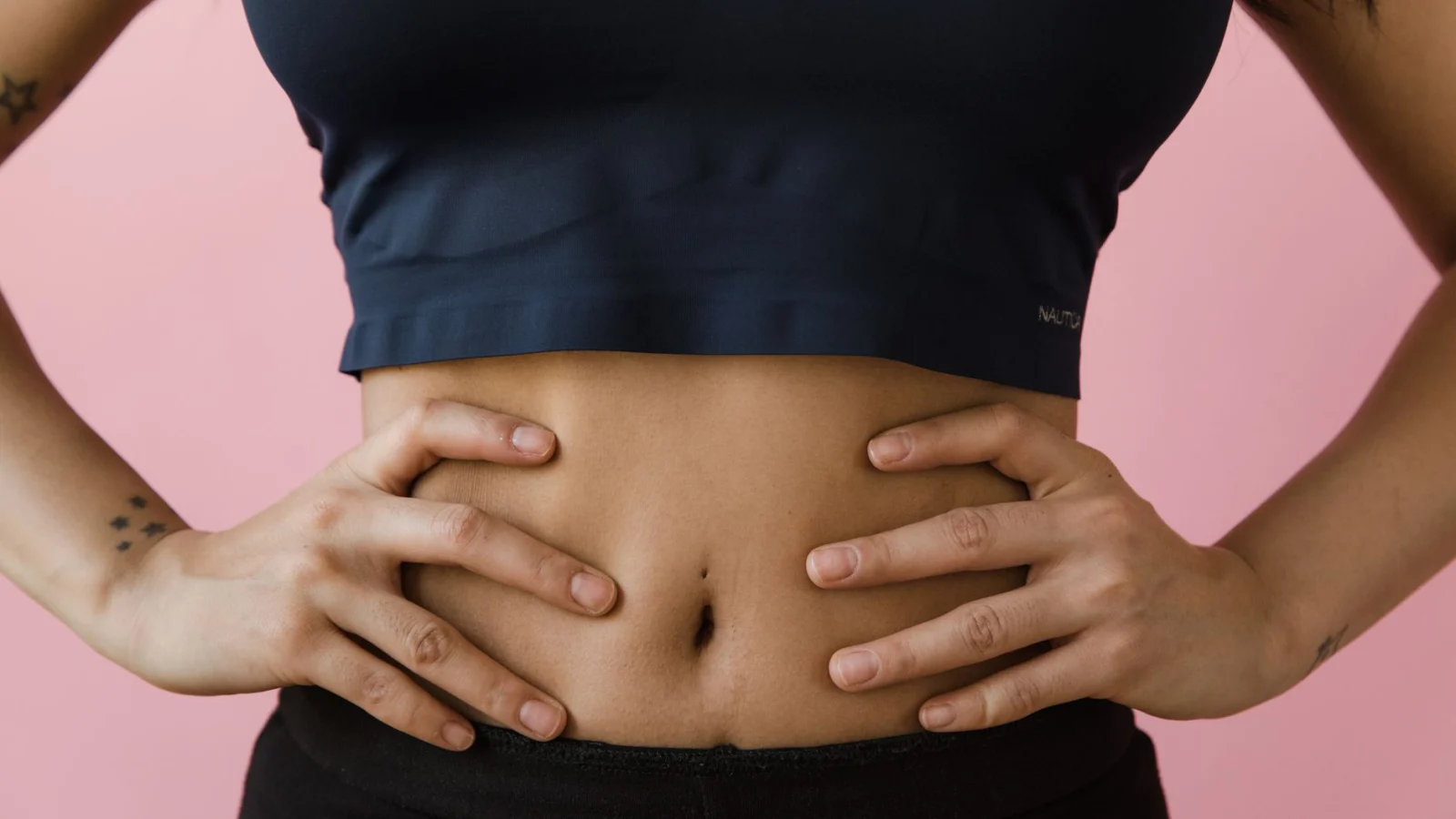
Hormonal bloating is not one condition. Women experience four distinct types across the menstrual cycle, and mixing up the treatment for one with another is why most dietary advice produces inconsistent results.
Type 1: Water Bloat (Aldosterone-Driven)
In the late luteal phase (days 22 to 28), aldosterone, the sodium-regulating hormone, spikes as progesterone drops. Aldosterone signals the kidneys to retain sodium, which pulls water into tissues. The result is that puffy, heavy feeling in the belly, hands, and face that appears predictably in the week before menstruation. This type responds best to potassium-rich and diuretic foods that counteract sodium retention.
Type 2: GI Motility Bloat (Progesterone-Driven)
Progesterone is a smooth muscle relaxant throughout the body, including the gastrointestinal tract. As progesterone rises in the luteal phase (days 15 to 28), it slows peristalsis, the muscular contractions that move food through the gut. Slowed transit time means food and gas sit in the colon longer, producing the tight, distended belly that often accompanies constipation in the second half of the cycle. This type responds to prokinetic foods that stimulate GI motility.
Type 3: Gas and Dysbiosis Bloat (Microbiome-Driven)
Estrogen and progesterone both modulate the gut microbiome. As estrogen fluctuates across the cycle, it shifts the relative populations of gas-producing bacteria. Women with estrogen dominance or a disrupted estrobolome (the gut bacteria that metabolize estrogen) are more prone to fermentation bloating. This type responds to fermented foods and prebiotics that rebalance the microbiome.
Type 4: Inflammatory Bloat (Prostaglandin-Driven)
Just before and during menstruation, the uterus releases prostaglandins to trigger contractions. Prostaglandins are not confined to the uterus: they also stimulate intestinal smooth muscle, causing cramping and diarrhea or constipation that creates intestinal bloating. Women with high prostaglandin levels (often correlating with estrogen dominance symptoms) experience this type most severely. Anti-inflammatory and anti-prostaglandin foods are the primary intervention here.
When Hormonal Bloating Peaks Across the Cycle
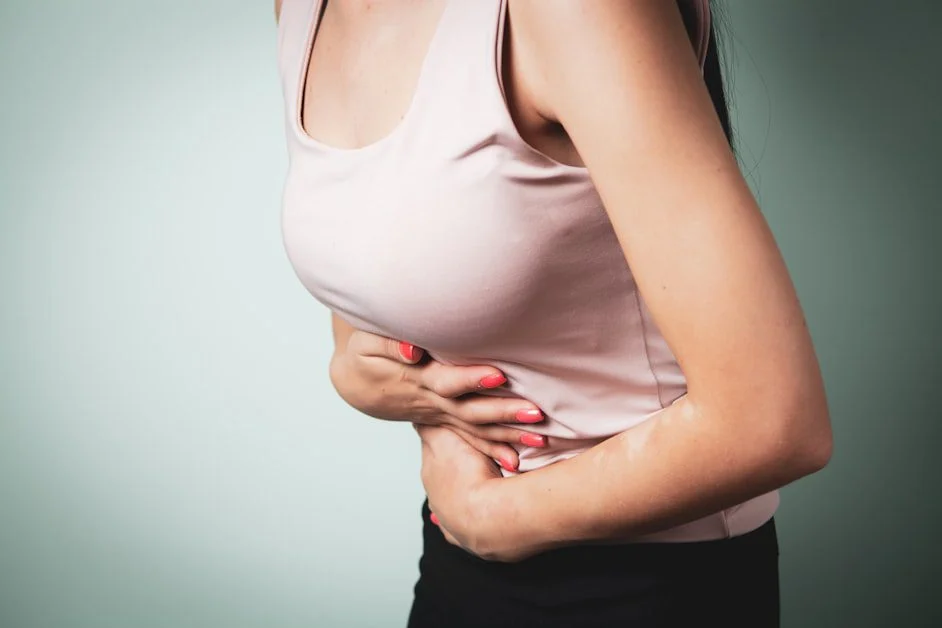
Understanding the timing helps you deploy the right foods that help with hormonal bloating at the right moment.
Ovulation (days 12 to 16): A brief estrogen peak can cause a short-lived bout of water retention and mild gut sensitivity for some women. This lasts one to two days and resolves quickly without intervention.
Early luteal (days 15 to 20): Progesterone rises, GI motility begins to slow. This is when the motility-bloat type starts. Prioritize prokinetic and fiber foods to keep transit time from stalling.
Late luteal (days 22 to 28): Both water bloat and motility bloat peak simultaneously. Aldosterone is at its highest, progesterone is falling, and constipation worsens as the colon’s progesterone-driven relaxation takes full effect. This is the most severe bloating window for most women.
Menstruation (days 1 to 5): Prostaglandins peak, causing inflammatory bloat and cramping. As progesterone and aldosterone fall, water bloat resolves quickly, but inflammatory gut symptoms often replace it.
Women with low progesterone experience more pronounced aldosterone rebound in the late luteal phase, while women with high prostaglandins (associated with estrogen dominance) experience more severe menstrual inflammatory bloat. Identifying your dominant pattern helps you target the most relevant foods that help with hormonal bloating.
12 Foods That Help With Hormonal Bloating

These twelve foods that help with hormonal bloating are organized by the mechanism they target, so you can choose based on your dominant bloat type.
1. Dandelion Greens and Root Tea
Best for: Water bloat (Type 1)
Dandelion is one of the most effective natural diuretics available through food. Unlike pharmaceutical diuretics, dandelion replaces potassium as it removes fluid, which is essential since aldosterone-driven water retention already shifts potassium-sodium balance in the wrong direction. Dandelion root tea (one to two cups daily in late luteal days 22 to 28) can reduce water retention by supporting kidney filtration without the electrolyte depletion of synthetic diuretics.
2. Fennel Seeds and Fennel Bulb
Best for: GI motility bloat (Type 2) and gas bloat (Type 3)
Fennel contains anethole, a compound that relaxes intestinal smooth muscle spasms while simultaneously reducing gas formation. This dual action makes it one of the best foods that help with hormonal bloating when progesterone has slowed transit and gas has accumulated as a result. Chewing half a teaspoon of fennel seeds after meals or drinking fennel tea addresses both the spasm and the gas that accompanies it. The fennel bulb eaten raw provides fiber that adds gentle bulk to stimulate sluggish peristalsis.
3. Ginger
Best for: GI motility bloat (Type 2) and inflammatory bloat (Type 4)
Ginger is a clinically documented prokinetic: it accelerates gastric emptying and increases antral contractions, directly counteracting progesterone’s slowing of GI motility. Research published by the National Institutes of Health confirms ginger’s effectiveness for accelerating gut transit in patients with delayed gastric emptying. It also inhibits prostaglandin synthesis through COX pathway modulation, making it effective for the inflammatory bloat of menstruation. Fresh ginger in hot water, ginger tea, or grated ginger on meals delivers the most bioactive gingerols.
4. Asparagus
Best for: Water bloat (Type 1)
Asparagus contains asparagine, an amino acid that acts as a natural diuretic by increasing urine output and flushing excess sodium. It is also exceptionally high in potassium (271 mg per 100g), which directly counteracts aldosterone-driven sodium retention. The prebiotic inulin fiber in asparagus also supports the gut microbiome, giving it a secondary benefit for gas and dysbiosis bloat. Asparagus works best when consumed in the three to four days before menstruation when water retention peaks.
5. Cucumber
Best for: Water bloat (Type 1)
Composed of about 95% water by USDA FoodData Central, cucumbers support the counter-intuitive but physiologically real principle that adequate hydration reduces water retention. When the body is dehydrated, it holds onto fluid more aggressively. Cucumbers also provide silica, a compound that supports connective tissue and has mild diuretic properties. Their low sodium content and high water volume make them one of the easiest foods that help with hormonal bloating driven by aldosterone during the late luteal phase.
6. Fermented Foods (Kefir, Kimchi, Sauerkraut)
Best for: Gas and dysbiosis bloat (Type 3)
The estrobolome, the collection of gut bacteria that metabolize and recirculate estrogen, directly shapes how much estrogen stays active in the body. An imbalanced estrobolome with excess beta-glucuronidase activity recirculates too much estrogen, worsening estrogen dominance and the gas bloat that accompanies it. Daily fermented food intake promotes Lactobacillus populations that reduce beta-glucuronidase activity, helping the gut clear excess estrogen more efficiently while reducing fermentation gas. Kefir and kimchi are the most studied for this mechanism.
7. Papaya
Best for: GI motility bloat (Type 2)
Papaya contains papain, a proteolytic enzyme that breaks down proteins efficiently in the small intestine, reducing the fermentation load that contributes to bloating further down the GI tract. It also provides a significant amount of soluble fiber that helps bulk and move stool without the gas-producing fermentation of some high-fiber vegetables. For women whose hormonal bloating involves constipation-type symptoms in the luteal phase, papaya eaten at breakfast provides digestive enzyme support that works within a few hours.
8. Banana
Best for: Water bloat (Type 1) and GI motility bloat (Type 2)
Bananas are one of the most practical foods that help with hormonal bloating because they simultaneously address two types. The potassium content (422 mg per medium banana) counteracts aldosterone-driven sodium retention for water bloat. The resistant starch in slightly underripe bananas feeds Bifidobacterium populations in the gut that promote motility without producing excessive gas. Fully ripe bananas are easier to digest and better for women with gut sensitivity, while slightly underripe bananas deliver more prebiotic benefit for motility.
9. Turmeric
Best for: Inflammatory bloat (Type 4)
Curcumin, turmeric’s active compound, inhibits NF-kB, the master inflammatory signaling pathway that prostaglandins activate. Multiple clinical trials confirm curcumin’s effectiveness for reducing IBS-related bloating, and its prostaglandin-dampening mechanism makes it especially relevant for menstrual inflammatory bloat. According to Mayo Clinic, curcumin shows anti-inflammatory properties relevant to digestive health. Bioavailability increases dramatically when turmeric is paired with black pepper (piperine). Adding half a teaspoon of turmeric to golden milk, curries, or soups in the three to five days before menstruation targets prostaglandin-driven bloat before it peaks.
10. Peppermint Tea
Best for: Gas and dysbiosis bloat (Type 3) and GI motility bloat (Type 2)
Peppermint’s active component, menthol, relaxes the smooth muscle of the lower esophageal sphincter and colon via calcium channel blockade, which directly reduces the gas pressure that causes bloating. This is the same mechanism behind enteric-coated peppermint oil, one of the few IBS treatments with strong clinical evidence. For women whose hormonal bloating involves trapped gas and gut spasms in the late luteal phase, peppermint tea (one to two cups in the afternoon or evening) provides targeted relief within 30 to 60 minutes.
11. Dark Leafy Greens (Spinach, Kale, Chard)
Best for: All 4 types
Dark leafy greens address all four types of hormonal bloating through complementary mechanisms. Magnesium supports gut motility by activating the muscular contractions progesterone has slowed. Potassium counteracts aldosterone-driven water retention. Folate supports liver estrogen detoxification, reducing estrogen dominance-driven gas and water bloat. Indole-3-carbinol from cruciferous greens (kale, chard) supports Phase II liver detoxification, pushing estrogen toward the less-proliferative 2-OH-E1 pathway. Women eating leafy greens daily throughout their luteal phase report consistently milder bloating because the magnesium-motility and potassium-diuresis effects work in parallel. For a deeper look at eating for the luteal phase, see the guide on the best foods to eat during the luteal phase.
12. Flaxseeds
Best for: Gas and dysbiosis bloat (Type 3) and estrogen-driven water bloat (Type 1)
Flaxseeds are uniquely positioned among foods that help with hormonal bloating because they address the root driver of estrogen-dominant bloating. The lignans in ground flaxseeds bind to estrogen receptors as weak phytoestrogens, competitively displacing more potent forms of estrogen and lowering overall estrogenic signaling. This directly reduces estrogen dominance-driven water retention and estrobolome dysbiosis. The soluble fiber in flaxseeds also binds to excess estrogen in the gut for excretion, preventing the estrogen recirculation that worsens both gas and water bloat. One to two tablespoons of freshly ground flaxseeds per day, added to yogurt, smoothies, or oatmeal, is sufficient to produce measurable hormonal effects within four to six weeks.
For women with clear estrogen dominance, pairing flaxseeds with the foods that increase progesterone naturally addresses both sides of the estrogen-progesterone imbalance that drives most hormonal bloating.
Foods That Worsen Hormonal Bloating

The foods that help with hormonal bloating are only part of the picture. Several common foods actively amplify hormonal bloating mechanisms:
High-sodium processed foods worsen aldosterone-driven water retention directly. Sodium attracts and holds water at the cellular level; eating salty foods in late luteal adds fuel to an already-active aldosterone spike.
Alcohol elevates estrogen levels by impairing hepatic estrogen metabolism, worsening both estrogen-dominant water bloat and estrobolome dysbiosis gas bloat.
Refined sugar and high-GI carbohydrates promote insulin spikes that increase aldosterone secretion, compounding sodium retention. Sugar also feeds gas-producing bacteria in the colon.
Dairy for some women: The progesterone-slowed gut of the luteal phase reduces lactase activity in some women, making dairy harder to digest and increasing gas production even in women who tolerate dairy well at other cycle phases.
Carbonated beverages introduce gas directly into the GI tract, worsening Type 3 gas bloat and amplifying the distension that slow motility has already created.
Women with histamine intolerance should also note that estrogen peaks promote mast cell degranulation and histamine release, which triggers intestinal inflammation. Fermented foods, while generally beneficial, can worsen histamine-sensitive bloating in this subgroup.
How to Use These Foods Across Your Cycle
Rather than eating the same foods year-round, targeting specific foods that help with hormonal bloating by cycle phase produces significantly better results.
Days 1 to 14 (follicular): Focus on gut microbiome diversity with fermented foods and a variety of prebiotic fiber sources. This is the window to rebuild the microbial diversity that supports the estrobolome before estrogen rises.
Days 15 to 21 (early luteal): Start prokinetic foods immediately as progesterone rises. Ginger, fennel, and papaya before GI motility fully slows keeps transit time from stalling. Continue fermented foods to maintain microbiome balance through hormonal shifts.
Days 22 to 28 (late luteal): Deploy full water-bloat protocol: asparagus, dandelion tea, cucumber, and banana daily. Limit sodium aggressively. Continue motility support with leafy greens and ginger. Reduce cruciferous vegetables if gas bloat is worsening (their fiber is beneficial but can increase fermentation gas in a slow gut).
Days 1 to 3 (menstruation): Shift emphasis to anti-inflammatory foods for prostaglandin-driven bloat. Turmeric, ginger, and omega-3-rich fish are the priorities. Water retention resolves naturally as aldosterone drops, so potassium-loading is less critical here.
Hormonal bloating belongs to the luteal phase, when progesterone holds fluid, and the menstrual cycle phases page shows where that phase sits and the tool that dates it.
Frequently Asked Questions
What are the best foods that help with hormonal bloating before a period?
The best foods that help with hormonal bloating in the week before menstruation target aldosterone-driven water retention and progesterone-slowed GI motility simultaneously. Asparagus, dandelion tea, banana, and cucumber address water bloat through potassium and natural diuresis. Fennel, ginger, and peppermint tea address motility-slowed gas bloat. Leafy greens do both via magnesium and potassium. Starting these three to four days before your expected period gives them time to work before symptoms peak.
Why does my bloating follow a monthly pattern?
Monthly-pattern bloating is almost always hormonal rather than dietary. The predictable hormonal shifts of the menstrual cycle: aldosterone peaking in late luteal, progesterone slowing the gut, estrogen modulating the microbiome, and prostaglandins triggering inflammation at menstruation, each produce distinct bloating patterns at specific cycle times. If your bloating reliably appears in the same cycle window each month, it is not random digestion issues; it is a hormonal mechanism that food choices can directly address.
Can bloating be a sign of estrogen dominance?
Estrogen dominance is a popular term rather than a clinical diagnosis, and no blood test defines it. The pattern it describes is real: bloating that tracks the second half of the cycle rather than what you ate that day. Excess estrogen worsens aldosterone activity (more water retention), disrupts the estrobolome (more gas-producing bacteria), and amplifies prostaglandin activity at menstruation (more inflammatory bloat). If your bloating is worse in the two weeks before menstruation and comes with breast tenderness, heavy periods and mood changes, that combination is worth taking to a doctor rather than managing with food alone, because heavy bleeding has causes that diet does not reach.
Does magnesium help with hormonal bloating?
Yes, particularly for motility-type bloating. Magnesium activates the muscular contractions of the colon and has a mild osmotic effect that draws water into the colon, softening stool and stimulating transit. For women whose luteal-phase bloating is driven by progesterone-slowed gut motility, magnesium from leafy greens, pumpkin seeds, and dark chocolate provides consistent relief. A magnesium supplement of 200 mg a day eased the fluid-retention symptoms of PMS, bloating among them, in the second cycle of a crossover trial.
Are there foods that help with hormonal bloating during perimenopause?
Yes, though the mechanisms shift. Perimenopause bloating is often driven by declining estrogen rather than the cyclic hormonal swings of the reproductive years. Declining estrogen slows gut motility directly (estrogen normally supports serotonin in the gut, which drives peristalsis). Fermented foods become even more important as the gut microbiome shifts with estrogen decline. Phytoestrogen-containing foods like flaxseeds and soy isoflavones can partially compensate for declining estrogen’s gut effects. Anti-inflammatory foods remain relevant because perimenopause is a pro-inflammatory state. The overall dietary approach for perimenopause bloating emphasizes microbiome diversity, anti-inflammatory focus, and consistent potassium intake more than cycle-phase timing.
Conclusion
The foods that help with hormonal bloating work best when matched to the specific type causing your symptoms. Water bloat from aldosterone responds to potassium and natural diuretics. GI motility bloat from progesterone responds to prokinetics like ginger, fennel, and papaya. Gas bloat from microbiome disruption responds to fermented foods and prebiotics. Inflammatory bloat from prostaglandins responds to curcumin, ginger, and omega-3s.
Most women experience a combination of types across the late luteal phase and menstruation. The most effective strategy is to build a foundation of leafy greens, fermented foods, and adequate potassium throughout the cycle, then add targeted foods specific to your dominant bloat type in the five to seven days before menstruation. This layered approach consistently outperforms generic anti-bloat diets that ignore the hormonal mechanisms entirely.
Medical disclaimer: The information in this article is for educational purposes only and does not constitute medical advice. Persistent or severe bloating may indicate conditions such as IBS, SIBO, or other gastrointestinal disorders requiring medical evaluation. Consult a qualified healthcare provider before making significant dietary changes or if bloating is accompanied by pain, significant changes in bowel habits, or other concerning symptoms.
Related Articles
- Foods That Increase Progesterone Naturally: 10 That Actually Work
- Best Foods to Reduce Cortisol in Women: 12 That Work
- Best Foods to Eat During the Luteal Phase: 12 That Actually Help
Sources
- NIH. National Institutes of Health.
- Mayo Clinic. Mayo Clinic.


