


The foods that lower cortisol in women target something most diet guides completely miss: the direct link between the HPA axis and the ovarian hormones. Cortisol does not operate in isolation in the female body. It competes with progesterone and estrogen for the same building blocks, disrupts the same signaling pathways, and responds to the same nutritional deficiencies. Eating the right foods is one of the most consistent, evidence-based ways to interrupt that cycle.
Most cortisol diet articles hand you a list of leafy greens and call it done. This guide on the best foods to reduce cortisol in women goes further. Each food below is explained by its mechanism, not just its reputation, and the eating strategy is adapted for the hormonal realities women face across the menstrual cycle and into perimenopause.
Why Cortisol Hits Women Differently

Women have a structurally different stress response than men, and food choices need to account for this. The HPA axis, which controls cortisol release, is directly wired to the HPO (hypothalamic-pituitary-ovarian) axis. When one is dysregulated, the other suffers.
The key mechanism is the pregnenolone steal. Pregnenolone is the master hormone precursor: the raw material your body uses to make progesterone, estrogen, DHEA, and cortisol. Under chronic stress, the adrenals prioritize cortisol production. That diverts pregnenolone away from sex hormone synthesis, which is why high-cortisol women often also show signs of low progesterone: mid-cycle spotting, short luteal phases, worsening PMS, and disrupted sleep.
The luteal phase (days 15 to 28 of the cycle) naturally amplifies stress reactivity. As progesterone drops in late luteal, allopregnanolone, a GABA-A calming neurosteroid derived from progesterone, falls with it. This removes a natural buffer against cortisol’s effects on the brain. Women in their luteal phase are measurably more cortisol-reactive than in their follicular phase, and this is when food choices matter most.
In perimenopause, the picture worsens. Estrogen normally buffers the HPA axis and promotes faster cortisol clearance. As estrogen declines, cortisol stays elevated longer after each stressor. This is why perimenopausal women often describe feeling wired and tired even without obvious lifestyle changes. Food cannot replace declining estrogen, but it can significantly reduce the burden on adrenals that have to compensate.
If you want to understand your full symptom picture first, read the guide on signs of high cortisol in women before adjusting your diet.
How Food Affects Cortisol: The Core Mechanisms
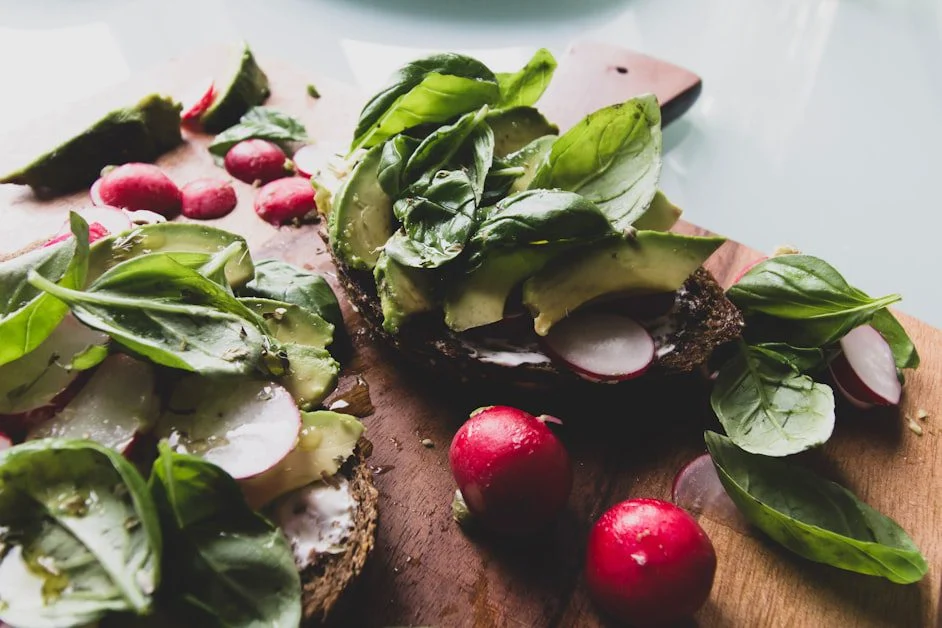
The best foods to reduce cortisol in women work through four primary pathways. Understanding these pathways explains why some foods make an immediate difference while others require consistency over weeks.
Blood sugar stability. Every blood sugar spike triggers a cortisol response. Your adrenals release cortisol to mobilize glucose when levels crash, which is why skipping meals, eating refined carbohydrates, or waiting too long between meals keeps the HPA axis in low-grade activation all day.
Adrenal nutrient support. The adrenal glands are among the most nutrient-hungry tissues in the body. Vitamin C, magnesium, B5, zinc, and sodium are all consumed rapidly during cortisol production. When these run low, the adrenals work harder and produce more cortisol per stressor.
Gut-brain-HPA axis signaling. The vagus nerve connects your gut microbiome to your brain, directly influencing cortisol output. A disrupted microbiome signals threat through inflammatory cytokines that activate the HPA axis. Prebiotic and probiotic foods help close this loop.
Neuroinflammation reduction. Chronic cortisol elevation promotes neuroinflammation, which in turn drives more cortisol release. Anti-inflammatory omega-3s and polyphenols interrupt this feedback loop at the brain level.
12 Best Foods to Reduce Cortisol in Women

The best foods to reduce cortisol in women share a common trait: they address one or more of the four pathways above. Here are twelve backed by the strongest evidence for female HPA regulation.
1. Fatty Fish (Salmon, Sardines, Mackerel)
Omega-3 fatty acids, specifically EPA and DHA, directly blunt the cortisol response by reducing CRH (corticotropin-releasing hormone) release from the hypothalamus. Research from the National Institutes of Health found that higher omega-3 blood levels correlated with significantly lower inflammatory markers and cortisol output. For women in the luteal phase, omega-3s also support prostaglandin balance, reducing the inflammatory component that amplifies HPA reactivity. Aim for two to three servings per week; sardines are especially cost-effective and high in both EPA/DHA and vitamin D.
2. Leafy Greens (Spinach, Kale, Swiss Chard)
Leafy greens are the most reliable dietary source of magnesium, and magnesium is the single most important mineral for HPA axis regulation. Magnesium acts as a physiological NMDA receptor antagonist, blocking one of cortisol’s key brain-activation pathways. It also directly inhibits ACTH (adrenocorticotropic hormone) release from the pituitary, which is the upstream signal that tells the adrenals to produce cortisol. Most women with high cortisol test low in magnesium, partly because cortisol itself depletes magnesium in a self-reinforcing cycle. If food sources feel insufficient, the guide to magnesium glycinate for sleep and anxiety covers supplementation in detail.
3. Avocado
Avocados provide three cortisol-relevant nutrients in one food: monounsaturated fats that support adrenal membrane integrity, potassium that helps regulate aldosterone (cortisol’s partner hormone in the stress response), and magnesium. The healthy fat content also slows gastric emptying, which stabilizes blood sugar and reduces the post-meal cortisol pulses that refined carbohydrates cause.
4. Dark Chocolate (70%+ Cacao)
Dark chocolate is one of the best foods to reduce cortisol in women who also want to address the magnesium deficit that cortisol creates. Cacao flavanols have a documented cortisol-blunting effect. In a two-week trial, 40 grams of dark chocolate a day lowered urinary cortisol in adults with high anxiety traits. The mechanism involves flavanol-driven BDNF upregulation, which supports the prefrontal cortex’s ability to modulate the amygdala’s stress response. Cacao is also a solid source of magnesium and PEA (phenylethylamine), which supports dopamine tone. Look for 70% cacao or higher to get meaningful flavanol levels without excess sugar.
5. Fermented Foods (Kefir, Kimchi, Sauerkraut, Yogurt)
The gut-brain axis runs directly through the vagus nerve, and fermented foods are the most direct dietary intervention for this pathway. A healthy microbiome produces short-chain fatty acids (SCFAs) that signal safety through vagal afferents to the hypothalamus, reducing baseline HPA tone. Fermented foods also produce GABA locally in the gut, and since the luteal phase already weakens GABA-A signaling, this gut-sourced GABA becomes especially relevant for women in days 20 to 28 of their cycle. For perimenopausal women with chronic cortisol dysregulation, daily fermented food intake is one of the most sustainable interventions available.
6. Berries (Blueberries, Strawberries, Raspberries)
Berries are among the highest dietary sources of vitamin C per calorie, and vitamin C is a direct adrenal cofactor. The adrenal glands contain one of the highest concentrations of vitamin C of any tissue in the body; they consume it rapidly during cortisol synthesis. Adequate vitamin C has been shown to blunt both salivary cortisol and blood pressure responses to acute stress. Berries also provide anthocyanins that reduce neuroinflammation, cutting the inflammation-cortisol feedback loop at its source.
7. Eggs
Among the best foods to reduce cortisol in women who exercise regularly, eggs stand out for their phosphatidylserine content. Egg yolks are one of the few dietary sources of phosphatidylserine (PS), a phospholipid that directly blunts ACTH release from the pituitary. In a trial in healthy men, 800 mg of phosphatidylserine a day for ten days blunted the ACTH and cortisol response to exercise, though that is a supplement amount, well beyond what eggs supply. Eggs also provide choline, which supports the acetylcholinergic nervous system, the parasympathetic branch that cortisol suppresses. For women with active lifestyles, where exercise-induced cortisol spikes are a concern, eggs before or after training provide targeted adrenal protection.
8. Pumpkin Seeds
Pumpkin seeds are a concentrated source of both zinc and magnesium, two minerals that cortisol actively depletes. One ounce of pumpkin seeds provides around 2.2 mg of zinc and roughly 37% of the daily magnesium target by USDA FoodData Central. They also contain tryptophan, the serotonin precursor, which supports mood stability in the luteal phase when cortisol-driven serotonin depletion peaks.
9. Green Tea
Green tea contains L-theanine, an amino acid that promotes alpha-wave brain activity and reduces the cortisol response to stress without causing drowsiness. Unlike coffee, green tea delivers a gentler caffeine dose paired with L-theanine’s calming effect, which smooths the cortisol awakening response rather than amplifying it. The EGCG polyphenols in green tea also inhibit 11-beta-HSD1, the enzyme that reactivates cortisol in peripheral tissues, providing a second mechanism for reducing effective cortisol exposure at the cellular level.
10. Oats and Whole Grains
Blood sugar stability is cortisol stability. Oats, brown rice, quinoa, and other whole grains provide slow-release glucose that prevents the blood sugar crashes that trigger adrenal cortisol pulses. Beta-glucan in oats also acts as a prebiotic, feeding the gut bacteria that produce cortisol-calming SCFAs. For women with insulin resistance, which commonly co-occurs with high cortisol, the fiber-rich whole grain option is preferable to refined alternatives that worsen the cortisol-insulin loop.
11. Ashwagandha
Ashwagandha is regularly cited as one of the best foods to reduce cortisol in women, though it functions more as an adaptogenic herb than a whole food. Ashwagandha (KSM-66 extract) is the most well-studied adaptogen for HPA axis regulation. The two best double-blind trials showed cortisol down 27.9% in a 60-day trial in the Indian Journal of Psychological Medicine and 23% in a 60-day trial in Medicine. It works by reducing CRH at the hypothalamus and normalizing ACTH output from the pituitary. For women, ashwagandha also supports thyroid function and has been shown to improve DHEA-S levels, partially addressing the pregnenolone steal effect. The guide to ashwagandha benefits for stress and anxiety covers dosing and timing in full.
12. Extra-Virgin Olive Oil
Extra-virgin olive oil provides oleocanthal, a natural COX-1 and COX-2 inhibitor that reduces inflammatory prostaglandin synthesis in a way similar to ibuprofen. Since neuroinflammation is one of the key drivers of chronic HPA activation, daily olive oil use addresses cortisol at its upstream source. The monounsaturated fats in olive oil also support adrenal membrane integrity, making it a complementary partner to avocado in a cortisol-reduction diet.
When to Eat: Cortisol Timing for Women

Choosing the best foods to reduce cortisol in women is only half the work. The timing of what you eat matters as much as what you eat. Cortisol follows a diurnal curve: it peaks within 30 to 45 minutes of waking (the cortisol awakening response), then gradually declines through the day, reaching its lowest point around midnight.
Morning (within 90 minutes of waking): A protein-rich breakfast stabilizes blood sugar and prevents the CAR from extending into a prolonged cortisol spike. Eggs, Greek yogurt with berries, or a salmon-based meal are ideal. Delay coffee by at least 90 minutes after waking to avoid amplifying the natural CAR with caffeine.
Midday: Focus on leafy greens, healthy fats, and lean protein. Avoid refined carbohydrates at lunch, as the resulting blood sugar crash in the mid-afternoon coincides with a natural secondary cortisol peak that refined carbs worsen.
Evening: Tryptophan-containing foods (pumpkin seeds, eggs, oats, turkey) support serotonin-to-melatonin conversion. Magnesium-rich foods help the nervous system shift from sympathetic to parasympathetic. This timing is especially important in the luteal phase, when GABA-A sensitivity drops and evening anxiety rises.
For more on daily lifestyle timing for cortisol, see the full guide to daily habits that reduce cortisol naturally.
Foods That Raise Cortisol: What to Limit
Knowing the best foods to reduce cortisol in women means also knowing what actively blocks their effect. Reducing cortisol is only half the equation. Several common dietary patterns actively keep it elevated:
Refined sugar and high-GI carbohydrates trigger rapid blood glucose spikes followed by crashes that demand adrenal cortisol release. In women with insulin resistance, this cycle is more pronounced and harder to break without deliberate dietary intervention.
Excess caffeine or caffeine at the wrong time amplifies the cortisol awakening response and delays its natural afternoon decline. More than two cups of coffee per day consistently raises cortisol, particularly when consumed in the afternoon when the curve should be descending.
Alcohol disrupts both deep sleep and morning cortisol regulation, elevating the next-day CAR and reducing the efficiency of nighttime cortisol clearance.
Ultra-processed foods promote gut dysbiosis, which signals chronic threat through the gut-brain axis and keeps baseline HPA tone elevated even in the absence of psychological stress.
Skipping meals is one of the most overlooked cortisol triggers. Going more than four to five hours without eating forces the adrenals to release cortisol to mobilize glucose, regardless of how calm the rest of your day feels.
Cycle-Phase Cortisol Eating Guide
The best foods to reduce cortisol in women shift in priority depending on where you are in your menstrual cycle. Cortisol management is not the same across the menstrual cycle, and adjusting by phase gives you a real advantage over generic diet advice.
Follicular phase (days 1 to 14): Estrogen rises, which improves HPA buffering and cortisol clearance. This is the phase where cortisol is easiest to manage. Focus on building adrenal reserves with magnesium, zinc, and vitamin C-rich foods. The body also responds better to higher-intensity exercise without the same cortisol penalty that occurs in the luteal phase.
Luteal phase (days 15 to 28): Progesterone peaks then drops, GABA-A sensitivity falls, and cortisol reactivity increases. This is when cortisol-elevating foods cause the most damage. Prioritize fermented foods for gut-sourced GABA, magnesium-rich leafy greens at every meal, and anti-inflammatory omega-3s. Reduce caffeine and avoid long gaps between meals entirely, as hypoglycemia in the luteal phase triggers a disproportionately large cortisol spike compared to the follicular phase.
If you are noticing changes in your cycle or new sensitivity to stress, the full guide on high cortisol signs in women explains how to distinguish cortisol-driven symptoms from other hormonal patterns.
Cortisol does not move with the cycle the way estrogen and progesterone do, but the phases change how its effects feel; the menstrual cycle phases page lays the two out side by side.
Frequently Asked Questions
What is the single best food to reduce cortisol in women?
When narrowing down the best foods to reduce cortisol in women to one, fatty fish is the most consistently evidence-backed choice for cortisol reduction. According to Mayo Clinic, dietary patterns that reduce inflammation are among the most sustainable approaches to long-term cortisol management. The EPA and DHA in salmon, sardines, and mackerel directly reduce CRH output from the hypothalamus, blunting the cortisol response upstream before it reaches the adrenals. Two to three servings per week is sufficient to see measurable effects on inflammatory markers within four to six weeks.
Can eating certain foods lower cortisol quickly?
Some foods have acute effects, though none work as rapidly as pharmaceutical interventions. Dark chocolate with a high cacao content and L-theanine from green tea are the two with any evidence of a same-day effect, and it is small. Blood sugar stabilization through protein and fat eaten alongside carbohydrates prevents the adrenal cortisol surge that follows a glucose crash, which kicks in within one to two hours of eating.
Why do women experience high cortisol more than men?
Women are not inherently more stressed, but their cortisol systems are more hormonally interconnected, which is precisely why the best foods to reduce cortisol in women differ from generic stress-diet advice. The HPA-ovarian axis linkage means cortisol and sex hormones compete for shared precursors. Women also have a longer cortisol response to acute stress than men, meaning cortisol stays elevated longer after the same stressor. Estrogen buffers the HPA axis, so as estrogen declines in perimenopause, cortisol dysregulation becomes significantly more common.
Is magnesium the most important mineral for cortisol in women?
For women specifically, yes. Magnesium inhibits ACTH release, blocks NMDA-mediated cortisol brain pathways, and supports the GABA system that the luteal phase weakens. It is also the mineral most depleted by cortisol itself, creating a reinforcing deficit. Most women consume well below the 310 to 320 mg daily requirement. Leafy greens, pumpkin seeds, dark chocolate, and avocado are the best dietary sources.
Should I change my diet during my luteal phase to lower cortisol?
Yes. The best foods to reduce cortisol in women look different in the luteal phase than in the follicular phase. The luteal phase raises cortisol reactivity because of falling allopregnanolone, a GABA-A neurosteroid derived from progesterone. During this phase, increase fermented foods for gut-sourced GABA support, prioritize magnesium-rich foods at every meal, reduce caffeine, and eliminate long gaps between meals. This phase-specific approach significantly outperforms a static cortisol diet that ignores where you are in your cycle.
Conclusion
The best foods to reduce cortisol in women are not a simple list of stress-busters. They are targeted interventions that work through specific mechanisms: blunting ACTH upstream, replenishing adrenal nutrients that cortisol depletes, supporting the gut-brain vagal pathway, and stabilizing the blood sugar cycle that keeps the HPA axis in low-grade activation all day.
For women, the hormonal layer matters. Adjusting your diet around the pregnenolone steal, the luteal-phase GABA-A shift, and the perimenopause-related decline in HPA buffering gives you a meaningful edge that generic cortisol diet advice cannot provide. Start with the foundational changes: fatty fish twice a week, leafy greens daily, whole grains over refined carbohydrates, and fermented foods every day. Build from there.
Medical disclaimer: The information in this article is for educational purposes only and does not constitute medical advice. Chronically elevated cortisol can have serious health consequences, including adrenal disorders that require medical diagnosis. Consult a qualified healthcare provider before making significant dietary changes, especially if you have a diagnosed hormonal condition.
Related Articles
- Signs of High Cortisol in Women: 9 Symptoms Doctors Rarely Connect
- Foods That Reduce Estrogen Dominance: 12 That Work by Mechanism
- Foods That Help With Hormonal Bloating: 12 That Work
Sources
- NIH. National Institutes of Health.
- Mayo Clinic. Mayo Clinic.


