


Learning how to lose weight after quitting smoking is a challenge millions of people face every year. The cruel irony is that quitting one of the worst things you can do for your health often leads to gaining weight, which then becomes a reason people start smoking again. It doesn’t have to go that way. With the right approach, you can quit smoking and manage your weight at the same time.
A meta-analysis in the BMJ puts the average gain at 4 to 5 kg, about 10 pounds, in the first year, most of it in the first three months; 16 percent of quitters lost weight, and 13 percent gained more than 10 kg. Those numbers aren’t destiny. They describe what happens when people quit without a plan.
This guide gives you the plan. You’ll understand exactly why weight gain happens, what to eat, how to move, and how to restructure your habits so you come out of this healthier in every way.
Why Quitting Smoking Causes Weight Gain

To lose weight after quitting smoking, you first need to understand what’s working against you. Nicotine is a powerful metabolic drug. It suppresses appetite, increases resting metabolic rate, and activates dopamine pathways that reduce the urge to eat. When you remove it, several things happen simultaneously:
Your metabolism slows: Nicotine raises your resting energy expenditure. When you quit, that boost disappears and your body burns fewer calories at rest, often by 100 to 200 calories per day.
You eat more: Intake rises in the first months after quitting, which is why most of the first year of gain lands in the first three months. Your appetite returns, food tastes better, and oral cravings drive snacking.
Water retention spikes: Three to five pounds of the initial weight gain after quitting is simply water retention as your body rehydrates and inflammation decreases. This is temporary.
You replace the habit: Smoking occupied hands and mouth. Without it, many people unconsciously reach for food, especially sweet or salty snacks, to fill that void.
The good news: 16 percent of people actually lose weight after quitting. The difference is usually a plan.
How to Lose Weight After Quitting Smoking: The Core Strategy
The most important rule is this: don’t try to lose weight aggressively in the first two to four weeks after quitting. Your brain is under enormous stress managing nicotine withdrawal. Adding severe calorie restriction on top creates too much deprivation and dramatically increases relapse risk.
Instead, use a two-phase approach:
Phase 1 (weeks 1 to 4): Focus entirely on quitting. Eat well, don’t binge, but don’t restrict aggressively. Your only goal is staying smoke-free. A few pounds gained now is infinitely better than relapsing. In a trial in weight-concerned women, those who got cognitive-behavioural counselling for the weight worry alongside cessation were still abstinent at a year 21 percent of the time against 9 percent with standard treatment, and gained less weight. Managing both simultaneously works, but only with structure.
Phase 2 (weeks 5 onward): Once the worst withdrawal is behind you, shift focus to weight management. Your nicotine cravings have reduced significantly, and you have mental bandwidth to address food and exercise. This is when you implement the strategies below.
What to Eat to Avoid Post-Smoking Weight Gain

Your eating strategy after quitting has one primary goal: replace the calorie-burning, appetite-suppressing effects of nicotine through food choices rather than willpower alone.
Protein at every meal: Protein is the most satiating macronutrient. It directly replaces the appetite-suppressing effect of nicotine. Aim for 30 to 40 grams per meal: eggs, Greek yogurt, chicken, fish, lentils, cottage cheese. People who eat high-protein breakfasts consume 400 fewer calories over the day compared to those who eat low-protein breakfasts.
Volume eating with vegetables: Fill half your plate with vegetables at every meal. They provide bulk, fiber, and satisfaction without many calories. This directly counters the increased appetite that follows quitting.
Strategic snacks: Oral cravings are real after quitting. Plan for them instead of being ambushed. Keep celery sticks, baby carrots, sugar-free gum, sunflower seeds (in shell), and herbal tea available. These keep your hands and mouth busy without adding significant calories.
Cut liquid calories: Many former smokers unconsciously shift to sugary drinks. Soda, juice, sweetened coffee drinks, and alcohol are calorie-dense and provide no satiety. Water, sparkling water, and unsweetened tea are your go-to drinks.
Don’t skip meals: Skipping meals backfires. Long gaps between eating intensify cravings for both food and cigarettes, as both involve similar dopamine pathways. Eat every three to four hours.
Exercise Strategy for Former Smokers
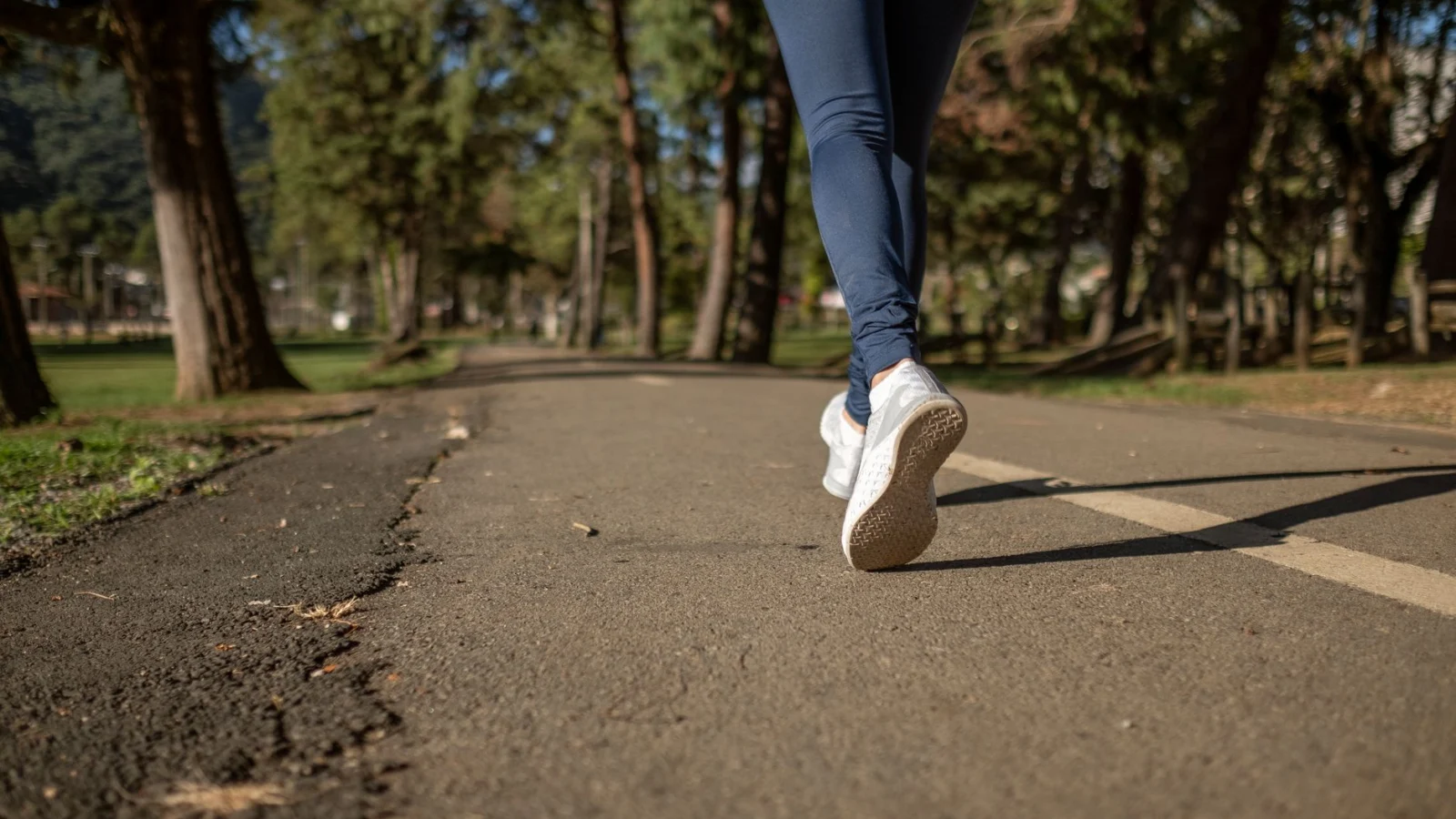
Exercise is the single most powerful tool you have for managing weight after quitting smoking. It directly replaces the metabolic boost that nicotine provided and – vitally – it also reduces cigarette cravings. Multiple studies show that even short bouts of exercise significantly reduce the intensity of nicotine cravings for up to 30 minutes after activity.
Start walking immediately: Even in week one of quitting, get outside and walk for 20 to 30 minutes daily. Walking is low-stress enough that it won’t overwhelm withdrawal, and it burns calories, reduces cravings, and improves mood through the same dopamine pathways that cigarettes used to activate.
Build to 150 minutes per week: The CDC recommends 150 minutes of moderate activity weekly for weight management. For former smokers, this is especially important because it compensates for the metabolic slowdown from nicotine withdrawal.
Add strength training: Building muscle raises your resting metabolic rate, directly replacing the calorie-burning effect that nicotine provided. Two to three sessions per week of bodyweight exercises, resistance bands, or weights make a measurable difference. Squats, push-ups, lunges, and rows require no gym membership.
Use exercise as a craving interrupt: When a cigarette craving hits, do 10 minutes of vigorous movement instead. Jumping jacks, a brisk walk, or even climbing stairs. The craving will pass, you’ll burn calories, and you’ll associate the relief with movement rather than smoking.
Breaking the Oral and Hand Habits

A significant portion of post-cessation weight gain comes from replacing the physical ritual of smoking with eating. Addressing this directly is essential.
Keep hands busy: Fidget tools, stress balls, a pen to click, or even a toothpick can occupy the hand that used to hold a cigarette. This sounds small but makes a real difference in the first weeks.
Oral substitutes: Sugar-free gum, cinnamon sticks, herbal tea with a straw, sunflower seeds in the shell (peeling them is slow enough to satisfy the ritual), and flavored sparkling water all help manage oral cravings without caloric cost.
Identify your trigger situations: Most people smoke in specific situations: after meals, with coffee, when stressed, when driving. Map your triggers and plan a non-food response to each. After meals: take a walk. With coffee: drink it somewhere new without the smoking association. When stressed: practice 4-7-8 breathing (inhale 4 counts, hold 7, exhale 8).
Nicotine Replacement and Weight
An important finding from research: nicotine replacement therapy (patches, gum, lozenges) and prescription medications like varenicline and bupropion do not prevent post-cessation weight gain long-term. They can delay it during active use, but weight management ultimately requires lifestyle changes.
That said, nicotine replacement does make quitting easier, which gives you mental space to manage your eating. Using NRT while implementing the dietary and exercise strategies above is a valid approach, as supported by NIH cessation guidelines. The key is not relying on NRT as your only weight management tool.
If you’re using nicotine gum, be aware that it contains calories and can become a crutch. Use it strategically for cravings rather than habitually throughout the day.
Setting Realistic Expectations
The average weight gain after quitting smoking is 5 pounds, much of it water weight in the first few weeks. With a structured eating and exercise plan, you can stay within this range or avoid net gain entirely. Aiming for weight loss during the first month of quitting is usually counterproductive. Instead, aim to maintain your current weight in month one, then gradually lose through the strategies above from month two onward.
Your long-term health math is clear: even if you gain 10 pounds after quitting, the health benefits of not smoking outweigh the risks of that weight gain by an enormous margin. Smoking increases the risk of heart disease, stroke, and lung cancer far more than 10 pounds of extra weight. Quit first. Then lose the weight. You’re playing a long game, and you’re winning by quitting.
A few kilograms gained after quitting can still leave you inside the healthy range; how much you should weigh shows that range for your height so the decision to lose is made against the numbers, not the worry.
Frequently Asked Questions
How much weight do most people gain after quitting smoking?
The average weight gain after quitting smoking is around 5 pounds (2.3 kg), mostly occurring in the first three months. However, 13 percent of people gain more than 22 pounds over eight years, while 16 percent actually lose weight after quitting. The difference lies largely in whether you have a food and exercise strategy in place before you quit. Without a plan, the metabolic slowdown and increased appetite from nicotine withdrawal can easily lead to significant weight gain over months and years.
How long does post-quitting weight gain last?
Most of the weight gain happens in the first six months after quitting, with the most rapid gain in the first three months when nicotine withdrawal is sharpest and appetite increases most dramatically. After six months, weight typically stabilizes. With active dietary management and exercise, many former smokers return to their pre-quitting weight within one to two years. The three to five pounds of water weight gained in the first few weeks usually drops on its own within a month as your body rehydrates normally.
Does exercise really reduce cigarette cravings?
Yes, and the evidence is solid. Multiple controlled studies show that even a single 10 to 15 minute bout of moderate exercise significantly reduces the intensity and frequency of cigarette cravings for 30 to 50 minutes afterward. The mechanism is dopamine: exercise activates the same reward pathways that nicotine used. This makes exercise uniquely powerful for former smokers, as it simultaneously manages weight and directly treats cravings. Walking is the most accessible and research-supported form, requiring no equipment and producing immediate craving-reduction effects.
What foods should I avoid after quitting smoking?
The main foods to limit after quitting are ultra-processed snacks, sugary drinks, alcohol, and anything you’ve associated with smoking rituals. Sugar and processed carbohydrates spike blood sugar and trigger dopamine responses similar to nicotine, making them especially addictive for people in nicotine withdrawal. Alcohol lowers inhibitions and dramatically increases cigarette cravings, especially in the first months after quitting. Replacing these with protein-rich whole foods, vegetables, and high-fiber snacks gives you the satiety and stable blood sugar that makes staying both smoke-free and weight-stable much easier.
Can I quit smoking and lose weight at the same time?
Yes, but timing matters. Trying to aggressively restrict calories in the first two weeks of quitting significantly increases relapse risk because both efforts deplete willpower and create stress. The most successful approach is to focus on quitting first while eating sensibly, then introduce structured weight loss strategies from week five onward. Research confirms that structured behavioral programs combining cessation support with weight management guidance produce better outcomes on both fronts than tackling either alone. The key is sequential prioritization: quit first, then optimize weight.
Conclusion
Weight gain after quitting smoking is common but not inevitable. Understanding that nicotine suppresses appetite and metabolism, and that those effects reverse when you quit, lets you plan proactively rather than react in frustration. The strategies that work best are increasing protein intake, adding daily movement, planning for oral and hand cravings, and giving yourself a realistic two-phase timeline.
Quitting smoking is one of the best decisions you’ll ever make for your health. Gaining a few pounds in the process doesn’t undo that. With the right strategies, you can lose weight after quitting smoking and come out the other side healthier than you’ve been in years.
For related guidance, read our articles on how to lose weight with hypothyroidism using meal plans, how to lose belly fat without exercise, and the best anti-inflammatory foods to support your overall health transformation.
Medical Disclaimer: This content is for informational purposes only and does not constitute medical advice. Consult a qualified healthcare provider before making any health decisions.
Related Articles
- How to Lose Weight After 40 for Women Without Starving
- How to Lose Weight After Menopause Naturally
- How to Lose Weight While on Birth Control: A Hormone Guide


