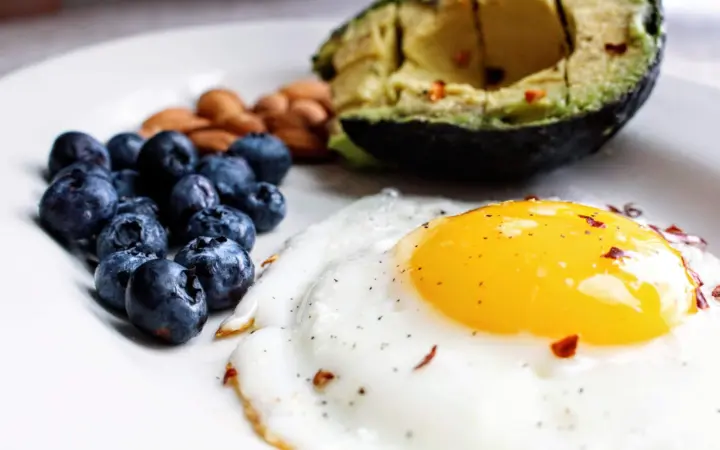


The best foods to eat during ovulation are not just fertility foods. They are foods that support the most hormonally complex 48-hour window in the menstrual cycle, a window that affects progesterone production, luteal phase quality, and PMS severity for every woman, whether or not she is trying to conceive. Understanding what to eat during ovulation, and why each food works at the molecular level, gives you a different kind of control over your hormonal health throughout the entire cycle.
Ovulation occurs on roughly day 14 of a 28-day cycle, triggered by a luteinizing hormone (LH) surge. Estrogen peaks just before ovulation, testosterone briefly rises, and then the corpus luteum forms and begins producing progesterone. Whether ovulation actually happens, and how well the corpus luteum forms afterward, is directly influenced by the nutritional environment your body has been building for months.
Best Foods to Eat During Ovulation: The Hormonal Context
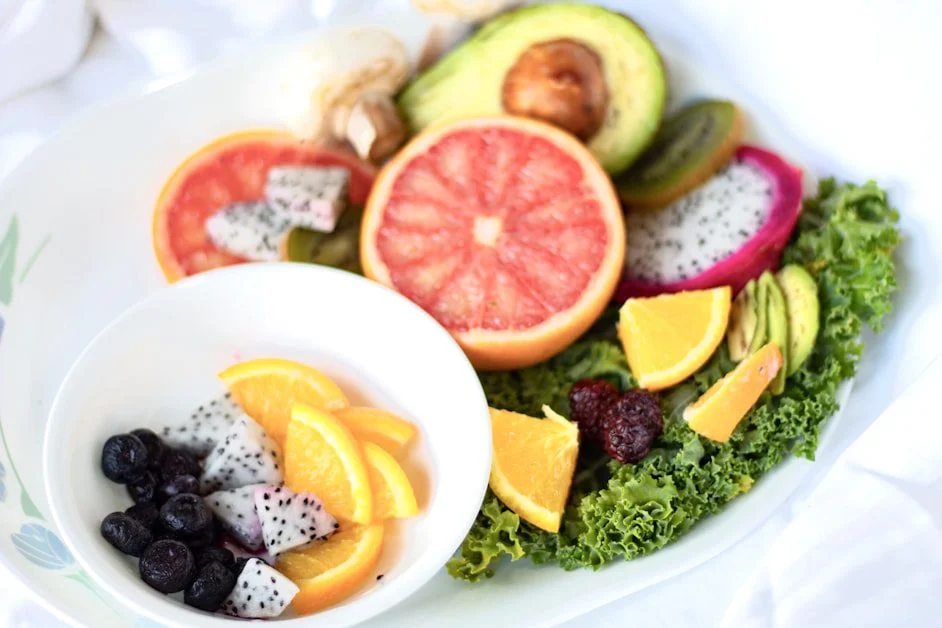
The ovulatory phase is the shortest phase of the cycle, lasting just 24 to 48 hours. But its hormonal signature is the most dramatic: estrogen peaks to its highest point of the cycle, luteinizing hormone surges to trigger egg release, and testosterone rises briefly, which is what drives the characteristic energy, confidence, and libido increase many women notice at midcycle.
The best foods to eat during ovulation serve four specific functions: supporting the LH surge itself, managing peak estrogen clearance, protecting the oocyte from oxidative stress at the moment of release, and building the nutritional substrate for the corpus luteum that will produce progesterone in the days that follow.
This is also the reason that the best foods to eat during ovulation matter far beyond fertility. If ovulation is anovulatory (the LH surge occurs but no egg is released, which becomes increasingly common in perimenopause), no corpus luteum forms. No corpus luteum means no progesterone rise in the luteal phase. Low luteal progesterone means worse PMS, worse GABA-A withdrawal, heavier periods, and increased estrogen dominance symptoms. The luteal phase is only as good as the ovulation that precedes it.
The 90-Day Egg Quality Window
The most common misconception about ovulation nutrition is that what you eat in the 48 hours around ovulation is what determines egg quality. It does not. Egg quality is determined during folliculogenesis, the 90-day maturation process that begins three months before an egg is released.
During folliculogenesis, the developing oocyte is enclosed in a follicle that is progressively exposed to oxidative stress. Free radicals damage mitochondrial DNA within the egg. A 2021 review in Nutrients confirmed that antioxidant nutrients, particularly glutathione, vitamin C, and CoQ10, are critical during this maturation window, not just at ovulation itself. Chromosomal errors in eggs occur most frequently in the days just before ovulation, during the final maturation burst, when energy demands on the oocyte mitochondria are highest.
The practical implication: the best foods to eat during ovulation are foods you should be eating consistently throughout the follicular phase as well. Antioxidant-rich eating in the weeks before ovulation has more impact on egg quality than anything you eat in the 48-hour ovulation window. This is why the follicular phase diet is the nutritional foundation for ovulation quality.
Zinc: The LH Surge Activator
Zinc is the most underappreciated ovulation nutrient. It is required for LH receptor function in granulosa cells, the cells surrounding the developing egg. Without adequate zinc, granulosa cells cannot respond properly to the LH surge, which can result in delayed ovulation, incomplete follicle rupture, or anovulation.
Research published in the Journal of Reproductive Medicine found that zinc-deficient women had significantly lower LH levels and impaired ovulatory response compared to zinc-sufficient controls. Zinc also supports the formation and progesterone-secreting function of the corpus luteum, the structure that forms from the follicle after egg release and produces the progesterone that drives the luteal phase.
Highest zinc foods:
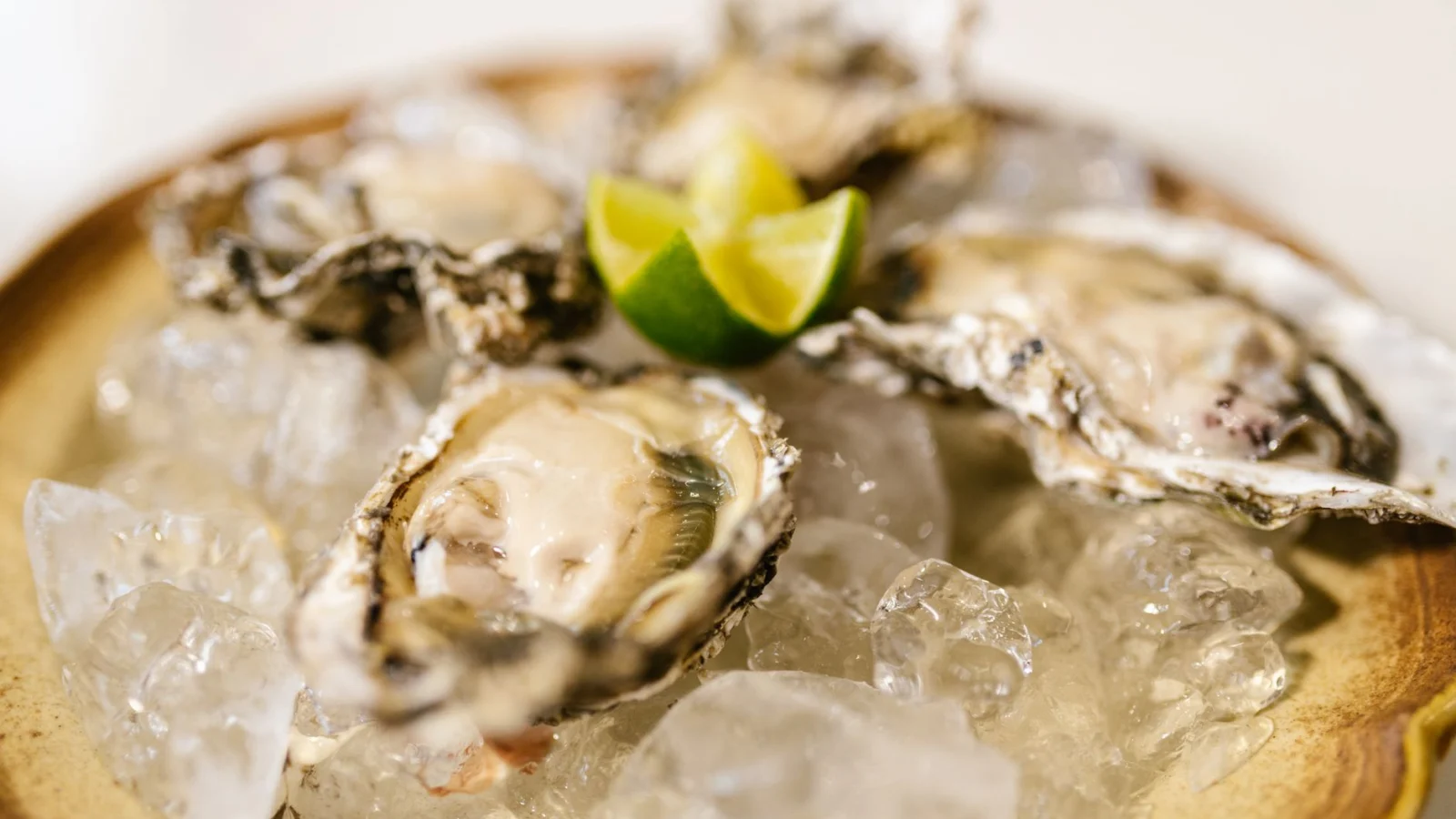
Oysters: The most zinc-dense food available (28mg per 3 ounces), far exceeding any plant source. Even two to three oysters provide the full daily requirement for zinc. Also supply iodine for thyroid function, which directly influences ovulation regularity.
Beef (dark meat cuts): Heme zinc, which absorbs at 40 percent efficiency versus 10 to 15 percent for plant-based zinc. Grass-fed beef also supplies CoQ10 in small amounts, which supports mitochondrial energy production in the oocyte.
Pumpkin seeds: 2.2mg of zinc per ounce, plus magnesium, vitamin E, and omega-3 ALA. The zinc-magnesium combination is relevant here because magnesium supports the enzymatic conversion steps in steroidogenesis, the pathway that produces both estrogen and progesterone.
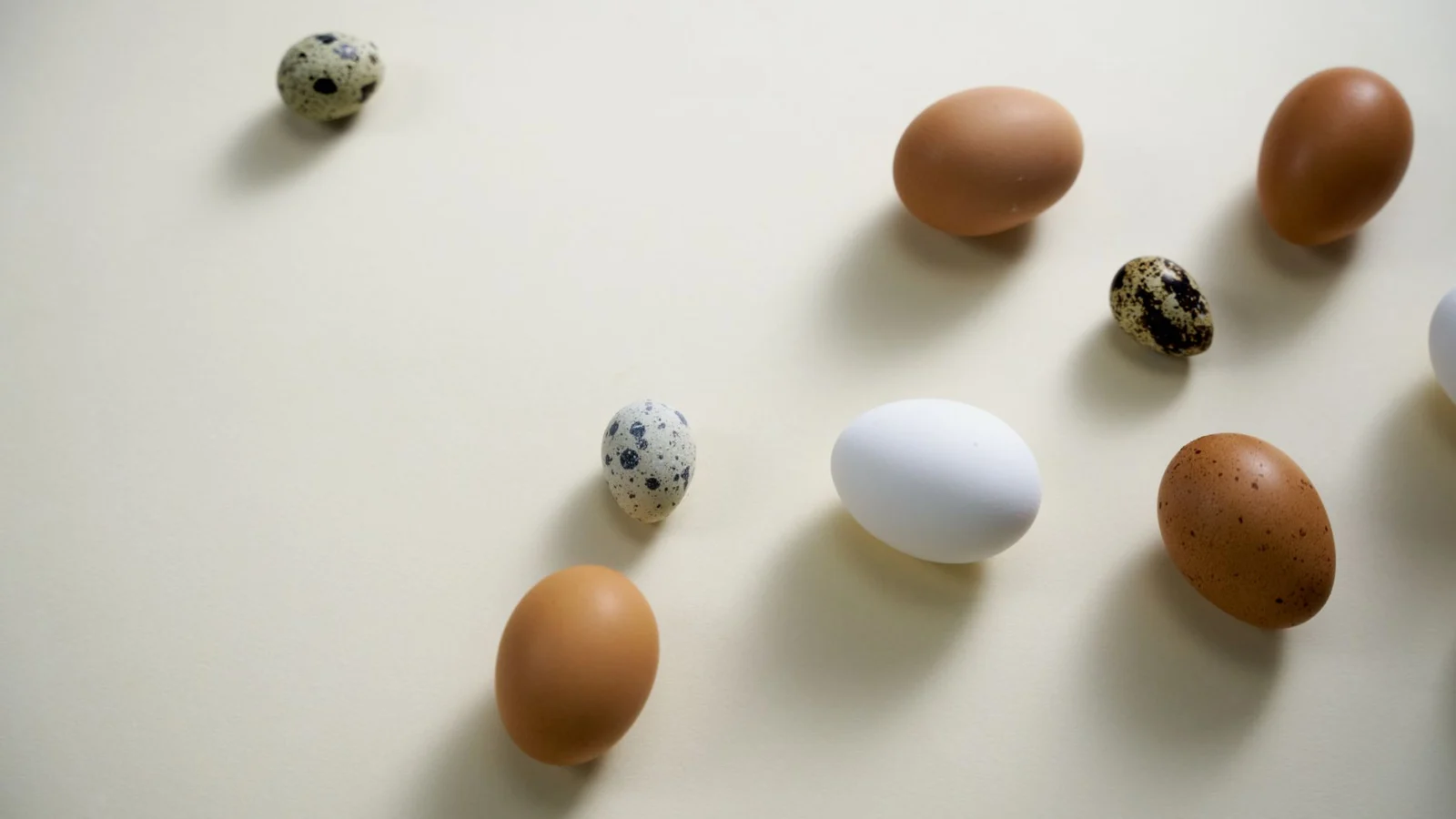
Eggs: Complete protein plus zinc, B vitamins, and choline. Choline is specifically relevant to ovulation because it supports the phospholipid membrane structure of the oocyte. A study published in Nutrients found that choline intake in the periconceptional period correlated with improved oocyte maturation markers and downstream embryo quality.
Antioxidant Foods: Protecting the Oocyte at Release
At the moment of ovulation, the energy demands on the oocyte’s mitochondria spike dramatically. This energy burst, required for the final maturation divisions (meiosis I and II), generates reactive oxygen species as a byproduct. Antioxidant nutrients are the cellular defense against this oxidative damage.
Glutathione precursor foods: Glutathione is the primary intracellular antioxidant in the oocyte. The body synthesizes it from three amino acids: cysteine, glutamine, and glycine. Cysteine is the rate-limiting precursor. Foods highest in cysteine include eggs (particularly egg whites), garlic, onions, broccoli, and Brussels sprouts. The sulfur compounds in garlic and onions (allicin, diallyl disulfide) specifically upregulate glutathione synthesis enzymes. Heat destroys much of the allicin, so add raw garlic or lightly cooked garlic at the end of cooking.
Vitamin C foods: Vitamin C is found in extraordinarily high concentrations inside the oocyte cytosol, far higher than in surrounding blood. It serves as the first-line antioxidant at the follicular level and helps regenerate oxidized vitamin E. Bell peppers (190mg per cup), kiwi (71mg), broccoli (81mg per cup), and strawberries (89mg per cup) are the highest food sources. A 2003 study in Fertility and Sterility found that women with luteal phase defects who supplemented with vitamin C showed significantly improved progesterone levels in the luteal phase, suggesting that oocyte vitamin C status at ovulation predicts corpus luteum function.
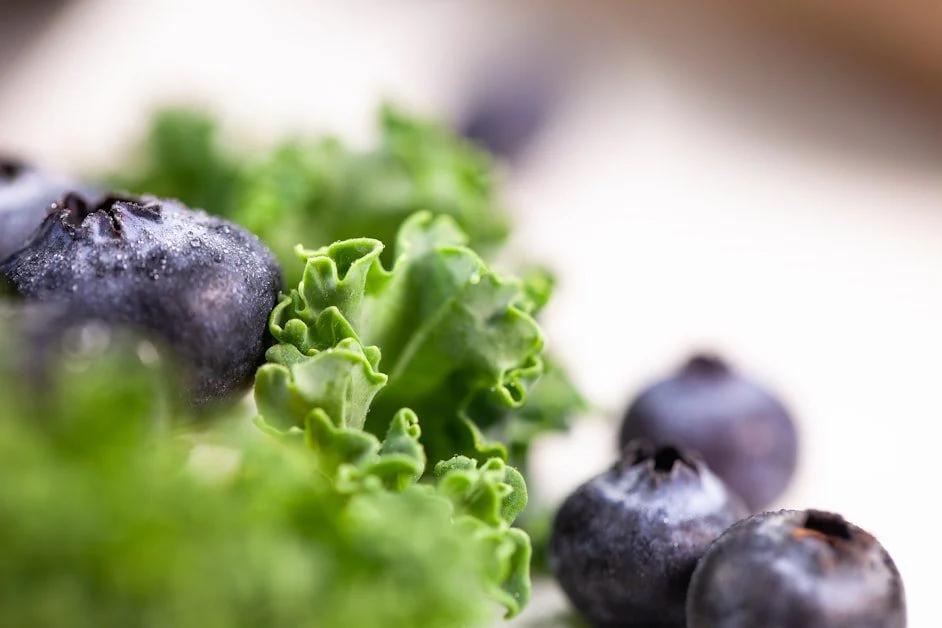
Berries: Blueberries, raspberries, and strawberries supply flavonoids and polyphenols that cross the blood-follicle barrier and accumulate in follicular fluid. These polyphenols reduce lipid peroxidation in the oocyte membrane, preserving membrane integrity for fertilization. The anthocyanins in blueberries specifically have been shown to downregulate inflammatory NFkB signaling in ovarian tissue.
CoQ10 foods: Coenzyme Q10 is essential for mitochondrial electron transport chain function. Oocyte mitochondria have 10 to 200 times more CoQ10 than most body cells because they require enormous ATP output for meiosis. Sardines, mackerel, and beef liver are the highest food-based CoQ10 sources. Organ meats in general (chicken liver, beef kidney) supply CoQ10 at levels closer to supplemental doses than other foods.
Cruciferous Vegetables: Managing Peak Estrogen
Estrogen peaks at ovulation, and this is normal and necessary. The estrogen surge triggers the LH surge. But excess estrogen that lingers past ovulation, or estrogen that recirculates via beta-glucuronidase activity in the gut, sets up the estrogen-dominant environment going into the luteal phase that worsens PMS, bloating, and mood symptoms.
Cruciferous vegetables (broccoli, cauliflower, Brussels sprouts, cabbage, arugula) contain diindolylmethane (DIM) and its precursor indole-3-carbinol (I3C). These compounds support Phase 1 and Phase 2 liver detoxification of estrogen, specifically promoting the 2-hydroxy estrogen metabolite pathway over the 16-hydroxy pathway. The 2-OH metabolites are protective; the 16-OH metabolites are more estrogenic and associated with greater proliferative signaling.
Eating cruciferous vegetables through the ovulatory phase helps the liver process the peak estrogen efficiently, preventing the excess from carrying into the luteal phase. This directly reduces the substrate for estrogen dominance symptoms in the second half of the cycle. For the full mechanism, see our article on foods that reduce estrogen dominance.
One practical note: raw cruciferous vegetables supply the highest levels of glucosinolates (the DIM precursors), but brief steaming keeps most of the glucosinolate content while reducing the goitrogen activity that can mildly interfere with thyroid hormone production in women with pre-existing thyroid issues.
Vitamin E and Cervical Mucus Quality
The ovulatory phase is when estrogen-driven cervical mucus production peaks, creating the characteristic egg-white cervical fluid that signals peak fertility. Vitamin E specifically supports the mucus membrane epithelia that produce this fluid, and vitamin E deficiency is associated with reduced cervical mucus quality and consistency.
Vitamin E is also the primary fat-soluble antioxidant in the follicular fluid surrounding the egg. It works synergistically with vitamin C: vitamin C regenerates oxidized vitamin E, and together they provide layered antioxidant protection to the developing and released oocyte.
Highest vitamin E foods: Sunflower seeds (7.4mg per ounce), almonds (7.3mg per ounce), avocado (2.1mg per half), spinach (1.9mg per cup cooked), and olive oil (1.9mg per tablespoon). These are also the foods that supply the monounsaturated and polyunsaturated fats that serve as precursors for reproductive hormone synthesis. The fat solubility of vitamin E means absorption requires dietary fat; eating vitamin E-rich foods with olive oil or avocado dramatically increases bioavailability.
Why Ovulation Nutrition Matters Even If You’re Not Trying to Conceive
The majority of women searching for ovulation nutrition advice are not trying to get pregnant. They are interested in cycle-phase nutrition for hormonal health, energy management, and PMS prevention. Here is why the foods you eat during ovulation matter deeply for these goals.
Progesterone, the hormone that governs the entire second half of the cycle, is only produced in meaningful quantities after ovulation. It is produced by the corpus luteum, the structure that forms from the ruptured follicle. The quality of progesterone output from the corpus luteum is directly determined by how well-nourished the pre-ovulatory follicle was, the zinc status of its granulosa cells, the antioxidant protection of the oocyte, and the peak estrogen clearance that follows.
An anovulatory cycle, one where ovulation does not occur, produces zero corpus luteum progesterone. The luteal phase proceeds without the progesterone that normally counterbalances estrogen, dampens inflammatory signaling, and supports the GABA-A receptor function that stabilizes mood. The result is a cycle with estrogen unopposed through the second half, worsened PMS, heavier bleeding, and lower GABA tone. This is why low progesterone symptoms and estrogen dominance frequently coexist. For the full picture, see our articles on foods that increase progesterone naturally and the menstrual phase impact of poor luteal progesterone.
Supporting ovulation through nutrition is, in effect, supporting the entire second half of every cycle.
Foods to Avoid During Ovulation
The best foods to eat during ovulation strategy is only complete when paired with an understanding of what disrupts the LH surge and ovulatory function. Several dietary patterns have direct mechanistic evidence for interfering with ovulation.
Refined sugar and high-glycemic foods: Blood glucose spikes trigger insulin surges, which raise androgens (testosterone and androstenedione) via insulin’s stimulatory effect on ovarian theca cells. In women with underlying insulin sensitivity issues, this can interfere with the LH surge timing or intensity. The testosterone mini-surge that naturally occurs at ovulation and drives energy and confidence is physiologically appropriate; the insulin-driven androgen elevation from refined carbohydrates is not, and it disrupts the precise hormonal choreography of the LH surge window.
Trans fats and partially hydrogenated oils: Trans fatty acids incorporate into cell membranes and reduce membrane fluidity. The LH surge requires precise receptor signaling at granulosa cell surfaces; trans fats in those membranes impair receptor sensitivity. A prospective cohort study of 18,555 women found that each 2 percent of energy from trans fat in place of carbohydrate was associated with a 73 percent greater risk of ovulatory infertility.
Alcohol: Alcohol disrupts LH pulsatility directly. The hypothalamus releases gonadotropin-releasing hormone (GnRH) in precise pulses to drive FSH and LH production. Alcohol disrupts this pulsatile pattern, flattening the LH surge and potentially delaying or preventing ovulation. Even moderate alcohol intake in the five days surrounding ovulation has been associated with reduced conception rates in prospective studies.
Excess soy (unfermented): Phytoestrogens in large quantities of unfermented soy can compete with estrogen at receptor sites. At low to moderate intake (one to two servings of edamame, tofu, or miso per day), soy phytoestrogens appear neutral or beneficial. But high concentrated soy intake (multiple protein shakes or bars with soy protein isolate daily) in the periovulatory window may blunt the estrogen peak needed to trigger the LH surge.
The Perimenopause Ovulation Factor
In perimenopause, ovulation becomes increasingly irregular. Cycles may be anovulatory more frequently as the ovarian reserve declines and FSH rises in compensation. Each anovulatory cycle is a cycle without progesterone production, which is a direct driver of the estrogen dominance, worsened sleep, and mood instability many perimenopausal women experience despite estrogen not necessarily declining yet.
The nutritional strategy for perimenopausal women is to support every remaining ovulation as robustly as possible. This means consistent zinc intake throughout the follicular phase, aggressive antioxidant support from the foods listed above, and cruciferous vegetables through the mid-cycle estrogen peak. CoQ10 is particularly relevant in perimenopause because mitochondrial function in aging oocytes declines, and CoQ10 specifically targets this decline. While food sources of CoQ10 are limited, regular sardine and organ meat consumption provides meaningful dietary CoQ10 that supplements a healthy foundation.
The gut microbiome also plays a supporting role. A healthy estrobolome (the gut bacterial community that regulates estrogen clearance) reduces the recirculating estrogen burden that otherwise accumulates in anovulatory cycles. See our article on foods that heal the gut lining for the estrobolome-estrogen mechanism in detail.
Eating for ovulation still happens inside a daily energy budget, and how many calories you should eat a day sets that budget from your size, age and activity, with protein and macros beside it.
Frequently Asked Questions
What is the single most important nutrient for ovulation?
Zinc has the strongest mechanistic case: it is required for LH receptor function in granulosa cells, supports corpus luteum formation, and is directly involved in the enzymatic steps of ovarian steroidogenesis. Deficiency delays or prevents ovulation in controlled studies. Oysters are by far the highest food source, providing 28mg per 3-ounce serving. Pumpkin seeds, beef, and eggs are strong plant-accessible and everyday animal sources. Antioxidants (vitamin C, vitamin E, glutathione precursors) are a close second for protecting egg quality during the final maturation window before release.
Can food affect when ovulation occurs?
Yes, within limits. Blood sugar instability can shift ovulation timing by affecting LH pulse frequency. Severe caloric restriction suppresses GnRH production and delays or eliminates ovulation (hypothalamic amenorrhea). Trans fat consumption is associated with ovulatory infertility. Conversely, zinc sufficiency, normal body fat percentage, and a Mediterranean-pattern diet are all associated with more regular ovulatory cycles. Food cannot reliably move ovulation by specific days in a healthy woman, but poor nutritional status is one of the more common causes of cycle irregularity.
What should I eat to support ovulation if I am not trying to conceive?
The same foods that support ovulation for fertility purposes also support ovulation for hormonal health. The goal is consistent ovulation because each ovulatory cycle produces corpus luteum progesterone that governs the quality of the second half of your cycle. Zinc-rich foods (oysters, pumpkin seeds, beef), antioxidant foods (berries, bell peppers, broccoli, eggs), and cruciferous vegetables for peak estrogen clearance are the core priorities. These map closely to the follicular phase foods that build toward ovulation.
Does what I eat the day of ovulation affect egg quality?
Not significantly. Egg quality is determined during the 90-day folliculogenesis process before ovulation. The oocyte’s antioxidant reserves, mitochondrial health, and chromosomal integrity are established over months. What you eat on the day of ovulation can support the LH surge and provide substrate for corpus luteum formation, but it cannot materially change the quality of the egg being released that day. Consistent nutritional patterns in the 12 weeks before ovulation have far more impact on egg quality than any single day’s intake.
How does ovulation nutrition connect to PMS and luteal phase symptoms?
Directly. The quality of the corpus luteum that forms after ovulation determines progesterone output in the luteal phase. Low corpus luteum progesterone means low GABA-A receptor support, which worsens anxiety, sleep disruption, and mood instability in the second half of the cycle. This is the hormonal mechanism behind PMS. Zinc, antioxidants, and cruciferous vegetables during the ovulatory phase all support corpus luteum quality. If your luteal phase symptoms are severe, improving ovulation nutrition is often a more targeted intervention than luteal phase nutrition alone.
The Bottom Line
The best foods to eat during ovulation target four specific mechanisms: zinc for LH receptor sensitivity and corpus luteum formation, antioxidants for oocyte protection during the oxidative stress of egg release, cruciferous vegetables for clearing the estrogen peak before it carries into the luteal phase, and vitamin E for follicular fluid protection and cervical mucus quality. These best foods to eat during ovulation apply to every cycling woman, not just those trying to conceive, because consistent ovulation is the foundation of healthy progesterone production throughout the cycle.
The larger picture is that ovulation nutrition cannot be separated from follicular phase nutrition. The 90-day egg maturation window means antioxidant-rich eating throughout the first half of the cycle pays forward as ovulation quality. The foods in the follicular phase, the luteal phase, and the menstrual phase all connect. Cycle-phase nutrition works as a system, not as isolated single-day interventions.
Related Articles
- Best Foods to Eat During Menstrual Phase: 12 That Work by Mechanism
- Best Foods to Eat During the Follicular Phase: 12 That Actually Work
- Best Foods to Eat During the Luteal Phase: 12 That Actually Help
This article is for informational purposes only and does not constitute medical advice. Women with irregular cycles, suspected anovulation, PCOS, or fertility concerns should consult a healthcare provider or reproductive endocrinologist for personalized evaluation and guidance.