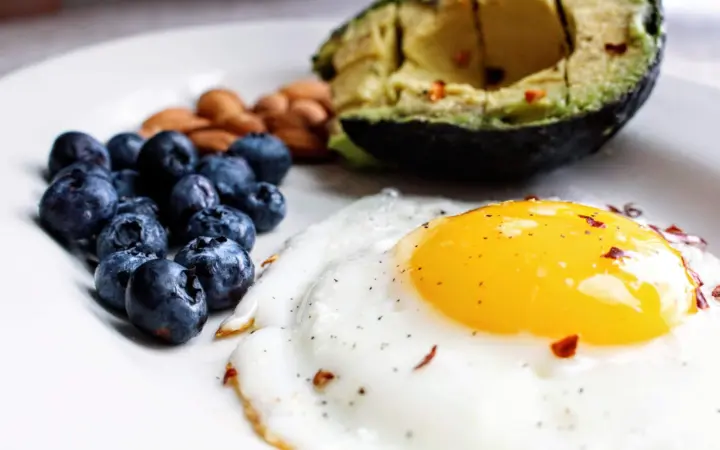


The best foods to eat during menstrual phase are foods that act directly on the prostaglandin cascade responsible for period pain, cramps, fatigue, and mood shifts. They are not foods that happen to be healthy in general. They are foods with documented mechanisms: omega-3s that compete with arachidonic acid for COX-2, magnesium that relaxes uterine smooth muscle, ginger proven equivalent to ibuprofen in clinical trials, and fiber that clears the estrogen driving your prostaglandin output. Knowing these best foods to eat during menstrual phase gives you a different kind of control over symptoms than simply eating better.
The menstrual phase runs from day one of bleeding through day five or six. Estrogen and progesterone are at their lowest. Prostaglandins are at their peak. What you put on your plate in these days, and critically in the two luteal-phase weeks that precede them, determines how loud that inflammatory signal gets.
Best Foods to Eat During Menstrual Phase: Why They Work

Menstrual cramps are not a muscle problem. They are an inflammatory signaling problem. Here is the mechanism that determines how severe your period pain gets, and why certain foods can modulate it at the molecular level.
As the uterine lining breaks down, cells release arachidonic acid, an omega-6 fatty acid stored in cell membranes. An enzyme called cyclooxygenase-2 (COX-2) converts arachidonic acid into prostaglandin E2 (PGE2) and prostaglandin F2-alpha (PGF2α). These compounds trigger powerful uterine contractions, restrict blood flow to the uterine muscle, and amplify pain nerve sensitivity. A 2003 review in Prostaglandins, Leukotrienes and Essential Fatty Acids confirmed that prostaglandin levels in menstrual fluid directly correlate with dysmenorrhea severity. The more arachidonic acid available, the more prostaglandins produced, and the more severe the cramping.
Ibuprofen and naproxen work by blocking COX-2. The best foods to eat during your menstrual phase work through the same pathway, either by competing with arachidonic acid for COX-2 access, supplying cofactors that dampen the inflammatory signal, or reducing the total arachidonic acid pool available at the start of your period.
This is why food timing matters. The arachidonic acid in your cell membranes on day one of your period was deposited there during the luteal phase. What you eat in the two weeks before your period is building the raw material for either a painful or a manageable bleed.
The Luteal Phase Setup Principle

Any guide to the best foods to eat during menstrual phase is incomplete without this: the most impactful nutritional window is the 14 days before your period starts, not the five days of bleeding itself.
Omega-3 fatty acids, specifically EPA (eicosapentaenoic acid), compete directly with arachidonic acid for the COX-2 enzyme. When EPA is abundant in your cell membranes, COX-2 produces prostaglandin E3 (PGE3) instead of PGE2. PGE3 is anti-inflammatory. It does not trigger severe uterine contractions. The difference between a painful period and a manageable one often comes down to your omega-6 to omega-3 ratio heading into menstruation.
The average Western diet runs at roughly a 15:1 omega-6 to omega-3 ratio. Research suggests a ratio closer to 4:1 is associated with significantly reduced prostaglandin-driven inflammation. You cannot shift this ratio meaningfully in five days of eating salmon. It shifts over weeks. This is why women who consistently eat fatty fish, walnuts, chia seeds, and flaxseed throughout their cycle, especially during the luteal phase, report less severe cramps, and why starting anti-inflammatory eating on day one of your period captures only a fraction of the benefit.
Omega-3 Foods: Natural COX-2 Competitors
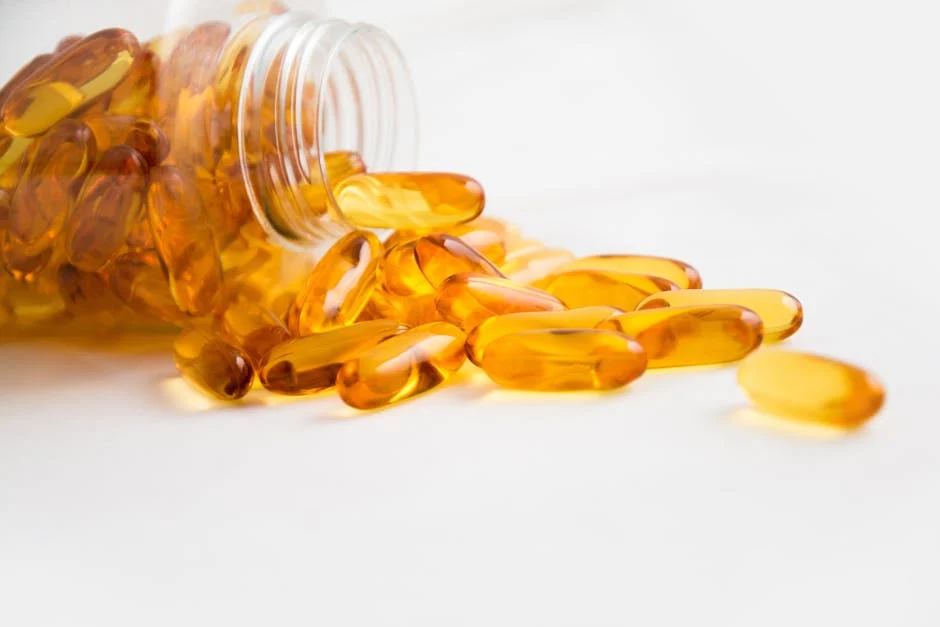
These are the highest-priority foods during both the luteal phase setup window and the menstrual phase itself. Their mechanism is direct: EPA and DHA displace arachidonic acid in cell membrane phospholipids, reducing the substrate available for PGE2 synthesis.
Fatty fish (salmon, sardines, mackerel): Highest EPA and DHA density per serving. Sardines are particularly useful because they also supply calcium, which has independent evidence for reducing menstrual pain via muscle relaxation. Aim for two to three servings per week minimum. A 2012 study in the Journal of Psychosomatic Obstetrics and Gynecology found that omega-3 supplementation significantly reduced dysmenorrhea severity compared to placebo.
Chia seeds: 5g of omega-3 ALA per tablespoon. ALA converts to EPA at roughly 5 to 10 percent efficiency, making it a supporting source rather than a primary one. More valuable here is chia’s soluble fiber content, which feeds the gut bacteria that deactivate the beta-glucuronidase enzyme responsible for estrogen recirculation.
Walnuts: The only nut with meaningful omega-3 content. Also supply magnesium (45mg per ounce) and melatonin, which has anti-inflammatory properties at the level of COX-2 enzyme activity.
Flaxseed (ground): Highest plant-based ALA source plus lignans that act as weak estrogen modulators, competing with stronger estrogens at receptor sites and reducing the total estrogen burden that drives prostaglandin production.
Iron Replenishment: Making Up for Blood Loss
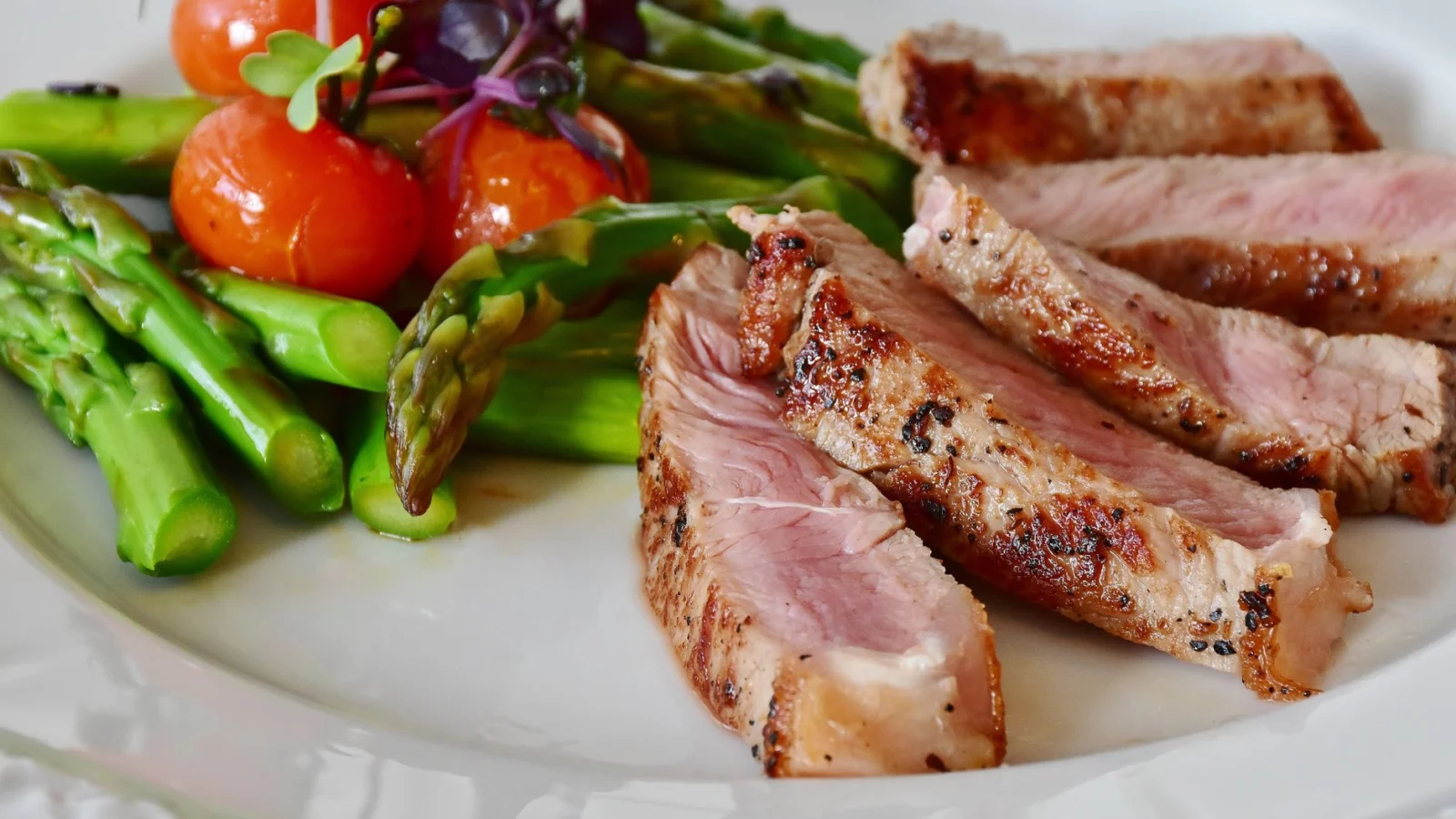
Menstrual blood loss averages 50 to 80 milliliters per cycle, which represents a meaningful iron depletion. Women with heavy periods can lose significantly more. Iron deficiency, even subclinical iron deficiency without full anemia, contributes to fatigue, poor concentration, and worsened mood, all of which are amplified during menstruation when estrogen and progesterone are at their lowest.
The critical distinction is between heme and non-heme iron. Heme iron, from animal sources, absorbs at 15 to 35 percent efficiency regardless of what else you eat. Non-heme iron, from plant sources, absorbs at 2 to 20 percent depending on cofactors present.
Heme iron sources: Beef, lamb, chicken liver, sardines, oysters. Liver is the most iron-dense food available (6.5mg per ounce) and also supplies B12 and copper, both of which support iron metabolism.
Non-heme iron sources enhanced by vitamin C: Spinach, lentils, kidney beans, pumpkin seeds, fortified oats. Always pair these with a vitamin C source. A half cup of strawberries or a squeeze of lemon juice on lentils raises non-heme iron absorption markedly, as the NIH Office of Dietary Supplements notes, by keeping the iron in the form the gut can take up.
What blocks iron absorption: Coffee and tea with an iron-rich meal cut non-heme iron absorption by 50 to 90 percent through polyphenol binding in radio-iron absorption studies, black tea the most. Calcium supplements taken simultaneously compete for the same intestinal transport channel. Space these away from iron-rich meals during your period.
Magnesium: The Uterine Muscle Relaxant
Magnesium functions as a physiological calcium antagonist. In smooth muscle cells including the uterine wall, calcium triggers contraction and magnesium triggers relaxation. When magnesium is sufficient, uterine muscle tone is lower, prostaglandin-driven contractions are less severe, and vascular spasm (which cuts blood flow and worsens ischemic pain) is reduced.
Multiple randomized controlled trials have found that magnesium supplementation reduces dysmenorrhea severity. A 2003 review in the Cochrane Database found magnesium more effective than placebo for period pain relief. The mechanism is not just muscle relaxation: magnesium also inhibits the release of certain prostaglandins directly and reduces intracellular calcium signaling that sensitizes pain receptors.
The recommended dietary allowance for magnesium is 310 to 320mg per day for adult women. Most women consume closer to 220mg. The gap is most acute during menstruation, when cellular magnesium loss accelerates alongside iron loss.
Highest magnesium foods: Pumpkin seeds (156mg per ounce), dark chocolate 70 percent or higher (64mg per ounce), spinach (78mg per half cup cooked), almonds (80mg per ounce), black beans (60mg per half cup), avocado (58mg per whole fruit).
Dark chocolate during your period is not a craving to resist. It is a magnesium delivery system. The caveat is the cacao percentage: milk chocolate has too much added sugar (which promotes inflammation) and too little magnesium to be useful. Seventy percent or higher is the threshold.
Ginger: What the Research Actually Shows
Ginger deserves its own section because the evidence for it is more specific than most period-food recommendations. A 2009 randomized trial published in the Journal of Alternative and Complementary Medicine compared ginger 250mg four times daily to ibuprofen 400mg four times daily, and to mefenamic acid, for dysmenorrhea over the first three days of the period. The result: ginger was equally effective at reducing pain intensity and duration.
The mechanism is gingerol and shogaol, the active compounds in ginger, which inhibit both COX-2 and 5-lipoxygenase (5-LOX). The 5-LOX pathway converts arachidonic acid into leukotrienes, which amplify inflammation through a route separate from prostaglandins. Ibuprofen only blocks COX-2. Ginger hits both pathways, which partly explains why some women find it more effective for the full constellation of menstrual symptoms including bloating and nausea, not just cramping.
Fresh ginger, ginger tea, and ginger supplements all supply gingerol. Cooking partially converts gingerol to shogaol, which has even stronger anti-inflammatory activity. The amount in the trial, 250mg of dried ginger powder per dose, is roughly a teaspoon of freshly grated ginger or a cup of strong ginger tea.
Starting ginger supplementation two days before expected menstruation amplifies its effect by pre-loading the anti-COX-2 mechanism before prostaglandins peak.
Fiber and Estrogen: The Beta-Glucuronidase Connection
Estrogen dominance, whether from high production or impaired clearance, raises the prostaglandin ceiling. The liver packages excess estrogens with glucuronic acid and sends them to the gut for excretion via bile. An enzyme called beta-glucuronidase, produced by certain gut bacteria when fiber is low, cleaves that conjugate and allows estrogen to reabsorb into circulation.
A high-fiber diet during the menstrual phase, and throughout the cycle, supports the gut bacteria (particularly Lactobacillus species) that keep beta-glucuronidase activity low. Lower beta-glucuronidase means more estrogen exits the body rather than recirculating, which directly reduces the prostaglandin output on day one of your period. A 2019 review in the American Journal of Clinical Nutrition found that higher dietary fiber intake was significantly associated with reduced estrogen levels in premenopausal women, supporting fiber as a direct estrogen-management strategy.
This is the same mechanism covered in depth in our article on foods that reduce estrogen dominance. The practical application during menstruation: aim for 25 to 30 grams of fiber daily from vegetables, legumes, and whole grains. Cruciferous vegetables (broccoli, cauliflower, Brussels sprouts) add the benefit of DIM (diindolylmethane), which promotes the 2-hydroxy estrogen pathway, producing less proliferative estrogen metabolites.
If you experience significant hormonal bloating, raw cruciferous vegetables can worsen gas during menstruation. Steaming or roasting them preserves the DIM and fiber benefits while reducing fermentation that contributes to bloating.
Foods That Make Period Pain Worse
The best foods to eat during menstrual phase strategy is only half the picture. Knowing what measurably worsens prostaglandin production and uterine inflammation is equally important for reducing cramp severity.
High omega-6 vegetable oils: Soybean oil, corn oil, and sunflower oil are dominant omega-6 sources in processed food. They directly increase the arachidonic acid pool available for PGE2 synthesis. Swapping these for olive oil (primarily oleic acid, which does not convert to arachidonic acid) and coconut oil during the menstrual phase reduces the substrate driving your cramps.
Alcohol: Alcohol increases prostaglandin synthesis via COX-2 upregulation and disrupts the liver’s ability to clear estrogen efficiently. It also depletes magnesium through increased urinary excretion. Many women notice significantly worse cramps the morning after drinking, particularly during the late luteal phase or day one of bleeding. The mechanism is direct and measurable.
Refined sugar and processed carbohydrates: Spike insulin, which upregulates inflammatory cytokines including those that stimulate COX-2. They also spike blood glucose followed by a sharp drop, which worsens fatigue and mood instability already driven by low estrogen and progesterone.
Excess caffeine: Caffeine causes vasoconstriction. The uterine cramping of dysmenorrhea already involves vascular spasm and ischemia. High caffeine intake compounds this mechanism. One to two cups of coffee is not likely to be problematic for most women; higher intakes go with more pain in some observational studies, though the trials to settle it have not been done.
The Perimenopause Factor
Women in perimenopause, typically the decade before menopause, often notice that their cramps become unpredictable. Some months are mild. Others are disproportionately severe for a lighter-than-expected flow. The mechanism is estrogen fluctuation rather than estrogen decline.
In perimenopause, estrogen does not simply trend downward. It swings erratically, sometimes rising significantly above premenopausal baselines before dropping sharply. Each spike in estrogen primes the uterine lining for higher prostaglandin production. The subsequent drop, combined with progesterone decline (which precedes estrogen decline by several years), creates conditions for elevated PGF2α output even from a thinner endometrium.
The nutrition strategy for perimenopausal women is identical but more urgent: consistent omega-3 intake throughout the cycle (not just during menstruation), aggressive magnesium sufficiency, and fiber as a continuous estrogen clearance support tool. The follicular phase and luteal phase nutritional frameworks become particularly important during perimenopause because the hormonal swings are larger and the dietary countermeasures need to be in place earlier in each cycle.
Phytoestrogens from flaxseed lignans and fermented soy can also help buffer estrogen receptor sensitivity during the erratic swings of perimenopause, providing partial receptor occupation during low phases and mild competitive inhibition during high phases.
Cravings in the menstrual phase are easier to read against a real number; how many calories you should eat a day gives your maintenance figure and the protein target that keeps the days steady.
Frequently Asked Questions
What is the single most important food to eat during your period?
If you had to choose one, fatty fish (salmon, sardines, mackerel) provides the highest EPA and DHA content to compete directly with arachidonic acid for COX-2, reducing the prostaglandins that drive cramping. It also supplies heme iron to replace blood loss and vitamin D, which has independent evidence for reducing dysmenorrhea severity. If you do not eat fish, a combination of ground flaxseed (for ALA and lignans) plus walnuts plus a magnesium-rich dark chocolate covers multiple mechanisms simultaneously.
Does caffeine really make period cramps worse?
For women who are sensitive to vascular effects, yes. Caffeine causes vasoconstriction, which compounds the ischemic component of menstrual cramping. The evidence is observational and points at higher intakes; one or two cups of coffee is unlikely to cause measurable worsening for most women. The effect is more pronounced in women who are also magnesium-deficient, since magnesium normally helps regulate vascular tone and lower magnesium status amplifies caffeine’s constrictive effect.
Why does chocolate help during your period?
Dark chocolate (70 percent cacao or higher) supplies magnesium (the uterine muscle relaxant), small amounts of tryptophan (a serotonin precursor), and phenylethylamine (which stimulates dopamine release). The craving for chocolate during menstruation is partly the body’s attempt to self-correct low magnesium and serotonin, both of which drop as estrogen falls. The problem with milk chocolate is that the high sugar content drives insulin spikes and inflammation that offset the benefit. Stick to 70 percent cacao minimum, one to two ounces.
Can what I eat before my period reduce cramps?
Yes, and this is often more impactful than what you eat during menstruation itself. The arachidonic acid available in your cell membranes on day one of your period was deposited there in the luteal phase. Consistently eating omega-3-rich foods during the two weeks before your period, keeping omega-6 intake low by avoiding refined vegetable oils, maintaining magnesium intake, and prioritizing fiber to clear estrogen shifts the prostaglandin balance before your period even starts. Many women who implement this approach notice measurable improvement within one to two cycles.
Are there foods that help with both period pain and hormonal bloating?
Yes. Foods that reduce the beta-glucuronidase enzyme activity (cruciferous vegetables, high-fiber foods, fermented foods) lower circulating estrogen, which reduces both prostaglandin-driven cramping and the water retention estrogen promotes. Magnesium-rich foods reduce both uterine cramping and the aldosterone-mediated water retention that contributes to bloating. Our article on foods that help with hormonal bloating covers the specific mechanisms in detail alongside the foods most effective for this overlap.
The Bottom Line
The best foods to eat during your menstrual phase work through the same molecular pathways as ibuprofen. The best foods to eat during menstrual phase are omega-3-rich fatty fish, magnesium-dense dark chocolate and leafy greens, ginger (proven equivalent to ibuprofen in clinical trials), and fiber-rich vegetables that clear the estrogen driving your prostaglandin output. They engage these pathways gently and without side effects. Omega-3s compete with arachidonic acid for COX-2. Ginger blocks both COX-2 and 5-LOX. Magnesium relaxes the smooth muscle of the uterine wall. Fiber clears the estrogen that drives prostaglandin production. Iron replaces what blood loss depletes.
The most important shift in perspective is timing. The luteal phase, days 14 to 28 of your cycle, is when you build the inflammatory or anti-inflammatory environment that your body will express during menstruation. Eating fatty fish, ground flaxseed, walnuts, leafy greens, and cruciferous vegetables consistently through the luteal phase and follicular phase pays forward in reduced cramp severity. Waiting until day one to start eating anti-inflammatory foods captures only the surface of what food-based cycle support can offer.
Related Articles
- Best Foods to Eat During Ovulation: 12 That Work by Mechanism
- Best Foods to Eat During the Follicular Phase: 12 That Actually Work
- Best Foods to Eat During the Luteal Phase: 12 That Actually Help
This article is for informational purposes only and does not constitute medical advice. Severe dysmenorrhea, unusually heavy periods, or pain that does not respond to dietary or over-the-counter interventions should be evaluated by a healthcare provider, as these symptoms can indicate underlying conditions such as endometriosis or fibroids.
Sources
- PubMed, NIH. Effects of steroid hormones on five functional parameters of Tetrahymena: evolutionary conclusions.
- NIH Office of Dietary Supplements. NIH Office of Dietary Supplements.
- PubMed, NIH. Inhibition of non-haem iron absorption in man by polyphenolic-containing beverages.
- PubMed, NIH. Comparison of effects of ginger, mefenamic acid, and ibuprofen on pain in women with primary dysmenorrhea.
- NCBI, NIH. A Virtual Sensor for Collision Detection and Distinction with Conventional Industrial Robots.