
 Lifestyle
 Food & Nutrition
 Fitness
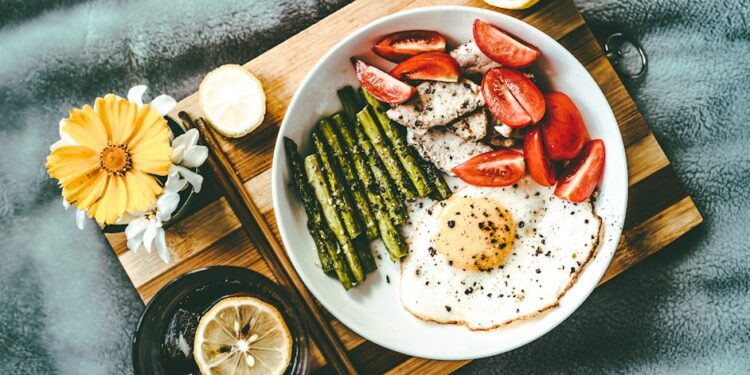
The best foods to eat during luteal phase are not the ones most cycle-syncing guides talk about. Most lists hand you “eat dark leafy greens and complex carbs” without explaining why certain foods help, and why others make the final days before your period feel neurologically brutal.
The luteal phase runs from ovulation to the first day of your period, roughly days 15 to 28. In the final five to seven days, progesterone drops sharply. That drop withdraws allopregnanolone, progesterone’s calming brain metabolite, from GABA-A receptors. The neurological effect is similar to a mild benzodiazepine withdrawal: heightened anxiety, reduced stress tolerance, amplified threat perception, and cravings that feel physiologically urgent, not weak-willed.
What you eat in this window can directly support GABA activity, serotonin production, blood sugar stability, and cortisol regulation. Not through magical food combining, but through specific nutrients that your nervous system is actively depleted of when progesterone drops. This guide covers the 12 best foods to eat during the luteal phase, organized by mechanism so you understand what each one is actually doing.
What Is the Luteal Phase and Why Does It Matter for Nutrition

After ovulation, the empty follicle transforms into the corpus luteum and begins secreting progesterone. Progesterone peaks around days 21 to 22, then declines sharply in the final days of the cycle if pregnancy does not occur. Estrogen also dips during this window.
Progesterone itself has a calming, sedating effect through its conversion to allopregnanolone, a potent positive modulator of GABA-A receptors. GABA is the brain’s primary inhibitory neurotransmitter, the chemical that quiets overactivation. When progesterone drops and allopregnanolone withdraws from GABA-A receptors, the inhibitory brake lifts. The result is a neurochemical state of increased excitability: more reactive to stress, more prone to anxiety, more sensitive to perceived threats. If you have signs of low progesterone, this window feels even more amplified.
Nutrition in the luteal phase works on three axes: supporting GABA activity through dietary precursors, stabilizing serotonin and blood sugar to prevent mood crashes, and reducing inflammation and cortisol that compound the hormonal drop. The foods below address all three.
The GABA-A Mechanism: Why This Phase Feels Neurologically Different

Most PMS nutrition guides skip the mechanism entirely. They tell you to eat magnesium without explaining that magnesium is a co-factor in GABA synthesis and directly modulates GABA-A receptor sensitivity. They recommend complex carbohydrates without noting that carbohydrate intake drives tryptophan into the brain, where it converts to serotonin, the neurotransmitter most depleted in the late luteal phase.
Understanding the mechanism matters because it tells you which foods are load-bearing and which are decorative. The foods that make a real difference in this phase are the ones that either support GABA-A receptor function directly, feed the serotonin synthesis pathway, or prevent blood sugar spikes and crashes that trigger cortisol surges on top of an already-stressed hormonal system. If your nervous system is already dysregulated, the luteal phase drops the floor even lower.
The 12 Best Foods to Eat During Luteal Phase
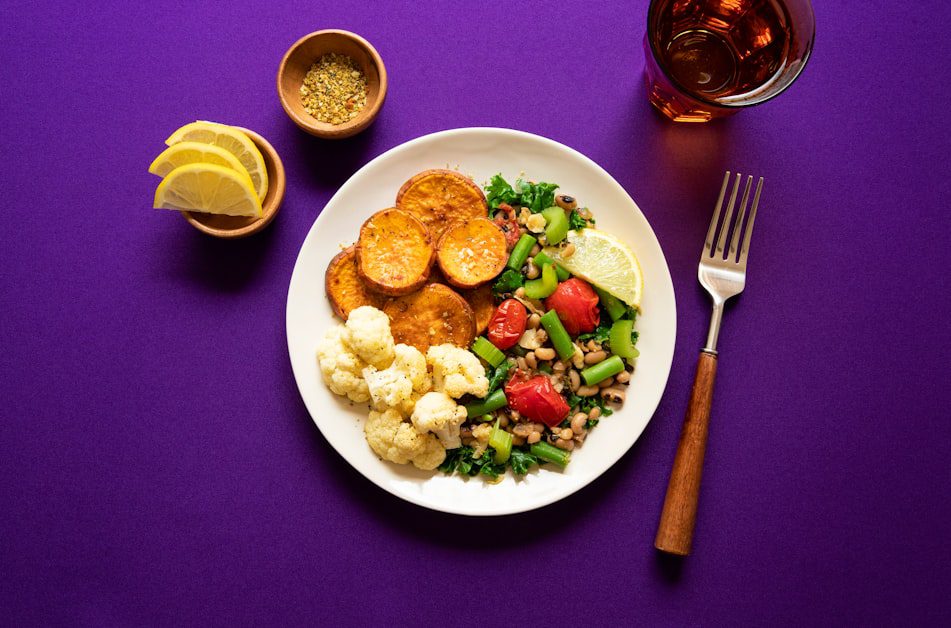
1. Pumpkin Seeds
Pumpkin seeds are the single most targeted luteal phase food in terms of nutrient density per gram. They are exceptionally high in magnesium, with about 150mg per ounce, roughly 37% of the daily recommended intake. Magnesium supports GABA synthesis, reduces cortisol reactivity, relaxes smooth muscle (reducing cramping), and improves sleep quality in the late luteal window when progesterone-driven sedation is fading. They also contain zinc, which is a cofactor in progesterone production, and tryptophan, which feeds the serotonin pathway. Add two tablespoons to oatmeal, smoothies, or salads daily from day 15 onward.
2. Salmon
Omega-3 fatty acids, specifically EPA and DHA, reduce the production of series-2 prostaglandins, the inflammatory compounds responsible for menstrual cramping, bloating, and pelvic pain. A study published in Reproductive Health found that omega-3 supplementation significantly reduced PMS symptom severity. Salmon also provides tryptophan, vitamin B6, and vitamin D, all required at higher levels during the luteal phase. Aim for two to three servings per week from day 15 onward. Sardines and mackerel provide the same benefits at lower cost.
3. Dark Chocolate (70%+)
The luteal phase chocolate craving is not a character flaw. It is a magnesium signal. Dark chocolate at 70% cacao or above contains approximately 64mg of magnesium per ounce, along with theobromine (a mild stimulant that does not spike cortisol the way caffeine does) and phenylethylamine (a compound that triggers dopamine release). One to two squares of 70%+ dark chocolate daily in the late luteal phase satisfies both the magnesium need and the cravings that arise when GABA activity is low. Avoid milk chocolate, which contains enough sugar to spike blood glucose and trigger the cortisol response you are trying to prevent.
4. Chickpeas and Lentils
Legumes provide the combination of complex carbohydrates, B6, and tryptophan that the luteal phase requires. Vitamin B6 is a direct cofactor in serotonin synthesis and progesterone production. It is one of the most evidence-backed nutrients for PMS reduction, a study published in the Journal of Clinical Nutrition found B6 supplementation improved both mood and physical PMS symptoms. Getting B6 from food sources rather than supplements avoids toxicity risk and provides the fiber that slows glucose absorption. Chickpeas contain roughly 0.5mg of B6 per cup, about 30% of the daily target. Add them to salads, make hummus, or use in curries throughout the luteal phase.
5. Sweet Potato
Complex carbohydrate intake in the luteal phase is not optional. When serotonin production drops alongside progesterone, the body increases cravings for carbohydrates because carbohydrate intake increases the ratio of tryptophan to large neutral amino acids in the blood, which allows more tryptophan to cross the blood-brain barrier and convert to serotonin. Sweet potato provides this carbohydrate load with a low glycemic response, along with vitamin B6 and magnesium. It also contains beta-carotene, which converts to vitamin A, a nutrient involved in progesterone synthesis at the corpus luteum level.
6. Spinach and Dark Leafy Greens
Dark leafy greens, spinach, kale, Swiss chard, provide the magnesium, folate, and calcium trifecta that the luteal phase depletes. Calcium is often overlooked in luteal phase nutrition despite strong evidence: a 1998 randomized trial in the American Journal of Obstetrics and Gynecology found that 1,200mg of calcium daily reduced PMS symptoms by 48%. Calcium works in this context because it supports neuronal membrane stability and modulates the sensitivity of neurons to estrogen fluctuations. Two large handfuls of spinach daily provide approximately 100mg of calcium and 80mg of magnesium.
7. Eggs
Eggs are one of the most complete luteal phase foods available. They provide choline (required for neurotransmitter synthesis), vitamin D (which modulates GABA receptor expression), B12, selenium, and high-quality protein that stabilizes blood sugar between meals. The yolk specifically contains the fat-soluble vitamins that progesterone synthesis requires. Women with estrogen dominance particularly benefit from eggs because choline supports liver phase-1 and phase-2 estrogen detoxification. Two eggs daily throughout the luteal phase provides approximately 250mg of choline, roughly half of the adequate intake for women.
8. Oats
Oats provide beta-glucan fiber that slows glucose absorption and prevents the blood sugar spikes that trigger cortisol release. In the late luteal phase, cortisol is already elevated by sleep disruption (progesterone-driven sleep architecture changes) and GABA-A withdrawal. A blood sugar crash at 3pm adds a cortisol surge on top of a hormonal system that has no buffer left. Oats also contain avenanthramides, polyphenols with anti-inflammatory and mild serotonergic effects. Steel-cut oats with pumpkin seeds and a small amount of dark chocolate shavings is an evidence-stacked luteal phase breakfast. If you are experiencing signs of high cortisol, blood sugar stability through oats is one of the most direct interventions available.
9. Avocado
Avocados provide monounsaturated fats that are precursors to steroid hormone synthesis, along with potassium (which reduces water retention and bloating), magnesium, and B6. The fat content slows gastric emptying, preventing the rapid glucose absorption that spikes insulin and cortisol. In practical terms, half an avocado with lunch prevents the mid-afternoon energy crash that becomes severe in the late luteal phase when progesterone-driven fatigue peaks. Avocados also support the liver’s phase-1 detoxification of estrogen, which is relevant if estrogen dominance is a feature of your cycle.
10. Turmeric
Curcumin, turmeric’s active compound, inhibits COX-2 and NF-kB, the same inflammatory pathways targeted by ibuprofen, which is why turmeric reduces menstrual pain. A 2015 trial published in the Journal of Clinical and Diagnostic Research found curcumin supplementation significantly reduced PMS severity. In food form, combine turmeric with black pepper (piperine increases curcumin bioavailability by up to 2,000%) and a fat source for maximum absorption. A daily golden latte, curry, or egg scramble with turmeric and black pepper is a practical delivery method throughout the luteal phase.
11. Greek Yogurt
Full-fat Greek yogurt provides calcium, protein, and probiotics in one food. The calcium supports the neuronal membrane stability mentioned above, while the protein and fat combination stabilizes blood sugar. The probiotic content supports the estrobolome, the gut bacterial community that metabolizes and recirculates estrogen. When the estrobolome is disrupted, beta-glucuronidase activity rises and deconjugated estrogen re-enters circulation, worsening estrogen-to-progesterone ratio imbalances in the late luteal phase. One cup of Greek yogurt daily provides approximately 200mg of calcium and 15-20g of protein.
12. Walnuts
Walnuts are the only nut with a significant alpha-linolenic acid (ALA) content, the plant-based omega-3 precursor. While ALA conversion to EPA and DHA is limited, walnuts also contain melatonin (supporting the sleep disruption that accompanies late luteal progesterone decline), polyphenols, and the tryptophan-to-large-neutral-amino-acid ratio that supports serotonin access to the brain. A small handful of walnuts in the evening during the late luteal phase supports both sleep onset and the serotonin system simultaneously.
Early vs Late Luteal Phase: Two Different Nutritional Windows
Knowing the best foods to eat during luteal phase matters most when you understand that this phase is not monolithic. Days 15 to 20 (early luteal) involve rising progesterone, which can cause water retention, breast tenderness, and fatigue, but the GABA-A system is still supported. Days 21 to 28 (late luteal) are the neurologically difficult window: progesterone begins its sharp decline, GABA-A withdrawal begins, and the cravings, anxiety, and mood shifts intensify.
For the best foods to eat during luteal phase in the early window (days 15-20): focus on anti-inflammatory foods (salmon, turmeric, berries), magnesium-rich foods to front-load the GABA system before the withdrawal window, and B6-rich foods (chickpeas, eggs, sweet potato) to support progesterone production in the remaining active phase.
Late luteal (days 21-28): Shift emphasis to blood sugar stability, serotonin support, and cortisol reduction. Eat complex carbohydrates at regular intervals (do not skip meals), increase calcium intake (Greek yogurt, spinach, sardines), prioritize tryptophan-containing foods in the evening (eggs, turkey, walnuts), and eliminate alcohol and caffeine entirely, both increase cortisol and disrupt GABA function when your GABA-A receptors are already compromised. If your hormone-balancing habits are already established, this phase-specific eating layer is a precision add-on, not a complete overhaul.
What to Avoid During the Luteal Phase
Several common foods and habits actively worsen luteal phase symptoms by disrupting the same pathways you are trying to support.
Alcohol: Alcohol initially activates GABA-A receptors, which is why it produces a brief calming effect, but rebound effects reduce GABA-A sensitivity and increase cortisol and norepinephrine. In the late luteal phase, when GABA-A receptors are already withdrawn from allopregnanolone, even moderate alcohol intake amplifies anxiety, disrupts sleep architecture, and worsens the following day’s symptoms significantly.
Caffeine in excess: Caffeine blocks adenosine receptors, which increases cortisol output. In the late luteal phase, cortisol is already elevated by sleep disruption and GABA withdrawal. High caffeine intake adds a third cortisol driver. One cup of coffee in the morning is manageable for most women; afternoon caffeine in the late luteal phase typically worsens anxiety and disrupts the sleep needed for progesterone recovery.
Refined sugar: Rapid glucose spikes followed by crashes trigger cortisol and adrenaline release, which directly antagonize the calming mechanisms you are trying to support. Sugar also depletes magnesium, the primary GABA cofactor, through increased urinary excretion.
Processed seed oils high in omega-6: Excess omega-6 intake shifts prostaglandin production toward the inflammatory series-2 pathway, worsening cramping, pelvic pain, and inflammation. Replacing soybean and corn oil with olive oil or avocado oil during the luteal phase reduces this prostaglandin load.
A 3-Day Late Luteal Phase Meal Plan
This is a practical template for days 24 to 27, the neurologically most demanding window of the cycle. Every meal is designed around blood sugar stability, GABA support, and serotonin pathway nutrition.
Day 1:
Breakfast: Steel-cut oats with pumpkin seeds, 2 tbsp ground flaxseed, cinnamon, and a few walnuts.
Lunch: Chickpea and spinach salad with half an avocado, olive oil, lemon, and black pepper.
Dinner: Baked salmon with sweet potato and steamed Swiss chard with turmeric.
Evening: One cup full-fat Greek yogurt with a small handful of walnuts.
Day 2:
Breakfast: Two scrambled eggs with turmeric, black pepper, and spinach on sourdough.
Lunch: Lentil soup with dark leafy greens and a slice of whole-grain bread.
Dinner: Sardines on rye with avocado, sliced cucumber, and lemon.
Snack: Two squares of 85% dark chocolate with a small handful of pumpkin seeds.
Day 3:
Breakfast: Greek yogurt with berries, ground flaxseed, and a drizzle of almond butter.
Lunch: Sweet potato and black bean bowl with avocado, coriander, and lime.
Dinner: Chicken thighs with roasted vegetables and quinoa cooked with turmeric and cumin.
Evening: A golden milk latte made with oat milk, turmeric, ginger, cinnamon, and black pepper.
If you suspect hormonal imbalances are driving more severe symptoms, such as those associated with low progesterone or chronic cortisol elevation, dietary changes alone may not resolve the underlying pattern. Food supports the system; it does not replace a complete hormonal evaluation.
Frequently Asked Questions
What are the best foods to eat during luteal phase for anxiety?
The best foods to eat during luteal phase for anxiety are magnesium-rich options, which have the strongest evidence because magnesium directly supports GABA-A receptor function, the same receptor system that loses allopregnanolone support when progesterone drops. Pumpkin seeds, dark chocolate (70%+), spinach, and avocado are the most practical high-magnesium options. B6-rich foods (chickpeas, salmon, sweet potato) also support serotonin production, which is a secondary driver of late luteal anxiety.
Should I eat more carbs during the luteal phase?
Yes, and there is a specific reason: carbohydrate intake increases the ratio of tryptophan relative to other large neutral amino acids in the blood, which allows more tryptophan to enter the brain and convert to serotonin. Serotonin declines alongside progesterone in the late luteal phase, which drives carbohydrate cravings. Choosing complex carbohydrates, sweet potato, oats, lentils, quinoa, satisfies this neurochemical need without the blood sugar spike and cortisol rebound that refined carbohydrates produce.
How much magnesium do I need during the luteal phase?
The standard recommendation is 310-320mg per day for adult women, but research on PMS specifically suggests that 350-400mg daily during the luteal phase may reduce symptoms more significantly. Food sources first: pumpkin seeds (150mg/oz), dark chocolate (64mg/oz), spinach (80mg/cup cooked), avocado (58mg/medium), and oats (60mg/cup). If food sources are insufficient, magnesium glycinate or magnesium bisglycinate are the best-tolerated supplemental forms and have the highest bioavailability for neurological effects.
Can diet fix luteal phase mood swings?
Diet can reduce the severity of luteal phase mood shifts by supporting the neurotransmitter systems that are most depleted during this window, primarily GABA and serotonin, and by preventing cortisol spikes through blood sugar stability. It cannot override a significant progesterone deficiency or a structurally disrupted HPA axis. Think of luteal phase nutrition as reducing the floor drop, not eliminating it. Women with severe PMDD, nervous system dysregulation, or confirmed progesterone insufficiency typically need a multi-pronged approach that includes dietary support alongside medical evaluation.
What foods make PMS worse?
The four primary dietary PMS amplifiers are alcohol (disrupts GABA-A rebound and raises cortisol), caffeine in excess (adds cortisol load to an already stressed system), refined sugar (depletes magnesium and triggers cortisol spikes), and processed seed oils high in omega-6 (shifts prostaglandin production toward pro-inflammatory series-2 compounds that worsen cramping). Reducing or eliminating these in the late luteal phase, days 21 to 28, produces measurable symptom improvement for most women within two to three cycles.
What to Eat During the Luteal Phase: The Bottom Line
The best foods to eat during luteal phase are not exotic or expensive. They are the foods that support the specific neurochemical systems that progesterone withdrawal depletes: magnesium for GABA-A function (pumpkin seeds, dark chocolate, spinach), complex carbohydrates for serotonin synthesis (sweet potato, oats, lentils), omega-3s for prostaglandin regulation (salmon, sardines, walnuts), and calcium for neuronal membrane stability (Greek yogurt, dark leafy greens, sardines).
The practical application is simpler than most cycle-syncing guides make it: in the early luteal phase, front-load magnesium and B6 while progesterone is still supported. In the late luteal phase, prioritize blood sugar stability above everything else, eat regularly, choose complex carbohydrates, and remove the three things that actively worsen the neurochemical state: alcohol, excess caffeine, and refined sugar.
Understanding the mechanism behind luteal phase nutrition shifts it from a list of foods to follow into a logical framework you can adapt. Your luteal phase brain is not irrational, it is running on a depleted system. Feed it accordingly.
Medical disclaimer: This article is for informational purposes only and does not constitute medical advice. Nutritional interventions for hormonal symptoms should be discussed with a qualified healthcare provider, particularly if you have diagnosed conditions such as PMDD, polycystic ovary syndrome, or progesterone deficiency.
Related Articles
- Best Foods to Eat During the Follicular Phase: 12 That Actually Work
- Best Foods to Eat During Menstrual Phase: 12 That Work by Mechanism
- Best Foods to Eat During Ovulation: 12 That Work by Mechanism
Get the exact numbers for your body
Answer 7 quick questions and get your calorie target, protein goal and a plan that fits how you actually live. Takes 2 minutes, completely free.
Build my free plan →2 minutes · Free · No card neededFree tools from Just Health Life
BMI CalculatorBlood Pressure CheckerAll 24 calculators →Educational content, not medical advice. See our medical disclaimer and editorial policy.