


If you feel exhausted but cannot sleep, anxious for no clear reason, or like your body is permanently stuck on high alert, these are classic signs of dysregulated nervous system function. Most articles list the symptoms and leave it there. This one goes further, because women experience these signs your nervous system is dysregulated in a way that is biologically distinct from men, and the hormone layer is the missing piece that most wellness content skips entirely. Estrogen directly modulates the autonomic nervous system, GABA receptors, and serotonin pathways. When hormones shift during your cycle, postpartum recovery, or perimenopause, the signs your nervous system is dysregulated shift with them in predictable, trackable patterns.
For what the research actually supports treating this with, see our guide to natural remedies for depression and anxiety.
Nervous system dysregulation is not a personality flaw or a sign that you are weak. It is a measurable physiological state in which your autonomic nervous system loses its ability to move smoothly between activation and recovery. Your body gets stuck in one gear, or oscillates erratically between gears, and everyday life starts to feel overwhelming in ways that are real and physiologically grounded.
What Is Nervous System Dysregulation?
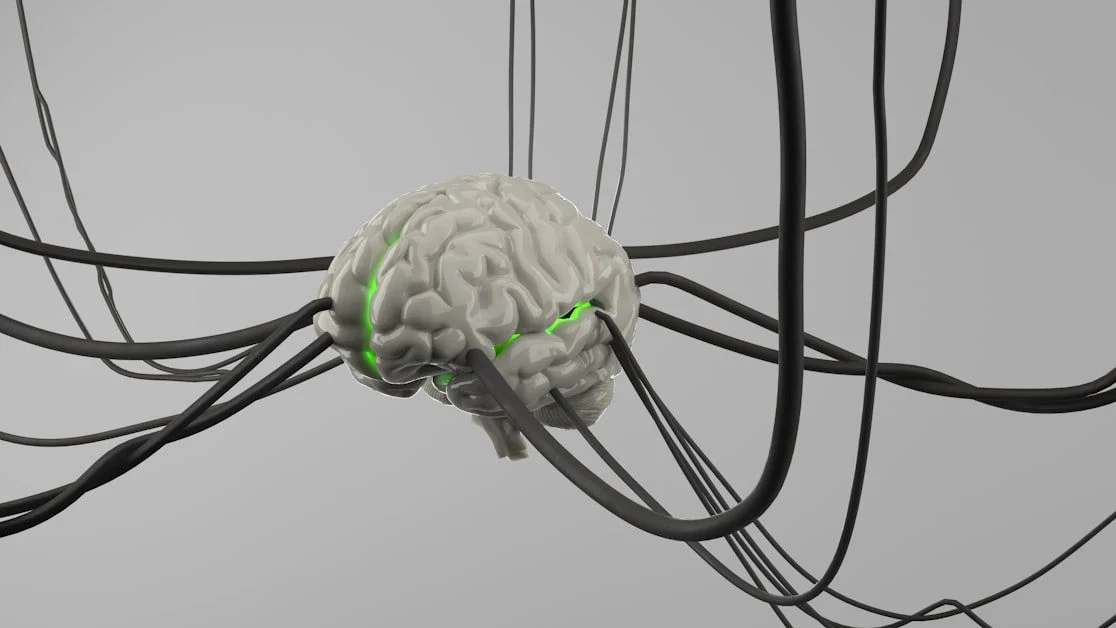
Your autonomic nervous system (ANS) runs on two main branches. The sympathetic branch handles threat responses: it accelerates your heart rate, floods your muscles with blood, and narrows your focus. The parasympathetic branch handles recovery: it slows your heart, activates digestion, and signals that you are safe. Polyvagal theory, developed by neuroscientist Dr. Stephen Porges, adds a third state called dorsal vagal shutdown, where the body collapses into freeze or dissociation when a threat feels inescapable.
A well-regulated nervous system moves fluidly between these states. You get activated by a stressor, then return to baseline within a reasonable window. The signs your nervous system is dysregulated appear when that return mechanism is broken. Your body stays in sympathetic overdrive, collapses into dorsal shutdown, or flip-flops between the two in a way that feels like an emotional roller coaster you cannot control.
Research published in Psychoneuroendocrinology confirms that chronic nervous system dysregulation alters cortisol patterns, increases inflammatory markers, and suppresses immune function. This is not abstract: it shows up in your body every single day. According to Healthline’s review of nervous system dysregulation, the autonomic imbalance created when dysregulation sets in affects heart rate, breathing, digestion, and temperature regulation simultaneously.
Why Women Experience These Signs More Intensely

Women are significantly more likely than men to show signs your nervous system is dysregulated, and the reasons are biological, not psychological. Estrogen and progesterone directly modulate autonomic function in ways that have no male equivalent.
Estrogen supports serotonin production, GABA receptor sensitivity, and vagal tone. When estrogen is stable, the parasympathetic branch maintains stronger activity. When estrogen drops sharply, as it does in the luteal phase before your period, postpartum, or during perimenopause, parasympathetic activity weakens and the sympathetic branch becomes dominant. The signs your nervous system is dysregulated intensify in direct proportion to how sharply estrogen falls.
Progesterone is converted in the brain into a neurosteroid called allopregnanolone, which is the body’s most potent natural GABA-A receptor agonist. GABA is your calming neurotransmitter. In the late luteal phase, progesterone drops sharply, allopregnanolone falls with it, and GABA signaling weakens. The result is a nervous system that becomes acutely more reactive days before your period without any external stressor.
During perimenopause, this effect is amplified and chronic rather than cyclical. Estrogen fluctuations become unpredictable, the hypothalamus (your body’s thermostat and stress-response headquarters) becomes hypersensitive, and many women find that they are seeing signs your nervous system is dysregulated that they have never experienced before. The International Menopause Society notes that autonomic nervous system dysfunction is one of the primary drivers of perimenopausal symptoms including hot flushes, insomnia, palpitations, and anxiety.
Cortisol adds another layer. Chronic stress triggers elevated cortisol production, and high cortisol suppresses progesterone via the pregnenolone steal pathway, further weakening GABA support. The result is a self-reinforcing loop: stress produces signs your nervous system is dysregulated, which raises cortisol, which depletes progesterone, which weakens GABA, which makes the nervous system more reactive to the next stressor.
12 Signs of Dysregulated Nervous System Function

The signs your nervous system is dysregulated do not look the same in every woman. Some run hot in sympathetic overdrive. Some collapse into parasympathetic shutdown. Many alternate between both. Here are the most common signs across all three polyvagal states.
Sympathetic Overdrive Signs (Fight-or-Flight Stuck On)
- Anxiety without a clear trigger. You feel keyed up, on edge, or braced for something to go wrong, even when life is objectively fine. This is one of the hallmark signs your nervous system is dysregulated: it is generating a threat signal in the absence of an actual threat.
- Racing thoughts at night. Your body is physically exhausted but your mind will not slow down. Sympathetic activation suppresses melatonin and keeps cortisol elevated, making sleep initiation difficult even when you desperately need rest.
- Hyperreactivity to sensory input. Loud sounds, bright lights, or a crowded room feel genuinely overwhelming. This is hypervigilance: your threat-detection system is calibrated too high and picks up noise that a regulated nervous system would filter out.
- Jaw clenching, shoulder tension, and headaches. Chronic sympathetic activation keeps muscles braced. The jaw, neck, and shoulders are the primary holding areas for stored stress in women.
- Digestive disruption: IBS, nausea, bloating. The gut-brain axis runs on the vagus nerve. When the sympathetic system dominates, digestion slows or becomes erratic. Many women with IBS are actually showing signs your nervous system is dysregulated at the root rather than having a primary digestive condition.
- Feeling wired but tired. Cortisol is high enough to keep you activated but the circadian pattern is disrupted enough that genuine energy is absent. You cannot rest but you cannot perform either.
Dorsal Vagal Shutdown Signs (Freeze Response)
- Emotional numbness or dissociation. You feel flat, detached, or like you are watching your life from the outside. This is the dorsal vagal state: the nervous system’s emergency brake when a threat feels inescapable and one of the most misunderstood signs your nervous system is dysregulated.
- Chronic fatigue that does not improve with sleep. Rest does not restore you because the shutdown state is not genuine rest. It is a defensive collapse, and it is physiologically different from tiredness.
- Difficulty making decisions or initiating tasks. Executive function requires a regulated nervous system. In dorsal shutdown, the prefrontal cortex goes offline and basic decision-making feels impossibly heavy.
- Low motivation or depression-like flatness. The shutdown state mimics depression and is frequently misdiagnosed as such, particularly in women who also carry hormonal depletion patterns.
Flip-Flop Pattern Signs
- Emotional swings that feel disproportionate. You go from 0 to 100 and back quickly. Something small triggers a big reaction, and then you feel ashamed or confused about why you reacted that way. This oscillation is one of the clearest signs your nervous system is dysregulated rather than just emotionally sensitive.
- Push-crash-repeat cycles. You push through with adrenaline, crash hard, recover slightly, then push again. The cycle is exhausting and the crashes get longer over time as the system depletes.
How Your Menstrual Cycle Maps to Dysregulation Patterns

One of the most actionable signs your nervous system is dysregulated via a hormonal pathway is that your symptoms follow a predictable cycle pattern. This matters because it changes what you do about them and when you do it.
During the follicular phase (days 1-14), rising estrogen supports serotonin and vagal tone. Most women feel more regulated, resilient, and socially connected in this phase. If the signs your nervous system is dysregulated are consistent even during follicular phase, the pattern is likely chronic rather than purely cyclical.
During the luteal phase (days 15-28), progesterone rises then falls sharply. As progesterone drops, so does allopregnanolone and GABA support. Days 24-28 before menstruation are when the signs your nervous system is dysregulated peak for most women. This is not PMS as a cultural concept: it is a measurable neurological event tied to GABA-A receptor sensitivity to allopregnanolone withdrawal. Women with PMDD are experiencing an abnormally acute version of this same mechanism.
Tracking your symptoms against your cycle for two to three months reveals whether the pattern is hormonal. A nervous system reset practice timed to the luteal phase can meaningfully reduce the severity of dysregulation during this window without requiring changes throughout the entire month.
Root Causes Behind the Signs Your Nervous System Is Dysregulated
Understanding the cause matters because different causes require different interventions. The most common drivers of the signs your nervous system is dysregulated include:
Unresolved trauma and adverse childhood experiences (ACEs). Trauma does not live in memory alone. It lives in the body as a nervous system set point. If you grew up in an unpredictable or unsafe environment, your nervous system learned to stay hypervigilant as a survival strategy. That strategy does not automatically switch off in adulthood, and many women carry these patterns for decades without recognizing them as dysregulation.
Chronic stress without recovery windows. Modern overwork, caretaking burdens, and the disproportionate emotional labor women carry create a nervous system that never gets to fully discharge activation. The stress response was designed to be brief and followed by rest. When rest never comes, the system stays stuck in activation and the signs your nervous system is dysregulated become the new normal.
Burnout. Burnout in women is often a nervous system collapse event. The system ran in sympathetic overdrive for too long and switched to dorsal shutdown as a protection mechanism. Recovery requires more than rest: it requires active nervous system regulation work to rebuild capacity.
Hormonal transitions. Puberty, the postpartum period, and perimenopause are all windows of heightened ANS vulnerability. Each represents a period when the hormonal scaffolding that supports nervous system calm is rapidly shifting, and the signs your nervous system is dysregulated are especially common at these transition points.
Gut dysbiosis. The gut-brain axis is bidirectional. Dysbiosis and gut inflammation send inflammatory signals via the vagus nerve that maintain sympathetic activation. Healing the gut is sometimes the missing piece in resolving the signs your nervous system is dysregulated that breathwork and mindfulness alone cannot fix.
Poor sleep. A single night of less than five hours reduces emotional regulation capacity measurably. Chronic sleep deprivation keeps the amygdala in a state of heightened reactivity while weakening prefrontal cortex capacity to modulate responses.
How to Respond When You Notice Signs Your Nervous System Is Dysregulated
Regulation is not about thinking your way calm. The prefrontal cortex cannot override a dysregulated subcortex by reasoning with it. The approach must be body-first: change the physiological state first, and the emotional and cognitive state follows.
Extended exhale breathing (4-7-8 or box breathing). The exhale phase of breathing activates the parasympathetic branch via the vagus nerve. Inhale for 4 counts, hold for 7, exhale slowly for 8. Even three cycles of this shifts heart rate variability measurably and directly counters the signs your nervous system is dysregulated in the overdrive state. The Cleveland Clinic identifies diaphragmatic breathing as a first-line intervention for ANS dysregulation.
Cold water face immersion. Splashing cold water on your face or immersing it briefly activates the diving reflex, which produces an immediate vagal response: heart rate slows, blood pressure drops, sympathetic activation decreases. This works within seconds and requires no equipment or training.
Humming and singing. The vagus nerve innervates the larynx and throat. Humming, singing, or chanting at a steady rhythm produces vibration that directly stimulates vagal pathways. Even 2 minutes of humming while doing something routine measurably activates the parasympathetic system.
Somatic movement. Somatic exercises for women work by completing the stress response cycle in the body rather than managing it in the mind. Shaking, slow yoga, and rhythmic walking are all regulatory. The key is slow, non-competitive movement rather than high-intensity exercise that adds further sympathetic load on top of signs your nervous system is dysregulated.
Co-regulation through safe social connection. The ventral vagal complex, which governs social safety, is activated by calm voices, eye contact with a trusted person, and gentle physical touch. Talking to a genuinely calm friend can shift your state more effectively than solo techniques because your nervous system is designed to regulate in relationship.
Magnesium glycinate supplementation. Magnesium acts as a natural NMDA receptor antagonist and supports GABA production. Many women are deficient, and this deficiency makes the signs your nervous system is dysregulated more pronounced and harder to shift through behavioral practices alone. A 300 to 400mg dose of magnesium glycinate in the evening addresses this physiological gap.
Consistent sleep anchoring. Waking at the same time every morning anchors your circadian rhythm and normalizes the cortisol awakening response. This single habit has a measurable downstream effect on ANS regulation throughout the day and reduces baseline reactivity over weeks.
The Deeper Layer: Shadow Work and Nervous System Set Points
For many women, the signs your nervous system is dysregulated persist despite solid physical practices because the root pattern is psychological: a core belief that the world is unsafe, that their needs will not be met, or that being visible leads to punishment. These beliefs live in the body as nervous system set points, encoded in subcortical structures that breathwork alone does not reach.
Shadow work for beginners can address these patterns by bringing unconscious beliefs into conscious awareness and removing their automatic power over physiological state. The combination of somatic regulation practices with this kind of psychological pattern work tends to produce more durable results than either approach alone, particularly for women whose signs your nervous system is dysregulated trace back to early relational wounding.
How Long Until the Signs Your Nervous System Is Dysregulated Resolve?
Nervous system regulation is not a switch you flip. It is a practice you build over time, measured in weeks and months rather than days. The nervous system learns through repetition. Every time you move through a stress response and return to baseline, you strengthen the neural pathways that make that return faster and easier next time. Over weeks, the signs your nervous system is dysregulated become less frequent, less intense, and shorter in duration.
Most women notice meaningful shifts in hyperreactivity within 4 to 6 weeks of consistent daily practice, typically 10 to 20 minutes of combined breathwork and somatic movement. Deeper patterns, particularly those rooted in childhood trauma or long-term burnout, typically require 3 to 6 months of consistent work and often benefit from somatic therapy or EMDR with a trained practitioner.
The trajectory is not linear. There will be weeks of progress followed by weeks that feel like regression, especially around hormonal transitions. This is normal. When the signs your nervous system is dysregulated briefly return during a stressful period, this does not mean you have lost your gains. It means the system is being tested, and the test is part of how capacity builds.
Poor sleep is both a sign and a cause here, and the page on how to fall asleep faster sets out the habits with evidence and when trouble sleeping needs its own treatment.
Frequently Asked Questions
What are the most common signs your nervous system is dysregulated?
The most recognized signs your nervous system is dysregulated include persistent anxiety without a clear cause, chronic fatigue that does not improve with sleep, hyperreactivity to noise or light, difficulty making decisions, emotional numbness or dissociation, digestive problems like bloating and IBS, racing thoughts at night, and a persistent sense of being braced or on edge. These signs appear across three states: sympathetic overdrive (fight-or-flight stuck on), dorsal vagal shutdown (freeze state), and the flip-flop pattern that oscillates between the two.
Can hormonal changes cause the signs your nervous system is dysregulated?
Yes, and this is one of the most under-discussed aspects of women’s health. Estrogen directly supports vagal tone and serotonin production, while progesterone converts into allopregnanolone, which activates GABA-A receptors and promotes calm. When these hormones shift during the late luteal phase before your period, postpartum recovery, or perimenopause, the nervous system loses key calming support and becomes more reactive. The NIH has published research confirming that sex hormone fluctuations directly alter autonomic nervous system function and account for a significant portion of the signs your nervous system is dysregulated that women experience cyclically.
Is nervous system dysregulation the same as anxiety disorder?
They overlap but are not identical. Anxiety disorder is a clinical diagnosis defined by the severity and duration of anxious symptoms. The signs your nervous system is dysregulated can produce anxiety-like symptoms without meeting the clinical threshold for an anxiety disorder, and can also present as fatigue, numbness, or emotional flatness rather than anxiety. Addressing dysregulation through somatic and physiological means can resolve symptoms that did not respond to cognitive interventions, which is why body-first approaches are increasingly recognized as essential rather than supplementary.
How do I know if I am in sympathetic overdrive or dorsal vagal shutdown?
Sympathetic overdrive feels activated: racing thoughts, difficulty sleeping, irritability, muscle tension, and an inability to relax even when you want to. Dorsal vagal shutdown feels collapsed: flatness, difficulty getting out of bed, emotional numbness, extreme fatigue, and a sense of disconnection from yourself and others. Many women move between both states, which presents as swinging between anxious and exhausted with very little regulated middle ground. Recognizing which state you are in is the first step because the regulation techniques that help overdrive differ from those that help shutdown.
What is the fastest way to calm a dysregulated nervous system?
The fastest evidence-based interventions are extended exhale breathing (making your exhale longer than your inhale), cold water face immersion to activate the diving reflex, and humming or low vocalization to stimulate the vagus nerve. Each of these can shift your physiological state within 1 to 3 minutes. They work by directly activating parasympathetic pathways rather than trying to change your thoughts, which is why they are more immediately effective than cognitive techniques when the signs your nervous system is dysregulated are acute.
Conclusion
The signs your nervous system is dysregulated are not random or a reflection of emotional weakness. They are a coherent physiological response to a system that has lost its ability to self-regulate, often for understandable reasons: unresolved stress, hormonal shifts, past trauma, or a lifestyle that never allowed genuine recovery. For women, the hormonal layer makes this especially important to understand because symptoms that seem purely emotional often have a clear biological driver in estrogen, progesterone, and GABA dynamics.
The path out is body-first: breathing, movement, cold exposure, vagal stimulation, and consistent sleep. Combined with psychological pattern work for deeper roots, this approach rebuilds regulation at the level where it actually lives, in the nervous system itself, not just in your thoughts about it. Progress is slow and non-linear, but it is real and it compounds over time.
Related Articles
- Nervous System Reset for Women Over 40: Why It Hits Harder and How to Heal
- How to Heal Your Inner Child as a Woman: 9 Steps That Work
- How to Regulate Nervous System Anxiety: 10 Science-Backed Techniques
This article is for informational purposes only and is not a substitute for professional medical advice, diagnosis, or treatment. If you are experiencing severe anxiety, dissociation, or symptoms that interfere significantly with daily functioning, please consult a qualified healthcare professional or mental health practitioner.
Sources
- NCBI, NIH. Menopausal Hot Flashes: A Concise Review.