
The best foods to eat during follicular phase are not simply healthy foods applied to a new time window. The follicular phase, roughly days 1 through 13 of your cycle counting from the first day of your period, is a liver activation event: rising estrogen requires your liver to upregulate two distinct detox pathways to metabolize it cleanly, and your gut bacteria, specifically the estrobolome, determine whether that estrogen gets safely excreted or recirculates in your system.
Most cycle nutrition guides miss both of these mechanisms entirely. They list cruciferous vegetables and flaxseeds without explaining why they work. They treat the follicular phase as a single hormonal environment when it has two distinct windows with different nutritional needs. And they skip the gut-hormone axis, which is where estrogen metabolism actually gets made or broken.
This guide to the best foods to eat during follicular phase covers 12 specific options organized by biological mechanism, the science behind the estrobolome and liver detox pathways, and a practical 3-day meal plan structured for both early and late follicular windows.
What the Follicular Phase Actually Does
The follicular phase begins on the first day of menstruation and ends at ovulation. Follicle-stimulating hormone (FSH) triggers multiple ovarian follicles to develop, with one eventually becoming dominant and releasing the egg. As follicles grow, they produce increasing amounts of estrogen, which rises steadily from days 1 through 13, peaking just before the LH surge that triggers ovulation.
This rising estrogen does several things simultaneously. It rebuilds the uterine lining shed during menstruation. It enhances mood, cognition, and energy via estrogen’s action on dopamine and serotonin receptors. And it activates your liver, which must metabolize and excrete the escalating estrogen load through a two-step detox process.
If that liver detox process is sluggish, due to nutrient deficiencies, gut dysbiosis, or insufficient fiber, estrogen recirculates in your bloodstream. The symptoms: bloating, breast tenderness, heavy periods, worsening PMS, and mood instability despite being in the supposedly high-energy phase of your cycle. The foods you eat during the follicular phase directly determine how well this estrogen clearance happens.
Two Distinct Windows Within the Follicular Phase
Most cycle-syncing guides treat the follicular phase as a uniform block. It is not.
Early follicular (days 1-7): Your period is still active for most of this window. Estrogen and progesterone are at their lowest. The nutritional priority is iron recovery and rebuilding nutrients lost through menstruation, ferritin, B vitamins, and zinc. Metabolism is slower than the luteal phase, cortisol is lower, and your body is in tissue-repair mode. If you also want to know what to eat in the second half of your cycle, the best foods to eat during the luteal phase require a different nutritional strategy built around GABA support and serotonin synthesis.
Late follicular (days 8-13): Estrogen is rising toward its pre-ovulation peak. This is when liver support becomes critical. The body is preparing for the LH surge. Nutrient priorities shift to estrogen metabolism support (liver detox), follicle development (zinc, CoQ10, DHA), and estrogen synthesis (B vitamins, vitamin C). Eating for both windows, not just the generic follicular phase, makes cycle nutrition meaningfully effective.
The Two Mechanisms Most Guides Skip
Mechanism 1: The Estrobolome
The estrobolome is the collection of gut bacteria that metabolize estrogen. Certain bacteria produce an enzyme called beta-glucuronidase, which cleaves the glucuronide group from estrogen that has been packaged for excretion by the liver. When beta-glucuronidase activity is high, from low fiber intake, antibiotic use, or gut dysbiosis, estrogen gets deconjugated and reabsorbed through the gut wall back into circulation.
This is why two women with identical hormone production can have dramatically different estrogen load symptoms: the difference often lives in their estrobolome. High-fiber foods, particularly soluble fiber from legumes, oats, and flaxseeds, feed the Lactobacillus and Bifidobacterium species that keep beta-glucuronidase activity low. Women consuming 30+ grams of fiber daily have measurably lower circulating estrogen, not because fiber reduces production, but because it prevents reabsorption.
Mechanism 2: Phase 1 and Phase 2 Liver Detox
The liver processes estrogen in two sequential phases. In Phase 1, CYP1A1 and CYP1A2 enzymes hydroxylate estrogen into one of three metabolites: 2-hydroxyestrone (2-OHE1), 4-hydroxyestrone (4-OHE1), or 16-hydroxyestrone (16-OHE1). The 2-OH pathway produces the weakest estrogen metabolite and is the most protective. The 4-OH and 16-OH pathways produce more estrogenic metabolites associated with higher cancer risk in research models. Cruciferous vegetables, via Indole-3-Carbinol converting to DIM in the gut, specifically shift Phase 1 toward the 2-OH pathway.
In Phase 2, the hydroxylated metabolites must be conjugated, chemically packaged, for excretion via bile and urine. COMT (catechol-O-methyltransferase) methylates 4-OHE1 into a less harmful form. This requires adequate magnesium and B vitamins (B6, B12, folate). Glucuronidation requires adequate B vitamins and amino acids. If Phase 2 is slow due to nutrient deficiency, even the safer metabolites from Phase 1 accumulate. This is what “eat cruciferous vegetables for hormones” actually means at the enzymatic level. Ongoing symptoms of estrogen dominance often trace back to sluggish Phase 2, not overproduction.
12 Best Foods to Eat During Follicular Phase
Estrogen Metabolism Support (Liver Phase 1 and Phase 2)
1. Broccoli and Cruciferous Vegetables
Broccoli, cauliflower, Brussels sprouts, cabbage, and kale contain glucosinolates that convert to Indole-3-Carbinol (I3C) in the gut, which further metabolizes to DIM (diindolylmethane). DIM activates CYP1A1, the Phase 1 enzyme that routes estrogen toward the safer 2-OHE1 pathway. Cruciferous vegetables also support Phase 2 via sulforaphane, which upregulates NRF2, a master antioxidant regulator that enhances glutathione and Phase 2 enzyme activity.
Aim for one to two servings daily during the follicular phase. Lightly steaming maximizes I3C availability: raw contains intact glucosinolates that release I3C via chewing and digestive action, but lightly cooked activates myrosinase enzymatic conversion more efficiently while avoiding the goitrogen concern for women with thyroid conditions. The anti-inflammatory properties also complement any anti-inflammatory breakfast strategy you already follow.
2. Ground Flaxseeds
Flaxseeds contain lignans, phytoestrogens that bind to estrogen receptors with far weaker activity than endogenous estrogen. In the high-estrogen environment of late follicular, this competitive binding modulates net estrogenic signaling. A 2007 study in the Journal of Nutrition found that flaxseed supplementation significantly increased the 2-OHE1:16-OHE1 ratio, shifting estrogen metabolism in the protective direction (PubMed PMID 17513398).
Flaxseeds also contain mucilaginous soluble fiber that feeds estrobolome bacteria beneficially. The seed cycling protocol uses one to two tablespoons of ground flaxseed daily through the follicular phase. Ground is essential, whole flaxseeds pass through undigested. Combine with pumpkin seeds for zinc support (described below).
3. Rosemary
Rosemary contains carnosic acid and rosmarinic acid, which inhibit CYP1B1, the Phase 1 enzyme responsible for producing the more harmful 4-OHE1 metabolite. By selectively suppressing CYP1B1 while leaving CYP1A1 active, rosemary effectively redirects estrogen metabolism toward the safer 2-OH pathway. Even culinary amounts (one to two teaspoons in cooking) are enough to affect CYP1B1 activity, as rosmarinic acid inhibits the enzyme at concentrations achievable through dietary intake. This is one of the most targeted and least-discussed mechanisms in cycle nutrition.
Estrobolome Support (Gut-Hormone Axis)
4. Fermented Foods: Sauerkraut, Kefir, Kimchi
Fermented foods deliver live Lactobacillus strains to the gut, where they compete against the beta-glucuronidase-producing bacteria that recirculate estrogen. A 2021 review in Frontiers in Endocrinology confirmed that elevated gut beta-glucuronidase activity correlates with higher circulating estrogen, and that probiotic supplementation reduces this activity (NIH PMC7873928). Sauerkraut provides a dual mechanism: Lactobacillus strains for estrobolome support, plus I3C from cabbage for Phase 1 liver detox. Aim for two to three tablespoons with meals rather than as an isolated snack, the beneficial bacteria need the food matrix for stomach acid protection during transit.
5. Legumes and Leafy Greens
Lentils, black beans, and chickpeas provide the soluble fiber that sustains estrobolome diversity. A fiber-depleted colon is an estrogen-recirculating colon. Spinach and leafy greens serve double duty: iron recovery in early follicular (when menstruation is still active) and folate for Phase 2 COMT methylation in late follicular. The folate in leafy greens is a direct cofactor for the COMT methylation step that neutralizes the 4-OHE1 metabolite in Phase 2 liver detox. Learning to balance hormones naturally through daily habits starts with consistent fiber and leafy green intake across the cycle.
Follicle Development Support
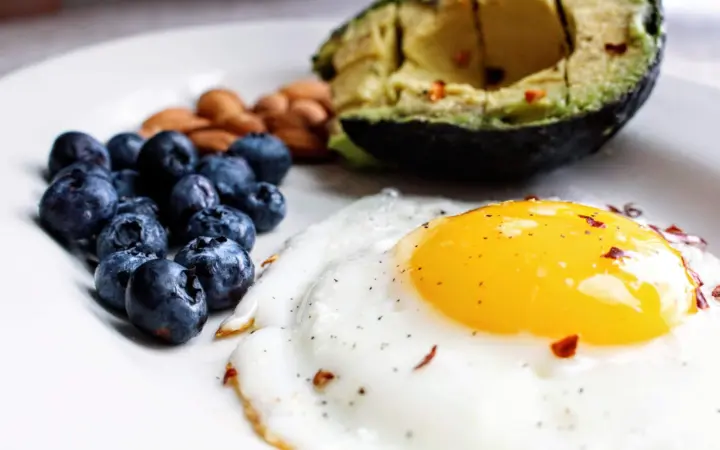
6. Eggs
Eggs contain phosphatidylcholine, the form of choline critical for oocyte membrane integrity and development. Choline deficiency is associated with reduced follicle quality and impaired egg maturation. Eggs also contain CoQ10, which powers mitochondrial function in the developing oocyte. Follicular mitochondria must generate the ATP required for the final maturation stage before ovulation. A study published in Human Reproduction found that women with higher follicular fluid CoQ10 concentrations had better egg quality outcomes. Eggs are the most efficient dietary source of both choline and CoQ10 simultaneously, making them a high-priority follicular phase food for women focused on ovulation quality.
7. Pumpkin Seeds
Pumpkin seeds are the richest plant-based source of zinc, providing approximately 7mg per 100 grams (64 percent of the daily value). Zinc is required for FSH receptor sensitivity on ovarian follicles, the receptor that responds to the FSH signal to stimulate follicle growth. Without adequate zinc, follicles grow more slowly and the LH ovulation signal is less efficient. Zinc also supports immune function and tissue healing, relevant during early follicular when the uterine lining is actively regenerating post-menstruation. The seed cycling protocol pairs pumpkin seeds with ground flaxseeds throughout the follicular phase for combined zinc and lignan support.
8. Wild-Caught Salmon
DHA (docosahexaenoic acid) is a structural component of oocyte membranes. The fluidity and integrity of the oocyte membrane, governing sperm penetration, nutrient transport into the developing egg, and subsequent embryo quality, depends significantly on the omega-3:omega-6 phospholipid ratio. A 2011 study in Fertility and Sterility found that women with higher DHA concentrations in follicular fluid had significantly better egg quality scores. EPA (eicosapentaenoic acid) feeds the anti-inflammatory prostaglandin pathways behind the effect on menstrual cramping, and the same pathways are why the inflammatory environment around a developing follicle is being studied. Two to three servings of wild-caught salmon weekly covers both the oocyte membrane and anti-inflammatory needs.
The omega-3 benefits are also covered in more detail in the omega-3 fish oil benefits for women guide.
Estrogen Synthesis Support (Late Follicular Priority)
9. Oats and Whole Grains
The follicular phase has slower metabolism and higher insulin sensitivity compared to the luteal phase, meaning complex carbohydrates are more efficiently utilized now. Oats, quinoa, and brown rice provide the B vitamins, particularly B6, that are cofactors for estrogen synthesis enzymes and for Phase 2 COMT methylation. B6 also supports the conversion of tryptophan to serotonin, which rises with estrogen in the follicular phase, contributing to the mood lift commonly reported in the first half of the cycle. The beta-glucan fiber in oats feeds the estrobolome beneficially, adding a gut-hormone axis benefit on top of the liver support.
10. Citrus Fruits and Bell Peppers
Vitamin C has been shown to stimulate estrogen production by enhancing aromatase (CYP19A1) activity, the enzyme that converts androgens to estrogens. A study in Fertility and Sterility found that vitamin C supplementation significantly improved progesterone levels in women with luteal phase defects, mediated partly through improved follicle quality in the preceding follicular phase. Citrus fruits also provide hesperidin and naringenin, flavonoids that modulate CYP enzymes and provide antioxidant protection to developing follicles. Pairing citrus with iron-rich foods (spinach, lentils) simultaneously maximizes non-heme iron absorption.
Iron Recovery (Early Follicular Priority)
11. Lentils and Spinach
Iron losses during menstruation are significant, particularly for women with heavy periods. The early follicular phase overlaps with active menstruation for most women, making iron recovery a nutritional priority before the liver activation window of late follicular. Non-heme iron from lentils (about 3.3mg per 100 grams cooked, 6.6mg a cup) and spinach (about 3.6mg per 100 grams cooked, by USDA FoodData Central) is absorbed far better with vitamin C: eating these with citrus or bell peppers raises non-heme iron absorption markedly, as the NIH Office of Dietary Supplements notes. A review in the American Journal of Clinical Nutrition confirmed that simultaneous vitamin C consumption dramatically enhances non-heme iron uptake. Lentils also provide folate for COMT methylation, B6, and soluble fiber for the estrobolome, making them a triple-mechanism food for the early follicular window.
12. Dark Chocolate (70 Percent Cacao or Higher)
Dark chocolate provides magnesium, which COMT, the Phase 2 methylation enzyme that neutralizes 4-OHE1, requires as a cofactor. Sub-optimal magnesium intake (common in women) means slower Phase 2 clearance of the more harmful estrogen metabolite, even if Phase 1 via cruciferous vegetables is working well. Dark chocolate also provides iron for early follicular recovery and theobromine, which has mild anti-inflammatory effects. The flavanols in 70 percent cacao support blood flow and modulate prostaglandin pathways. One to two squares (approximately 20-30 grams) provides a meaningful magnesium dose without excessive sugar. The signs of low progesterone often overlap with sluggish Phase 2 estrogen clearance, adequate magnesium during the follicular phase supports both.
What to Avoid During the Follicular Phase
Alcohol is the most significant follicular phase disruptor. The liver prioritizes alcohol metabolism via acetaldehyde dehydrogenase over estrogen metabolism. Alcohol exposure reduces CYP1A2 activity and depletes glutathione, directly impairing both Phase 1 and Phase 2 estrogen detox. Studies show that even moderate alcohol intake measurably increases circulating estrogen, compounding the already-rising levels of the follicular phase.
Refined sugar and ultra-processed foods spike insulin, which elevates IGF-1 (insulin-like growth factor 1). Elevated IGF-1 stimulates ovarian androgen and estrogen production beyond the controlled FSH-driven increase, disrupting the precise estrogen rise needed for normal follicle maturation and the LH surge timing.
Raw cruciferous vegetables in large amounts (for women with thyroid conditions specifically) contain goitrogens that can interfere with iodine uptake at high doses. Lightly steaming denatures most goitrogens while preserving I3C and sulforaphane activity. Women with Hashimoto’s or hypothyroidism should steam rather than eat cruciferous raw in large quantities.
3-Day Follicular Phase Meal Plan
Days 1-3 (early follicular): iron recovery and estrobolome foundation.
Days 8-13 (late follicular): liver activation and follicle development.
Day 1 (Early Follicular, Iron Recovery Focus)
Breakfast: Spinach and egg scramble with red bell pepper (iron and vitamin C paired for absorption) topped with two tablespoons ground flaxseed. Lunch: Lentil soup with fresh lemon, kale salad with olive oil. Dinner: Wild salmon with steamed broccoli and quinoa, rosemary in seasoning. Snack: Two squares dark chocolate (70 percent) with a handful of pumpkin seeds.
Day 2 (Early Follicular, Estrobolome Foundation)
Breakfast: Oat porridge with ground flaxseeds, mixed berries, and a cup of full-fat kefir. Lunch: Chickpea and spinach curry with brown rice. Dinner: Roasted Brussels sprouts with chicken, finished with fresh lemon juice. Snack: Two to three tablespoons sauerkraut alongside any meal; one orange.
Day 3 (Late Follicular, Liver Activation and Follicle Support)
Breakfast: Two eggs scrambled with sauteed broccoli and rosemary, topped with pumpkin seeds and ground flaxseed. Lunch: Wild salmon salad with mixed leafy greens, lemon vinaigrette, and a side of kimchi. Dinner: Lentil and black bean bowl with steamed cauliflower and fresh herbs. Snack: Full-fat yogurt with mixed berries and walnuts.
The follicular phase does not change your calorie need, so eat these foods inside the day’s budget: how many calories you should eat a day works that out and sets the protein target that goes with it.
Frequently Asked Questions
What are the best foods to eat during the follicular phase for hormone balance?
The best foods to eat during the follicular phase for hormone balance work through three mechanisms: Phase 1 and Phase 2 liver estrogen detox (cruciferous vegetables, rosemary, magnesium-rich dark chocolate), estrobolome maintenance to prevent estrogen recirculation (fermented foods, high-fiber legumes and leafy greens), and follicle development support (eggs, pumpkin seeds, wild-caught salmon). Foods that address the underlying mechanisms, the estrobolome and liver detox pathways, consistently outperform generic healthy eating recommendations during this phase.
Should I eat differently in early versus late follicular phase?
Yes. Early follicular (days 1-7) overlaps with menstruation, making iron recovery, B vitamin replenishment, and zinc the priority: lentils, spinach, eggs, and pumpkin seeds. Late follicular (days 8-13) shifts the priority to liver activation (cruciferous vegetables, flaxseeds, fermented foods) and follicle development nutrients (DHA from salmon, CoQ10 from eggs, zinc) as estrogen rises toward its pre-ovulation peak. Treating both as the same window misses the two different hormonal needs.
What is the estrobolome and why does it affect follicular phase foods?
The estrobolome is the collection of gut bacteria that metabolize estrogen. Certain bacteria produce beta-glucuronidase, an enzyme that deconjugates estrogen packaged for excretion by the liver, releasing it back into circulation. High-fiber diets (30 grams or more daily) feed beneficial Lactobacillus and Bifidobacterium species that keep beta-glucuronidase activity low, allowing estrogen to be properly excreted. This is why fiber intake during the follicular phase directly affects your estrogen load, independent of how much estrogen your ovaries produce. Gut dysbiosis or low-fiber diets can result in estrogen recirculation even when liver detox pathways are functioning normally.
Can I fast during the follicular phase?
Short fasting windows (12 to 14 hours, overnight) are better tolerated during the follicular phase than the luteal phase because cortisol is lower and insulin sensitivity is higher. Extended fasting (16 or more hours) is not recommended during early follicular when iron recovery and consistent protein intake are a priority. In late follicular, the body’s higher insulin sensitivity means nutrients are efficiently utilized and blood sugar is more stable, supporting moderate time-restricted eating if individually tolerated. Women with irregular cycles or a history of amenorrhea should avoid extended fasting at any cycle phase.
Why do all follicular phase food guides recommend cruciferous vegetables?
The specific mechanism: glucosinolates in cruciferous vegetables convert in the gut to Indole-3-Carbinol (I3C) and then to DIM (diindolylmethane), which activates the CYP1A1 enzyme in the liver. This routes estrogen metabolism toward the 2-hydroxyestrone (2-OHE1) pathway, the weakest and most protective estrogen metabolite, rather than the more estrogenic 4-OH or 16-OH pathways. The 2-OH:16-OH ratio is a measurable marker of estrogen metabolism direction. Rosemary compounds simultaneously suppress CYP1B1, the enzyme that produces the 4-OH metabolite. Both work together to shift the metabolite balance in the protective direction. This is the full mechanism behind what most articles summarize as “cruciferous vegetables support hormones.”
Getting Follicular Phase Nutrition Right
The follicular phase is where ovulation quality is built. The follicle that releases the egg in the middle of your cycle spent the preceding 13 days developing under conditions shaped by what you ate, how your liver processed rising estrogen, and whether your gut bacteria allowed that estrogen to be cleanly excreted. These are not abstract mechanisms, they are measurable and responsive to dietary intervention within a single cycle.
These best foods to eat during follicular phase are not a generic healthy eating list. Understanding which best foods to eat during follicular phase and why they work at the enzymatic level makes the difference between cycle nutrition that works and a list of foods that feels arbitrary. Each one works through a specific mechanism: the Phase 1/2 liver detox pathway, the estrobolome, follicle development nutrients, or iron recovery for the early follicular window. Food choices that address these mechanisms support not just how you feel in the first half of your cycle, but the progesterone production, luteal phase quality, and PMS patterns in the second half.
This article is for educational purposes only and does not constitute medical advice. Consult a qualified healthcare provider before making significant dietary changes, particularly if you have hormonal conditions, thyroid disorders, PCOS, or are trying to conceive.
Related Articles
- Best Foods to Eat During Menstrual Phase: 12 That Work by Mechanism
- Best Foods to Eat During the Luteal Phase: 12 That Actually Help
- Best Foods to Eat During Ovulation: 12 That Work by Mechanism
Sources
- PubMed, NIH. Whole-grain foods do not affect insulin sensitivity or markers of lipid peroxidation and inflammation in healthy, moderately overweight subjects.
- NCBI, NIH. A Cross-Cultural Study of Self-Defining Memories in Chinese and American College Students.
- USDA FoodData Central. USDA FoodData Central.
- NIH Office of Dietary Supplements. NIH Office of Dietary Supplements.