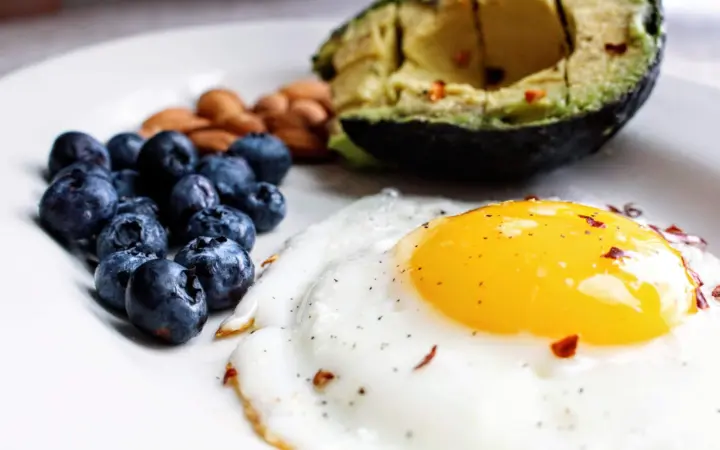


Gut healing foods work through four distinct biological mechanisms: providing direct fuel for the enterocytes (the cells that form the gut wall), upregulating the tight junction proteins that control what passes through the intestinal barrier, lowering zonulin (the master protein that opens those junctions), and restoring the microbial diversity that keeps the mucosal layer intact. If you have persistent bloating, food sensitivities that seem to multiply, skin flares, or brain fog that correlates with eating, increased intestinal permeability is worth understanding. Diet is the most researched intervention for restoring it.
Breakfast is the easiest meal to get fiber into. Our guide to breakfast recipes high in protein and fiber gives five that reach 25 to 30 g of protein with the fiber counted from USDA data.
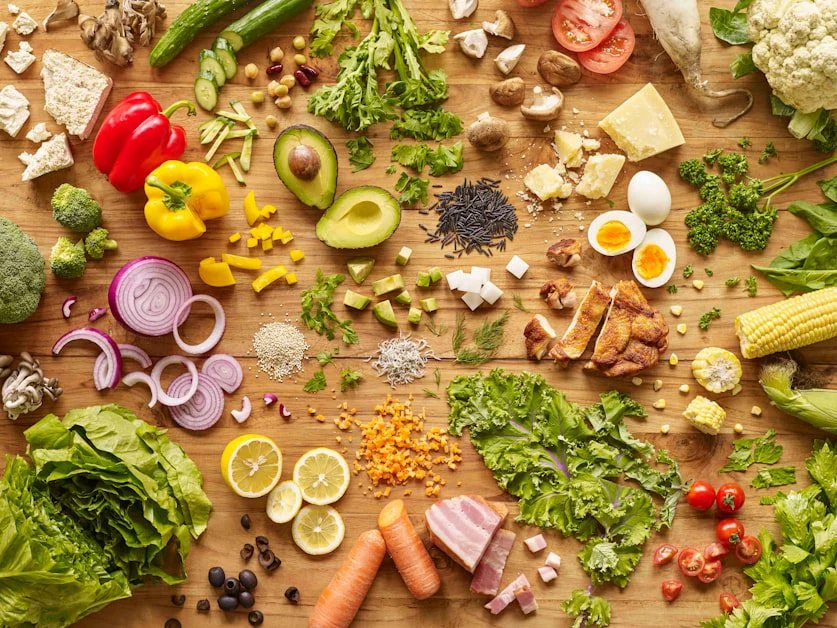
This guide ranks the foods that heal gut lining naturally by mechanism, not alphabetically. The order matters because the mechanisms work in sequence: you need enterocyte fuel before tight junction repair, and tight junction repair before microbiome restoration can hold. Eating randomly from a gut-health food list without understanding the sequence is why most people see only partial results.
How the Gut Lining Works and What Breaks It Down
The gut lining is a single cell layer thick, roughly the surface area of a tennis court, held together by tight junction protein complexes including claudin, occludin, and zonula occludens-1 (ZO-1). These proteins act as gatekeepers, allowing nutrients through while blocking bacteria, toxins, and undigested food particles. When the tight junctions loosen, a condition researchers call increased intestinal permeability, the immune system encounters molecules it was never designed to handle, triggering the chronic low-grade inflammation linked to autoimmune conditions, hormonal disruption, and digestive disorders.
Zonulin is the primary regulator of tight junction permeability. Discovered by gastroenterologist Alessio Fasano, zonulin is released by gut epithelial cells in response to specific triggers: gliadin (a component of gluten), pathogenic bacteria, and certain emulsifiers found in processed foods. Elevated zonulin opens tight junctions within minutes and can sustain that opening for hours. The foods that heal gut lining naturally are, in large part, the foods that keep zonulin low and tight junction proteins structurally intact.
10 Foods That Heal Gut Lining Naturally, Ranked by Mechanism
1. Bone Broth (L-Glutamine and Glycine: Direct Enterocyte Fuel)
Enterocytes, the cells that line the small intestine, use L-glutamine as their primary fuel source, not glucose. Bone broth is one of the richest dietary sources of free glutamine and glycine, the two amino acids enterocytes use for both energy and the synthesis of new tight junction proteins. Without adequate glutamine, enterocytes cannot replicate fast enough to maintain the lining, which turns over completely every three to five days under healthy conditions.
Research published in the journal Gut shows that L-glutamine reduces intestinal permeability in patients with increased gut leakiness, and bone broth delivers glutamine alongside glycine, which separately supports the mucosal layer through collagen-derived gelatin. Simmer bones for 12 to 24 hours to maximize amino acid extraction. One to two cups daily is the therapeutic dose used in gut-healing protocols. Bone broth is among the most established foods that heal gut lining naturally because it targets the lining cells directly, not indirectly through the microbiome.
2. Resistant Starch Foods (Butyrate Production: Tight Junction Gene Expression)
Resistant starch feeds Faecalibacterium prausnitzii and Roseburia intestinalis, the bacterial strains that ferment it into butyrate, a short-chain fatty acid that is the primary fuel for colonocytes (the cells lining the large intestine). Butyrate also acts as a histone deacetylase inhibitor, upregulating the gene expression of claudin and occludin, the two main structural tight junction proteins. More gene expression of these proteins means a structurally stronger intestinal barrier.
The best sources of resistant starch for butyrate production are cooked-and-cooled potatoes, cooked-and-cooled rice, green bananas, and raw oats. Cooling after cooking converts digestible starch into resistant starch through retrogradation. Reheat gently, as high heat partially reverses the conversion. Build resistant starch up gradually, because the gas that comes with rapid fermentation arrives before the microbiome adapts. These are among the most underused foods that heal gut lining naturally.
3. Zinc-Rich Foods (ZO-1 Tight Junction Protein Synthesis)
Zinc is a direct structural component of ZO-1, the scaffolding protein that anchors the claudin-occludin complex to the cytoskeleton of enterocytes. Without adequate zinc, ZO-1 synthesis is impaired and tight junctions become structurally unstable regardless of other dietary inputs. A review in the World Journal of Gastrointestinal Pathophysiology reports that zinc deficiency raises intestinal permeability and that correcting a shortfall improves it. That is narrower than it sounds: it says a deficiency is worth fixing, not that extra zinc tightens a gut that already has enough.
Oysters deliver more zinc per serving than any other food at 74 mg per 100g. Practical daily sources include pumpkin seeds (2.2 mg per ounce), hemp seeds, chickpeas, and lean red meat. Women on plant-based diets are especially vulnerable to zinc insufficiency because phytates in grains and legumes reduce absorption. Soaking legumes before cooking and using sprouted grains reduces phytate load and improves zinc bioavailability. Among the foods that heal gut lining naturally, zinc-rich foods are the ones most commonly underdosed.
4. Fermented Foods (Zonulin Reduction via Microbiome Restoration)
Certain Lactobacillus strains, particularly Lactobacillus rhamnosus GG and Lactobacillus plantarum, have been shown to directly reduce zonulin secretion by gut epithelial cells, tightening the junctions within days of consistent intake. The mechanism is competitive exclusion: beneficial bacteria occupy receptor sites on enterocytes that pathogenic bacteria and gliadin use to trigger zonulin release. A microbiome with adequate Lactobacillus diversity is structurally resistant to zonulin-mediated permeability spikes, according to research reviewed by the National Institutes of Health on probiotic interventions and intestinal barrier function.
Yogurt with live cultures, kefir, sauerkraut, kimchi, miso, and tempeh are the most studied sources. For gut-lining repair specifically, kefir has the strongest evidence: it contains 30 to 50 distinct bacterial and yeast strains versus the 1 to 5 strains in most yogurts. Start with a small glass and build up over a couple of weeks; going faster is where transient bloating from a rapid microbiome shift shows up.
5. Fatty Fish and Omega-3s (LPS-Driven Permeability Reduction)
Lipopolysaccharide (LPS) is a bacterial endotoxin that, when it crosses the intestinal barrier, drives systemic inflammation and further increases gut permeability, creating a self-reinforcing cycle. EPA and DHA from fatty fish reduce LPS-driven permeability by two mechanisms: they lower TLR4 signaling (the receptor LPS uses to trigger inflammation in intestinal tissue) and they shift gut microbiome composition away from the gram-negative bacteria that produce LPS toward beneficial strains.
Wild salmon, sardines, mackerel, and herring are the most concentrated sources. Two to three servings weekly provides the EPA and DHA doses used in intestinal permeability research. A 2019 study in Gut Microbiota found that omega-3 supplementation significantly reduced LPS-binding protein, a marker of bacterial endotoxin translocation, after eight weeks. Among foods that heal gut lining naturally, omega-3-rich fish targets the LPS pathway that most gut-health food lists ignore entirely.
6. Quercetin-Rich Foods (Direct Zonulin Suppression)
Quercetin, a flavonoid found in apples, onions, capers, and berries, is one of the few dietary compounds shown to directly suppress zonulin secretion. It works by stabilizing mast cells in the gut lining, preventing the release of histamine and other mediators that trigger zonulin production. Quercetin also upregulates the expression of claudin-4 and ZO-1 independent of zinc status, making it additive with zinc-rich foods rather than redundant.
Apples with skin are the most practical daily source, delivering 4 to 7 mg of quercetin per apple. Red onions contain the highest quercetin concentration of any vegetable. Capers are the single richest food source at 234 mg per 100g, though they are typically eaten in small quantities. Quercetin is fat-soluble, so eating quercetin-rich foods with fat improves absorption. Apples with almond butter or red onions in olive oil dressing optimize bioavailability.
7. Turmeric and Curcumin (NF-kB Inhibition: Tight Junction Protection)
Curcumin inhibits NF-kB, the transcription factor that drives inflammatory cytokine production in gut epithelial cells. When NF-kB is chronically activated by stress, infections, or processed-food diets, it downregulates the expression of tight junction proteins, effectively dissolving the structural integrity of the gut lining over time. Curcumin blocks this pathway upstream, preserving tight junction protein expression even in inflammatory conditions.
Black pepper contains piperine, which raised curcumin bioavailability by 2000 percent in the human pharmacokinetic study by inhibiting intestinal glucuronidation. Always combine turmeric with black pepper and a fat source for maximum benefit. The curcumin trials used 500 to 1000 mg a day, amounts that need a supplement, but regular culinary use provides meaningful anti-inflammatory benefit at the gut lining level and makes turmeric one of the most accessible foods that heal gut lining naturally.
8. Cooked Leafy Greens and Vitamin A Foods (Mucosal IgA and Epithelial Renewal)
Vitamin A (retinol and beta-carotene) is required for the production of secretory IgA, the primary antibody in the gut mucosal layer. Secretory IgA is the first line of immunological defense against the bacteria and antigens that trigger zonulin release. Vitamin A is also essential for the differentiation of goblet cells, the specialized cells that produce the mucus layer sitting above the epithelium. Without an adequate mucus layer, the epithelial cells are directly exposed to gut contents, accelerating tight junction breakdown.
Sweet potatoes, carrots, spinach, and kale are the richest plant sources of beta-carotene. Liver is the richest preformed retinol source. Cooking increases beta-carotene bioavailability from plant sources significantly, which is why cooked leafy greens outperform raw for gut-lining support specifically. Pair with fat to optimize absorption of this fat-soluble nutrient.
9. Collagen-Rich Foods (Glycine for Mucosal Layer Maintenance)
Collagen provides glycine, proline, and hydroxyproline, the three amino acids that form the extracellular matrix supporting the gut epithelium. Glycine specifically reduces intestinal inflammation and supports enterocyte survival under oxidative stress. It is also the substrate for glutathione synthesis, the primary antioxidant system in gut lining cells. Foods that heal gut lining naturally through collagen include slow-cooked meats on the bone, chicken skin, and collagen peptide powders added to meals.
The distinction between collagen foods and bone broth is worth noting. Bone broth provides soluble gelatin and free amino acids that are immediately bioavailable. Whole collagen-containing foods like slow-cooked meats require digestive processing but provide a sustained amino acid release that extends the enterocyte fueling window beyond what bone broth alone provides.
10. Green Tea (Tight Junction Stabilization via AMP Kinase Activation)
EGCG, the primary catechin in green tea, activates AMP kinase in enterocytes, a cellular energy sensor that promotes tight junction assembly and reduces the cytoskeletal rearrangement that loosens junctions during stress and inflammation. EGCG also directly inhibits the myosin light chain kinase pathway, one of the intracellular signals that physically pulls tight junctions open in response to inflammatory cytokines. Three to four cups of green tea daily or one to two cups of matcha provides therapeutically meaningful EGCG alongside L-theanine that buffers any caffeine sensitivity.
Foods That Damage the Gut Lining and Raise Zonulin
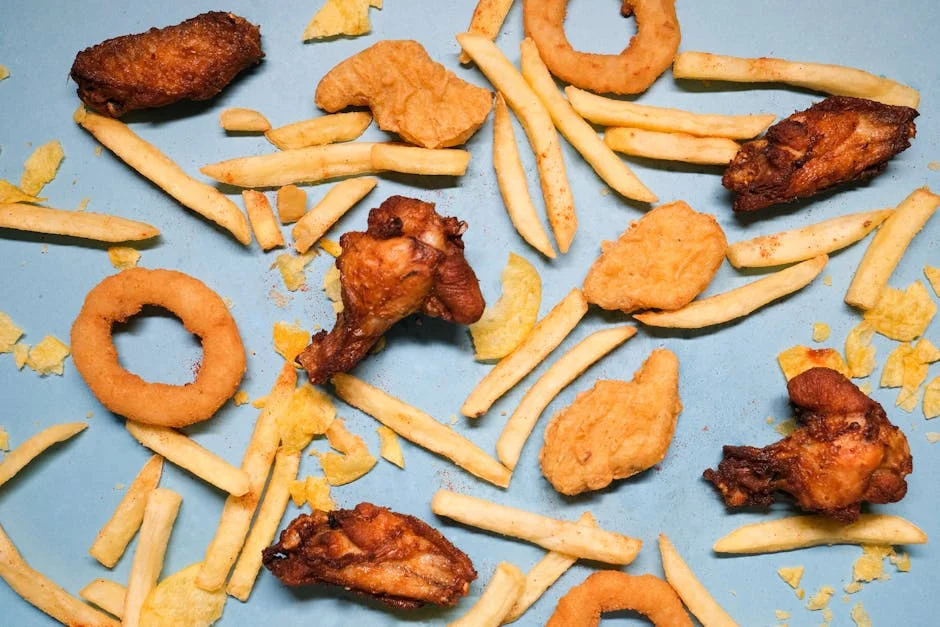
The foods that heal gut lining naturally lose ground quickly if foods that raise zonulin remain in the diet. Gliadin, the protein in gluten, triggers zonulin release in all humans, not only those with celiac disease or confirmed sensitivity. The degree of response varies, but research by Fasano confirms the mechanism is universal. Women with unresolved bloating or food sensitivities often see significant improvement from a two-to-four-week gluten elimination trial even without a formal diagnosis.
Food-grade emulsifiers including carrageenan, polysorbate-80, and carboxymethylcellulose, found in many dairy alternatives, salad dressings, and processed snacks, directly disrupt the mucus layer that protects the epithelium from zonulin triggers. Alcohol increases intestinal permeability by raising endotoxin levels in the portal circulation and impairing the liver’s ability to clear LPS before it reaches systemic circulation. Each of these exposures partially offsets the benefit of foods that heal gut lining naturally and should be addressed alongside dietary additions.
The Female Gut: Why Women Need These Foods at Specific Cycle Phases
Estrogen receptors are distributed throughout the gastrointestinal tract, from the esophagus to the colon. Estrogen upregulates tight junction protein expression, which is why gut symptoms often worsen in the late luteal phase when estrogen drops sharply before menstruation. The week before a period is when intestinal permeability is at its highest in cycling women, and when food sensitivities, bloating, and digestive discomfort are most pronounced.
This is the direct connection between the foods that heal gut lining naturally and the broader cluster of female hormonal symptoms including hormonal bloating, estrogen dominance symptoms, and the estrobolome dysfunction that drives estrogen recirculation. A compromised gut lining reduces the estrobolome’s ability to excrete estrogen, contributing directly to estrogen dominance even when dietary estrogen load is low.
In perimenopause, declining estrogen removes its protective effect on tight junction protein expression, leaving gut integrity more dependent on dietary inputs. This is why the foods that heal gut lining naturally become increasingly important after 40. The best probiotics for gut health pair directly with the dietary framework here, addressing the microbiome side of the equation that food alone cannot fully restore once perimenopause-related dysbiosis sets in.
Gut repair needs enough energy and enough protein before any particular food helps; how many calories you should eat a day sets both from your size, age and activity.
Frequently Asked Questions
How long does it take for foods that heal gut lining naturally to work?
The gut lining renews itself every three to five days under healthy conditions. Research shows measurable improvements in intestinal permeability markers within two to four weeks of consistent dietary change. Symptom improvement typically follows the biomarker improvement by one to two weeks, as the immune system takes time to downregulate after the structural trigger is removed. Most people following a consistent gut-healing protocol notice meaningful digestive improvement within four to six weeks.
Is bone broth the most important food for gut lining repair?
Bone broth is important because it provides L-glutamine and glycine in a form that requires minimal digestion. However, resistant starch for butyrate production and zinc for ZO-1 synthesis are equally foundational. The most effective approach combines all three mechanisms: enterocyte fuel from bone broth or collagen foods, butyrate from resistant starch, and tight junction structural support from zinc-rich foods. No single food covers all four healing pathways among the foods that heal gut lining naturally.
Can foods that heal gut lining naturally help with food sensitivities?
Yes. Many food sensitivities result from increased intestinal permeability allowing partially digested food proteins to contact the immune system directly. As the gut lining repairs, the immune activation driving these sensitivities often reduces. This process takes time: the immune memory takes longer to reset than the structural repair. Most people notice a reduction in food sensitivity reactivity within three to six months of consistent gut-lining support, provided the trigger foods including gluten, emulsifiers, and alcohol are simultaneously reduced.
Do these foods help with what people call leaky gut?
The term leaky gut syndrome is not used in mainstream gastroenterology because it implies a discrete disease rather than a spectrum of increased intestinal permeability seen alongside many conditions. However, the foods that heal gut lining naturally address the underlying biology of increased permeability regardless of what label is applied. They reduce zonulin, support tight junction protein synthesis, provide enterocyte fuel, and restore the microbiome, all of which are relevant to intestinal barrier function whether or not a formal diagnosis has been made.
Are there gut-healing foods that work better for women specifically?
Yes. Foods that support estrogen balance indirectly support gut lining integrity, since estrogen upregulates tight junction protein expression. Fermented foods that reduce beta-glucuronidase activity support the estrobolome, preventing estrogen recirculation that dysregulates the gut-immune axis. Zinc and B6 from pumpkin seeds support progesterone synthesis, and higher progesterone in the luteal phase partially offsets estrogen’s tight junction support as estrogen drops. The gut-healing food framework for women is deeply connected to the broader hormonal nutrition picture.
Conclusion
The foods that heal gut lining naturally work through four sequential mechanisms: fueling enterocytes directly with L-glutamine and glycine from bone broth, driving butyrate production via resistant starch that upregulates tight junction gene expression, supplying zinc for ZO-1 protein synthesis, and restoring the microbial diversity that keeps zonulin low. No single food covers all four, which is why the combination approach consistently outperforms any single gut-health superfood.
Start by adding bone broth or a glutamine-rich collagen source daily, introduce resistant starch foods gradually to build butyrate-producing bacteria, ensure zinc intake from pumpkin seeds or zinc-rich animal foods, and include fermented foods for zonulin suppression. Simultaneously reduce the three primary gut-lining damagers: emulsifiers in processed foods, alcohol, and routine gluten exposure if you have unresolved digestive symptoms. Most women following this framework consistently notice measurable improvement in bloating, food tolerance, and energy within four to six weeks.
Medical disclaimer: This article is for informational purposes only and does not constitute medical advice. Gut health conditions should be assessed by a qualified gastroenterologist or healthcare provider. Always consult your doctor before making significant dietary changes, particularly if you have a diagnosed digestive condition.
Related Articles
- Foods That Reduce Estrogen Dominance: 12 That Work by Mechanism
- Best Foods to Eat During Ovulation: 12 That Work by Mechanism
- Best Foods to Eat During Menstrual Phase: 12 That Work by Mechanism
Sources
- NCBI, NIH. Zinc and gastrointestinal disease.
- NCBI, NIH. Gut Microbiome: Profound Implications for Diet and Disease.