 Lifestyle
 Food & Nutrition
 Fitness

Collagen supplements for skin elasticity over 40 have gone from niche wellness trend to mainstream recommendation – and for good reason. When researching collagen supplements for skin elasticity over 40, one fact stands out immediately: after 40, your skin loses roughly 1% of its collagen per year, and that decline accelerates after menopause. The result: skin that sags, wrinkles more easily, and takes longer to bounce back. The question most women are asking is whether collagen supplements can actually reverse or slow that process – or whether it is just expensive marketing.
The answer, backed by a growing body of clinical research, is more encouraging than the skeptics suggest. Collagen supplements for skin elasticity over 40 are now one of the most researched areas in nutritional dermatology. This guide covers the science, the best types of collagen for skin elasticity, correct dosage, what to combine them with, and realistic expectations – so you can make an informed decision.
- 1 Why Skin Loses Elasticity After 40
- 2 Do Collagen Supplements for Skin Elasticity Over 40 Actually Work?
- 3 Types of Collagen Supplements: Which One Is Best for Skin?
- 4 Collagen Dosage and Timing for Best Results
- 5 What to Look for When Buying Collagen Supplements
- 6 What to Combine With Collagen for Maximum Skin Benefits
- 7 Realistic Results: What to Expect and When
- 8 Frequently Asked Questions
- 9 Conclusion
Why Skin Loses Elasticity After 40

Collagen is the most abundant protein in your body, making up approximately 75% of your skin’s dry weight. It forms a dense mesh of fibers in the dermis that gives skin its structure, firmness, and elasticity. Elastin works alongside collagen to allow skin to stretch and snap back into place.
Starting in your mid-20s, collagen production begins to decline at approximately 1% per year. By 40, this decline is noticeable. After menopause, estrogen loss dramatically accelerates collagen depletion – the National Institutes of Health reports that skin loses approximately 30% of its collagen in the first five years after menopause.
Several factors accelerate this loss beyond normal aging:
- UV exposure – degrades collagen fibers and inhibits new synthesis
- High sugar consumption – glycation stiffens and damages existing collagen
- Smoking – reduces collagen production and destroys existing fibers
- Chronic stress – elevated cortisol breaks down collagen in the dermis
- Poor sleep – collagen synthesis peaks during deep sleep stages
The result of declining collagen is reduced elasticity, visible sagging around the jawline and cheeks, deeper expression lines, and skin that looks and feels thinner. See our related guide on Skin Longevity Habits for Women Over 40 for a broader view of lifestyle factors that protect skin structure.
Do Collagen Supplements for Skin Elasticity Over 40 Actually Work?

The skeptical view is that collagen molecules are too large to survive digestion intact and reach the skin. This was a reasonable concern before hydrolyzed collagen peptides became the standard form. Modern collagen supplements use hydrolysis – a process that breaks collagen down into small peptides (2 to 10 amino acids long) that are absorbed directly into the bloodstream through the intestinal wall.
Multiple clinical trials now support the efficacy of hydrolyzed collagen peptides for skin elasticity. A double-blind, placebo-controlled study published in the Journal of Medical Nutrition and Nutraceuticals found that women who took 2.5 to 5 grams of hydrolyzed collagen peptides daily for eight weeks showed significant improvement in skin elasticity compared to the placebo group.
A 2023 systematic review analyzing 26 randomized controlled trials found consistent evidence that oral collagen peptide supplementation improves skin hydration, elasticity, and collagen density, with measurable results appearing after 8 to 12 weeks of daily use.
This is the core reason collagen supplements for skin elasticity over 40 work differently than they do at younger ages – post-40 fibroblasts respond more slowly to collagen degradation signals, making external supplementation increasingly valuable. The mechanism: absorbed collagen peptides act as signaling molecules that stimulate fibroblasts – the cells responsible for producing new collagen – to increase collagen synthesis in the dermis. They also appear to stimulate hyaluronic acid production, further improving skin hydration and plumpness.
Types of Collagen Supplements: Which One Is Best for Skin?
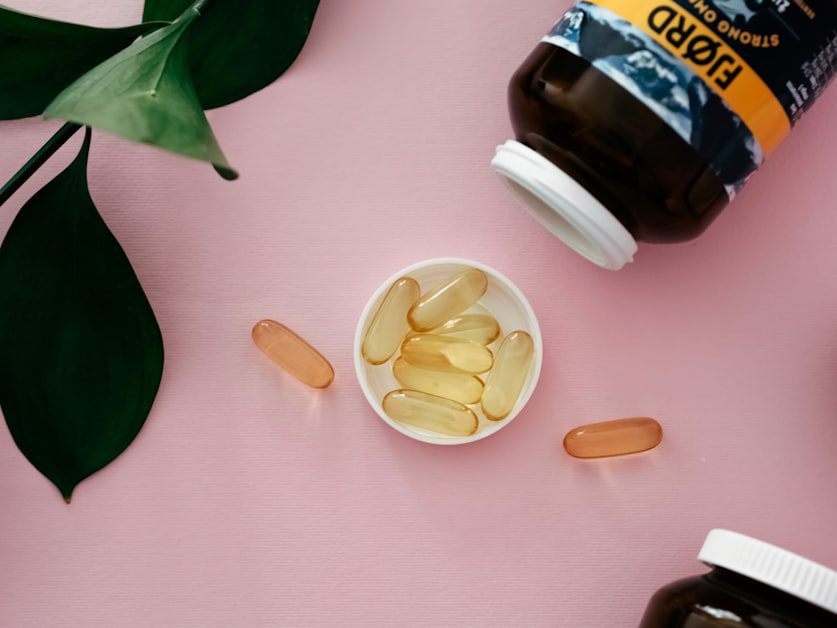
Not all collagen supplements are equal. There are at least 28 known types of collagen, but for skin elasticity over 40, two types matter most:
Type I Collagen
Type I is the most abundant collagen in skin and accounts for approximately 90% of the body’s total collagen. It forms the dense fibrillar network in the dermis that gives skin its firmness and tensile strength. Marine collagen (from fish skin and scales) and bovine collagen from hides are both rich in Type I collagen peptides. Type I collagen is the most well-studied for skin elasticity benefits and should be the primary type in any skin-focused supplement.
Type III Collagen
Type III collagen is found alongside Type I in skin and blood vessels. It contributes to skin’s supple, soft texture and is particularly important for maintaining elasticity in aging skin. Bovine collagen supplements typically contain both Type I and Type III, making them a strong choice for comprehensive skin support.
Marine vs. Bovine Collagen for Skin
Marine collagen (fish-derived) is composed primarily of Type I collagen and is considered to have superior bioavailability – the peptides are smaller on average, which may mean faster absorption. Bovine collagen contains both Type I and Type III, providing broader skin and connective tissue support. Both are clinically supported; the choice often comes down to dietary preferences (pescatarian vs. omnivore) and product quality.
Collagen Dosage and Timing for Best Results

When choosing collagen supplements for skin elasticity over 40, dosage is one of the most important variables. The most clinically studied dose range for skin benefits is 2.5 to 10 grams of hydrolyzed collagen peptides per day. Most high-quality studies showing meaningful skin elasticity improvements used doses in the 5 to 10 gram range for women over 40.
When to Take Collagen
Timing matters more than many people realize:
- Morning on an empty stomach – maximizes absorption before food competition
- Before bed – collagen synthesis peaks during deep sleep, making pre-sleep supplementation logical
- Post-workout – physical activity stimulates fibroblast activity, making this a window of enhanced collagen utilization
Any of these windows work. Consistency over time matters more than precise timing. Pick the time that fits your routine and stick with it daily.
How Long to Take Collagen
Initial improvements in hydration and fine lines appear at 4 to 6 weeks. Measurable improvements in elasticity and skin density typically require 8 to 12 weeks of consistent daily supplementation. Maximum benefits are seen at the 3 to 6 month mark, with continued gradual improvement thereafter.
What to Look for When Buying Collagen Supplements
The supplement market is crowded with collagen products of highly variable quality. Not all collagen supplements for skin elasticity over 40 deliver what they promise. These are the key criteria that separate effective products from marketing-heavy options with minimal clinical backing:
Hydrolyzed Collagen Peptides
Always verify that the product specifically uses hydrolyzed collagen peptides (also called collagen hydrolysate). Unhydrolyzed collagen is not well-absorbed. The label should state molecular weight – effective peptides are typically under 3,000 Daltons.
Third-Party Testing
Look for products tested by independent third-party organizations such as NSF International, USP, or Informed Sport. This verifies that what is on the label is what is in the product – critical for supplements not regulated as pharmaceuticals.
Minimal Additives
Quality collagen supplements have short ingredient lists. Avoid products with excessive fillers, artificial sweeteners, or proprietary blends that obscure the actual collagen dose.
Vitamin C Included or Combined
Vitamin C is an essential cofactor for collagen synthesis – the body cannot produce collagen without it. Look for supplements that include vitamin C, or ensure you are getting adequate vitamin C through diet or a separate supplement when taking collagen. The NIH Office of Dietary Supplements recommends 75mg daily for women, with higher amounts potentially beneficial during active collagen supplementation.
What to Combine With Collagen for Maximum Skin Benefits
Collagen supplements work best as part of a broader strategy for skin elasticity over 40. These evidence-backed additions significantly amplify results:
Vitamin C
Essential for collagen synthesis – take 500 to 1000mg alongside your collagen supplement, or eat citrus, bell peppers, or kiwi daily.
Hyaluronic Acid
Collagen supplementation stimulates hyaluronic acid production, but adding a topical hyaluronic acid layer (in your morning routine) significantly increases visible plumpness and elasticity.
Ceramide Barrier Repair
Collagen works from the inside; ceramides work from the outside. Combining oral collagen supplements with a topical ceramide barrier repair morning routine creates a comprehensive inside-out approach to skin elasticity that outperforms either strategy alone.
Zinc and Copper
Both minerals are required cofactors for collagen cross-linking – the process that determines collagen fiber strength. Zinc-rich foods (pumpkin seeds, chickpeas) and copper-rich foods (dark chocolate, liver) support the structural integrity of newly synthesized collagen.
Anti-Inflammatory Diet
Chronic inflammation breaks down existing collagen faster than it can be replaced. Reducing processed foods, refined sugar, and inflammatory oils while increasing omega-3 fatty acids, colorful vegetables, and polyphenol-rich foods significantly improves the return on your collagen supplement investment. For specific dietary guidance, see our article on Gut Health Foods for Clear Glowing Skin.
Realistic Results: What to Expect and When
Collagen supplements for skin elasticity over 40 produce real, measurable results – but they are not overnight transformations. Here is what research and clinical data suggest:
- Weeks 2 to 4: Improved skin hydration and a subtle plumping effect. Nails may grow faster (Type I collagen supports nail structure).
- Weeks 6 to 8: Visible reduction in fine lines, improved skin texture, early elasticity improvements measurable by clinical tools.
- Months 3 to 6: Meaningful improvement in skin firmness and elasticity, reduced sagging in early-stage areas, improved overall skin density.
- Beyond 6 months: Cumulative benefits continue with sustained daily use. Some studies show continued improvement at the 12-month mark.
Results vary based on baseline skin condition, dose, product quality, and lifestyle factors. Women who use collagen supplements for skin elasticity over 40 alongside topical actives like retinol alternatives, ceramides, and SPF consistently report better outcomes than supplementation alone. Our guide to Body Skincare Routine for Anti-Aging Women outlines how to build the full topical side of this strategy.
Frequently Asked Questions
Are collagen supplements safe for women over 40?
Collagen supplements for skin elasticity over 40 are generally well-tolerated with an excellent safety profile. They are derived from animal proteins (fish, bovine, or porcine) and are not associated with significant side effects at doses up to 10 grams per day. Women with fish or shellfish allergies should avoid marine collagen and opt for bovine alternatives. As with any supplement, consult your physician if you have existing health conditions or take medications.
Can I get enough collagen from food alone?
Bone broth, skin-on poultry, and fish with bones contain collagen, but the concentrations are significantly lower than clinical supplement doses (typically 2.5 to 10 grams). Consuming collagen-rich foods alongside a vitamin C-rich diet supports collagen synthesis, but for targeted skin elasticity benefits, supplementation provides a more reliable and concentrated dose.
Is plant-based collagen the same as animal collagen?
True plant-based collagen does not exist – collagen is a uniquely animal protein. Products marketed as “vegan collagen” typically contain collagen boosters (vitamin C, zinc, amino acids like glycine and proline) that support your body’s own collagen synthesis rather than providing collagen directly. These can be beneficial but are not equivalent to hydrolyzed collagen peptides for skin elasticity.
Will collagen supplements help with other signs of aging besides skin?
Yes. Collagen supplementation has clinical support for joint health (reduced joint pain, improved mobility), bone density (Type I collagen is the primary component of bone matrix), hair thickness, and nail strength. Women over 40 taking collagen for skin elasticity often notice improvements in joint comfort as a secondary benefit, particularly in the knees and hands.
How long should I continue taking collagen supplements?
For sustained results from collagen supplements for skin elasticity over 40, long-term daily supplementation is recommended. Collagen production declines continuously with age, so supplementation maintains the elevated fibroblast activity and collagen density achieved in the first few months. Most dermatologists who recommend collagen supplements suggest treating them as a long-term daily habit rather than a short-term course.
Conclusion
Collagen supplements for skin elasticity over 40 are backed by genuine science. Hydrolyzed collagen peptides at doses of 5 to 10 grams daily, taken consistently for 8 to 12 weeks, produce measurable improvements in skin elasticity, hydration, and density – with continued benefits beyond the one-year mark.
The key is product quality: choose hydrolyzed collagen peptides, prioritize Type I (and Type III for broad skin support), look for third-party testing, and pair your supplement with adequate vitamin C. Combine oral collagen with a solid topical routine and lifestyle habits that support collagen synthesis, and the results compound significantly.
After 40, you cannot stop collagen decline – but you can meaningfully slow it down and, in many cases, visibly reverse some of its effects. Starting a consistent collagen supplement routine today puts time on your side.
Medical Disclaimer: This article is for informational purposes only and does not constitute medical advice. Collagen supplements are not intended to diagnose, treat, cure, or prevent any disease. Consult your healthcare provider before starting any new supplement regimen, particularly if you have medical conditions, allergies, or take prescription medications.