


The signs of burnout in women are often dismissed as tiredness, stress, or just being busy, but burnout is a distinct state of physical, emotional, and mental exhaustion that will not improve with a good night’s sleep. Research published in the Annals of Internal Medicine found that women experience burnout at significantly higher rates than men, driven by the compounding demands of careers, caregiving, emotional labor, and societal expectations that rarely let up.
Understanding what the signs of burnout in women actually look like, and why it hits women harder, is the first step toward recovery. This guide walks through 12 specific warning signs, explains the physiological reasons women are more vulnerable, and outlines a recovery path grounded in science.
What Is Burnout (and How It Differs from Stress)
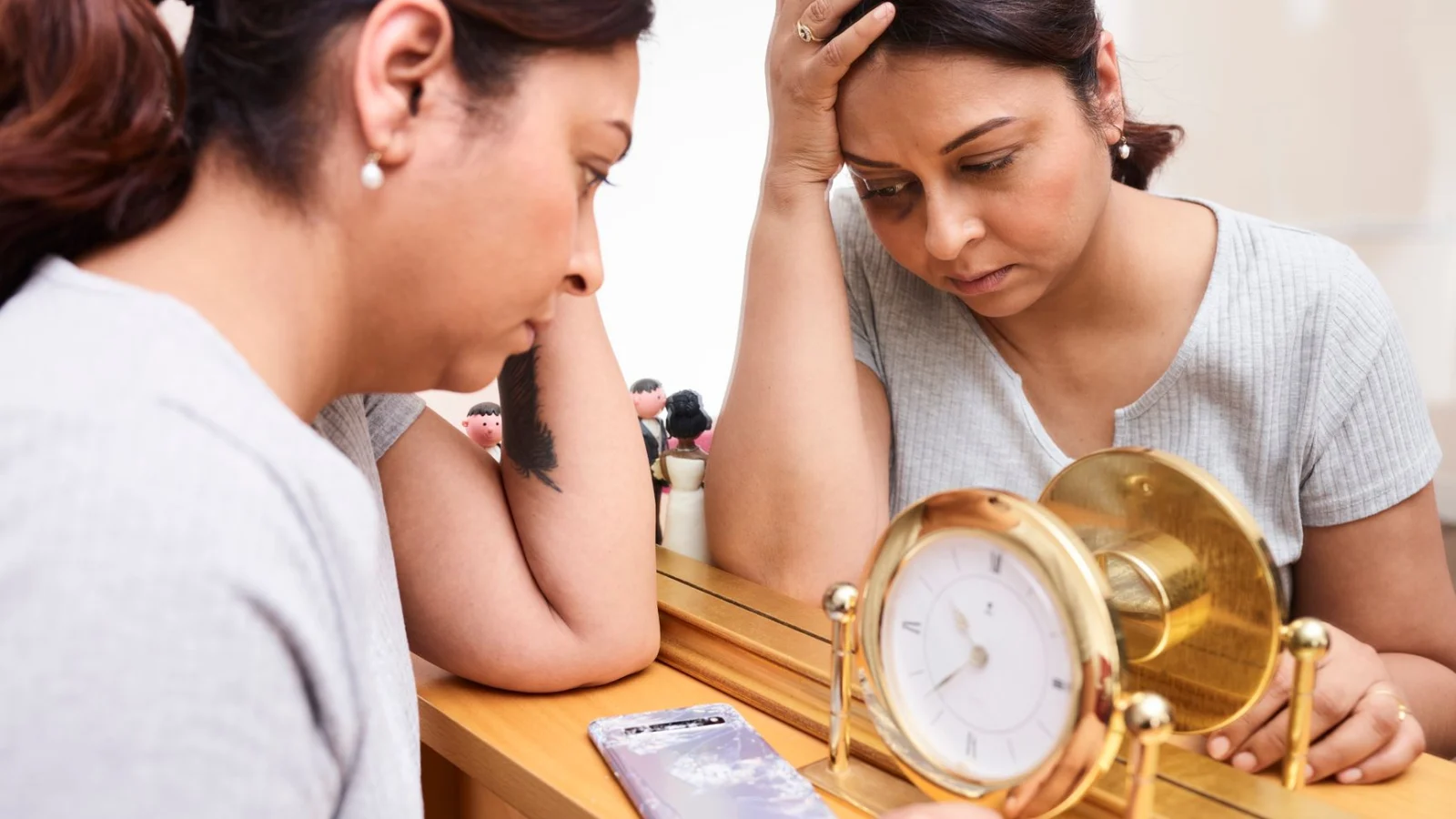
Burnout is not the same as stress. The World Health Organization classifies burnout as an occupational phenomenon characterized by three dimensions: feelings of energy depletion or exhaustion, increased mental distance from one’s work or feelings of negativism related to one’s work, and reduced professional efficacy. While that definition focuses on work, mental health researchers at the Mayo Clinic recognize burnout extending into caregiving, parenting, and life roles as well.
Stress feels like too much: too many responsibilities, too little time. Burnout feels like too little, too little motivation, too little feeling, too little care about things that once mattered deeply. That distinction is key for recognizing when something more serious is happening in your body and mind.
The signs of burnout in women are easy to overlook precisely because women are conditioned to push through early signals, and because many of those signals look exactly like productivity. Waking up at 5 a.m., skipping meals, answering messages at midnight, saying yes to everything, these behaviors get rewarded until the system collapses.
Why Women Are More Vulnerable to Burnout

Before exploring each of the signs of burnout in women, it helps to understand why women are disproportionately affected. A 2023 survey by the American Psychological Association found that women reported higher levels of stress than men across nearly every life domain, including work, family, health, and finances. Several biological and social factors explain this gap.
The double shift. Most women carry a disproportionate share of unpaid labor at home: childcare, elder care, cooking, scheduling, even after full-time work hours. Data from the Bureau of Labor Statistics consistently shows women spending more hours per day on household and caregiving tasks than men.
Emotional labor. Women are socialized to monitor, manage, and soothe the emotions of those around them. This invisible work is exhausting and rarely acknowledged or compensated.
Hormonal sensitivity. Cortisol, the primary stress hormone, interacts with estrogen and progesterone in ways that amplify the body’s stress response in women. Research from the National Institutes of Health shows that women’s HPA axis (the stress regulation system) recovers more slowly than men’s after acute stress exposure.
High-functioning burnout. Many women experiencing burnout still appear capable and composed from the outside. Their performance holds, their social face stays intact, while internally they are running on empty. This pattern makes burnout harder to recognize and easier to ignore until it becomes a crisis.
12 Warning Signs of Burnout in Women
The signs of burnout in women rarely arrive all at once. They accumulate gradually, which is part of why burnout is so easy to miss until it becomes severe. Knowing what to look for makes a real difference in catching it early.
1. Exhaustion That Sleep Does Not Fix
The most consistent sign of burnout is fatigue that does not respond to rest. You can sleep eight hours and still wake up drained. This is different from ordinary tiredness. It reflects depletion at a deeper physiological level, including dysregulation of cortisol rhythms and disrupted cellular energy production.
2. Emotional Numbness or Feeling Detached
Burnout progressively blunts emotional experience. You may notice that you feel flat, disconnected from people you love, or unable to access emotions that used to come naturally. This numbness is a protective response from a nervous system that has been overstimulated for too long.
3. Increased Irritability or Anger
When internal resources are depleted, the capacity to tolerate frustration shrinks dramatically. Small inconveniences that would not normally bother you begin to feel unbearable. Irritability and disproportionate anger are among the earliest behavioral signs of burnout in women, and are often mistakenly attributed to hormones or personality.
4. Difficulty Concentrating (Brain Fog)
One of the more frustrating signs of burnout in women is cognitive fatigue. Women experiencing burnout frequently describe forgetting words mid-sentence, losing their train of thought, struggling to make even simple decisions, or feeling like their thinking has slowed down. Chronic high cortisol is directly neurotoxic to the prefrontal cortex, the brain region responsible for focus and executive function. If you are also noticing memory issues and low energy alongside mood changes, it is worth exploring whether a vitamin B12 deficiency could be compounding the picture.
5. Dreading Things You Used to Enjoy
Burnout hijacks motivation by depleting dopamine pathways. Activities, hobbies, relationships, or work that once brought genuine pleasure begin to feel like obligations. This is called anhedonia, and it is one of the red flags that distinguishes burnout from ordinary fatigue.
6. Physical Symptoms With No Clear Cause
Physical symptoms are among the most overlooked signs of burnout in women. The body keeps score, and burnout commonly manifests as recurring headaches, gastrointestinal problems, muscle tension, jaw clenching, frequent colds, or unexplained aches and pains. These are real physiological responses to sustained stress hormones, not imagined or exaggerated symptoms.
7. Sleep Disruption Despite Exhaustion
Despite being exhausted, many women with burnout struggle to fall asleep, stay asleep, or feel rested after sleeping. An overactivated nervous system stays in a low-grade alert state even during rest. Elevated evening cortisol is a common finding in burned-out individuals. Supporting sleep quality with magnesium glycinate has research backing for reducing sleep onset time and nighttime cortisol levels.
8. Neglecting Personal Needs
Neglecting self-care is a late-stage sign of burnout in women that signals the depletion has become severe. As burnout deepens, self-care erodes. Meals get skipped or replaced with convenience food, exercise stops, medical appointments get canceled, hygiene routines shrink. This is not laziness. It is a depletion of the cognitive and emotional bandwidth needed to maintain daily functioning.
9. Social Withdrawal
Social withdrawal is one of the signs of burnout in women that often goes unnoticed by others, because the woman experiencing it appears fine from a distance. Social connection requires energy. When reserves are depleted, even relationships with people you care about begin to feel like too much effort. Women experiencing burnout often cancel plans, stop reaching out to friends, or feel more like themselves when alone. This isolation can deepen burnout significantly over time.
10. Cynicism or Loss of Purpose
A growing sense that nothing you do matters, that your efforts are pointless, or that your values are disconnected from how you spend your time is a core psychological sign of burnout. This is not pessimism as a personality trait. It is exhaustion eroding the ability to find meaning.
11. Decreased Performance Despite Greater Effort
Burnout creates a painful paradox: you are working harder but producing less. Productivity drops, errors increase, and tasks that used to take thirty minutes now take two hours. Women often respond by pushing harder, which accelerates the depletion cycle rather than breaking it.
12. Constant Low-Grade Anxiety
Persistent anxiety is one of the most commonly reported signs of burnout in women, and one of the most misunderstood. A persistent, background hum of anxiety is common in burnout. It may not feel like a panic attack, just a continuous sense of unease, of being behind, of something always about to go wrong. If you recognize this pattern, our guide to signs of high functioning anxiety in women explores the overlap in detail.
Burnout vs. Depression: Key Differences

When assessing the signs of burnout in women, it is important to distinguish burnout from clinical depression. Both conditions share significant symptom overlap, including fatigue, loss of pleasure, and cognitive difficulties, but they are clinically distinct. Understanding the difference matters for choosing the right recovery path.
Burnout is context-specific. It typically improves with removal from the stressor: a break from work, a reduction in caregiving demands, a change in circumstances. Depression is pervasive. It affects all areas of life regardless of circumstance and does not lift with rest alone.
Burnout tends to produce numbness and emptiness. Depression often includes profound sadness, hopelessness, guilt, and in severe cases, thoughts of self-harm. Burnout can trigger depression if left unaddressed for long enough, which is one reason early recognition matters so much.
If you are unsure which you are experiencing, a licensed mental health professional can differentiate the two through a clinical assessment. Both conditions are treatable, but they respond to different interventions.
How to Recover from Burnout Naturally
Addressing the signs of burnout in women requires more than a long weekend off. Recovery is a deliberate process. The nervous system needs time and consistent support to regulate back to baseline. These strategies are evidence-based and appropriate for moderate burnout. Severe burnout warrants professional support.
Reduce the load where possible. Burnout recovery begins with removing or reducing the sources of depletion. This may mean renegotiating work responsibilities, setting limits on availability, saying no to commitments that are not essential, or asking for help with caregiving tasks. This step is often the hardest because it runs against the instinct to push through.
Prioritize sleep above everything else. Sleep is the primary mechanism through which the brain clears stress hormones and repairs tissue. A consistent sleep schedule, minimal evening screen exposure, a cool and dark sleep environment, and avoiding caffeine after 2 p.m. are the non-negotiable foundations of recovery.
Support your adrenal system nutritionally. Chronic stress depletes B vitamins at an accelerated rate. B vitamins are cofactors in the synthesis of stress-related neurotransmitters including serotonin and dopamine. A high-quality B complex for women can meaningfully support energy and mood during burnout recovery. Low vitamin D is also common in burned-out women, and correcting a vitamin D deficiency has shown measurable effects on fatigue and mood in clinical research.
Use adaptogens strategically. Ashwagandha (Withania somnifera) is one of the most studied adaptogens for stress resilience. A double-blind trial published in Medicine found that ashwagandha root extract significantly reduced perceived stress, cortisol levels, and anxiety scores compared to placebo. Our guide to ashwagandha benefits for stress and anxiety covers the evidence and practical dosing.
Regulate your nervous system daily. The parasympathetic nervous system (the rest-and-digest branch) is suppressed during chronic stress. Deliberate activation through slow diaphragmatic breathing, gentle movement, cold water exposure, or time in nature all have research support for downregulating stress hormones. Even ten minutes daily produces measurable change over weeks.
Rebuild your morning intentionally. The first thirty to sixty minutes of the day set the cortisol curve for the rest of it. A structured morning routine to reduce anxiety can shift your baseline stress level measurably over four to six weeks of consistent practice.
When to Seek Professional Help
Self-directed recovery strategies are appropriate for mild to moderate burnout. If the signs of burnout in women you are experiencing are severe, seek professional support. Also seek help when symptoms have persisted for more than a few weeks despite rest, when they have persisted for more than a few weeks despite rest, when you are experiencing thoughts of hopelessness or self-harm, or when burnout is disrupting your ability to function at work or at home.
Cognitive Behavioral Therapy (CBT) and Acceptance and Commitment Therapy (ACT) both have strong evidence bases for burnout and stress-related conditions. A primary care physician can rule out underlying medical causes of fatigue, such as hypothyroidism, anemia, or vitamin deficiencies, that can mimic or worsen burnout symptoms.
Burnout is not a character flaw, a sign of weakness, or something to push through alone. It is a physiological state that responds well to the right interventions.
Burnout and self-doubt often travel together, and our guide to the signs of imposter syndrome in women covers the pattern that keeps many women overworking in the first place.
Broken sleep is on every burnout list, and the page on how to fall asleep faster sets out the habits that mend it and when it needs its own treatment.
Frequently Asked Questions
How do I know if I have burnout or am just tired?
Ordinary tiredness resolves with rest. The signs of burnout in women do not. If you have had adequate sleep for several consecutive nights and still wake up exhausted, struggle to feel motivated, and notice emotional flatness or persistent irritability, those point to burnout rather than simple fatigue. The duration and the fact that rest does not restore you are the key distinguishing features.
Can burnout cause physical health problems?
Yes. Research published in the American Journal of Epidemiology links burnout to increased risk of cardiovascular disease, type 2 diabetes, musculoskeletal pain, and immune dysfunction. Chronic cortisol elevation suppresses immune function, disrupts blood sugar regulation, and promotes systemic inflammation. Burnout is not just a mental health issue; it is a whole-body condition.
How long does it take to recover from burnout?
Recovery timelines vary depending on severity and how quickly the stressor load is reduced. Mild to moderate burnout with active intervention typically shows improvement over four to twelve weeks. Severe burnout, particularly in women who have been operating in a depleted state for years, may take six months to a year of consistent recovery practices. Patience and realistic expectations are part of the process.
Is burnout more common in certain types of women?
The signs of burnout in women appear across all demographics, but research identifies several higher-risk profiles: women in caregiving professions such as nursing, teaching, and social work; mothers of young children without adequate support; women with perfectionistic or high-achieving tendencies; and women in workplaces with poor psychological safety or limited autonomy. That said, burnout can affect any woman in a sustained high-demand environment regardless of profession or personality type.
Can supplements help with burnout recovery?
Nutritional support plays a supporting role in burnout recovery alongside stress reduction and rest. The most evidence-backed supplements include B vitamins for neurotransmitter synthesis and energy metabolism, magnesium for cortisol regulation and sleep quality, vitamin D for mood and immune function, and adaptogenic herbs such as ashwagandha. Supplements cannot replace reducing the stress load, but they can address deficiencies that deepen fatigue and slow recovery.
Conclusion
The signs of burnout in women are real, measurable, and physiologically grounded, not a sign of weakness or a need to work harder. Recognizing them early, before the nervous system reaches total depletion, is the difference between a manageable recovery and a prolonged one.
If you see yourself in these 12 warning signs, start with the simplest step: reduce one demand, protect one boundary, get one extra hour of sleep. Recovery does not require a dramatic overhaul. It requires consistent, small adjustments that allow your system to begin regulating again. With the right support and the right information, full recovery is not just possible, it is the expected outcome.
Medical disclaimer: This article is for informational purposes only and does not constitute medical advice, diagnosis, or treatment. Burnout and related symptoms can overlap with several medical and psychiatric conditions. Always consult a qualified healthcare provider before making changes to your health regimen or if you are experiencing severe or persistent symptoms.
Related Articles
- Burnout Recovery Plan for Women: A Week-by-Week Guide to Healing
- Signs of High Functioning Anxiety in Women | Just Health Life
- Signs of Codependency in Women: 9 Attachment Patterns to Recognize
Sources
- World Health Organization. Burn-out an "occupational phenomenon": International Classification of Diseases.
- Mayo Clinic. mental health researchers at the Mayo Clinic.