
 Lifestyle
 Food & Nutrition
 Fitness

If you want to build a gym habit that sticks, the first thing to accept is that motivation was never going to get you there. Motivation is a feeling, and feelings are unreliable by design. They spike after a good night’s sleep or a compliment from a friend, and they vanish the moment you’re tired, stressed, or it’s raining outside. The people who train consistently for years aren’t the ones who feel like it every day. They’re the ones who built a system that doesn’t require feeling like it at all.
This guide walks through what actually works, based on behavior-change research from the National Institutes of Health and a 2024 meta-analysis of habit-formation studies, not the recycled “21 days” advice you’ll find on most fitness blogs. You’ll learn why willpower fails, how the habit loop actually works, what to do the day you miss a workout, and how to handle the anxiety or perfectionism that quietly kills more gym habits than laziness ever does.
- 1 Why Willpower Alone Won’t Help You Build a Gym Habit That Sticks
- 2 The Real Science of Habit Formation (Not the 21-Day Myth)
- 3 The Habit Loop: How Cue, Routine, and Reward Wire In a Gym Habit
- 4 Habit Stacking: Attach the Gym to Something You Already Do
- 5 The Never-Miss-Twice Rule: Why One Skipped Workout Isn’t Failure
- 6 Identity-Based Habits: Becoming Someone Who Trains, Not Someone Chasing a Goal
- 7 Remove the Friction: Environment Design for Automatic Workouts
- 8 When Anxiety or Perfectionism Sabotage Your Gym Habit
- 9 The Minimum Effective Dose: How Little Exercise Actually Counts
- 10 Frequently Asked Questions
- 11 Conclusion
- 12 Related Articles
Why Willpower Alone Won’t Help You Build a Gym Habit That Sticks

Willpower is a limited resource. Every decision you make in a day, what to eat, what to say in a difficult email, whether to hit snooze, draws from the same mental reserve. By the time evening rolls around and it’s “time to work out,” that reserve is often close to empty, which is exactly why so many people plan to exercise after work and then talk themselves out of it by 6 p.m.
Habits solve this problem because they don’t require a decision. Brushing your teeth doesn’t take willpower because your brain has automated it. The goal, if you want to build a gym habit that sticks, is to move exercise out of the category of “things I decide to do” and into the category of “things I just do,” the same way you don’t debate whether to put on shoes before leaving the house. If you’re newer to this and the idea of even walking into a gym feels stressful, these gym motivation strategies for beginners pair well with the system below.
The Real Science of Habit Formation (Not the 21-Day Myth)

You’ve probably heard that habits take 21 days to form. That number comes from a 1960s plastic surgeon’s casual observation about how long patients took to adjust to a new face or an amputated limb, not from any exercise research. It has nothing to do with gym habits, and treating it as a deadline sets people up to feel like failures at exactly the point they need to keep going.
A 2024 systematic review and meta-analysis published in the journal Healthcare, which pooled 20 intervention studies covering more than 2,600 participants, found that health-related habits took a median of 59 to 66 days to form, but the mean ranged from 106 to 154 days, with individual variability stretching from as little as 4 days to as long as 335 days. In plain terms: there is no single deadline. Some people’s brains automate a new gym routine in two months. Others need most of a year, and that isn’t a sign anything is wrong with them. The study, indexed on PubMed, also found that morning workouts and self-selected routines (ones you actually chose, not ones assigned to you) built stronger habits than routines imposed from outside.
The practical takeaway: stop counting down to a finish line. Judge your progress by consistency over months, not by whether the habit “feels automatic” yet after three weeks.
The Habit Loop: How Cue, Routine, and Reward Wire In a Gym Habit
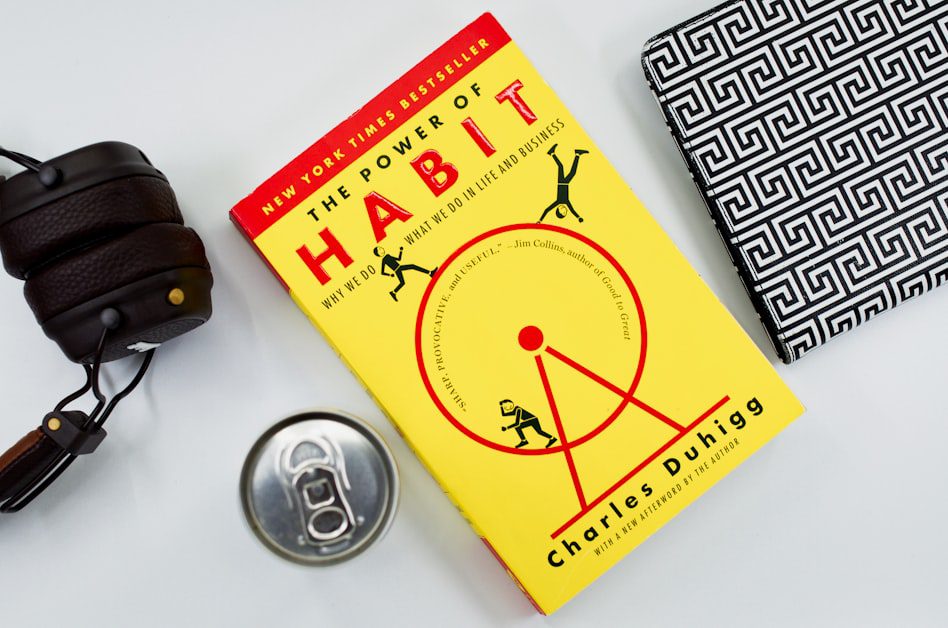
Every automatic habit runs on the same three-part loop: a cue triggers the behavior, the routine is the behavior itself, and a reward tells your brain the loop was worth repeating. Miss any one piece and the habit stays fragile.
The cue needs to be specific and impossible to miss. “I’ll work out when I have time” is not a cue, it’s a wish. “I change into gym clothes the moment I get home from work” is a cue, because it’s tied to a fixed, observable event.
The routine should start smaller than your ego wants it to. If the plan is a 45-minute lifting session, your brain treats every single workout as a 45-minute commitment to talk yourself out of. If the plan is “drive to the gym and do at least 10 minutes,” the barrier to starting nearly disappears, and most people who show up for 10 minutes end up staying longer anyway.
The reward has to happen close to the behavior, not weeks later when the scale finally moves. A protein shake you only allow yourself post-workout, a favorite playlist reserved for gym days, or simply logging the session in an app and watching a streak grow all work because the brain registers them immediately.
Habit Stacking: Attach the Gym to Something You Already Do

Habit stacking means anchoring a new behavior to an existing one, using a habit you already do automatically as the cue for the one you’re trying to build. “After I pour my morning coffee, I’ll lay out my gym clothes” is a stronger cue than a vague intention to “work out more,” because your coffee habit is already automatic and reliable.
The National Institutes of Health’s behavior-change research center makes a related point that applies directly here: change is easier when you make the healthy choice the easy choice, by redesigning your environment rather than relying on discipline in the moment. NIH behavior change expert Dr. Susan Czajkowski puts it directly in NIH’s guide to creating healthy habits: “whenever possible, make the healthy choice the easy choice.” Packing your gym bag the night before and stacking it onto your existing bedtime routine is a small example of exactly that principle in action.
The Never-Miss-Twice Rule: Why One Skipped Workout Isn’t Failure
Here’s the moment most gym habits actually die: not the first missed workout, but the story you tell yourself about it. One skipped session is a lapse. Turning that lapse into a week off, then a month off, is a relapse, and the difference between the two usually comes down to how you talk to yourself in the first 24 hours after missing.
A simple rule fixes this: never miss two workouts in a row. If you want to build a gym habit that sticks long-term, expect lapses. Missing once is life happening. Missing twice is the start of a new pattern, and your brain is very good at turning “I already broke my streak” into permission to quit entirely. If you’ve been out of the gym for longer than a couple of missed sessions, easing back in matters more than jumping back to your old intensity; this guide to returning to the gym after a break covers how to restart without re-injuring yourself or burning out in week one.
NIH’s Dr. Czajkowski addresses this exact moment of doubt directly: “even when you think you’re about to fall off the wagon, hold on. Continue to track your behavior. Sometimes when you feel like you’re failing, you can learn the most.” The instruction isn’t to feel motivated again. It’s to show up for the next scheduled session regardless of how the last one went.
Identity-Based Habits: Becoming Someone Who Trains, Not Someone Chasing a Goal
Goal-based motivation runs out the moment the goal is met, or the moment progress stalls and the goal feels out of reach. “I want to lose 15 pounds” gives you a reason to train for exactly as long as the number is moving. Identity-based motivation works differently: instead of asking “what do I want to achieve,” you ask “what would someone who trains consistently do right now,” and then you do that thing, regardless of how far off the original goal still feels.
This shift matters most on hard days. Someone chasing a number on the scale has a built-in excuse to skip a workout when the number hasn’t moved. Someone who identifies as “a person who shows up” doesn’t have that excuse available, because skipping isn’t about the goal anymore, it’s about who they are. Progressive, visible improvement helps this identity take hold faster; tracking small wins like gradually increasing the weight or reps in your workouts gives your brain concrete proof that the identity is real and not just a mantra.
Remove the Friction: Environment Design for Automatic Workouts
Every extra step between deciding to work out and actually starting is a chance for your brain to talk you out of it. Researchers studying behavior change consistently find that reducing the physical and logistical steps required to start a habit does more for consistency than any amount of motivation or willpower.
Practical friction-reduction looks unglamorous: sleeping in a sports bra or gym shorts on workout mornings, keeping a packed gym bag by the front door instead of in a closet, choosing a gym on your actual commute route instead of the nicer one 20 minutes out of the way, and pre-scheduling workouts in your calendar the way you’d schedule a meeting you can’t skip. None of these steps require extra motivation. They just remove the small obstacles that motivation would otherwise have to overcome.
When Anxiety or Perfectionism Sabotage Your Gym Habit
Most advice on how to build a gym habit that sticks assumes the only obstacle is scheduling or laziness. For a lot of people, especially beginners, the real obstacle is psychological: gym anxiety about being watched or judged, or perfectionism that turns a decent workout into a “failure” because it wasn’t the perfect one you’d planned.
Perfectionism is a habit killer because it applies an all-or-nothing filter to something that only works through repetition. If a workout “doesn’t count” unless it hits every planned exercise, every set, and every rep, then a bad day at work or a short gym window turns into a skipped session instead of a shorter one. The fix is to lower the bar for what counts on hard days. A 15-minute version of your workout still reinforces the habit loop; a skipped day does not. If social anxiety about the gym itself is what’s keeping you from walking through the door in the first place, this step-by-step guide to gym intimidation addresses that specific barrier directly, since it’s a different problem from motivation and needs a different fix.
The Minimum Effective Dose: How Little Exercise Actually Counts
One reason people fail to build a gym habit that sticks is the assumption that a “real” workout has to be long and intense, which makes any day without a full hour feel like it doesn’t count. According to the CDC’s physical activity guidelines for adults, adults need 150 minutes of moderate-intensity activity a week, but that doesn’t have to happen all at once. The CDC is explicit that this can be spread out as 30 minutes a day, five days a week, broken into smaller chunks, and that “some physical activity is better than none.”
That framing matters for habit-building because it lowers the threshold for what counts as “showing up.” A 20-minute session on a busy day is not a failed workout, it’s most of your daily target met and, more importantly, another rep of the habit loop firing on schedule. Protecting the consistency of the cue and routine, even on days you can only manage a short session, does more for long-term adherence than protecting the length of any single workout.
Frequently Asked Questions
How long does it take to build a gym habit that sticks?
Research pooling more than 2,600 participants found a median of 59 to 66 days, but the range across individuals stretched from 4 to 335 days. There is no fixed deadline. Consistency over several months matters more than hitting a specific day count, and morning workouts plus self-chosen routines tend to build habits faster than routines assigned by someone else.
What if I miss a workout, does that ruin the habit?
No. One missed session is a normal lapse, not a failure. The habit is only at real risk if a single missed workout turns into two in a row, which is why the never-miss-twice rule works better than trying to maintain a perfect streak. Show up for the very next scheduled session regardless of how the last one went.
Is it better to work out at the same time every day?
For habit formation specifically, yes, consistency in timing strengthens the cue that triggers the routine. Morning sessions in particular have shown stronger habit formation in research, likely because they happen before the day’s decision fatigue and scheduling conflicts pile up. That said, a consistent evening slot still works better than a variable schedule with no fixed time at all.
Why do I lose motivation to go to the gym after a few weeks?
Motivation is designed to fade, it’s an emotional state, not a stable resource. The people who keep training past the first few weeks aren’t relying on motivation anymore, they’ve built a cue-routine-reward loop, reduced the friction to getting started, and lowered the bar for what counts on hard days so a short or average workout doesn’t feel like a failure worth quitting over.
Conclusion
You don’t need more motivation to build a gym habit that sticks, and you don’t need a perfect 21-day streak. You need a specific cue, a routine small enough to survive a bad day, an immediate reward, and a rule for what to do the day you miss. Add environment design that removes friction, an identity shift from “trying to reach a goal” to “being someone who shows up,” and permission to let a short workout count on hard days, and consistency stops depending on how you feel that morning. Start with one cue this week. The habit builds from there, on its own timeline, not a 21-day countdown.
Related Articles
- Gym Motivation Tips for Women Beginners: 10 That Actually Work
- How to Overcome Gym Intimidation: A Step-by-Step Confidence Plan
- How to Use Gym Machines for Women: The Complete Beginner Guide
This article is for informational and educational purposes only and is not a substitute for professional medical advice. Consult a healthcare provider before starting a new exercise program, particularly if you have an existing health condition, injury, or are returning to exercise after a significant break.



My family every time say that I am killing my
time here at net, except I know I am getting knowledge
every day by reading thes nice articles or reviews.