
 Lifestyle
 Food & Nutrition
 Fitness
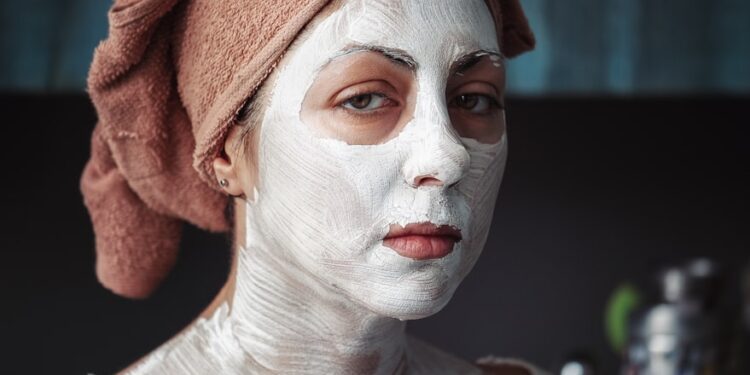
If you want to know how to improve skin texture naturally at home, you are not alone – rough, uneven, or bumpy skin is one of the most common concerns dermatologists hear about. The good news: you do not need expensive clinic treatments to see real results. With the right combination of evidence-based skincare habits, most people notice a measurable difference in smoothness, tone, and glow within four to six weeks.
Skin texture refers to how your skin feels and looks on a microscopic level. When it is smooth and even, light reflects off it uniformly – giving that coveted glass-skin effect. When texture is uneven, pores look enlarged, fine lines are more visible, and the surface appears dull or rough. This guide covers nine methods proven to address the root causes, not just mask them.
How to Improve Skin Texture Naturally at Home: Understanding the Root Causes
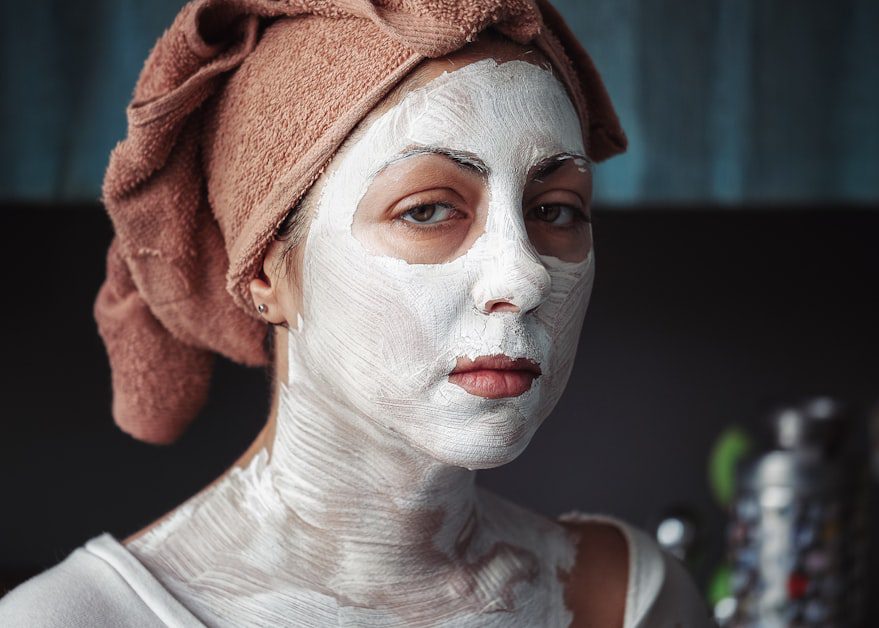
Skin texture is determined by the structure of the outer layer of skin – the stratum corneum – which is made up of dead skin cells, natural oils, and proteins. When this layer is functioning well, it sheds evenly and keeps the skin barrier intact. When something disrupts this process, texture problems develop.
The most common causes of uneven skin texture include:
- Excess dead skin cell buildup – when shedding slows down (which naturally happens with age), dead cells pile up and create a rough, dull surface
- Clogged pores – sebum, sweat, and environmental debris get trapped, enlarging pores and creating bumps
- Post-acne marks – even after breakouts heal, changes in collagen can leave textural irregularities
- Sun damage – UV radiation degrades collagen and elastin, making skin look thick and leathery over time
- Dehydration – when skin lacks water, it cannot shed dead cells efficiently and the surface appears flaky or dull
- Poor diet – nutritional deficiencies in vitamins A, C, and E impair skin cell turnover and repair
Understanding the cause helps you pick the right solution. Most people deal with a combination of factors – which is why a multi-step approach works best.
1. Exfoliate Regularly – the Right Way

Exfoliation is the single most effective way to improve skin texture at home. It removes the buildup of dead skin cells that makes skin look dull, rough, and uneven. The key word is regularly – not aggressively.
There are two types of exfoliation:
Chemical exfoliation uses acids or enzymes to dissolve the bonds between dead skin cells:
- AHAs (alpha-hydroxy acids) like glycolic and lactic acid work on the skin surface – ideal for dry, dull, or aging skin
- BHAs (beta-hydroxy acids) like salicylic acid penetrate pores – ideal for acne-prone or oily skin
- PHAs (polyhydroxy acids) like gluconolactone are gentler – ideal for sensitive skin
Physical exfoliation uses gentle abrasion (scrubs, washcloths, konjac sponges) to manually lift dead cells. This works, but is easier to overdo – harsh scrubs can create micro-tears and worsen texture.
For most people, using a chemical exfoliant two to three times per week at night gives the best results. Start with a lower concentration (5 to 8 percent glycolic acid or 1 to 2 percent salicylic acid) and build up slowly. According to the American Academy of Dermatology, over-exfoliating can disrupt the skin barrier, so consistency matters more than intensity.
2. Use a Vitamin C Serum Daily
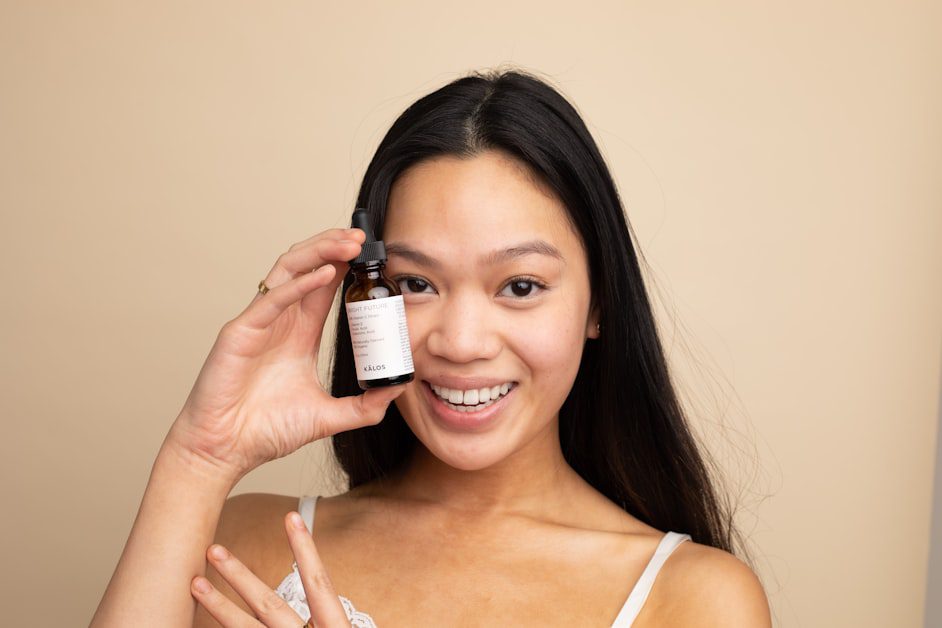
Vitamin C (L-ascorbic acid) is one of the most researched skincare ingredients for improving texture, tone, and brightness. It works through three mechanisms simultaneously: it is a potent antioxidant that neutralizes free radical damage from UV and pollution; it inhibits melanin production to fade dark spots; and it directly stimulates collagen synthesis.
A review published in Nutrients (PubMed Central) confirmed that topical vitamin C significantly improves skin roughness, fine lines, and hyperpigmentation with consistent use. Most studies saw visible improvements after 8 to 12 weeks of daily application.
How to use it correctly:
- Apply to clean, dry skin in the morning before moisturizer and SPF
- Look for concentrations between 10 and 20 percent L-ascorbic acid for effectiveness
- Store in a dark, cool place – vitamin C oxidizes quickly when exposed to light and air
- If you experience irritation, try a vitamin C derivative like sodium ascorbyl phosphate (gentler and more stable)
Pairing vitamin C in the morning with retinol at night is the gold-standard home texture routine that dermatologists recommend most often.
3. Moisturize Consistently
A healthy skin barrier is essential for smooth texture. When the barrier is compromised, skin loses water, becomes inflamed, and the surface turns rough and reactive. A good moisturizer does three things: seals in water, replenishes lipids, and calms inflammation.
Look for these key ingredients based on your skin type:
- Hyaluronic acid – attracts and holds up to 1,000 times its weight in water; ideal for all skin types, especially dehydrated skin
- Ceramides – lipids that rebuild the skin barrier; essential for sensitive or compromised skin
- Niacinamide – reduces pore size, improves elasticity, and regulates sebum; excellent for oily and combination skin
- Squalane or jojoba oil – lightweight oils that mimic the skin’s natural sebum without clogging pores
For maximum texture improvement, moisturize twice daily – once in the morning after cleansing and once at night after your treatment serum. Our guide on the best moisturizer for glowing skin breaks down the top options by skin concern and skin type.
4. Introduce Retinoids at Night
Retinoids – the vitamin A family of skincare ingredients – are the most clinically proven topical treatment for improving skin texture, reducing fine lines, and accelerating cell turnover. They work by binding to retinoic acid receptors in skin cells, speeding up the rate at which new cells replace old ones, and stimulating collagen production in the dermis.
Over-the-counter retinol is the gentlest entry point. For home use without a prescription, this is the progression most dermatologists suggest:
- Retinyl esters (e.g., retinyl palmitate) – very gentle, good for beginners or sensitive skin
- Retinol 0.025 to 0.05 percent – the standard starting point; use one to two nights per week initially, then build to nightly
- Retinol 0.1 percent – step up after 8 to 12 weeks if skin has adjusted well
- Retinaldehyde 0.05 to 0.1 percent – one step below prescription tretinoin in potency, available over the counter
Apply a pea-sized amount to clean skin 20 to 30 minutes after washing. The sandwich method – applying moisturizer before and after retinol – helps reduce irritation for beginners. Always use SPF the next morning, as retinoids increase UV sensitivity.
5. Never Skip SPF
Sun protection is not just about preventing skin cancer – it is a direct texture treatment. UV radiation breaks down collagen and elastin fibres, thickens the outer layer of skin, and causes the irregular pigmentation and rough surface that characterizes sun-damaged skin. Skipping SPF undoes every other step in your routine.
The American Academy of Dermatology recommends SPF 30 or higher, broad-spectrum (UVA and UVB), applied every morning – even on cloudy days and indoors near windows (UVA penetrates glass).
For texture improvement specifically, look for sunscreens with added skincare benefits:
- Niacinamide in the formula for pore-minimizing and brightening effects
- Antioxidants (vitamin C, E, ferulic acid) to boost UV protection and prevent free radical damage
- Lightweight, non-comedogenic formulas so SPF does not clog pores and worsen texture
6. Eat for Your Skin
Skin texture is directly influenced by what you eat – your skin is built from the nutrients you consume. The gut-skin connection is one of the most active areas of dermatology research, and the evidence is clear: chronic inflammation from poor diet worsens texture, while anti-inflammatory eating visibly improves it.
The most impactful dietary changes for skin texture:
- Increase vitamin C foods – bell peppers, kiwi, broccoli, strawberries – vitamin C is essential for collagen synthesis and cannot be stored in the body, so daily intake matters
- Add omega-3 fatty acids – fatty fish (salmon, sardines), flaxseeds, walnuts – omega-3s reduce systemic inflammation and improve skin hydration from within
- Reduce refined sugar and high-glycaemic foods – sugar triggers glycation, a process that damages collagen and elastin and leads to rougher, more lined skin
- Eat more antioxidant-rich foods – colourful vegetables, green tea, dark chocolate – antioxidants neutralize UV-generated free radicals that damage skin structure
- Include zinc-rich foods – pumpkin seeds, legumes, lean meat – zinc regulates sebum production and supports wound healing for blemish marks
For a detailed breakdown of how food affects your complexion, read our guide on the best skin diet for clear, glowing skin.
7. Prioritize Sleep and Manage Stress
The term beauty sleep is backed by real science. During deep sleep, the body enters repair mode – growth hormone is released, cortisol drops, and skin cells undergo accelerated turnover and collagen production. Chronically poor sleep disrupts this cycle and results in duller skin, enlarged pores, and impaired barrier function.
A study published in Clinical and Experimental Dermatology (PubMed Central) found that poor sleepers showed significantly higher scores for fine lines, uneven pigmentation, and reduced elasticity compared to good sleepers – and recovered 30 percent more slowly from environmental stressors like UV exposure.
For skin texture specifically, aim for 7 to 9 hours of sleep per night and consider these additions:
- Sleep on a silk pillowcase – cotton pillowcases create friction that contributes to surface texture over time
- Sleep on your back when possible – side-sleeping compresses the skin and, over years, contributes to creasing
- Apply your treatment serum before bed – nighttime is when skin is most permeable and receptive to active ingredients
Stress management is equally important. Elevated cortisol increases sebum production, disrupts the skin barrier, and triggers inflammatory skin conditions like eczema and rosacea – all of which worsen texture. Even 10 minutes of daily breathwork or meditation measurably reduces cortisol within weeks.
8. Stay Hydrated from the Inside Out
Dehydration is one of the fastest ways to make skin look rough, dull, and textured – and one of the easiest to fix. When skin cells are adequately hydrated, they plump up, the surface looks smoother, pores appear smaller, and fine lines are less visible.
Beyond drinking enough water (the standard recommendation is 2 litres per day, though individual needs vary), these habits specifically support skin hydration:
- Apply hyaluronic acid serum to damp skin – hyaluronic acid needs moisture to draw from; if skin is completely dry, it can pull moisture out instead of in
- Use a humidifier at night – particularly in winter or air-conditioned environments, which significantly dehydrate the skin barrier
- Limit alcohol and caffeine – both are diuretics that deplete skin moisture when consumed in excess
- Eat water-rich foods – cucumbers, watermelon, celery, and tomatoes have high water content that supports cellular hydration
The combination of internal hydration with external barrier protection creates the optimal environment for smooth, even-textured skin. Understanding your skin type helps you choose the right hydration products for your specific needs.
Frequently Asked Questions
How long does it take to improve skin texture naturally?
Most people see noticeable improvements in skin texture within 4 to 6 weeks of consistent routine changes, though the skin’s natural renewal cycle is approximately 28 days – extending to 40 to 60 days in people over 40. Significant improvements in deeper textural issues like sun damage or post-acne marks typically take 3 to 6 months. Consistency is more important than any single product.
What is the most effective home remedy to improve skin texture?
Chemical exfoliation with AHAs or BHAs consistently ranks as the most effective home treatment for improving skin texture according to dermatology reviews. Glycolic acid (an AHA) has the smallest molecular size of the common acids, allowing it to penetrate deeper and deliver faster results. Used 2 to 3 times per week at concentrations of 5 to 10 percent, it can visibly smooth skin texture within 4 weeks. Pairing it with vitamin C in the morning and retinol at night creates a complete approach that addresses all major texture causes simultaneously.
Can diet really change skin texture?
Yes – significantly. Diets high in sugar and processed foods trigger glycation, which damages collagen and worsens texture. Diets rich in vitamin C, omega-3 fatty acids, and antioxidants have been shown in clinical studies to improve skin elasticity, reduce inflammatory skin conditions, and accelerate cell turnover. A study published in the Journal of Dermatological Science found that dietary modification alone produced measurable improvements in skin texture within 12 weeks.
Should I use retinol or vitamin C for skin texture?
Both – but at different times of day. Vitamin C is best used in the morning on clean skin before moisturizer and SPF, where its antioxidant properties protect against daytime environmental damage. Retinol is best used at night, where it can work without UV interference and take advantage of the skin’s nighttime repair cycle. Using both in the same routine accelerates results faster than either alone. If you are new to active ingredients, start with vitamin C only for 4 weeks, then introduce retinol gradually at one to two nights per week to minimize irritation.
Does drinking water improve skin texture?
Adequate hydration is necessary but not sufficient on its own. Clinically, dehydrated skin looks rougher, duller, and more lined – so correcting dehydration improves the appearance of texture. However, drinking extra water beyond your daily needs does not create additional smoothing effects once cells are adequately hydrated. The bigger impact comes from using humectant-based skincare (hyaluronic acid, glycerin) that actively draws water into skin cells and a good moisturizer that prevents transepidermal water loss.
Conclusion
Improving skin texture naturally at home is achievable with the right combination of steps applied consistently. The nine methods covered here work through different mechanisms: exfoliation removes buildup, vitamin C stimulates collagen and fights pigmentation, retinoids accelerate cell turnover, SPF prevents further damage, and diet and sleep support the skin from the inside.
Start simply – pick two or three steps, such as a vitamin C serum in the morning and a gentle exfoliant two to three nights per week, and stick with them for six weeks before adding more. Your skin renews itself every 28 to 60 days, and consistency during that cycle is what produces visible change.
For more skin care guidance, explore our guide on the secrets to naturally glowing skin and our breakdown of the worst foods for your skin.
Medical Disclaimer: This article is for informational purposes only and does not constitute medical advice. Always consult a qualified dermatologist or healthcare provider before starting new skincare treatments, especially if you have skin conditions such as rosacea, eczema, or active acne. Individual results vary.
Related Articles
- How to Get Rid of Dark Spots on Face Naturally Fast
- 7 Skin Types and How to Take Care of Them
- 3 Secrets to Naturally Glowing and Healthy Skin
Get the exact numbers for your body
Answer 7 quick questions and get your calorie target, protein goal and a plan that fits how you actually live. Takes 2 minutes, completely free.
Build my free plan →2 minutes · Free · No card neededFree tools from Just Health Life
BMI CalculatorBlood Pressure CheckerAll 24 calculators →Educational content, not medical advice. See our medical disclaimer and editorial policy.




Comments 1