
 Lifestyle
 Food & Nutrition
 Fitness
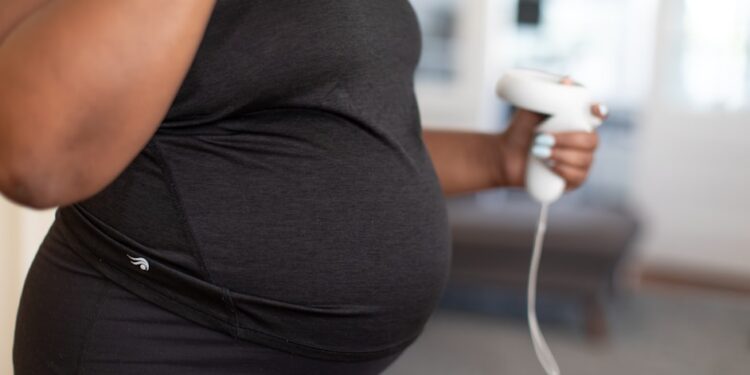
Learning how to lose belly fat without exercise is a legitimate goal, not a shortcut. For people with injuries, chronic pain, mobility issues, or simply packed schedules, exercise isn’t always possible. The good news is that belly fat, specifically visceral fat around the abdomen, is highly responsive to non-exercise interventions. Diet, sleep, stress, and specific daily habits drive the majority of fat loss results anyway.
Research consistently shows that what you eat accounts for roughly 80% of body composition changes. You can’t out-exercise a bad diet, but you can absolutely change your body without ever going to a gym. Here’s what actually works.
- 1 Cut Added Sugar and Liquid Calories First
- 2 Increase Protein at Every Meal
- 3 Eat More Soluble Fibre
- 4 Fix Your Sleep u2014 It Directly Controls Belly Fat
- 5 Manage Cortisol and Chronic Stress
- 6 Practice Intermittent Fasting
- 7 Reduce Refined Carbohydrates
- 8 Drink More Water and Green Tea
- 9 Address Gut Health
- 10 Use Smaller Plates and Mindful Eating
- 11 Reduce Alcohol Intake
- 12 Track Your Food u2014 Even Briefly
- 13 Frequently Asked Questions
- 14 Conclusion
Cut Added Sugar and Liquid Calories First
Added sugar is the single biggest driver of visceral belly fat accumulation. When you eat more fructose than your liver can process, the excess gets converted directly to fat and stored preferentially in the abdominal region. This is why people with high sugar diets tend to carry fat specifically around the middle regardless of their overall calorie intake.
According to the NIH, visceral fat is metabolically active and strongly linked to insulin resistance, type 2 diabetes, and cardiovascular disease. Reducing it has measurable health benefits beyond aesthetics.
The highest-impact change you can make is eliminating sugary drinks: sodas, fruit juices, energy drinks, sweetened coffees, and alcohol. These deliver large fructose loads directly to the liver with no fiber to slow absorption. Replacing them with water, plain coffee, or unsweetened tea alone produces measurable waist circumference reduction within weeks in most people.
Hidden sugars in sauces, dressings, flavored yogurts, and packaged snacks also add up fast. Start reading ingredient labels and look for sugar listed in its many forms: high-fructose corn syrup, dextrose, maltose, cane juice, and anything ending in -ose.
Increase Protein at Every Meal
Protein is the most powerful dietary lever for losing belly fat without exercise. It increases satiety hormones, reduces hunger hormones (specifically ghrelin), preserves lean muscle mass during calorie restriction, and has a high thermic effect u2014 meaning your body burns more calories just digesting it compared to fats or carbohydrates.
Studies consistently show that higher protein diets reduce total calorie intake automatically without requiring people to count calories or feel deprived. When protein makes up 25-30% of your total calories, most people naturally eat less overall because protein keeps you full longer than any other macronutrient.
Practical targets: aim for 20-30g of protein per meal. Eggs, Greek yogurt, cottage cheese, chicken, fish, legumes, and quality protein shakes all work well. Starting breakfast with a high-protein meal rather than carbohydrates is one of the simplest ways to reduce total daily calorie intake without consciously restricting. For more on eating patterns that support this, see our guide on the best anti-inflammatory foods.
Eat More Soluble Fibre
Soluble fiber dissolves in water to form a thick gel in your digestive tract. This gel slows digestion, reduces the speed at which nutrients enter the bloodstream, and dramatically increases feelings of fullness after meals. Research has specifically linked higher soluble fiber intake to reduced visceral belly fat, independent of total calorie intake.
A study published in Obesity found that every 10-gram increase in daily soluble fiber intake was associated with a 3.7% reduction in visceral fat accumulation over 5 years. That’s a significant effect from a single dietary change.
Best sources of soluble fiber: oats, flaxseeds, avocado, legumes (beans, lentils, chickpeas), Brussels sprouts, sweet potatoes, and apples. Aim for 25-35g of total fiber daily, with an emphasis on soluble sources. Most people get less than half of this. Gradually increasing fiber intake over 2-3 weeks prevents the digestive discomfort that comes from adding too much too quickly.
Fix Your Sleep u2014 It Directly Controls Belly Fat
Sleep deprivation is one of the most underestimated causes of belly fat accumulation. When you sleep fewer than 7 hours per night, your body increases production of cortisol (the primary stress hormone) and ghrelin (the hunger hormone) while reducing leptin (the satiety hormone). The result is increased appetite, specifically cravings for high-calorie, high-sugar foods, and preferential fat storage in the abdominal region.
Research from the University of Chicago showed that subjects on a calorie-restricted diet who slept 8.5 hours lost 55% more body fat than those who slept 5.5 hours on the same diet. The sleep-deprived group lost significantly more lean muscle mass instead. Poor sleep doesn’t just slow fat loss u2014 it redirects it to muscle loss.
According to CDC guidelines, adults need 7-9 hours per night. Practical improvements: keep a consistent sleep and wake time seven days a week, keep the bedroom cool and completely dark, avoid screens for 60 minutes before bed, and avoid caffeine after 2pm. These changes alone produce measurable improvements in belly fat markers within 4-6 weeks.
Manage Cortisol and Chronic Stress
Chronic stress directly causes belly fat accumulation through cortisol. When cortisol stays elevated over time, it signals the body to store fat specifically in the visceral abdominal region. This is an evolutionary adaptation: the body stores fuel close to the liver for quick access during prolonged stress. In modern life, chronic work stress, relationship stress, and financial stress trigger this same response continuously.
Studies show that people with chronically elevated cortisol have significantly more visceral fat than people with similar diets and activity levels but lower stress. Managing cortisol is therefore a direct fat loss strategy, not just a wellness nice-to-have.
Effective cortisol reduction strategies with the strongest evidence: mindfulness meditation (even 10-15 minutes daily reduces cortisol measurably within 8 weeks), spending time in nature, social connection, adequate sleep (see above), and reducing caffeine intake. Adaptogenic herbs like ashwagandha have emerging evidence for cortisol reduction. For a deeper look at stress management approaches, see our guide on holistic strategies for anxiety.
Practice Intermittent Fasting
Intermittent fasting (IF) is one of the most researched and effective strategies for how to lose belly fat without exercise. It works by restricting the eating window, which naturally reduces total calorie intake and, more importantly, keeps insulin levels low for extended periods. Low insulin is the key hormonal state for fat mobilization and burning.
The most practical protocol for most people is 16:8 u2014 eating within an 8-hour window (for example, noon to 8pm) and fasting for 16 hours including sleep. This doesn’t require counting calories or changing what you eat, just when you eat. Most people find it surprisingly manageable once past the first week of adjustment.
Research specifically shows that intermittent fasting produces preferential reduction in visceral belly fat compared to continuous calorie restriction. A 2020 review in Obesity Reviews found that IF reduced waist circumference significantly more than daily calorie restriction even at equal overall calorie deficits. The hormonal mechanism (lower insulin, higher glucagon, increased fat mobilization) drives fat specifically from visceral stores.
Reduce Refined Carbohydrates
Refined carbohydrates u2014 white bread, white rice, pasta, pastries, crackers, most breakfast cereals u2014 are rapidly digested and cause large, rapid spikes in blood sugar and insulin. These insulin spikes signal the body to stop burning fat and start storing it. Repeated throughout the day, this creates a metabolic environment where fat loss, particularly visceral fat loss, is nearly impossible regardless of calorie intake.
Replacing refined carbs with whole food alternatives (brown rice, quinoa, sweet potatoes, legumes, vegetables) doesn’t require eliminating carbohydrates. It requires changing their quality. Whole food carbohydrates contain fiber that slows digestion, produces smaller insulin responses, and keeps you full longer on fewer calories.
A low-carbohydrate diet (under 100g net carbs per day) is particularly effective for visceral fat reduction. Multiple studies show that low-carb diets produce 2-3 times more visceral fat loss than low-fat diets at the same calorie deficit. The mechanism is hormonal rather than purely caloric: reduced insulin allows visceral fat cells to release stored fat more readily.
Drink More Water and Green Tea
Hydration directly affects appetite regulation. Mild dehydration is frequently misinterpreted by the brain as hunger, leading to unnecessary calorie consumption throughout the day. Drinking 500ml of water before each meal reduces meal calorie intake by an average of 13% according to research published in Obesity.
Green tea deserves specific mention. It contains a combination of caffeine and EGCG (epigallocatechin gallate) that works synergistically to increase fat oxidation, particularly from visceral stores. Meta-analyses show that regular green tea consumption produces modest but consistent reductions in waist circumference over 12 weeks. 2-4 cups daily is the effective dose.
Apple cider vinegar (1-2 tablespoons in water before meals) has some evidence for modest belly fat reduction by improving insulin sensitivity and slowing gastric emptying. A 12-week Japanese trial found that 1 tablespoon daily reduced visceral fat area by 4.7% compared to placebo. The effect is real but modest u2014 think of it as a supplement to the bigger dietary changes rather than a primary strategy.
Address Gut Health
Emerging research strongly links gut microbiome composition to visceral fat accumulation. People with less diverse gut bacteria and higher ratios of Firmicutes to Bacteroidetes bacteria consistently show more visceral fat, greater insulin resistance, and more difficulty losing weight. The gut bacteria influence how many calories are extracted from food, how fat is stored, and how hunger hormones are regulated.
Practical ways to improve gut health for belly fat reduction: eat a diverse range of plant foods (30+ different types per week is a research-backed target), include fermented foods daily (yogurt, kefir, kimchi, sauerkraut, kombucha), minimize ultra-processed foods and artificial sweeteners which disrupt the microbiome, and consider a quality probiotic with multiple strains. For a comprehensive look at this topic, see our guide on how to improve gut health naturally.
Use Smaller Plates and Mindful Eating
Environmental and behavioral changes reduce calorie intake without requiring willpower or conscious restriction. Using smaller plates reduces portion sizes automatically u2014 research shows people eat 20-30% less when using a 10-inch plate versus a 12-inch plate, without feeling less satisfied. The visual illusion of a full plate triggers the same satiety response regardless of actual plate size.
Mindful eating u2014 eating slowly, without screens, paying attention to hunger and fullness cues u2014 reduces calorie intake by an average of 300 calories per day in studies. Chewing each bite 20-30 times and putting down utensils between bites sounds trivial but produces measurable results. It takes 20 minutes for satiety signals to reach the brain from the stomach; eating slowly gives the system time to register fullness before you’ve overeaten.
Reduce Alcohol Intake
Alcohol is directly connected to belly fat in multiple ways. It delivers 7 calories per gram (more than carbohydrates, less than fat) with zero nutritional value. It disrupts fat metabolism: when alcohol is present in the bloodstream, the liver prioritizes metabolizing it over everything else, meaning dietary fat eaten alongside alcohol is stored rather than burned. It increases appetite. And it disrupts sleep quality even in moderate amounts, triggering the cortisol and ghrelin response described earlier.
Beer and sweet cocktails combine the metabolic problems of alcohol with a large carbohydrate load, making them particularly effective at driving visceral fat accumulation. Research shows that even moderate alcohol consumption (14+ drinks per week) is strongly associated with larger waist circumference independent of total calorie intake. Reducing to fewer than 7 drinks per week produces measurable waist circumference reduction over 3-6 months.
Track Your Food u2014 Even Briefly
Food tracking doesn’t need to be permanent to be useful. Research consistently shows that people who track what they eat lose twice as much weight as those who don’t. The mechanism is awareness: most people dramatically underestimate their calorie intake and are surprised by how quickly small additions (a handful of nuts here, a splash of cream there) accumulate into caloric excess.
Track everything you eat for just 2 weeks using a free app like MyFitnessPal. You don’t need to restrict anything u2014 just observe. Most people identify 2-3 high-calorie habits they were unaware of and naturally reduce them once made visible. Even after stopping tracking, the awareness persists and continues to influence behavior.
According to Mayo Clinic, self-monitoring is one of the most evidence-based behavioral strategies for sustained weight loss. Combined with the dietary changes above, it accelerates results significantly.
Frequently Asked Questions
How long does it take to lose belly fat without exercise?
With consistent dietary and lifestyle changes, most people notice measurable waist circumference reduction within 4-6 weeks. Significant visible changes typically take 8-12 weeks. Visceral fat responds faster to dietary changes than subcutaneous fat (the fat you can pinch under the skin). The rate depends on your starting point, how much of a caloric deficit you maintain, sleep quality, and stress levels. Combining multiple strategies from this list accelerates results.
What foods specifically target belly fat?
No single food burns belly fat, but certain foods directly support visceral fat reduction. Foods high in soluble fiber (oats, flaxseeds, legumes, avocado) reduce visceral fat accumulation over time. High-protein foods increase satiety and preserve muscle during fat loss. Green tea accelerates fat oxidation. Fermented foods improve gut bacteria composition linked to belly fat. The most effective approach is reducing the foods that cause belly fat accumulation: added sugar, liquid calories, refined carbohydrates, and alcohol.
Is it possible to lose belly fat in 2 weeks without exercise?
You can reduce bloating and begin visceral fat loss within 2 weeks by cutting sugar, refined carbs, alcohol, and increasing protein and fiber intake significantly. Actual fat tissue takes longer to measurably reduce, but the hormonal and metabolic environment that drives fat loss can be established quickly. Two weeks of consistent changes will produce a noticeable difference in most people, with greater results building over subsequent weeks.
Does drinking water help lose belly fat?
Yes, indirectly but meaningfully. Drinking water before meals reduces meal calorie intake by around 13%. Replacing sugary drinks with water eliminates a major source of fructose that drives visceral fat accumulation. Adequate hydration keeps metabolism running efficiently and prevents the dehydration-hunger confusion that causes unnecessary snacking. Aim for at least 8 glasses (2 liters) daily, more if you’re in a warm environment or eating high amounts of fiber.
Can stress alone cause belly fat even with a good diet?
Yes. Chronically elevated cortisol drives visceral fat storage even in people with controlled diets. The hormonal mechanism bypasses caloric accounting u2014 cortisol signals cells to store fat in the abdominal region regardless of overall calorie balance. This is why highly stressed people often gain belly fat despite not overeating. Addressing stress through sleep, mindfulness, and lifestyle changes is a direct belly fat reduction strategy, not just general wellness advice.
Conclusion
Knowing how to lose belly fat without exercise comes down to understanding the hormonal drivers of visceral fat: insulin, cortisol, ghrelin, and leptin. Every strategy on this list targets one or more of these hormones directly. Cut added sugar and refined carbs to reduce insulin spikes. Get 7-9 hours of sleep to control cortisol and ghrelin. Increase protein and soluble fiber to stay full on fewer calories. Practice intermittent fasting to keep insulin low for extended periods.
You don’t need to implement all 12 strategies at once. Pick the 2-3 that fit your current lifestyle and do those consistently for 4 weeks before adding more. The compound effect of multiple changes working together is significantly greater than any single intervention alone.
For related reading, see our guides on how to improve gut health naturally and fibermaxxing for weight loss.
Medical Disclaimer: This content is for informational purposes only and does not constitute medical advice. Consult a qualified healthcare provider before making any health decisions.