
 Lifestyle
 Food & Nutrition
 Fitness

The skin longevity habits for women over 40 that actually work have less to do with expensive serums and more to do with consistent daily behaviors backed by science. After 40, your skin enters a new biological phase driven by declining estrogen, reduced collagen production, and slower cell turnover. Understanding what is happening under the surface is the first step to working with your skin rather than against it.
The good news: research consistently shows that the right daily habits can slow visible aging by years and even improve your skin’s biological age. This guide covers seven evidence-based habits that dermatologists and longevity researchers agree make the biggest difference.
- 1 What Happens to Your Skin After 40 and Why Skin Longevity Habits Matter
- 2 Habit 1: Daily SPF Is the Most Powerful Skin Longevity Habit for Women Over 40
- 3 Habit 2: Retinoids at Night to Rebuild What Time Takes Away
- 4 Habit 3: Vitamin C Every Morning for Collagen Defense
- 5 Habit 4: Deep Hydration to Restore the Aging Skin Barrier
- 6 Habit 5: Collagen-Supporting Nutrition for Skin Longevity
- 7 Habit 6: Quality Sleep Is When Skin Longevity Actually Happens
- 8 Habit 7: Manage Stress to Stop Cortisol From Breaking Down Collagen
- 9 Perimenopause and Skin: The Hormonal Factor in Skin Longevity for Women Over 40
- 10 Frequently Asked Questions About Skin Longevity Habits for Women Over 40
- 10.1 What is the single most important skin habit for women over 40?
- 10.2 Can you really reverse skin aging after 40, or just slow it down?
- 10.3 How long before skin longevity habits show visible results?
- 10.4 Do collagen supplements actually work for women over 40?
- 10.5 Is it too late to start these habits in your 40s or 50s?
- 11 Conclusion
What Happens to Your Skin After 40 and Why Skin Longevity Habits Matter
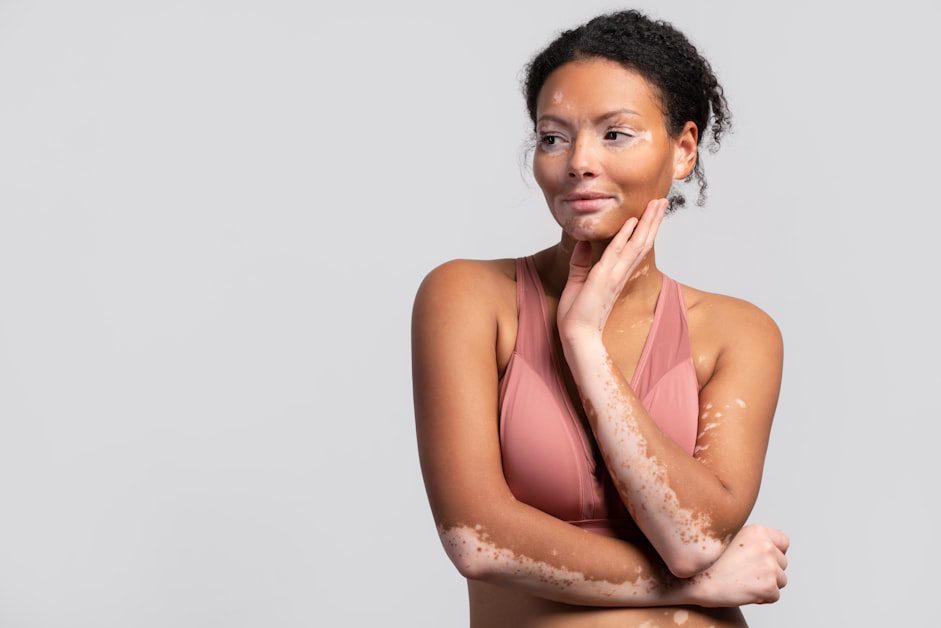
Starting in your late 30s and accelerating through your 40s, several key changes occur simultaneously:
- Collagen production drops by roughly 1% per year after age 20, and this loss accelerates after menopause. Collagen is the structural protein that keeps skin firm and plump.
- Estrogen levels begin to decline in perimenopause. Estrogen stimulates collagen synthesis and keeps skin hydrated. As it falls, skin becomes drier, thinner, and loses elasticity faster.
- Cell turnover slows from a 28-day cycle to 45-60 days. Dead skin cells accumulate on the surface, causing dullness and rough texture.
- Oil gland activity decreases, making the skin barrier weaker and more prone to water loss.
- Melanin regulation becomes uneven, producing dark spots and hyperpigmentation.
None of this is inevitable doom. These biological shifts respond well to targeted habits. The seven habits below address each mechanism directly.
For context on how your skin type affects your starting point, see our guide to 7 skin types and how to take care of them.
Habit 1: Daily SPF Is the Most Powerful Skin Longevity Habit for Women Over 40
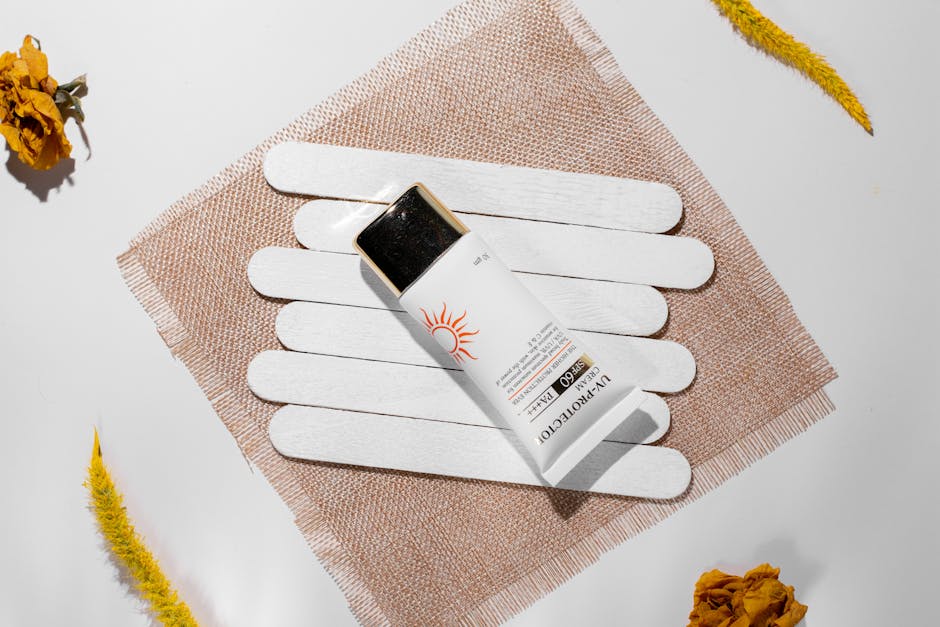
Ultraviolet radiation accounts for approximately 80% of visible facial aging, according to research published in Clinical, Cosmetic and Investigational Dermatology. This is called photoaging, and it compounds every day you skip sun protection. After 40, when your skin is already producing less collagen and recovering more slowly, unprotected UV exposure accelerates damage at a rate your skin cannot keep up with.
What actually works:
- Use SPF 30 or higher every single morning, including cloudy days and indoor days near windows.
- Broad-spectrum protection blocks both UVA (aging rays) and UVB (burning rays).
- Mineral sunscreens containing zinc oxide or titanium dioxide sit on top of the skin and are less irritating for sensitive or dry mature skin.
- Reapply every two hours if you are outdoors.
The American Academy of Dermatology and Mayo Clinic both confirm that daily sunscreen use measurably reduces photoaging and lowers skin cancer risk significantly over time. This one habit, applied consistently, does more for long-term skin health than any anti-aging serum.
Habit 2: Retinoids at Night to Rebuild What Time Takes Away

Retinoids, the vitamin A family of compounds, are the most studied topical anti-aging ingredients in dermatology. They work by binding to retinoid receptors in skin cells, stimulating collagen production, accelerating cell turnover, and improving the way skin responds to sun damage.
For women over 40 specifically, retinoids counteract two of the key biological changes: slow cell turnover and declining collagen. A consistent retinoid routine started in your 40s can produce visible improvements in fine lines, skin texture, and firmness within 12 weeks.
Practical guidance:
- Start with retinol 0.25% two nights per week to build tolerance.
- Increase to every other night, then nightly as your skin adjusts over 4-8 weeks.
- Apply to dry skin after cleansing, followed by moisturizer to buffer irritation.
- If prescription tretinoin is accessible via a dermatologist, it works faster than OTC retinol.
- Always wear SPF the next morning. Retinoids increase photosensitivity.
Sensitive skin types or those with rosacea should proceed more slowly and may prefer retinaldehyde, a gentler intermediate that converts to retinoic acid in the skin.
Habit 3: Vitamin C Every Morning for Collagen Defense
Vitamin C (ascorbic acid) is both an antioxidant and a direct cofactor in collagen synthesis. Your skin needs vitamin C to produce collagen, and it uses it to neutralize the free radicals generated by UV exposure, pollution, and metabolic stress. After 40, when collagen production is already declining, protecting what you have becomes as important as stimulating new production.
A stabilized L-ascorbic acid serum at 10-20% concentration applied every morning before SPF provides:
- Antioxidant protection that SPF alone does not offer (SPF blocks UV but does not neutralize free radicals)
- Collagen co-synthesis support
- Gradual brightening of hyperpigmentation and dark spots
- Improved skin tone and radiance over 8-12 weeks
Store vitamin C serum in a dark, cool location. It oxidizes when exposed to light and air, turning orange or brown and losing efficacy. Replace every 3-6 months.
Pair your vitamin C morning routine with a moisturizer suited to your skin type to reinforce the skin barrier before SPF application.
Habit 4: Deep Hydration to Restore the Aging Skin Barrier
After 40, skin loses moisture faster because the lipid barrier thins and sebaceous gland activity slows. The result is transepidermal water loss (TEWL), where moisture evaporates through the skin surface faster than it is replaced. Chronically dehydrated skin looks older, feels tighter, and is more prone to irritation and sensitivity.
The most effective ingredients for mature skin hydration:
- Hyaluronic acid: A humectant that draws water into the skin. Can hold up to 1,000 times its weight in water. Apply to damp skin for best results.
- Ceramides: Lipids that form the structural foundation of the skin barrier. Restoring ceramide levels directly reduces TEWL.
- Glycerin: Another humectant, gentler than hyaluronic acid, excellent for sensitive or reactive skin over 40.
- Peptides: Short chains of amino acids that signal skin cells to produce collagen and elastin.
Apply moisturizer within 60 seconds of cleansing, when skin is still slightly damp, to lock in surface moisture. At night, a slightly richer occlusive layer (shea butter, squalane, or a barrier repair cream) helps prevent overnight TEWL while you sleep.
For a full breakdown of ingredients and formulas, see our guide on how to improve skin texture naturally at home.
Habit 5: Collagen-Supporting Nutrition for Skin Longevity
Your skin is built from the inside out. The nutrients you eat directly supply the raw materials for collagen synthesis, cellular repair, and inflammation control. For women over 40, several nutritional priorities stand out above the rest.
Protein and collagen peptides: Collagen is a protein, and adequate dietary protein provides the amino acids (glycine, proline, hydroxyproline) needed to build it. Studies show that hydrolyzed collagen peptide supplementation for 8-12 weeks improved skin elasticity and hydration in women over 35.
Vitamin C from food: Citrus, bell peppers, strawberries, and kiwi provide dietary vitamin C that works alongside topical application to support collagen production systemically.
Omega-3 fatty acids: Found in fatty fish (salmon, sardines, mackerel), walnuts, and flaxseed, omega-3s reduce inflammatory prostaglandins that accelerate skin aging. They also maintain the cell membrane integrity that keeps skin supple.
Zinc and selenium: Both minerals support skin repair enzymes. Zinc is particularly important for wound healing. Found in pumpkin seeds, oysters, beef, and Brazil nuts.
Reduce sugar intake: Advanced glycation end products (AGEs) form when sugar molecules attach to collagen and elastin fibers, making them stiff and brittle. High-sugar diets measurably accelerate skin aging. For more on which foods damage your skin, see our guide on the 10 worst foods for your skin.
For a full nutritional approach to skin health, see our guide on the best skin diet for clear, glowing skin.
Habit 6: Quality Sleep Is When Skin Longevity Actually Happens
Skin repair is not a metaphor. During deep sleep, your body releases growth hormone, which drives cellular regeneration throughout the body, including skin tissue. Blood flow to the skin increases significantly during sleep, delivering oxygen and nutrients while removing metabolic waste. This is when retinoids do most of their work, when ceramides are replenished, and when the inflammation from daily UV and environmental exposure is resolved.
Research published in Clinical and Experimental Dermatology found that poor sleepers showed significantly more signs of intrinsic skin aging, including fine lines, uneven pigmentation, and reduced skin barrier function compared to good sleepers of the same age.
Practical sleep habits for skin longevity:
- Target 7-9 hours per night. Skin aging accelerates measurably below 6 hours.
- Sleep on a silk or satin pillowcase to reduce mechanical friction on facial skin.
- Sleep on your back when possible. Side and stomach sleeping creates repeated pressure creases that become permanent lines over time.
- Apply your richest night cream or barrier repair product before bed to take advantage of the overnight repair window.
- Keep your bedroom cool (65-68F) to support deep sleep stages when skin repair is most active.
Habit 7: Manage Stress to Stop Cortisol From Breaking Down Collagen
Chronic stress elevates cortisol, a hormone that directly inhibits collagen synthesis and degrades existing collagen through enzymes called matrix metalloproteinases (MMPs). In women over 40, who are already experiencing estrogen-related collagen decline, chronic high cortisol acts as a second simultaneous accelerant on skin aging.
Beyond collagen breakdown, chronic stress also:
- Disrupts the skin barrier, increasing sensitivity and reactivity
- Triggers inflammatory flares that worsen acne, rosacea, and eczema
- Reduces sleep quality, compounding the skin repair deficit
- Decreases circulation to peripheral tissues including skin
Stress management does not need to be elaborate. Research shows that even 10 minutes of daily mindfulness practice reduces cortisol levels over 8 weeks. Regular physical exercise, particularly resistance training and walking, lowers baseline cortisol while also stimulating collagen-protecting growth factors.
This habit multiplies all the others. You can apply every serum correctly and eat perfectly, but chronic unmanaged stress will undermine results at the cellular level.
Perimenopause and Skin: The Hormonal Factor in Skin Longevity for Women Over 40
No discussion of skin longevity habits for women over 40 is complete without addressing the hormonal context. Perimenopause typically begins in the early-to-mid 40s and involves fluctuating and gradually declining estrogen levels for years before the final menstrual period.
The skin effects of declining estrogen include:
- Accelerated collagen loss: Women lose approximately 30% of skin collagen in the first 5 years after menopause, per data cited by the American Academy of Dermatology.
- Increased dryness: Estrogen regulates sebum production and hyaluronic acid levels in skin tissue. As it falls, both decline.
- Greater sensitivity: The thinning of the epidermis makes skin more reactive to previously tolerated products.
- Hyperpigmentation: Hormonal fluctuations trigger uneven melanin production, causing melasma and age spots.
The habits in this guide address these hormonal changes directly. SPF protects against UV-driven pigmentation. Retinoids counteract slowing cell turnover. Ceramide-rich moisturizers replace the lipids estrogen once helped produce. Collagen peptide supplementation supplements declining endogenous production.
If you are experiencing significant skin changes that feel sudden or severe, a consultation with a dermatologist or gynecologist familiar with menopause medicine is worthwhile. Research published in Menopause International found that estrogen therapy improved skin collagen content, skin thickness, and elasticity in postmenopausal women. Hormone replacement therapy is a conversation worth having with your doctor.
For more strategies on achieving radiant skin at any age, see our guide on 3 secrets to naturally glowing and healthy skin.
Frequently Asked Questions About Skin Longevity Habits for Women Over 40
What is the single most important skin habit for women over 40?
Daily broad-spectrum SPF 30 or higher is the most evidence-backed skin longevity habit for women over 40. Photoaging from UV exposure accounts for the majority of visible facial aging. No anti-aging product can undo ongoing UV damage, which makes sun protection the non-negotiable foundation of any skin longevity routine. Start here before adding anything else.
Can you really reverse skin aging after 40, or just slow it down?
Both are possible to different degrees. Slowing future damage is achievable for everyone through SPF, antioxidants, and barrier care. Some reversal of existing signs is possible with prescription retinoids, which have been shown in clinical trials to improve fine lines, texture, and even collagen density with consistent long-term use. More dramatic reversal typically requires in-office procedures. The goal of skin longevity habits is to keep your skin biologically younger than your chronological age, not to stop the clock entirely.
How long before skin longevity habits show visible results?
Timeline depends on the habit. SPF prevents new damage immediately but improves existing photoaging gradually over months of consistent use. Vitamin C serum shows brightening effects within 4-8 weeks. Retinoids produce noticeable texture and fine line improvement at 12 weeks, with continued improvement for up to a year. Collagen peptide supplementation shows measurable elasticity changes at 8-12 weeks. Sleep and stress improvements often show within 2-3 weeks as skin becomes less puffy and more even in tone. Consistency over 3-6 months is the standard window for evaluating any new skin habit.
Do collagen supplements actually work for women over 40?
The evidence is increasingly positive. Multiple randomized controlled trials have found that hydrolyzed collagen peptides taken daily for 8-12 weeks improve skin elasticity, hydration, and the appearance of fine lines in women over 35. The proposed mechanism is that digested collagen peptides act as signaling molecules that stimulate fibroblasts to increase collagen output. Results are modest compared to topical retinoids or procedures, but the safety profile is excellent. Look for formulas providing 2.5-10g of hydrolyzed collagen peptides daily.
Is it too late to start these habits in your 40s or 50s?
It is never too late. Skin retains the capacity to produce collagen, repair damage, and respond to active ingredients throughout life. The skin of a 50-year-old who begins a consistent retinoid, SPF, and nutrition protocol will look measurably different in 12 months than it does today. Research does not show a cutoff age for skin responsiveness to these interventions. Starting later means starting, and that is always better than not starting.
Conclusion
Building skin longevity habits for women over 40 is not about fighting your age. It is about understanding the biology of your skin in this phase of life and giving it exactly what it needs to function well for decades to come. The seven habits covered in this guide address every major mechanism of skin aging after 40: photoaging, collagen loss, slowing cell turnover, barrier breakdown, nutritional deficits, sleep deprivation, and stress-driven inflammation.
None of these require expensive products or complicated routines. They require consistency. A $15 SPF applied every single day outperforms a $200 serum applied occasionally. A sleep schedule that protects your 7-8 hours outperforms any cream available over the counter.
Start with SPF and one active ingredient. Build from there. Your skin’s biological age is genuinely changeable, and the habits you build now will show up clearly in how your skin looks and functions in the years ahead.
Medical disclaimer: The information in this article is for educational purposes only and is not a substitute for professional medical advice, diagnosis, or treatment. Always consult a qualified dermatologist or healthcare provider before starting new skincare treatments, especially if you have underlying skin conditions, are pregnant, or are taking medications. Individual results may vary.