
 Lifestyle
 Food & Nutrition
 Fitness
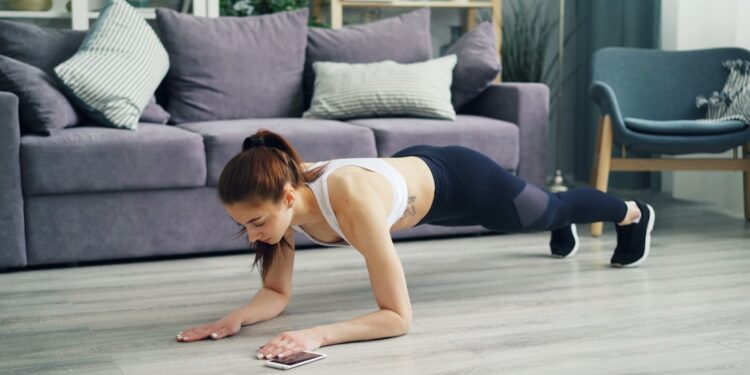
The best home workout plan for women beginners does not require a gym membership, expensive equipment, or hours of free time. What it does require is a structure that matches how your body actually adapts to exercise, a realistic weekly schedule you can stick to, and an understanding of the physiological principles that turn scattered effort into measurable progress. This guide gives you all three.
Whether you have never followed a workout routine before or are returning after a long break, the principles here are the same: start with movement quality, build volume gradually, and use your hormonal cycle as a tool rather than an obstacle. By the end of four weeks you will have trained your nervous system, built baseline muscular endurance, and established a habit that compounds over time.
Why Most Beginner Workout Plans Fail Women
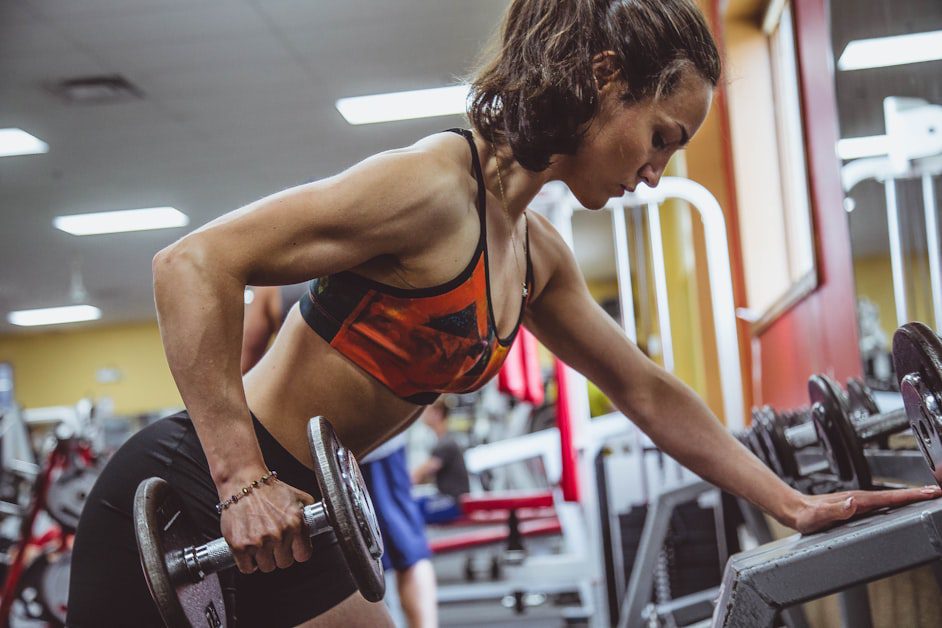
The biggest reason the best home workout plan for women beginners fails before week four is not a lack of motivation. It is programming that ignores beginner physiology. Most plans are scaled-down versions of intermediate or advanced programs, which means they start too intense, create excessive muscle soreness, and cause new exercisers to quit in week two.
Women face an additional layer of complexity. Estrogen levels fluctuate across the menstrual cycle, directly affecting strength, recovery speed, and injury risk. In the follicular phase (roughly days 1-14), estrogen peaks and collagen synthesis is higher, making this the optimal window for pushing harder. In the luteal phase (days 15-28), progesterone rises, core temperature increases slightly, and fatigue signals arrive earlier. A plan that treats all four weeks identically is leaving real gains on the table.
The solution is a best home workout plan for women beginners built on three pillars: progressive overload, adequate recovery, and cycle-aware intensity. That is exactly what the 4-week framework below delivers.
The Science Behind Beginner Gains
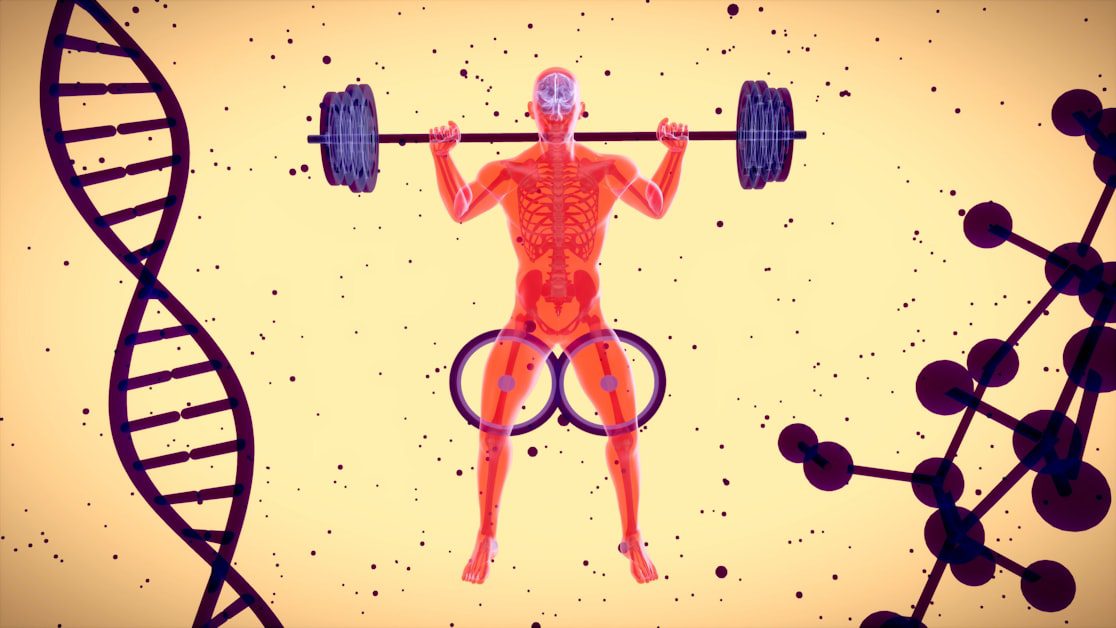
Following a best home workout plan for women beginners, the first four to six weeks of strength gains come almost entirely from neural adaptations, not muscle growth. Your brain is learning to recruit motor units more efficiently and coordinate muscle firing patterns. This means you will feel and perform better quickly, even before your muscles visibly change in size. Understanding this takes the pressure off expecting dramatic physical transformation in week one.
Cardiovascular adaptations follow a similar early curve. Your heart becomes more efficient at pumping blood, your muscles develop more mitochondria for energy production, and your lactate threshold rises, meaning you can sustain effort for longer before feeling breathless. Research published in the Journal of Strength and Conditioning Research via PubMed confirms that even two to three sessions per week produces significant cardiovascular and strength improvements in previously sedentary women within four weeks.
Progressive overload is the engine of all of this. It means adding a small, manageable challenge each week, whether that is one extra repetition, a shorter rest period, or a harder variation of the same movement. Without progressive overload, the body adapts and stops changing. With it, every session gives your physiology a reason to get stronger.
Equipment You Actually Need (It Is Almost Nothing)
One of the advantages of the best home workout plan for women beginners is that bodyweight alone provides enough resistance for the first four to eight weeks of training. Your own body, gravity, and a small amount of floor space are sufficient.
Optional additions that significantly expand your options without major cost: a pair of resistance bands (light and medium), a set of light dumbbells (5-10 lb for most beginners), and a yoga mat for floor work. None of these are required for the 4-week plan below, but they become useful in weeks five and beyond when bodyweight movements start to feel easier.
What you do need: consistent timing, a cleared space of roughly six feet by four feet, and comfortable athletic shoes for any jumping or impact work. Everything else is secondary.
The Best Home Workout Plan for Women Beginners: 4-Week Schedule
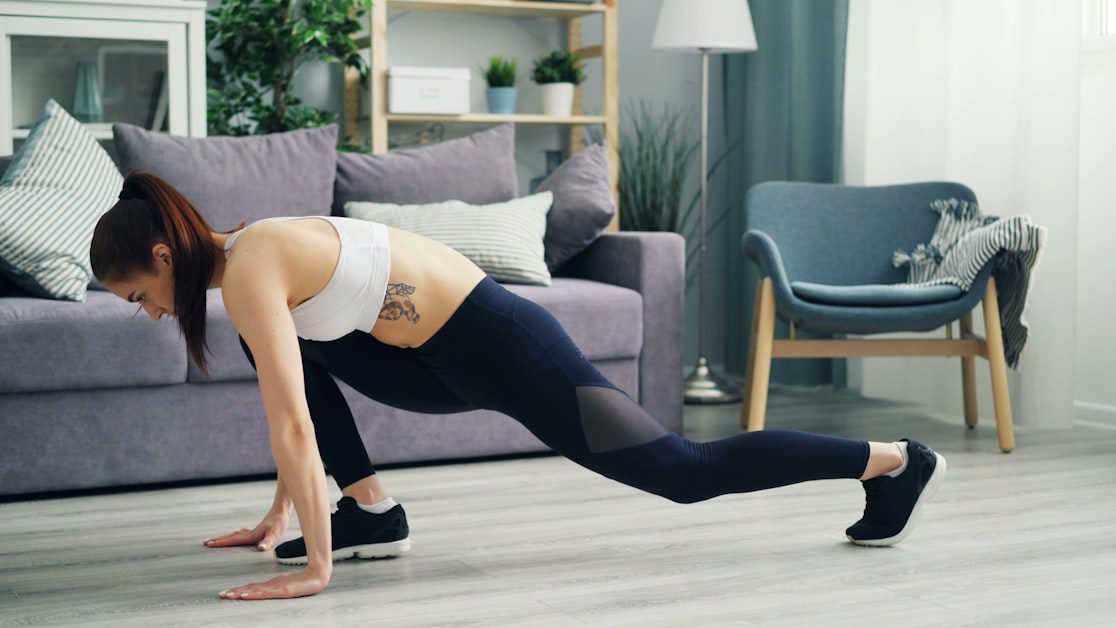
Three to four training days per week with rest or light activity between sessions is the evidence-backed sweet spot for beginners. The CDC physical activity guidelines recommend 150 minutes of moderate activity per week for adults, and this plan meets that threshold while prioritizing recovery.
Week 1-2: Foundation (3 days, Mon/Wed/Fri or Tue/Thu/Sat)
- Day 1 (Lower Body + Core): 3×10 bodyweight squats, 3×10 glute bridges, 3×8 reverse lunges each leg, 2x20s dead bug hold, 2×15 bird-dog each side
- Day 2 (Upper Body + Cardio): 3×8 incline push-ups (hands on counter), 3×10 scapular retractions (band or towel), 2×10 tricep dips on chair, 15 minutes steady-state marching or low-impact cardio
- Day 3 (Full Body + Core): 2×10 squat to press (no weight), 2×10 single-leg deadlift (bodyweight), 2×10 push-up to shoulder tap, 3x30s plank hold, 10-minute low-impact finisher
Week 3-4: Build (4 days, add Thursday as active recovery or light cardio)
- Increase all sets to 3-4, reps to 12-15 where noted
- Progress to full push-ups if incline feels easy
- Add a 5-10 lb dumbbell to squats and lunges if available
- Add Day 4: 20-minute low-impact cardio circuit (march, step-touch, modified jumping jacks, standing oblique crunch)
Each session should take 30-40 minutes including warm-up and cool-down. Short, consistent sessions beat long, infrequent ones every time at this stage. For more gym motivation tips for women beginners to keep you consistent through weeks 1-2, that article covers mindset strategies specifically for the starting phase.
How to Warm Up (And Why It Is Not Optional)
A warm-up does three things that matter mechanically: it raises core temperature (which increases muscle elasticity and reduces injury risk), primes the neuromuscular connection between your brain and the muscles you are about to use, and gradually increases heart rate so cardiovascular demand does not spike from zero. Skipping it is the fastest way to feel terrible in the first five minutes of every session.
When following a best home workout plan for women beginners, the warm-up does not need to be long or complicated. Five to seven minutes is enough. Start with two minutes of light marching or step-touches to raise heart rate. Then move through joint mobility: ten hip circles each direction, ten arm circles forward and back, ten bodyweight good mornings (hinge at the hip with hands behind head), and ten slow air squats focusing on depth and knee tracking. Finish with two rounds of the first exercise at half effort before loading the full set.
Dynamic stretching during warm-up (moving stretches) improves performance. Static stretching (holding positions for 30-60 seconds) is best saved for after the session when muscles are warm and you want to work on flexibility.
Progressive Overload for Beginners: The Simple Version
Progressive overload is the core engine of any best home workout plan for women beginners, but the application is straightforward. Each week, pick one small way to make the workout slightly harder than the week before. You do not need to do all of them at once. Options include:
- Add one repetition to each set
- Reduce rest time between sets by 10-15 seconds
- Add a 2-second pause at the hardest point of a movement (bottom of squat, bottom of push-up)
- Add a small amount of weight if you have dumbbells
- Progress to a harder variation of the same movement pattern
The key rule: never increase load and volume simultaneously. If you add weight, keep reps the same. If you add reps, keep the weight (or your bodyweight) the same. This prevents the spike in soreness that makes people want to quit.
Muscle soreness 24-48 hours after training is normal and called Delayed Onset Muscle Soreness (DOMS). It is caused by microscopic damage in muscle fibers that heals stronger than before. Soreness that is severe, affects joints rather than muscles, or lasts longer than 72 hours is a signal to reduce intensity at the next session.
Strength vs. Cardio: What Beginners Actually Need
One key decision in any best home workout plan for women beginners is the cardio-to-strength balance. The most common beginner mistake is defaulting entirely to cardio because it feels more manageable at first. Cardio is valuable and the schedule above includes it, but strength training delivers compounding benefits that cardio alone cannot: it preserves muscle mass, improves bone density (particularly important for women, who lose bone mass faster than men after 30), and raises resting metabolic rate. More muscle means your body burns more energy at rest, every day.
For women newer to strength work, the initial fear of getting bulky is physiologically unfounded. Women produce roughly 15 times less testosterone than men, which is the primary hormonal driver of significant muscle mass increase. What strength training does produce is a leaner, denser, more functional body, along with improvements in posture, joint stability, and pain reduction. If you are interested in what happens when you progress beyond the beginner phase, the principles in strength training for women over 40 explain the hormonal and metabolic case for lifting weights in detail.
The ideal beginner split is two to three strength-focused sessions and one to two cardio or active recovery sessions per week. That ratio matches what the 4-week schedule above delivers.
Recovery: The Part of the Plan Most Beginners Skip
Recovery is what separates a best home workout plan for women beginners that actually works from one that leaves you burned out after two weeks. Training creates the stimulus for adaptation. Recovery is when the adaptation actually happens. Sleep is the most powerful recovery tool available and also the most underestimated. During deep sleep, growth hormone is released, protein synthesis accelerates, and the nervous system consolidates motor patterns learned during training. Consistently sleeping fewer than seven hours is measurably associated with slower muscle recovery, higher cortisol (the stress hormone that breaks down muscle tissue), and reduced motivation to exercise.
Between training sessions, active recovery is more effective than complete rest for most beginners. A 20-minute walk, light stretching, or gentle yoga keeps blood moving through muscles, accelerates waste product clearance, and reduces stiffness without adding training stress. If you are doing three days per week, treat the other four days as active recovery days rather than sedentary days.
Nutrition timing matters modestly at the beginner stage. Getting 20-30 grams of protein within two hours after training provides the amino acids your muscles need for repair. Staying hydrated is non-negotiable. Dehydration of even 2% of body weight reduces strength performance and increases perceived exertion, making every session feel harder than it needs to.
For a structured look at how a full body circuit for beginners fits into a weekly recovery rotation, that article provides session layouts designed to complement a strength-focused primary schedule.
Working With Your Hormonal Cycle, Not Against It
Understanding your menstrual cycle as a training variable is one of the most practical insights available to anyone following a best home workout plan for women beginners. It is not about reducing training during parts of your cycle. It is about matching intensity to what your physiology can support at each phase.
Follicular phase (days 1-14, from period start): Estrogen rises, pain tolerance is higher, anabolic response to training is stronger. This is your best window for learning new movements, pushing harder sets, or attempting progression. If you have limited energy in days 1-3 due to menstruation, reduce intensity and return to your normal schedule by days 4-5.
Luteal phase (days 15-28): Progesterone rises, core temperature is slightly elevated, and fatigue arrives earlier. This does not mean stop training. It means keep volume consistent but be more conservative with intensity, rest a full two minutes between sets rather than 60-90 seconds, and prioritize sleep in the final week before menstruation when GABA-A receptor sensitivity drops and anxiety can rise. Lighter sessions in days 25-28 are a feature of smart programming, not a weakness.
Even if your cycle is irregular, tuning into subjective energy levels and adjusting session intensity accordingly produces better results and far less burnout than grinding through identical sessions regardless of how your body feels. This kind of intuitive self-regulation is what turns a best home workout plan for women beginners into a sustainable long-term practice.
Frequently Asked Questions
How many days a week should a woman beginner work out at home?
Three days per week is the evidence-backed starting point for most women who are new to structured exercise. This provides enough frequency to drive adaptation while allowing 48-72 hours of recovery between sessions. After four to six weeks when your body has adapted, adding a fourth day of lighter training or active cardio is appropriate. Starting with five or six days is a common mistake that leads to excessive soreness and early dropout.
What equipment do I need for the best home workout plan for women beginners?
No equipment is required for the first four weeks. Bodyweight squats, lunges, push-ups, glute bridges, and core work provide sufficient resistance to drive meaningful strength and neural adaptations when you are new to training. A yoga mat adds comfort for floor exercises. Resistance bands or light dumbbells become useful in weeks five through eight when bodyweight movements start feeling too easy, but they are not a prerequisite for starting.
How long before I see results from a beginner home workout plan?
Neural adaptations, which show up as improved coordination, strength, and reduced perceived effort, begin within one to two weeks. Visible changes in muscle tone typically appear between weeks four and eight, depending on nutrition, sleep, and training consistency. Cardiovascular improvements such as reduced breathlessness during sessions often appear within two to three weeks. Managing expectations around the timeline prevents the frustration that leads most beginners to quit before their body has had enough time to change.
Is it normal to feel sore after every workout as a beginner?
Mild to moderate muscle soreness 24-48 hours after training is normal and expected in the first few weeks. It reflects the microscopic muscle fiber breakdown that signals your body to rebuild stronger. It typically decreases significantly after two to three weeks as your muscles adapt to the movement patterns. If soreness is severe enough to limit normal daily movement, reduce training intensity at the next session. Sharp or joint-based pain is different from muscle soreness and should not be ignored.
Conclusion
The best home workout plan for women beginners works because it respects how the body actually changes: through progressive overload applied consistently, recovery taken seriously, and intensity calibrated to your hormonal cycle rather than fighting against it. The 4-week schedule above gives you a concrete starting framework without overwhelming complexity.
Start with three days per week, prioritize movement quality over speed or load, and add one small challenge each week. By the end of four weeks you will have built a stronger baseline, improved your cardiovascular capacity, and established a training habit that is far easier to sustain than any all-or-nothing approach. From there, the ceiling is entirely yours to define.
Medical disclaimer: The information in this article is for educational purposes only and is not a substitute for professional medical advice, diagnosis, or treatment. Consult your healthcare provider before beginning any new exercise program, especially if you have existing injuries, medical conditions, or are pregnant or postpartum.
Related Articles
- Gym Workout Plan for Weight Loss for Women: The 8-Week Guide
- Best Workout Split for Women Beginners: Full Body to PPL Explained
- HIIT Workout Plan for Women Over 40: The Safe Way to Do It
Get the exact numbers for your body
Answer 7 quick questions and get your calorie target, protein goal and a plan that fits how you actually live. Takes 2 minutes, completely free.
Build my free plan →2 minutes · Free · No card neededFree tools from Just Health Life
Calorie CalculatorCalories Burned CalculatorAll 24 calculators →Educational content, not medical advice. See our medical disclaimer and editorial policy.




Have you ever considered about including a little bit more than just your articles?
I mean, what you say is valuable and everything. But think of if
you added some great pictures or video clips to give your posts more, “pop”!
Your content is excellent but with pics and video clips, this site
could definitely be one of the best in its niche.
Excellent blog!
This info is worth everyone’s attention. How can I find out more?
Hi there to all, the contents present at this web site
are truly amazing for people experience, well, keep up the good
work fellows.
Hi to every body, it’s my first pay a visit of this website; this web site contains remarkable and in fact good information designed for visitors.
I every time used to read article in news papers but now
as I am a user of net therefore from now I am using net for posts, thanks to web.
Saved as a favorite, I love your website!
Usually I don’t learn article on blogs, however I
would like to say that this write-up very compelled me to try
and do so! Your writing taste has been surprised me. Thank you,
quite nice post.
I blog quite often and I truly appreciate your content. This
great article has truly peaked my interest. I am going to book mark your site and keep checking for new details
about once a week. I opted in for your Feed too.
What’s Taking place i’m new to this, I stumbled upon this I’ve found It positively helpful and it has helped me out loads.
I’m hoping to give a contribution & assist different
customers like its helped me. Great job.
I absolutely love your blog and find the majority of your post’s
to be exactly I’m looking for. Would you offer guest writers
to write content for yourself? I wouldn’t mind composing a post or elaborating on most of the subjects you write in relation to here.
Again, awesome web log!
I have been browsing online more than 3 hours today, yet I never found any interesting article like yours.
It is pretty worth enough for me. In my view, if all website owners and bloggers made good content as you
did, the internet will be much more useful than ever before.
Hi, all is going sound here and ofcourse every one is sharing information, that’s genuinely good,
keep up writing.
dating+coach+Dating+Coach+LA+has+deep+local+expertise+in+dating+coaches+in+Los+Angeles+California+Dating+Coach+LA+355+S+Grand+Ave+%23469%2C+Los+Angeles%2C+CA+90071%2C+United+States
obviously like your web-site but you need to test
the spelling on quite a few of your posts.
Several of them are rife with spelling problems and I in finding it very bothersome to inform the truth then again I will definitely come back again.