


A HIIT workout for women over 40 looks different from the 25-year-old version posted on fitness apps, and that difference is not a limitation. It is actually a physiological advantage waiting to be used correctly. The right HIIT workout plan for women over 40 taps into that advantage rather than fighting it. High-intensity interval training remains one of the most time-efficient tools available for fat loss, muscle preservation, and metabolic health after 40, but the research is clear that frequency, intensity, and recovery windows must be recalibrated for the perimenopausal body.
Most women over 40 who start HIIT feel great for the first two weeks, then hit a wall: poor sleep, stubborn belly fat, low energy, and a feeling that they are working harder for fewer results. That wall is not a willpower problem. It is a cortisol problem. Understanding why, and restructuring your week around it, is the difference between a HIIT plan that transforms your body and one that quietly breaks it down.
Why HIIT Still Works After 40 (But Has to Be Smarter)
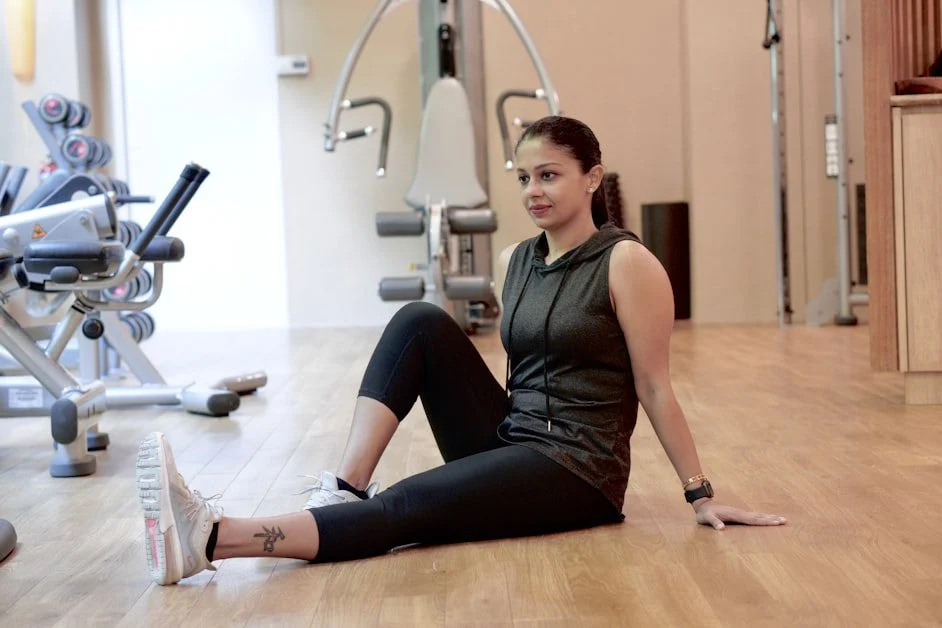
The fitness industry has a habit of treating women over 40 as fragile, steering them toward low-intensity walking programs that do almost nothing for body composition. HIIT does not need to be abandoned. It needs to be dosed correctly.
Three mechanisms make HIIT uniquely valuable in your 40s. First, HIIT produces a growth hormone spike roughly 450% higher than steady-state cardio. This matters because GH declines approximately 14% per decade after age 30, and that decline accelerates in perimenopause. Growth hormone drives muscle protein synthesis, mobilizes fat from stubborn depots, and supports connective tissue repair. A 20-minute HIIT session gives you a hormonal response that 45 minutes on a treadmill simply cannot replicate.
Second, HIIT triggers mitochondrial biogenesis via the PGC-1alpha pathway. As cells age, mitochondrial efficiency declines, which contributes to fatigue, slower metabolism, and reduced insulin sensitivity. HIIT directly reverses this decline in ways that moderate-intensity exercise does not match. Research published in Cell Metabolism found that interval training reversed the age-related decline in mitochondrial function significantly more than continuous training.
Third, HIIT preserves lean muscle during a caloric deficit better than steady-state cardio by stimulating mTOR signaling. When you are in a slight caloric deficit to lose fat, steady-state cardio accelerates muscle breakdown. HIIT preserves it. For women over 40 who are already dealing with the muscle-loss pressure of declining estrogen and progesterone, that distinction matters enormously.
The Cortisol Problem Nobody Talks About

Here is what most versions of a hiit workout plan for women over 40 get completely wrong: they prescribe the same 4-5 sessions per week that works for younger women. In perimenopause, that frequency is actively counterproductive.
The HPA axis (the system that controls cortisol) loses recovery capacity as estrogen and progesterone decline. Estrogen modulates cortisol response, and progesterone has a direct calming effect on cortisol via the GABA-A pathway. When both are dropping in perimenopause, the cortisol recovery window after hard exercise lengthens significantly. A 25-year-old may clear a cortisol spike in 4-6 hours. A perimenopausal woman doing the same session may still have elevated cortisol 18-24 hours later.
Stack 5 HIIT sessions on top of that, and you get chronically elevated cortisol. The consequences are predictable and misread as fitness failure: belly fat accumulates (cortisol drives fat storage directly to visceral depots), sleep quality drops (elevated evening cortisol blocks melatonin), and muscle breakdown accelerates. You can find out more about these patterns in this breakdown of the signs of high cortisol in women.
The science-backed answer is not less exercise. It is smarter distribution. Two HIIT sessions per week, spaced at least 48-72 hours apart, combined with two strength training sessions, produces better body composition results than five HIIT sessions while keeping cortisol in a manageable range. If you are new to structured training, the guide on gym motivation tips covers how to build that foundation without burning out.
The Luteal Phase Warning

Cycle-syncing exercise is not a wellness trend. This matters especially when you follow a hiit workout plan for women over 40. The hormonal shifts across your menstrual cycle create real, measurable differences in how your body handles stress, and HIIT is one of the highest-stress exercise formats available.
The late luteal phase (approximately days 24-28) is the most vulnerable window for perimenopausal women doing HIIT. During this phase, progesterone is dropping sharply. As progesterone falls, its metabolite allopregnanolone declines as well. Allopregnanolone is a neurosteroid that potentiates GABA-A receptors, meaning it has a natural calming, anti-stress effect. Its withdrawal in the late luteal phase is functionally similar to a mild benzodiazepine withdrawal, leaving the nervous system more reactive and cortisol more prone to spiking.
Adding a HIIT session on top of that state produces a cortisol spike that is significantly harder to recover from. Common results: the session feels harder than usual, sleep that night is disturbed, energy the next day is poor, and recovery takes two days instead of one.
The practical fix is straightforward: during days 24-28, swap HIIT for a 30-45 minute brisk walk. Walking stimulates lymphatic flow and maintains cardiovascular output without triggering a significant cortisol response. You are not losing fitness. You are protecting the recovery capacity that allows you to train hard in the rest of the month. Women experiencing irregular cycles should track symptoms rather than calendar days, shifting away from HIIT when PMS symptoms are highest.
Work-to-Rest Ratios for Women Over 40

When designing a hiit workout plan for women over 40, standard HIIT protocols that use a 40-second work, 20-second rest format often miss the mark. For women over 40, this ratio is frequently too aggressive. Forty seconds at true high intensity followed by 20 seconds of recovery does not allow adequate phosphocreatine replenishment, which means intensity drops after the second or third interval whether you feel it or not. You end up doing moderate-intensity exercise with a HIIT label, missing the hormonal benefits while still accumulating cortisol.
A 30-second work, 90-second rest ratio gives women over 40 the recovery window needed to actually perform each interval at genuine high intensity. The longer rest does not make the session easier. It makes the work intervals harder and more effective. Your heart rate drops enough to recruit fast-twitch muscle fibers for the next interval, which is where the GH spike and mTOR signaling originate.
Start with 6 intervals (18 minutes total), add one interval per week up to 10 intervals (20 minutes total), then increase intensity rather than duration. This progressive overload structure works with satellite cell recruitment rates that slow with age, giving connective tissue and muscle fibers time to adapt without injury.
The 20-Minute hiit workout plan for women over 40
This is a beginner-to-intermediate protocol designed for the cortisol and recovery realities described above. Perform this session twice per week, with at least 48 hours between sessions.
Warm-up (8 minutes, non-negotiable): Hip circles x 10 each direction, leg swings x 10 each leg, inchworm walks x 5, bodyweight squats x 10 slow, arm circles x 10 each direction, lateral shuffles x 4 lengths. Over 40, collagen cross-linking in connective tissue requires more time and movement variety to mobilize than it did at 25. Skipping or rushing the warm-up is where most soft tissue injuries originate.
Work intervals (20 minutes): 8 rounds of 30 seconds work, 90 seconds rest. Choose one exercise per round or rotate through the list below. Actual rest means actual rest. Set a timer and stop moving.
- Jump squats (modify: fast bodyweight squats if knees are a factor)
- Alternating reverse lunges with knee drive
- Push-up to shoulder tap
- Lateral bounds (side-to-side hops)
- Mountain climbers
- Sumo squat jumps
- Plank to downward dog
- High knees (modify: fast marching in place)
Cool-down (5 minutes): Slow walking, followed by 90-second holds in hip flexor stretch, hamstring stretch, and thoracic rotation. Do not skip the cool-down. It begins the cortisol clearance process and signals parasympathetic recovery.
Total session time including warm-up and cool-down: 33 minutes. The work portion is 20 minutes. This is intentional. Women over 40 who do 60-minute HIIT classes are accumulating cortisol exposure that contradicts their goals.
Weekly Structure: What the Rest of Your Week Should Look Like
HIIT does not exist in isolation. For women over 40, the surrounding week is as important as the HIIT sessions themselves. Pairing HIIT with strength training for women over 40 is the most researched combination for body composition change in perimenopause.
Sample weekly structure:
- Monday: HIIT session (20 minutes plus warm-up and cool-down)
- Tuesday: Strength training (compound lifts: squats, deadlifts, rows, press)
- Wednesday: Walk 30-45 minutes, or yoga and mobility work
- Thursday: HIIT session (20 minutes plus warm-up and cool-down)
- Friday: Strength training (different movement patterns from Tuesday)
- Saturday: Active recovery: walking, swimming, light cycling
- Sunday: Full rest
During the late luteal phase, replace both HIIT sessions with 30-45 minute walks. Keep the strength sessions with a little less on the bar and form ahead of weight. This is not regression. It is intelligent periodization that mirrors what elite sports science applies to female athletes.
A well-structured hiit workout plan for women over 40 is built around recovery as much as exertion. Supporting your metabolism through this structure matters too. The guide on how to boost metabolism after 40 covers the nutritional and lifestyle levers that make this training structure more effective.
Recovery Is the Training
When you follow a hiit workout plan for women over 40, recovery is not passive at any point. It is physiologically active and deserves the same attention as the session itself. Satellite cells (the muscle stem cells responsible for repair and growth) are recruited more slowly with age. What took 24 hours to repair at 25 may take 48 hours at 45. Ignoring this does not toughen you up. It accumulates micro-damage faster than it can be repaired, which is the physical definition of overtraining.
Three recovery practices that directly support HIIT adaptation in women over 40:
- Sleep 7-9 hours: The majority of GH release happens during slow-wave sleep. If HIIT is supposed to trigger a GH spike, but sleep quality is poor, you lose the primary benefit. Sleep is where the training actually happens.
- Protein 1.6-2.0g per kg of bodyweight: Muscle protein synthesis after HIIT is blunted in older adults compared to younger ones, but adequate protein intake partially compensates. Distribution matters too: aim for 35-40g per meal rather than a low breakfast and large dinner.
- Cold exposure or contrast therapy: Not ice baths after every session, but a 2-3 minute cold shower post-HIIT activates the vagus nerve and supports parasympathetic recovery, accelerating the cortisol clearance the body needs.
If you are noticing disrupted sleep or persistent fatigue during a HIIT program, check whether your symptoms match the patterns described in early signs of perimenopause. These symptoms are frequently misread as overtraining when the underlying driver is hormonal.
HIIT vs. Steady-State Cardio After 40: What the Research Shows
A complete hiit workout plan for women over 40 includes both modalities. The common advice to replace HIIT entirely with steady-state cardio after 40 is well-intentioned but incomplete. Steady-state cardio has genuine benefits: lower cortisol response, lower injury risk, better sustainability for beginners, and positive cardiovascular adaptations. It belongs in the weekly structure, as outlined above.
But for fat loss specifically, HIIT outperforms steady-state cardio in women over 40 in three measurable ways. Post-exercise oxygen consumption (EPOC) after HIIT is significantly higher, meaning calorie burn continues for 12-24 hours after the session ends. Steady-state cardio produces minimal EPOC. Visceral fat (the metabolically dangerous fat around organs that accumulates specifically in perimenopause) responds preferentially to HIIT over steady-state cardio, according to research published in the Journal of Diabetes Research. And insulin sensitivity improvements are faster and larger with HIIT than with moderate continuous exercise, according to a meta-analysis on PubMed.
The answer is not HIIT or steady-state. It is HIIT plus steady-state, in the proportions the weekly structure above describes.
HIIT lives in the upper heart rate zones, and the page on what is a normal blood pressure explains how the zones are drawn from age and resting pulse, with the tool that draws yours.
HIIT is the vigorous end of the guideline, where 75 minutes count as 150, and the page on how to start working out explains the zones it runs in and the easy weeks that should surround it.
Frequently Asked Questions
How many times per week should women over 40 do HIIT?
For any hiit workout plan for women over 40, twice per week is the research-supported sweet spot for perimenopausal women. More than two HIIT sessions per week risks chronically elevated cortisol due to the slower HPA axis recovery that comes with declining estrogen and progesterone. Pair two HIIT sessions with two strength training sessions for optimal results without hormonal disruption.
Is HIIT safe for women with perimenopausal symptoms?
Yes, a hiit workout plan for women over 40 is safe with appropriate modifications. The key adjustments are: two sessions maximum per week, at least 48-72 hours between sessions, a 30:90 work-to-rest ratio (not 40:20), a full 8-minute warm-up, and no HIIT during the late luteal phase when progesterone is at its lowest. Women with cardiovascular conditions or osteoporosis should consult a physician before starting any HIIT program.
Why am I gaining belly fat even though I do HIIT every day?
Following a hiit workout plan for women over 40 daily is the problem. That frequency commonly causes exactly this outcome. The mechanism is chronically elevated cortisol, which directly drives fat storage in visceral and abdominal depots. The fix is to reduce HIIT frequency to twice per week, ensure 48-72 hours of recovery between sessions, and avoid training during the late luteal phase. Most women see belly fat decrease when they train less frequently but recover more completely.
What exercises are best for a HIIT session for women over 40?
Lower-impact modifications are appropriate for most women over 40 to protect joints while maintaining intensity. Fast bodyweight squats instead of jump squats, lateral bounds instead of box jumps, and mountain climbers instead of burpees all preserve cardiovascular and metabolic demand while reducing joint stress. Plyometric exercises can be reintroduced gradually once a strength and mobility base is established over 4-6 weeks.
How long does it take to see results from HIIT after 40?
With a proper hiit workout plan for women over 40, metabolic improvements such as better insulin sensitivity and increased mitochondrial efficiency typically appear within 4-6 weeks of consistent HIIT twice per week. Visible body composition changes generally require 8-12 weeks when training is paired with adequate protein intake (1.6-2.0g per kg of bodyweight) and a modest caloric deficit. Sleep improvements and energy increases are often the first noticeable changes, usually within 2-3 weeks.
Conclusion
A well-designed hiit workout plan for women over 40 is one of the most powerful tools available for body composition, metabolic health, and hormonal balance during perimenopause. The science is clear that HIIT works, and the science is equally clear that frequency and recovery are the variables most women get wrong. Two sessions per week, 30-second work intervals with 90-second recovery, a thorough warm-up, and zero HIIT during the late luteal phase is not a watered-down program. It is a precision protocol.
The women who get the best results from HIIT after 40 are not the ones training the hardest. They are the ones training the smartest, protecting their cortisol, supporting their recovery, and pairing their HIIT sessions with strength work that builds the muscle base HIIT alone cannot provide. Start with the 20-minute protocol above, track how your body responds across a full cycle, and adjust from there.
Medical disclaimer: This article is for informational purposes only and does not constitute medical advice. Consult with your healthcare provider before beginning any new exercise program, particularly if you have cardiovascular conditions, osteoporosis, joint issues, or are experiencing significant perimenopausal symptoms. Individual responses to exercise vary based on health status, fitness level, and hormonal changes.
Related Articles
- Gym Workout Plan for Weight Loss for Women: The 8-Week Guide
- Best Home Workout Plan for Women Beginners: 4-Week Starter Guide
- Strength Training for Women Over 40: The Complete Beginner’s Guide