


Cardio or weights for weight loss: for women the debate has been running in gyms and fitness forums for decades, and the answer is more nuanced than most coaches admit. Both modalities burn calories, but the way they interact with a woman’s metabolism, hormones, and muscle mass differs dramatically, and picking the wrong one as your primary tool can stall your results for months.
This article breaks down the science behind each approach, including EPOC, metabolic adaptation, cortisol, and female-specific fat oxidation, so you can stop guessing and start training smarter. Understanding cardio vs weight training for women weight loss means looking past the calorie counter on the treadmill and examining what each method does to your metabolism, hormones, and muscle tissue over weeks and months. By the end, you will know exactly which method to prioritize, when to combine them, and how to adjust based on your cycle phase for consistent results.
How Cardio Burns Fat: The Honest Picture

Steady-state cardio, whether that is a 45-minute treadmill jog or a long cycling session, burns calories primarily during the workout. Your heart rate stays elevated, your body taps into both fat and glycogen stores, and the calorie counter ticks upward. For a 150-pound woman, 45 minutes of moderate-intensity cardio burns roughly 300 to 400 calories.
Here is where the picture gets complicated. Once you finish that run, your metabolic rate returns to baseline within two to four hours. The calorie burn stops when the workout stops. Over time, the body is extraordinarily good at adapting to repeated cardio stimuli: it becomes more fuel-efficient, meaning you burn fewer calories performing the same session at week 10 compared to week one.
There is also a female-specific advantage worth knowing: estrogen enhances fat oxidation during low- to moderate-intensity cardio. Women, on average, burn a higher proportion of fat as fuel at the same relative intensity compared to men, thanks to estrogen’s interaction with hormone-sensitive lipase. This is genuinely good news for cardio-based fat loss, but it does not override the metabolic adaptation ceiling that eventually slows progress.
The Cardio Queen Plateau: Why Fat Loss Stalls After 8 to 12 Weeks

If you have ever hit a wall where the scale stops moving despite logging 5 cardio sessions per week, you have experienced metabolic adaptation. Researchers call it the AMPK pathway suppressing mTOR signaling. In plain terms: chronic aerobic training activates AMPK (the body’s cellular energy sensor), which simultaneously downregulates mTOR, the pathway responsible for preserving and building muscle tissue.
The outcome is a double hit. Your body reduces muscle protein synthesis to conserve energy, and because muscle is metabolically expensive tissue, your resting metabolic rate drops. You are now burning fewer calories at rest, and the cardio sessions themselves are burning fewer calories because the body has adapted to perform them efficiently. This is sarcopenic obesity in slow motion: body fat percentage can actually rise even as the scale holds steady, because the lean mass being lost is replaced by nothing.
Women who rely exclusively on cardio for fat loss often find themselves lighter but softer, with a higher fat-to-muscle ratio than when they started. This is not a motivation problem; it is a physiology problem. It is also the single biggest reason why cardio vs weight training for women weight loss is not a straightforward trade-off: the calorie deficit created by cardio today can cost you metabolic currency tomorrow.
How Weight Training Burns Fat: EPOC and the 38-Hour Window
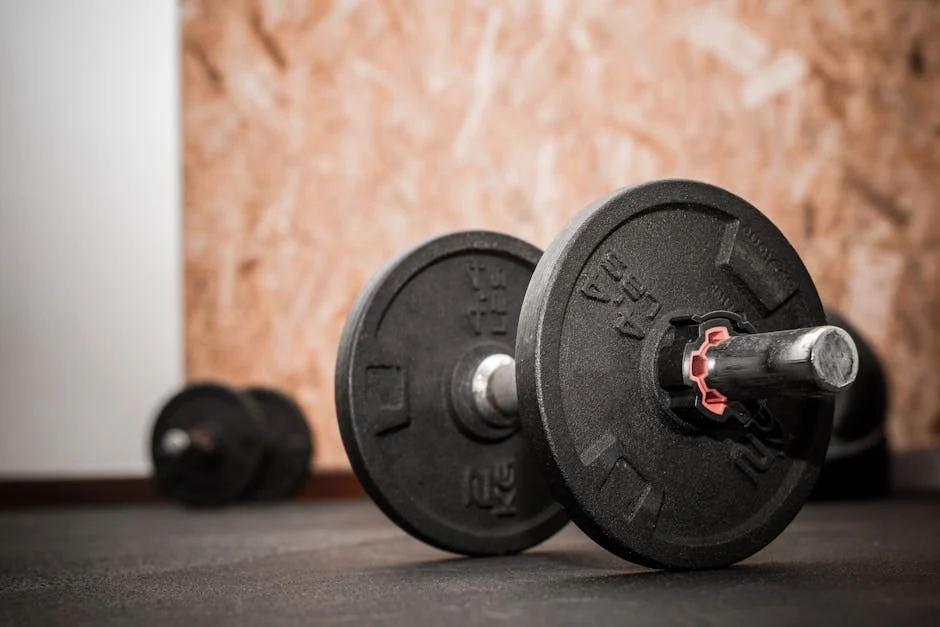
Strength training burns fewer calories during the session compared to moderate cardio. A 45-minute lifting session for a 150-pound woman might burn 180 to 250 calories. On paper, cardio wins that comparison. The critical metric, however, is what happens after the workout ends.
Resistance training triggers EPOC, or excess post-exercise oxygen consumption, the phenomenon sometimes called the afterburn effect. During EPOC, the body continues consuming oxygen at an elevated rate to repair muscle fibers, replenish depleted phosphocreatine stores, restore hormonal balance, and regulate body temperature. Peer-reviewed research published in the National Library of Medicine shows that high-intensity resistance training can raise metabolism for 24 to 38 hours post-exercise. A heavy squat session you finished at 7 PM is still burning extra calories Tuesday morning.
The compounding factor is muscle tissue itself. Every pound of muscle you add burns approximately 6 to 10 additional calories per day at rest. That sounds modest, but add 5 pounds of muscle over six months of consistent training and your resting metabolic rate climbs by 30 to 50 calories per day, every single day, whether you work out or not. Cardio builds almost no new muscle mass under typical training conditions, which means it contributes almost nothing to this resting metabolic rate increase.
For more on building lean mass effectively, read this guide to strength training for women over 40, which covers progressive overload, anabolic resistance, and the hormonal context specific to that life stage.
Cortisol: The Hidden Fat-Storage Mechanism in Cardio-Heavy Programs

Prolonged cardio sessions lasting 60 minutes or more trigger a significant cortisol response. Cortisol is your body’s primary stress hormone, and its job during extended exercise is to break down non-essential tissue (including muscle) to supply glucose to working muscles when glycogen runs low. This is muscle catabolism, and it directly undermines the lean mass you need to keep your metabolism elevated.
Chronically elevated cortisol also drives preferential fat storage around the abdomen. The mechanism involves cortisol upregulating lipoprotein lipase activity in visceral fat cells, which means the body actively pulls circulating triglycerides into belly fat storage when cortisol is high. Women in particular tend to store fat viscerally in response to cortisol stress, partly because of interactions between cortisol and the estrogen-progesterone ratio.
Strength training sessions of 45 to 60 minutes do raise cortisol, but the spike is shorter-lived and counterbalanced by a strong anabolic hormone response including growth hormone and, in women, IGF-1 signaling. The net hormonal effect of weight training is anabolic (tissue-building), while the net hormonal effect of prolonged cardio tilts catabolic (tissue-breakdown).
Cardio vs Weight Training for Women Weight Loss: What the Research Actually Shows
When you put cardio vs weight training for women weight loss side by side in controlled trials, the results consistently favor a combined approach for body composition. A widely cited trial from PubMed Central compared aerobic training, resistance training, and a combined program in overweight adults over eight months. The cardio group lost the most total weight, the resistance group lost almost no scale weight but gained muscle and lost fat, and the combined group achieved the best body composition changes overall. For women specifically, the combined approach consistently outperforms either method alone across studies measuring fat mass rather than scale weight.
Body composition, not scale weight, is the correct metric for most women’s fat loss goals. A woman who loses 8 pounds of fat but gains 3 pounds of muscle looks leaner, fits smaller clothing, and has a higher resting metabolic rate, even though the scale only shows a 5-pound drop. Cardio-only programs optimize for scale weight; weight training optimizes for body composition.
If you want to understand how to build muscle as a woman naturally, that article covers the protein, progressive overload, and recovery principles that make the resistance training side of this equation work.
The Hybrid Strategy: Weights First, Cardio Second
The most effective answer to cardio vs weight training for women weight loss is not choosing one or the other, but sequencing them deliberately. The winning strategy: strength training first, followed by 20 to 30 minutes of moderate cardio. The sequencing matters more than most people realize.
Starting with weights depletes muscle glycogen stores during the lifting session. When you then move into cardio, those glycogen tanks are partially empty, and the body shifts proportionally faster toward fat oxidation as the primary fuel source. You enter the fat-burning zone earlier in the cardio block and stay there longer. Starting with cardio first does the opposite: it partially depletes glycogen before you reach the weights, reducing the quality of the resistance session and the anabolic stimulus.
A practical weekly structure for fat loss: three to four strength sessions (full body or upper/lower split), each followed by 20 to 25 minutes of moderate cardio at 60 to 70% max heart rate. Add one to two dedicated low-intensity cardio sessions (walking, cycling) on separate days for additional calorie burn without cortisol elevation. This structure keeps cortisol manageable, preserves muscle mass, maximizes EPOC from the lifting sessions, and uses cardio as an additive tool rather than the primary driver.
For the motivation side of getting started with weights, these gym motivation tips for beginners cover the mindset shifts that make consistency sustainable.
Cycle-Phase Training: Adjusting Intensity for Better Results
Women have a biological variable that men do not: a monthly hormonal cycle that meaningfully affects recovery capacity, energy availability, and injury risk. When thinking about cardio vs weight training for women weight loss across a full month, this cycle changes the optimal answer depending on which week you are in. Ignoring it means leaving performance and recovery on the table.
During the follicular phase (days 1 to 14), rising estrogen enhances insulin sensitivity, increases pain tolerance, and supports faster recovery between sessions. This is the optimal window for high-intensity lifting and HIIT-style cardio. Your body tolerates higher training loads and recovers faster during this phase, so schedule your most demanding workouts here.
During the luteal phase (days 15 to 28), progesterone rises and then falls sharply before menstruation. The drop in progesterone triggers an allopregnanolone withdrawal that increases sympathetic nervous system activity, elevates baseline cortisol, and raises core body temperature by 0.3 to 0.5 degrees Celsius. Intense cardio on top of an already elevated cortisol baseline accelerates muscle catabolism and increases fat storage risk. The practical adjustment: keep cardio easy, around 60 to 65% of max heart rate, walking and moderate cycling, and shift lifting toward moderate loads with higher reps rather than maximal effort. You will preserve your results without fighting your hormonal environment.
This approach pairs well with the broader strategies covered in the guide to boost metabolism after 40, which addresses the compounding metabolic changes that affect women as estrogen declines.
Whichever side of the cardio-versus-weights debate you land on, prioritizing the exercises that burn the most calories stretches every workout further.
Either kind of training works the heart, and the page on what is a normal blood pressure explains the resting pulse a fitter heart settles to and the zones the sessions run in.
The guideline asks for both, aerobic minutes and two strength days, and the page on how to start working out shows how a week holds the two.
Frequently Asked Questions
What is the verdict on cardio vs weight training for women weight loss overall?
Weight training wins for long-term fat loss because of EPOC, muscle retention, and metabolic rate preservation. Cardio wins for same-session calorie burn and cardiovascular health. The optimal answer for most women is a combined program: three to four strength sessions weekly, each followed by 20 to 25 minutes of moderate cardio. This structure captures the metabolic benefits of both without the cortisol and adaptation downsides of cardio-only programs.
Should I do cardio or weights first at the gym?
Do weights first. Lifting with full glycogen stores allows you to generate maximum force and trigger the strongest anabolic response. When you then move to cardio, the partially depleted glycogen shifts the body toward fat as fuel more quickly, so you burn more fat during the cardio block. Starting with cardio compromises the quality of your strength session and reduces its muscle-preserving benefit.
How long does the EPOC afterburn last after strength training?
Research shows that high-intensity resistance training can raise resting metabolic rate for 24 to 38 hours after the session. The magnitude depends on the volume and intensity of the workout, with compound movements like squats, deadlifts, and rows producing the largest EPOC response because they recruit the most total muscle mass. Cardio at moderate intensity typically returns metabolism to baseline within two to four hours.
Can I lose fat by lifting weights without doing any cardio at all?
Yes. A calorie deficit combined with consistent resistance training produces fat loss without any dedicated cardio. Lifting preserves muscle mass during a deficit, keeps resting metabolic rate elevated through EPOC and lean tissue accumulation, and avoids the cortisol-driven muscle catabolism of prolonged cardio. Many women achieve their best body composition results with weights-only programs. Adding walking or low-intensity cardio as a supplement (not the foundation) can accelerate results without the adaptation ceiling of steady-state cardio.
Does cardio burn muscle in women?
Prolonged cardio sessions of 60 minutes or more can promote muscle catabolism, particularly when glycogen stores are low and cortisol remains elevated throughout the session. The risk is higher in a calorie deficit. Short to moderate cardio sessions (20 to 40 minutes) at moderate intensity, especially when performed after weight training, carry a lower catabolism risk. HIIT-style cardio of 20 to 25 minutes is also generally muscle-sparing compared to long steady-state sessions.
Conclusion
The cardio vs weight training for women weight loss debate does not have a binary winner. Cardio burns more calories during the session; weight training burns more calories over the following 24 to 38 hours, builds metabolically active muscle tissue, and avoids the cortisol-driven fat storage that comes with long cardio sessions. For long-term, sustainable fat loss without sacrificing the body composition you want, strength training is the foundation and cardio is the supplement.
The most practical answer to cardio vs weight training for women weight loss: three to four strength sessions per week, each followed by 20 to 30 minutes of moderate cardio, plus one to two walking days. Adjust intensity based on your cycle phase, prioritize progressive overload in the weights, and measure success by how your clothes fit and how your body composition changes, not just by the number on the scale. That is the method that produces lasting results.
Medical disclaimer: This article is for informational purposes only and does not constitute medical advice. Consult a qualified healthcare provider or certified fitness professional before beginning any new exercise program, particularly if you have underlying health conditions, hormonal disorders, or are recovering from injury.
Related Articles
- Gym Workout Plan for Weight Loss for Women: The 8-Week Guide
- How Many Sets and Reps for Women to Lose Weight at the Gym
- Strength Training for Women Over 40: The Complete Beginner’s Guide