


A well-designed glute workout at gym for women does more than improve aesthetics. The gluteus maximus is the largest single muscle in the human body, and building it directly increases resting metabolic rate, improves hip and lower back stability, and shifts fat storage patterns in ways that benefit long-term hormonal health. This guide covers the exercises, the mechanics, and the hormonal reasons why glute training deserves a central place in any woman’s gym program.
Why Glute Training Matters Beyond Aesthetics for Women
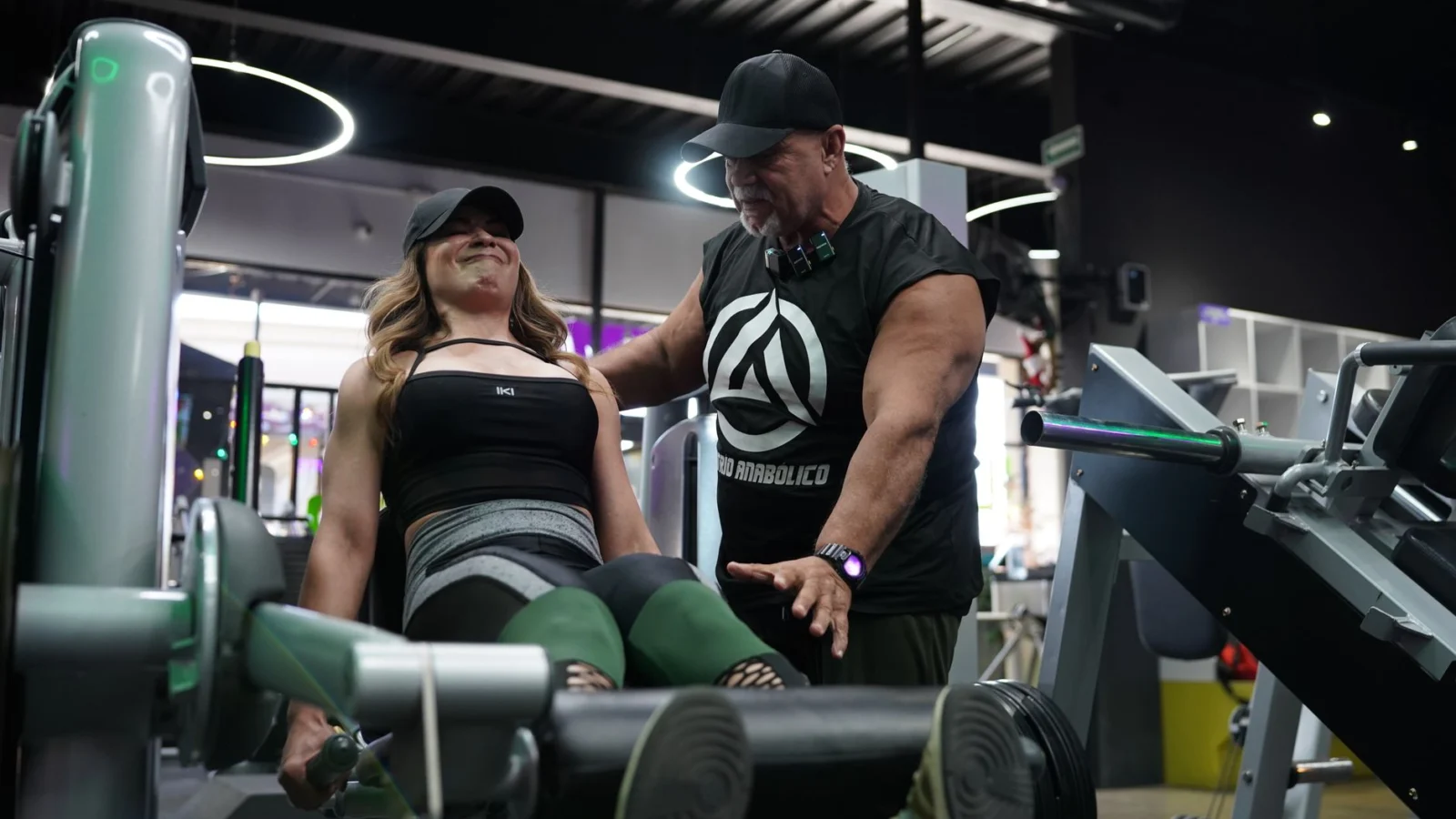
Estrogen drives fat storage toward the gluteofemoral region (hips, glutes, and thighs) during the reproductive years. This is protective subcutaneous fat, metabolically different from the visceral abdominal fat that accumulates in menopause and under chronic stress. Strong glutes support the hormonal signaling that maintains this healthy fat distribution pattern.
As estrogen declines in perimenopause, the gluteofemoral fat storage advantage diminishes and fat redistributes toward the visceral compartment. Building and maintaining glute muscle mass through progressive resistance training partially compensates for this shift by elevating systemic metabolism and improving insulin sensitivity in the lower body.
From a structural standpoint, the glutes are the primary hip extensors and stabilizers of the pelvis. Weak glutes contribute to anterior pelvic tilt, lower back pain, and knee valgus (knees caving inward during squats and lunges). Every compound lower-body movement becomes more efficient and safer when the glutes are strong and properly activated.
The Glute-Mind Connection: Why Women Often Miss Glute Activation
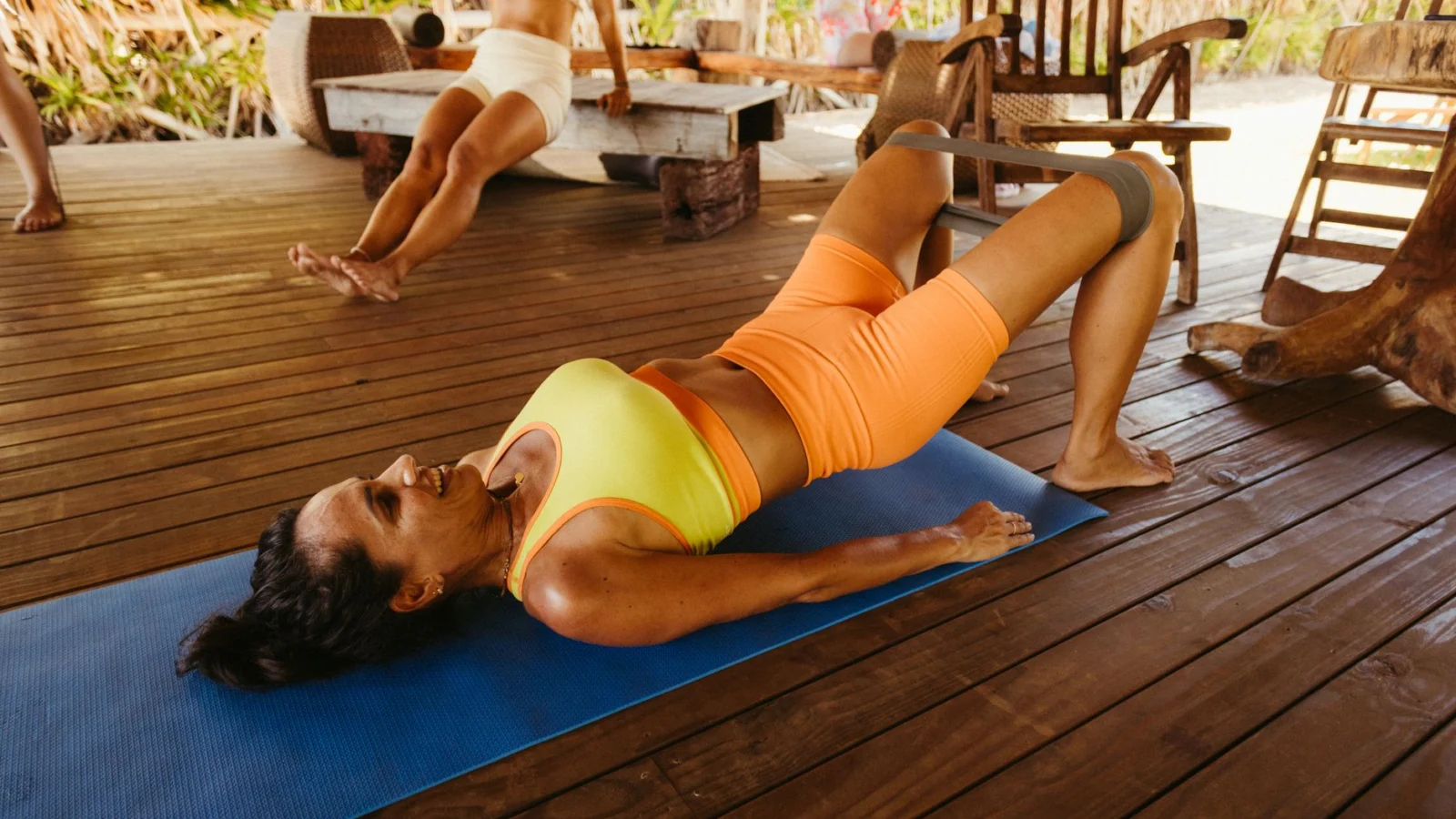
The most common problem women have with glute training is not the exercises but the inability to feel the glutes working during those exercises. This is called poor glute-mind connection or glute amnesia, and it is more common in women who sit for long periods because hip flexor tightening causes the glutes to become neurologically inhibited (reciprocal inhibition).
Signs your glutes are not firing properly during squats or deadlifts:
- You feel the exercise primarily in your quads or lower back instead of the glutes
- Your lower back fatigue before your glutes do
- Your knees drift inward on the descent of a squat
- You cannot sustain a strong glute contraction at the top of a hip thrust
Fix: Add glute activation exercises before your main training session. Banded clamshells, banded lateral walks, and glute bridges with a hold at the top for two seconds each rep re-establish the neural pathway to the gluteus medius and maximus before they are needed in heavier compound lifts.
The Best Glute Workout at Gym for Women: Exercise Breakdown
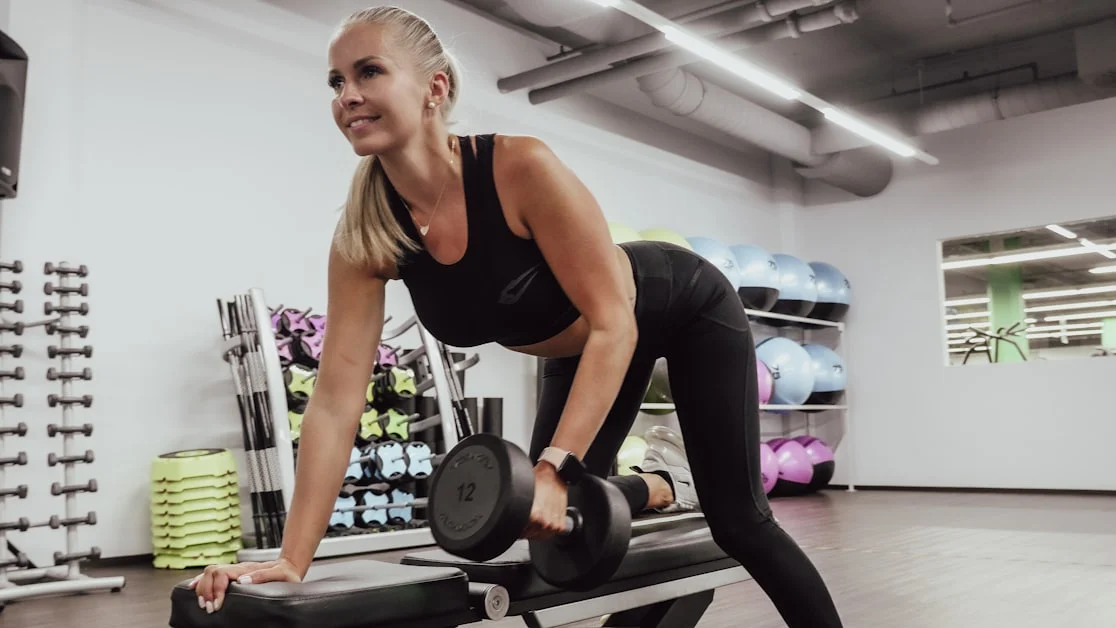
The following exercises form the foundation of an effective glute workout at gym for women. They are selected for their combination of glute activation percentage, load capacity (ability to be progressively overloaded), and practical accessibility in a commercial gym setting.
Hip Thrust (Primary Glute Exercise)
The barbell hip thrust produces the highest gluteus maximus activation of any exercise measured in electromyography (EMG) research, higher than squats, deadlifts, or lunges. The horizontal loading angle (force applied through the hip as it extends rather than as it descends) creates a resistance curve that maximally loads the glute at its fully contracted position, which is exactly where compound vertical-load exercises like squats are weakest.
Protocol: 3-4 sets of 10-15 reps. Use a barbell across the hips with a pad. Drive through the heels and squeeze the glutes hard for one to two seconds at full extension. Do not hyperextend the lower back.
Romanian Deadlift (Posterior Chain)
The Romanian deadlift loads the glutes through the stretch position, creating a different stimulus than the hip thrust. Combined, hip thrusts and RDLs train the glutes across their full range of motion, which research published by the NIH on resistance exercise programming identifies as the most effective approach for full-spectrum muscle development.
Protocol: 3-4 sets of 10-12 reps. Hinge at the hip, keep the bar close to the body, and feel the hamstring stretch at the bottom before driving the hips forward to return to standing.
Bulgarian Split Squat (Unilateral Glute Focus)
Unilateral (single-leg) exercises address left-right imbalances that bilateral movements mask and force the stabilizing muscles of the pelvis to work harder. The Bulgarian split squat with a slight forward lean on the torso shifts the emphasis from quads to glutes. It also produces a strong stretch in the hip flexors of the rear leg, which helps counteract the tightening that inhibits glute activation.
Protocol: 3 sets of 8-12 reps per leg. Rear foot elevated on a bench. Keep the front shin vertical and hinge slightly forward at the torso to maximize glute recruitment over quad.
Cable Pull-Through or Kettlebell Swing
Both exercises train the explosive hip extension pattern that the glutes produce during athletic movements. The cable pull-through uses a rope attachment at the low pulley and mimics the Romanian deadlift pattern with constant cable tension rather than free weight. Kettlebell swings add a power component. Both are excellent as secondary glute exercises or as finishers.
Protocol: 3 sets of 15-20 reps. Focus on the hip snap forward rather than pulling with the arms.
Abduction Machine or Banded Abduction
The gluteus medius (the smaller glute muscle on the outer hip) is primarily responsible for hip abduction and pelvic stability during single-leg phases of walking and running. The abduction machine directly isolates this muscle. Weakness in the gluteus medius is the primary driver of knee valgus and IT band syndrome in women who run or do high-rep lunges.
Protocol: 3 sets of 15-20 reps. Control the return phase. This is a secondary exercise, not a primary one.
Glute Workout at Gym for Women: 3-Day Weekly Program
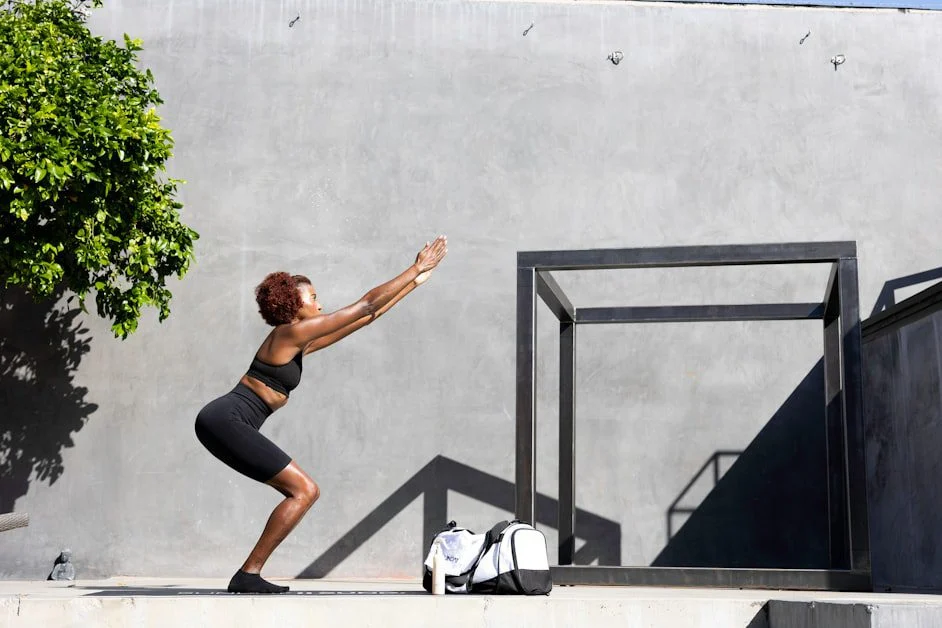
This program prioritizes glute development within a full-body framework rather than isolating glutes in separate sessions. Full-body programming produces better fat loss outcomes and allows higher training frequency for the glutes without the excessive soreness that glute-only sessions often produce.
Day 1 (Monday):
- Glute activation: banded clamshells 2 x 15 per side + glute bridge hold 2 x 10 (2s hold)
- Hip thrust – 4 x 10-15
- Romanian deadlift – 3 x 10-12
- Dumbbell shoulder press – 3 x 10-12
- Seated cable row – 3 x 12
- Abduction machine – 3 x 15-20
Day 2 (Wednesday):
- Glute activation: banded lateral walk 2 x 10 per direction
- Bulgarian split squat – 3 x 8-12 per leg
- Cable pull-through – 3 x 15
- Lat pulldown – 3 x 12
- Dumbbell incline press – 3 x 10-12
- Goblet squat – 3 x 12
Day 3 (Friday):
- Glute activation: glute bridge 2 x 15
- Hip thrust – 4 x 10-15 (increase weight from Day 1 if all reps completed cleanly)
- Walking lunges weighted – 3 x 12 per leg
- Romanian deadlift – 3 x 12
- Tricep pushdown – 3 x 12
- Abduction machine – 3 x 20
This structure ensures the hip thrust, the highest-stimulus glute exercise, appears twice per week with adequate recovery between sessions. The full-body framework means each session also includes the upper body work needed for balanced muscle development and overall metabolic rate elevation. For the complete progression protocol and how to increase weights over 8 weeks, see the gym workout plan for weight loss for women.
Progressive Overload Applied to Glute Training
Glute training follows the same progressive overload principles as all resistance training, but the hip thrust deserves specific attention because the load increments required for progression can feel large relative to the exercise.
On the hip thrust, add weight only when you can complete all target reps with a full two-second squeeze at the top and without any lower back compensation. A 5 kg barbell plate increase (2.5 kg per side) is the correct increment. Avoid jumping by more than this regardless of how easy the current weight feels, because the fully loaded position of the hip thrust creates significant compressive force on the lumbar spine if technique deteriorates.
The CDC physical activity guidelines for adults recommend progressive muscle-strengthening activities that increase in difficulty over time, which is exactly what this progressive approach achieves while maintaining safety.
For the complete framework on applying progressive overload across all gym exercises, including how to track progress and manage plateaus, read our guide on progressive overload for women beginners.
How Long Until Your Glute Workout at Gym for Women Shows Results
The timeline for visible glute development follows the same general pattern as all resistance training adaptations:
- Weeks 1-3: Neuromuscular adaptation. Glute activation improves. Strength increases rapidly. No visible size change.
- Weeks 4-8: Initial muscle tissue development. Glutes begin to feel firmer and more defined under existing subcutaneous fat.
- Weeks 8-16: Visible shape changes. The gluteus maximus begins to show more pronounced upper and outer development with consistent progressive overload and adequate protein intake.
- Months 6-12: Significant shape and size development in women who maintain consistent training and nutrition across this period.
Women with higher body fat percentages often see the glute shape changes later because subcutaneous fat obscures the underlying muscle definition even as the muscle grows. This is not a training failure. It is a sequencing issue: the muscle is developing under the fat layer, and as total body fat reduces alongside muscle growth, the shape change becomes visible.
For context on how muscle building timelines apply to overall body composition change in women, the complete breakdown is in our article on how to build muscle as a woman.
Glute work belongs on the two strength days the guideline asks for, and the page on how to start working out shows the rest of the week around them.
Frequently Asked Questions
How many times a week should women train glutes at the gym?
Two to three times per week is the most effective frequency for glute development in women, allowing adequate mechanical stimulus while providing 48-72 hours of recovery between sessions. Training glutes three times per week in a full-body framework produces better results than one dedicated glute day per week, because muscle protein synthesis peaks around 24-48 hours post-exercise and then returns to baseline, meaning more frequent training keeps the muscle-building signal elevated more consistently across the week.
Should women do hip thrusts or squats for glutes?
Both, for different reasons. Squats load the glutes primarily in the lengthened (stretched) position, which produces muscle damage and subsequent growth in the lower and outer glute regions. Hip thrusts load the glutes in the contracted (shortened) position, producing the strongest activation signal in the upper and mid-glute. Combining both exercises in a program produces more complete development than either exercise alone. If you can only choose one, hip thrusts produce higher absolute gluteus maximus activation per rep.
Why do I feel squats in my quads but not my glutes?
This is quad dominance caused by insufficient hip hinge in your squat pattern. Fix it by widening your stance slightly, pointing your toes outward more (30-45 degrees), actively pushing your knees out over your toes as you descend, and thinking about sitting back and down rather than straight down. Adding pre-workout glute activation exercises (clamshells, glute bridges) also re-establishes the neural connection before squatting.
Do women need to lift heavy to grow glutes?
Heavy enough to create progressive overload is the correct answer. The glutes respond to a wide rep range (6-20 reps) provided the working sets are taken close to muscular failure. Lighter weights for high reps (15-20) work when taken to near-failure. Heavier weights for lower reps (6-10) also work when technique is maintained. Women who avoid heavier loads out of fear of bulking miss the most efficient stimulus for glute growth. The hormonal profile required for large muscle bulk in women is not achievable without pharmaceutical intervention.
Conclusion
A structured glute workout at gym for women built around the hip thrust, Romanian deadlift, and Bulgarian split squat, trained two to three times per week with progressive overload, produces the most significant glute development available from natural training. The glute-mind connection established through activation work before each session ensures the exercises are actually loading the target muscle rather than defaulting to quad or lower back compensation.
The timeline is months, not weeks, for visible shape changes. The structural and metabolic benefits, improved hip stability, higher resting metabolic rate, and better hormonal fat distribution, begin accumulating in the first weeks and compound over every month of consistent training.
Medical disclaimer: This article is for informational purposes only and does not constitute medical advice. Consult a qualified healthcare provider before beginning any new exercise program, particularly if you have existing health conditions.
Related Articles
- Upper Body Workout for Women at Gym: The Essential Guide
- Gym Workout Plan for Weight Loss for Women: The 8-Week Guide
- How to Use Gym Machines for Women: The Complete Beginner Guide


