


How many sets and reps to lose weight is one of the most searched gym questions among women, and most of the answers online are either too rigid (always 3 x 12) or too vague (it depends) to be practically useful. This guide gives you the specific set and rep ranges that produce fat loss for women, explains the mechanisms behind each, and tells you how to adjust based on your training phase.
How Many Sets and Reps for Women to Lose Weight: The Mechanism
Sets and reps determine three things that directly influence fat loss: how much muscle tissue you recruit in a session, how long that session elevates your metabolism afterward (EPOC), and how much muscle you build over weeks of training.
Fat loss from resistance training does not happen primarily during the session from calories burned. It happens through two post-session mechanisms:
- EPOC (excess post-exercise oxygen consumption): elevated oxygen demand and calorie burn lasting 24-48 hours after training, depending on session intensity
- Resting metabolic rate (RMR) increase: each kilogram of muscle tissue added burns approximately 13 additional calories per day at rest, permanently raising baseline calorie expenditure
Both mechanisms are maximized by training in a rep range that challenges the muscles close to their capacity, regardless of whether that rep range is 6, 12, or 20. The myth that high reps burn fat and low reps build muscle is physiologically inaccurate. The research published by the NIH on resistance training and body composition consistently shows that multiple rep ranges, when taken close to muscular failure, produce comparable improvements in lean mass and fat loss.
The Best Rep Ranges for Women Focused on Fat Loss
Different rep ranges have different primary effects on the muscle and nervous system, and combining them across a training week produces better results than using a single rep range for all exercises.
6-8 Reps (Strength Range)
Lower rep ranges with heavier loads develop maximal strength, which is the foundation for all subsequent training. Stronger muscles can handle more volume at moderate rep ranges, creating a larger total training stimulus over time. For women new to lifting, this rep range may feel intimidating but is safe when technique is the priority over the amount of weight lifted. Use this range for your primary compound exercises (squat, deadlift, hip thrust) when you have built several weeks of technique proficiency.
8-12 Reps (Hypertrophy Range)
The 8-12 rep range produces the optimal combination of mechanical tension and metabolic stress for muscle growth in most women. It is the range that directly builds the muscle mass responsible for long-term metabolic rate elevation. This is the most important rep range for women who want to change their body composition over time, and it should form the majority of training volume for all major muscle groups.
12-20 Reps (Endurance/Metabolic Range)
Higher rep ranges with moderate loads produce significant metabolic stress and are effective for smaller muscle groups and stabilizer muscles. They also raise heart rate and calorie burn during the session more than lower rep ranges. This range works well as a finisher after heavier compound work or for exercises where heavier loading is impractical (banded exercises, abduction work, calf raises).
How Many Sets for Women to Lose Weight
Set volume directly determines how much of a training signal you send to a given muscle group per week. Too little volume produces insufficient stimulus; too much volume impairs recovery and elevates cortisol, which is the primary hormonal driver of visceral fat storage in women.
Research evidence suggests the following guidelines for weekly sets per muscle group for women focused on fat loss:
- Beginners (weeks 1-8): 10-15 working sets per muscle group per week
- Intermediate (months 3-12): 15-20 working sets per muscle group per week
- Advanced (1+ years consistent training): 20+ sets per muscle group per week
Per session for most women training three days per week, this translates to:
- 3-4 sets per exercise for compound movements (squat, deadlift, row, press)
- 2-3 sets per exercise for isolation movements (curls, pushdowns, abductions)
- 4-6 exercises per session
The per-session total should be 15-25 working sets for a standard 45-60 minute session. More than 25 sets in one session produces diminishing returns and excessive cortisol elevation that impairs both recovery and fat loss.
How Many Sets and Reps for Women to Lose Weight: Beginners vs Advanced
The optimal set and rep prescription changes as you progress from beginner to intermediate training status, because the stimulus needed to produce adaptation increases as the body becomes more efficient at handling training load.
Beginner program (weeks 1-8):
- 3 sets of 10-12 reps for all exercises
- Rest 60-90 seconds between sets
- Focus entirely on technique and feeling the target muscle
- 3 full-body sessions per week
Intermediate program (months 3-6):
- Add one set to primary compound movements (4 sets instead of 3)
- Introduce a heavier rep range (6-8 reps) for squats and deadlifts once per week
- Keep secondary exercises and isolation work at 3 sets of 12-15 reps
- Continue 3 full-body sessions, optionally add a 4th upper or lower day
This progression structure is built into the 8-week plan in the gym workout plan for weight loss for women, which shows exactly how to transition from beginner to intermediate volume across the first two phases. For the underlying principles of adding load progressively, the complete guide is in our article on progressive overload for women beginners, which explains the double progression model step by step.
Understanding how many sets and reps for women to lose weight also depends on the exercises chosen. For example, glute-focused sessions can handle higher rep ranges (12-20) on hip thrusts with minimal fatigue carryover to the next session, while heavy squat and deadlift sessions require longer recovery and fewer total sets per session. The glute training application is covered in our glute workout at gym for women guide, which applies these set and rep principles to the specific demands of posterior chain training.
Rest Periods: How Long Between Sets for Fat Loss
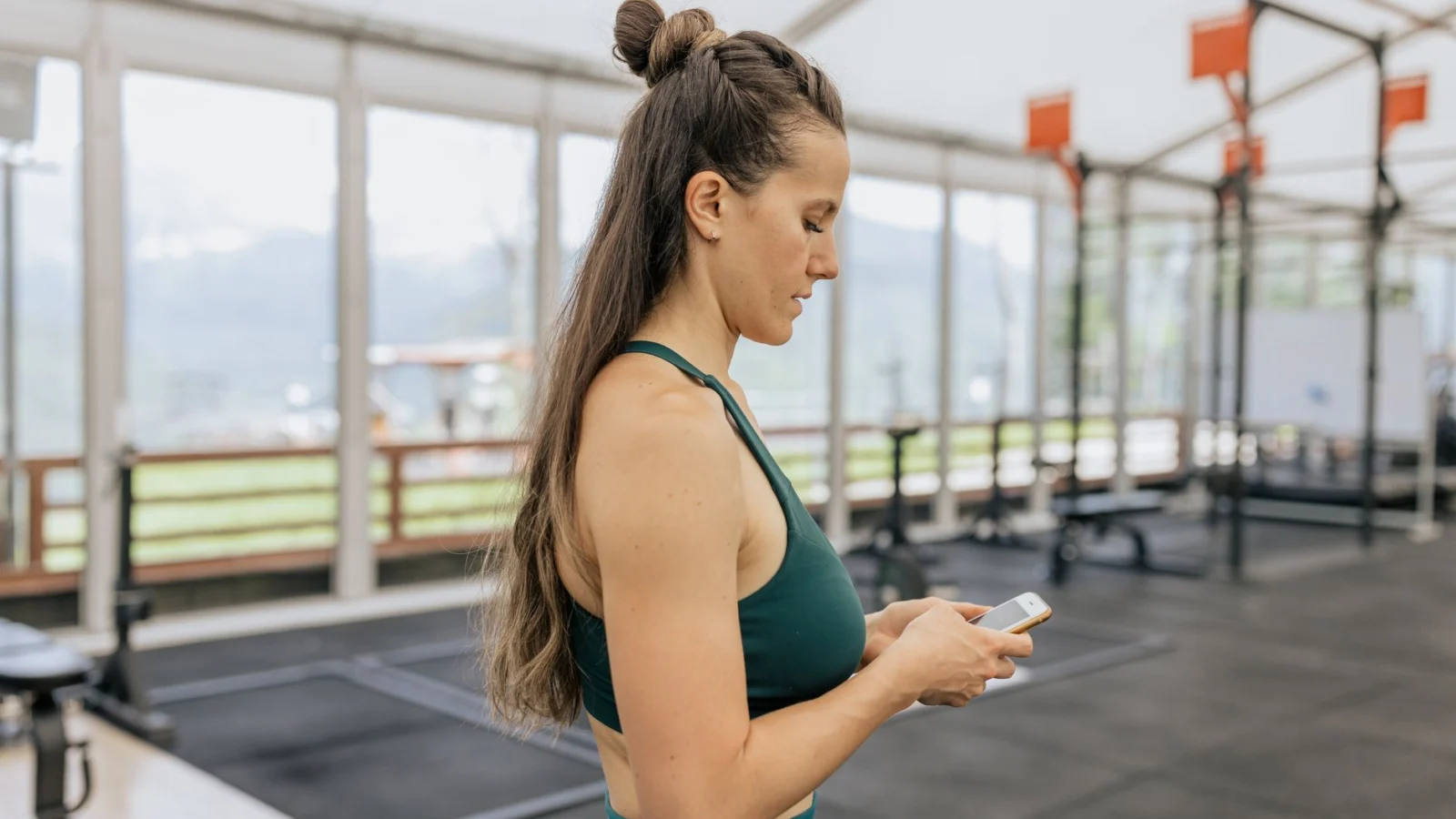
Rest period length affects fat loss through two competing mechanisms: shorter rests keep heart rate elevated and increase total calorie burn per session, but they also reduce the weight you can lift for subsequent sets, potentially decreasing the muscle-building stimulus.
For women focused on fat loss with muscle preservation, the optimal rest period strategy is:
- Compound exercises: 90-120 seconds between sets. This is long enough to partially recover ATP (the immediate energy system), allowing you to maintain performance across sets, while being short enough to keep the session metabolically demanding.
- Isolation exercises: 60 seconds between sets. Smaller muscles recover faster and shorter rest maintains the pump and metabolic stress that makes these exercises effective.
- Supersets: pairing a push with a pull (e.g., cable row + shoulder press) with 45-60 seconds between each exercise in the pair. This maintains intensity while effectively halving the rest period, increasing total session density without reducing performance on either movement.
The CDC recommends that adults engage in muscle-strengthening activities of moderate or greater intensity that involve all major muscle groups, which is precisely what this set, rep, and rest structure achieves when applied consistently.
Adjusting Sets and Reps Across Your Menstrual Cycle
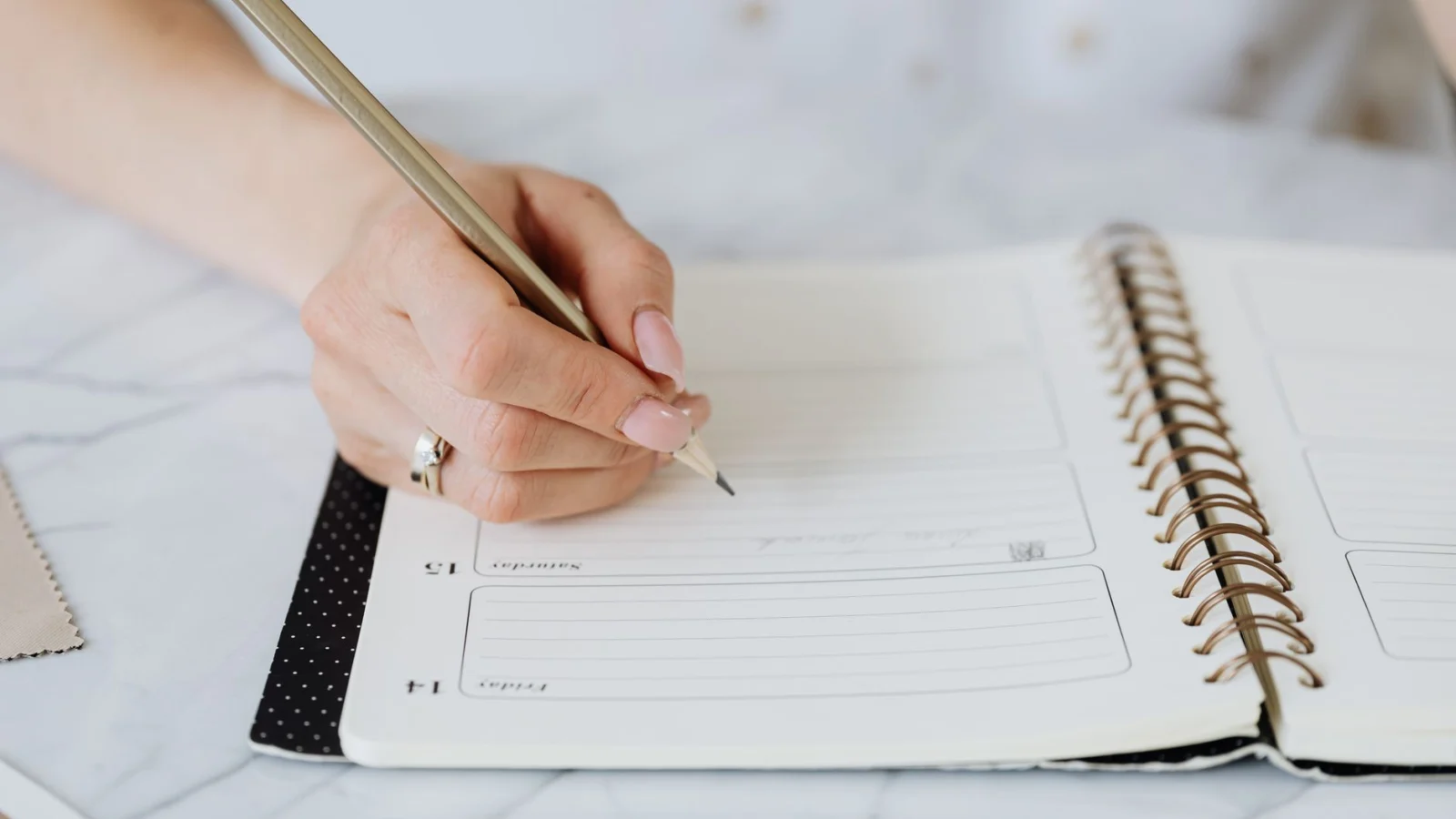
For women tracking their cycle, the hormonal environment shifts in ways that make certain training approaches more effective at different phases. This is not a rigid prescription but a practical optimization:
In the follicular phase (days 1-14), estrogen is rising and testosterone is relatively elevated at ovulation. This phase favors heavier training with lower reps (6-10) and greater total volume. Recovery is faster, pain tolerance is higher, and neuromuscular coordination peaks around ovulation. This is the optimal time to attempt new personal records on compound lifts.
In the luteal phase (days 15-28), progesterone rises and the body shifts toward using carbohydrates as fuel. Training intensity can remain high in the early luteal phase (days 15-20), but in the late luteal phase (days 21-28), elevated cortisol and reduced GABA activity impair recovery and increase joint laxity. Maintain training consistency but ease the intensity: same exercises, same sets, the lower end of the rep range and a little less weight, to match how the body is recovering that week.
Lifting changes what your weight is made of, so a body fat estimate tracks this better than the scale; how much you should weigh explains the ranges and holds the tool.
Frequently Asked Questions
Is 3 sets of 12 enough to lose weight at the gym?
Three sets of 12 reps is a solid foundational prescription for beginners and produces significant fat loss results when applied consistently with progressive overload. It is enough to generate the muscle-building and metabolic rate-elevating stimulus needed for body composition change. As training age increases (after 3-6 months), adding a fourth set to primary compound exercises and introducing heavier rep ranges maintains the progressive stimulus that drives continued results.
Should women do more reps or more weight to lose fat?
More weight with the same or fewer reps produces more muscle growth and a greater resting metabolic rate increase over time, which is more beneficial for long-term fat loss than adding reps at a weight that is no longer challenging. The correct answer is to apply progressive overload in whichever dimension the body has adapted to: add reps first until the top of the range is reached, then add weight and return to the lower end of the range.
How many reps should women do for abs?
The abdominal muscles respond to the same rep ranges as any other muscle group. Higher rep ranges (15-25 reps) with weighted resistance produce better development than hundreds of unweighted crunches. Planks and anti-rotation exercises build core stability more effectively than crunches for functional strength. Direct abdominal work is secondary for fat loss; the primary fat-loss tool remains compound resistance training that builds total body muscle mass.
Can women do the same sets and reps as men in the gym?
Yes, with the same progressive overload principles applied. The optimal rep and set ranges for muscle growth and fat loss are not gender-specific. Women and men respond to similar training volumes and intensities when training age and recovery are accounted for. Differences exist in absolute load (women start with lower loads) and hormonal cycle effects on recovery, but the principles of progressive overload, adequate volume, and proximity to failure apply equally.
Conclusion
How many sets and reps for women to lose weight is a question with a practical answer: 3-4 sets of 8-12 reps for compound exercises, 2-3 sets of 12-15 reps for isolation exercises, across three full-body sessions per week, with progressive overload applied consistently. This produces the muscle-building stimulus that raises resting metabolic rate and the EPOC response that elevates post-session calorie burn simultaneously.
The exact numbers matter less than applying them close to muscular failure with progressive increases over time. A program that pushes you to the last clean rep across all sets, tracked and built upon session by session, will produce results. A program done comfortably at fixed weights indefinitely will not.
Medical disclaimer: This article is for informational purposes only and does not constitute medical advice. Consult a qualified healthcare provider before beginning any new exercise program, particularly if you have existing health conditions.
Related Articles
- Gym Workout Plan for Weight Loss for Women: The 8-Week Guide
- How to Lose Weight After 40 for Women Without Starving
- Cardio vs Weight Training for Women: Which Burns More Fat


