

An upper body workout for women at the gym that actually produces results looks very different from what most women do in the weights section, which is light dumbbell exercises with high reps that never challenge the muscles enough to grow. This guide covers the exercises, the correct structure, and the common fears about upper body training that prevent women from lifting heavy enough to see change.
To pair your upper-body days with core-focused work, see our guide to the best gym exercises for belly fat for women.
Why Women Need Upper Body Strength Training at the Gym
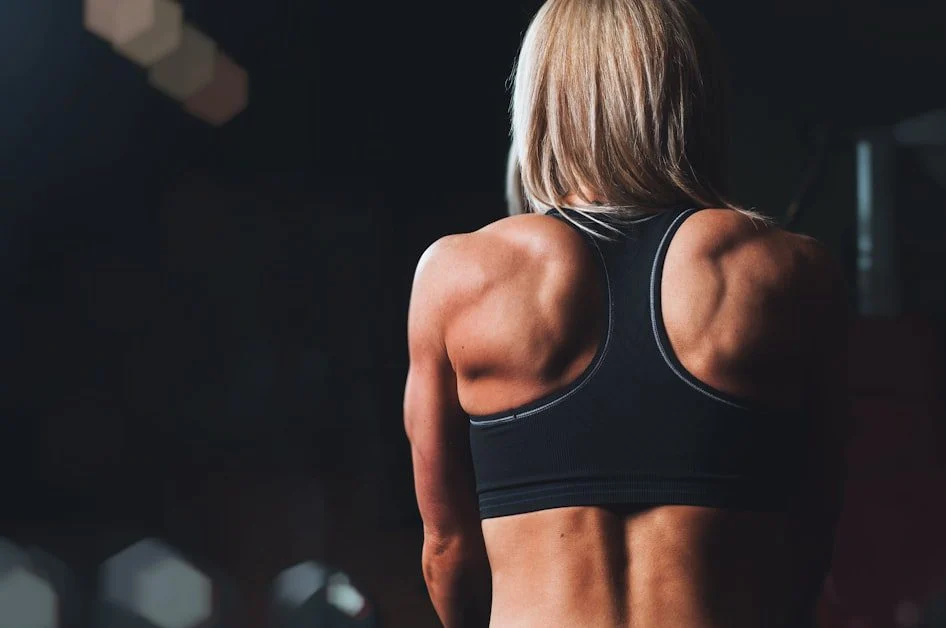
The case for upper body training in women extends well beyond aesthetics. The shoulders, upper back, and chest muscles are the primary stabilizers of the spine and shoulder joint. Weakness in these muscles is the leading cause of the forward head posture, rounded shoulders, and chronic neck and upper back tension that desk-based work produces over time.
From a metabolic standpoint, the muscles of the back (latissimus dorsi, rhomboids, trapezius) and chest (pectoralis major) are among the largest muscle groups in the upper body. Training them adds metabolically active muscle tissue that raises resting calorie expenditure alongside lower body training. Women who do full-body resistance training burn significantly more calories at rest than women who train only lower body, even when the total training volume is equal.
Bone density is a third reason. Resistance training builds bone density through mechanical loading, which is what the NIAMS guidance on exercise and bone health sets out. Upper body resistance training specifically improves bone density in the wrist, forearm, and spine, the sites most vulnerable to osteoporotic fractures in women after menopause. Starting this bone-building stimulus in your 30s and 40s creates the reserve that matters in your 60s and beyond.
The Pull-to-Push Ratio: Why It Matters for Women
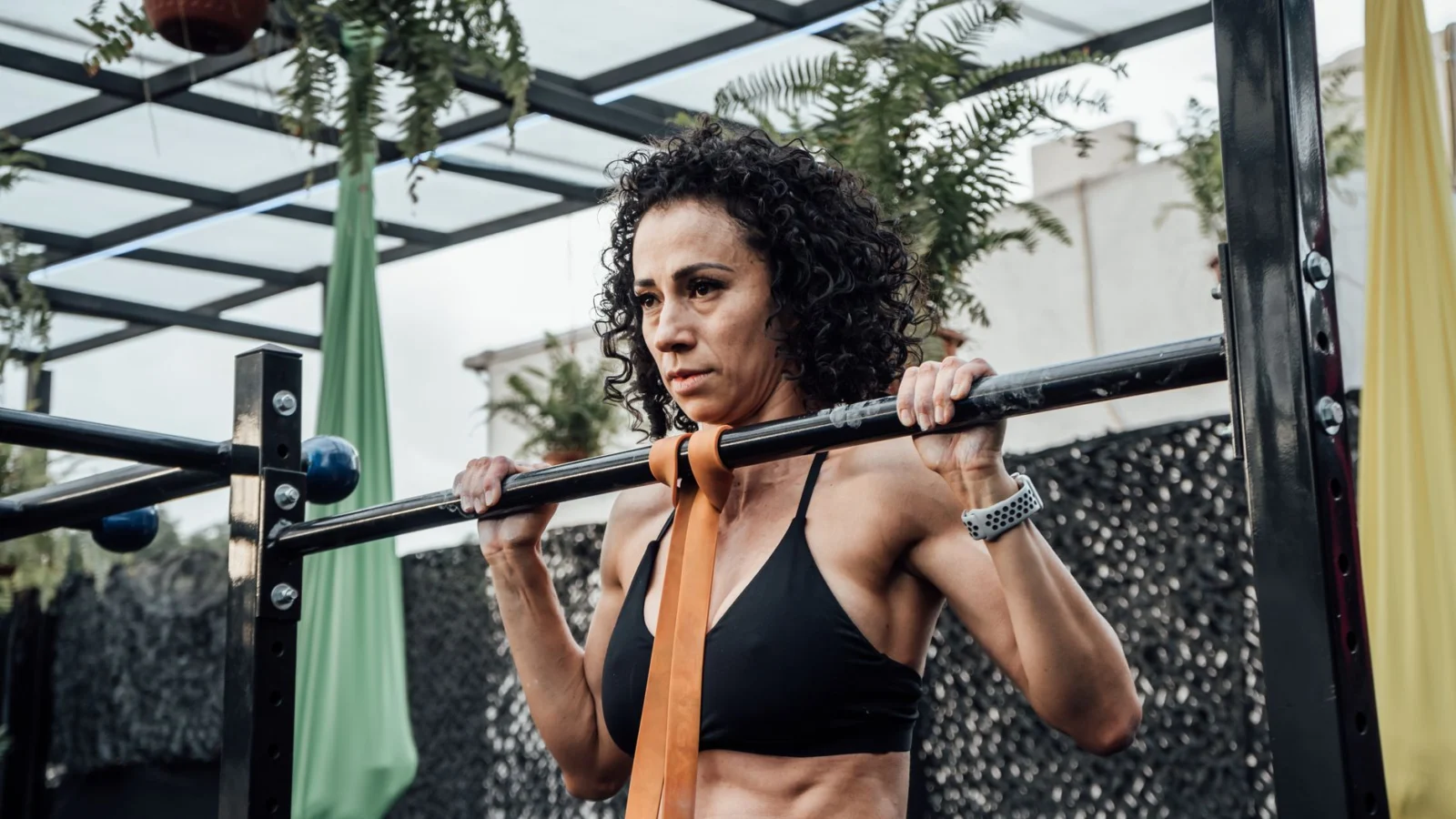
Most generic upper body programs balance pushing exercises (chest press, shoulder press) with pulling exercises (rows, pulldowns) at a 1:1 ratio. For women who work desk jobs or spend significant time at a keyboard, this ratio should be closer to 2:1 pulls to pushes.
The reason: prolonged sitting in a forward position tightens the pec minor, anterior deltoid, and bicep, while simultaneously weakening the rhomboids, mid-trapezius, and external rotators of the shoulder. A program that pushes and pulls equally in this environment maintains the existing muscular imbalance rather than correcting it. More pulling work stretches the tight anterior structures while strengthening the weak posterior ones, which improves posture and reduces shoulder impingement risk.
Practical application: for every set of chest press or overhead press you do, perform two sets of rows or pulldowns.
Upper Body Workout for Women at the Gym: The Best Exercises
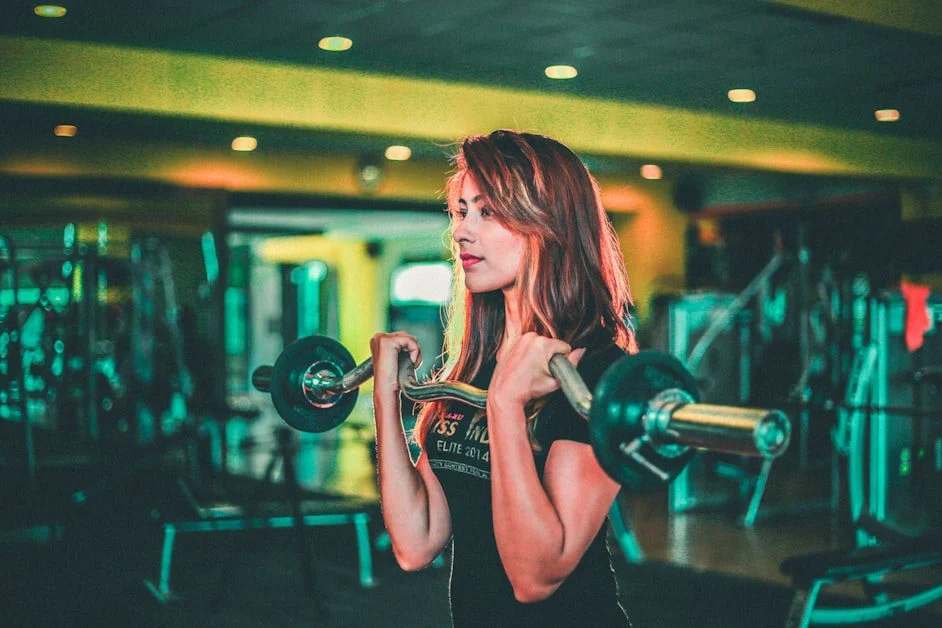
These exercises are structured by primary movement pattern, with pulling movements prioritized as the foundation of the upper body program.
Seated Cable Row (Primary Pull)
The cable row trains the entire mid-back complex with constant tension throughout the range of motion. Unlike dumbbell rows, the cable provides resistance at the start of the movement (stretched position) as well as the finish (contracted position), making it more effective for complete muscle development. Pull the elbows back past the torso, squeeze the shoulder blades together for one second, and control the return.
Protocol: 3-4 sets of 10-12 reps. Keep the torso upright throughout. Do not lean back to use momentum.
Lat Pulldown (Primary Pull)
The lat pulldown trains the latissimus dorsi, the large wing-shaped muscle of the back responsible for the V-taper appearance. It also involves the biceps and rear deltoid. Pull the bar to the upper chest, leading with the elbows driving downward rather than pulling with the hands. Avoid swinging the torso back.
Protocol: 3-4 sets of 10-12 reps. Wide or neutral grip are both effective. Neutral grip (palms facing each other) is easier on the wrists and elbows for most women.
Dumbbell Shoulder Press
The shoulder press trains the deltoids and triceps. Use dumbbells rather than a barbell to allow each arm to move through its natural path, which reduces shoulder impingement risk. Press from just outside the shoulders up to full extension, but do not lock out the elbows aggressively. Control the descent for 2 seconds.
Protocol: 3 sets of 10-12 reps. Start seated for stability if you are new to the movement, then progress to standing as core strength and shoulder stability improve.
Dumbbell Incline Press (Chest)
The incline angle emphasizes the upper chest (clavicular head of the pectoralis major) and is easier on the shoulder joint than the flat press for most women because the arm angle is slightly closer to the body. The chest press is a pushing movement and should be performed after the pulling exercises in each session.
Protocol: 3 sets of 10-12 reps. Set the bench at 30-45 degrees. The dumbbells should touch lightly at the top, not slam together.
Face Pull or Rear Delt Fly (Posterior Shoulder)
The rear deltoid and external rotators of the shoulder are the most commonly undertrained muscles in women’s upper body programs. They are essential for shoulder joint health and for the pulled-back, open-chested posture that distinguishes trained women from untrained women. Face pulls on a cable with a rope attachment target these muscles directly.
Protocol: 3 sets of 15-20 reps at lighter weight. Focus on the external rotation (thumbs pointing back) at full contraction rather than pulling weight.
Tricep Pushdown and Bicep Curl
Arm isolation exercises are lower priority than compound movements but add volume for the smaller muscles of the arm. They are best placed at the end of a session as finishers. Triceps are the larger of the two and have a greater impact on arm appearance and pressing strength.
Protocol: 2-3 sets of 12-15 reps each. Cable pushdown for triceps, dumbbell or cable curl for biceps.
Dumbbell Bent-Over Row (Free-Weight Alternative)
When the cable row station is busy, a dumbbell bent-over row trains the same mid-back muscles with a free-weight variation. Stand with feet shoulder width apart, hinge at the hips with knees slightly bent, and let the dumbbells hang at arm’s length with palms facing your body. Pull both dumbbells up toward your ribcage, driving the elbows back and squeezing the shoulder blades together, then lower with control back to full extension. Keep the back flat throughout rather than rounding at the top of the movement.
Protocol: 3 sets of 10-12 reps. Choose a weight that lets you complete every rep with strict form; this exercise builds muscle fastest when momentum is kept out of it.
Sample Upper Body Workout at Gym for Women (Full Session)
This session follows the pull-to-push ratio and takes approximately 45-50 minutes with rest periods included.
- Seated cable row – 4 x 10-12
- Lat pulldown – 3 x 10-12
- Face pull – 3 x 15-20
- Dumbbell shoulder press – 3 x 10-12
- Dumbbell incline press – 3 x 10-12
- Tricep pushdown – 3 x 12-15
- Dumbbell bicep curl – 2 x 12-15
Rest 60-90 seconds between sets for compound movements (rows, pulldowns, press) and 45-60 seconds for isolation exercises (face pulls, curls, pushdowns).
This session integrates naturally into a three-day full-body program as the upper-body emphasis day. On the other two days, compound pushing and pulling movements appear as secondary exercises within lower-body focused sessions. The complete program structure is detailed in our gym workout plan for weight loss for women.
Will Upper Body Training Make Women Look Bulky?
No. The fear that upper body resistance training will produce a masculine, bulky appearance in women is based on a misunderstanding of the hormonal requirements for large muscle growth.
Muscle hypertrophy at the level seen in male bodybuilders requires testosterone levels that are 10-20 times higher than the average female range. Women’s bodies do not produce enough testosterone to accumulate large muscle mass through natural training. What women gain from progressive resistance training is a leaner, more defined upper body with improved posture and shoulder structure.
The aesthetic many women fear, large and heavily muscled shoulders and arms, is the result of many years of specific hypertrophy-focused training combined with extremely low body fat percentages and, in some cases, anabolic support. It does not happen accidentally from following a general fitness program with progressive overload.
Women who report feeling “bulky” after starting upper body training are typically experiencing temporary water retention in the muscles from the inflammatory response to new training stimulus. This resolves within two to four weeks and is followed by a leaner, more defined appearance as fat loss and muscle definition progress together.
Progressive Overload for Upper Body Workout for Women at Gym
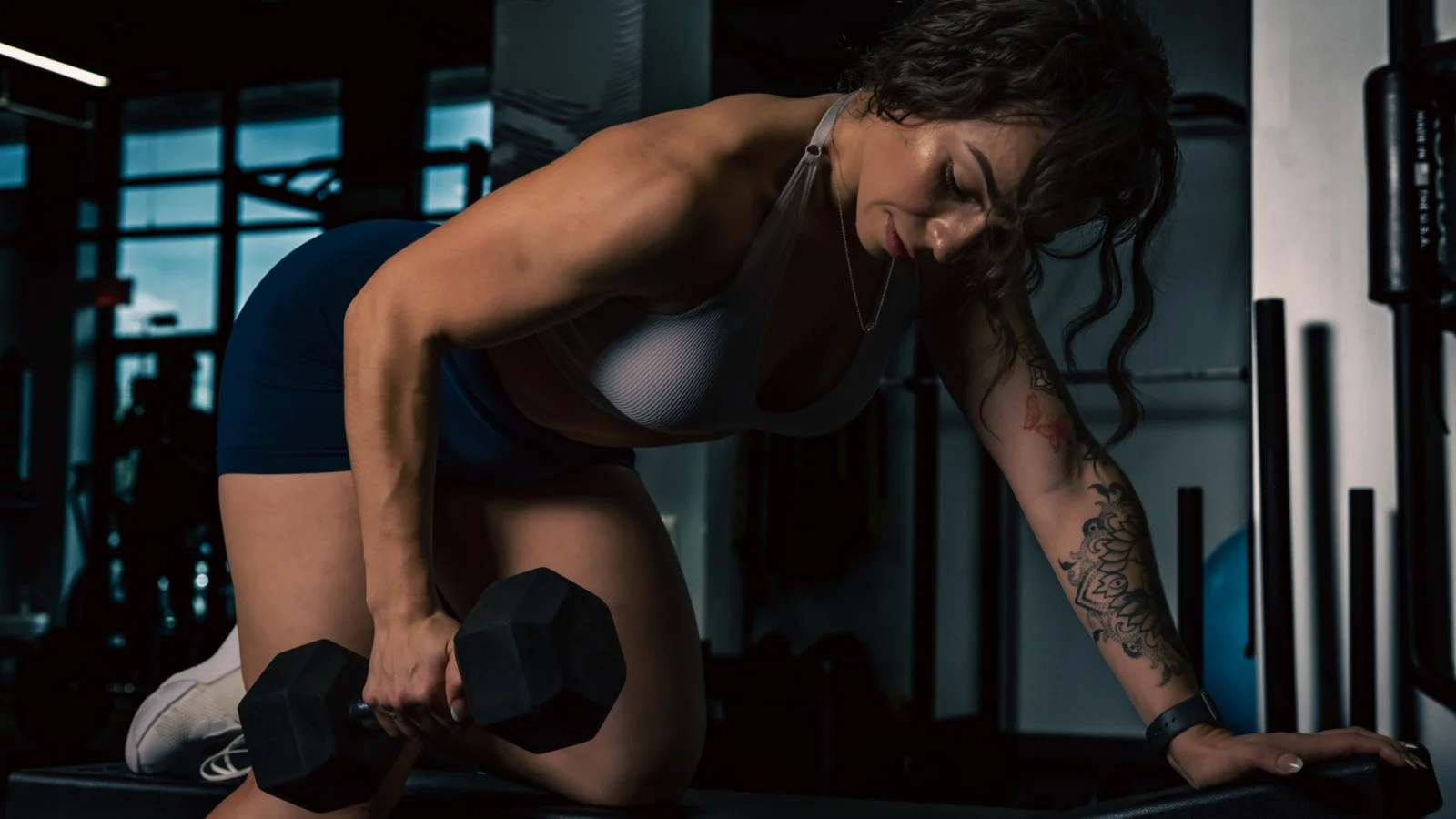
The same double progression model that applies to lower body training applies to upper body. Start at the lower end of the rep range, add one to two reps per week until you reach the top of the range, then increase the weight by the smallest available increment and return to the lower rep target.
Upper body exercises typically require smaller weight increments than lower body because the muscles involved are smaller. For dumbbells, this means 1-2 kg increases for isolation exercises and 2-4 kg for compound rows and presses. For cable machines, use the pin or micro-plates to keep increments small enough that you can maintain form at the new weight.
The CDC physical activity guidelines recommend muscle-strengthening activities that progressively challenge the muscles, which is exactly the model used here. Tracking your weights and reps each session ensures progression is occurring rather than stagnating at a comfortable but insufficient load. For the complete framework on tracking progression, see our guide on progressive overload for women beginners.
Upper body work belongs on the two strength days the guideline asks for, and the page on how to start working out shows the week around them.
Frequently Asked Questions
How often should women do upper body workouts at the gym?
Two to three times per week is the optimal frequency for upper body training in women, either as dedicated upper body days or as part of full-body sessions. Full-body training three times per week where each session includes at least two compound upper body exercises (one push, two pulls) is as effective as a dedicated upper-lower split for most women, and more efficient for those with limited gym time.
What upper body exercises should women beginners start with?
The lat pulldown, seated cable row, and dumbbell shoulder press are the best starting points for upper body workout at gym for women beginners. They are machine-guided or dumbbell-based (reducing injury risk compared to barbell exercises), train the most important muscle groups, and are easy to progressively overload. Add the face pull as a fourth foundational exercise for shoulder health. The barbell bench press and overhead press can be added once basic upper body strength is established after eight to twelve weeks.
How long does it take to see upper body results from gym training?
Visible upper body changes in women typically appear at weeks eight to twelve with consistent progressive resistance training. Posture improvements (shoulders naturally pulling back, neck feeling less tense) often appear earlier, around weeks four to six, as the mid-back and rear deltoid muscles strengthen. Scale weight changes may be minimal even as upper body definition improves, because muscle development and fat loss can occur simultaneously in a slight calorie deficit.
Should women do chest exercises?
Yes. The chest muscles are large, metabolically significant, and important for shoulder joint stability. Many women avoid chest exercises believing they are purely cosmetic or that they will interfere with breast appearance. In reality, stronger chest muscles improve posture and can make the chest appear more lifted and defined. Incline press variations are generally more comfortable than flat press for women because of the shoulder joint angle involved.
Conclusion
An upper body workout for women at gym built around rowing and pulling movements as the foundation, with pressing work as secondary, produces the posture, bone density, and metabolic benefits that make upper body training non-negotiable in any complete fitness program. The fear of bulk keeps too many women away from the exercises that would transform their upper body the most.
Start with the four foundational exercises (cable row, lat pulldown, face pull, shoulder press), apply progressive overload consistently, and the results in posture, arm and shoulder definition, and overall gym performance will be visible within twelve weeks of consistent training.
Medical disclaimer: This article is for informational purposes only and does not constitute medical advice. Consult a qualified healthcare provider before beginning any new exercise program, particularly if you have existing health conditions.
Related Articles
- Glute Workout at Gym for Women: Build Stronger Glutes in 8 Weeks
- Gym Workout Plan for Weight Loss for Women: The 8-Week Guide
- How to Use Gym Machines for Women: The Complete Beginner Guide